
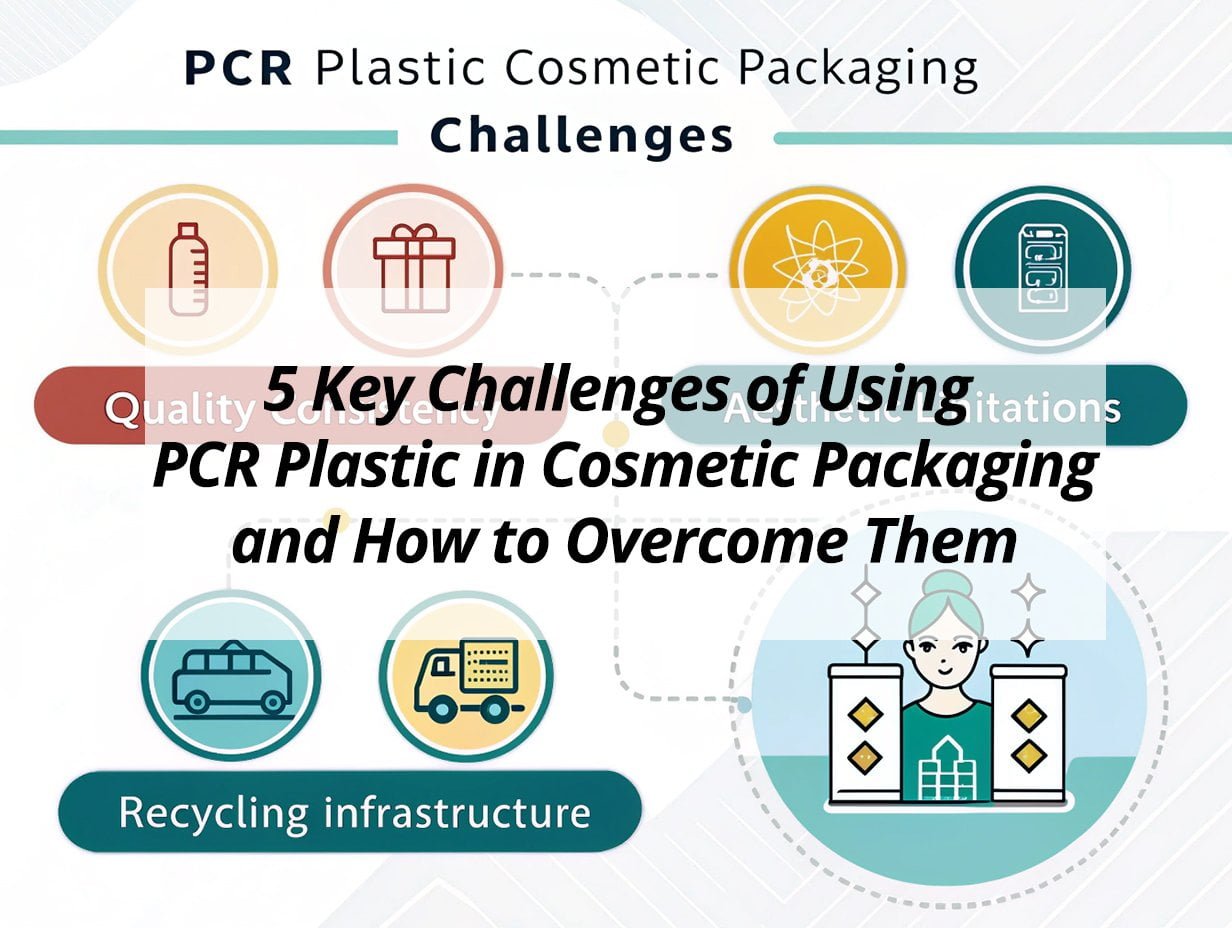
The cosmetic industry is evolving, and PCR plastic plays a vital role. But what challenges come with it?
Using PCR plastic in cosmetic packaging supports sustainability by turning waste into new materials. Despite its eco-friendly benefits, it poses challenges like quality consistency and cost. Overcoming these requires innovative solutions and strategic approaches to ensure both environmental and product standards are met effectively.
Navigating these challenges is vital for maintaining quality while being eco-friendly. Let’s dive into common issues and how to tackle them effectively.
What are the 5 negative effects of plastic?
Plastic pollution is a well-known issue, impacting the environment significantly. Can its effects be mitigated?
Plastic negatively affects marine life, contributes to land pollution, releases toxins, reduces air quality, and disrupts ecosystems. Effective waste management practices and innovations in materials like PCR help counter these issues.
To understand the impact, let's break it down:
- Marine Life Harm1: Plastics in oceans endanger marine species and disrupt marine ecosystems.
- Land Pollution2: Non-biodegradable plastics lead to land degradation.
- Toxic Release3: The production and degradation of plastics release harmful chemicals.
- Air Quality4: Burning plastic waste contributes to air pollution and climate change.
- Ecosystem Disruption5: Plastic waste alters habitats and food chains.
Addressing these requires innovative strategies, including using PCR plastic, stricter regulations, and improved recycling practices.
What are the problems with plastic packaging?
Plastic packaging is critiqued for its environmental impact, but why is it problematic?
Plastic packaging contributes to environmental pollution and is difficult to recycle. Transitioning to sustainable alternatives and enhancing recycling infrastructure are crucial to reducing its footprint.
A Closer Look at Plastic Packaging Challenges
| Challenge | Description |
|---|---|
| Non-Recyclability | Many plastics aren't recyclable due to mixed materials. |
| Resource-Intensive | The production process consumes significant resources. |
| Waste Increase | Single-use packaging contributes to massive landfill waste. |
| Environmental Damage | Discarded packaging pollutes land and water. |
| Consumer Perception | Growing awareness and demand for sustainable packaging. |
Using PCR plastic addresses some concerns by reusing materials, but overcoming recycling barriers and educating consumers can enhance effectiveness.
What is one of the main challenges in recycling plastic?
Recycling plastic isn't as straightforward as it might seem, so what is the main obstacle?
Contamination and sorting issues are primary challenges in recycling plastic. Streamlining collection and improving sorting technology can enhance recycling rates and quality.
Breaking Down Recycling Challenges
| Challenge | Description |
|---|---|
| Contamination | Food residues and mixed materials hinder recycling. |
| Sorting Inefficiencies | Inadequate systems lead to ineffective sorting. |
| Material Degradation | Repeated recycling weakens plastic quality. |
| Market Fluctuations | Economic changes affect recycling incentives. |
| Consumer Behavior | Lack of proper disposal habits impacts recycling. |
Overcoming these requires innovations in recycling technology, better waste management systems, and consumer education on proper disposal practices.
What are the challenges to implementing waste reduction strategies?
Implementing waste reduction in an organization is daunting. What are the hurdles faced?
Challenges include resistance to change, cost implications, and lack of awareness. Effective communication and strategic planning can facilitate smoother implementation.
Examining Waste Reduction Challenges
- Cultural Resistance: Employees may resist new practices.
- Economic Costs: Initial investment in new systems can be high.
- Awareness Issues: Lack of awareness can impede strategy adoption.
- Technology Limitations: Inadequate tools slow progress.
- Regulatory Hurdles: Compliance with regulations can be complex.
Tackling these challenges requires clear communication of benefits, strategic investment in resources, and engaging stakeholders to ensure smoother transitions.
My insights: The Key Challenges of Using PCR Plastic in Cosmetic Packaging and How to Overcome Them
Struggling with PCR plastic? Discover how to tackle common challenges and seamlessly integrate recycled materials into your cosmetic packaging, enhancing sustainability without compromising quality.
The challenges of using PCR plastic include inconsistent quality, limited availability, higher costs, regulatory hurdles, and processing difficulties. These can be overcome by optimizing supply chains, blending materials, ensuring compliance, and adjusting manufacturing processes.
Overcoming Challenges with PCR Plastic
| Challenge | Description | Solution |
|---|---|---|
| Material Quality | Variability in strength and clarity due to contamination. | Blend with virgin resin, use quality control, and select darker colors. |
| Supply Chain | Limited high-quality supply. | Partner with reliable suppliers and invest in closed-loop systems. |
| Regulatory Concerns | Ensuring safety and compliance. | Use FDA-approved materials, conduct rigorous testing, and certify compliance. |
| Manufacturing Difficulties | Issues with bonding and durability. | Adjust processes, test batches, and collaborate with experienced producers. |
| Cost Considerations | Higher upfront costs. | Optimize design, blend with virgin resin, and leverage sustainability for brand value. |
By addressing these challenges, cosmetic brands can effectively integrate PCR plastic, fostering environmental responsibility while maintaining product standards.
Conclusion
Confronting the challenges of using PCR plastic in cosmetic packaging is essential for balancing sustainability and quality. Through strategic planning and innovation, these obstacles can be effectively addressed.
-
Explore the critical impact of plastic on marine ecosystems and species, and learn about conservation efforts. ↩
-
Understand the extent of land degradation caused by plastic waste and the importance of sustainable practices. ↩
-
Discover the harmful chemicals associated with plastic and their effects on health and the environment. ↩
-
Learn about the air pollution caused by plastic waste and its implications for climate change. ↩
-
Investigate how plastic waste alters habitats and food chains, affecting biodiversity. ↩