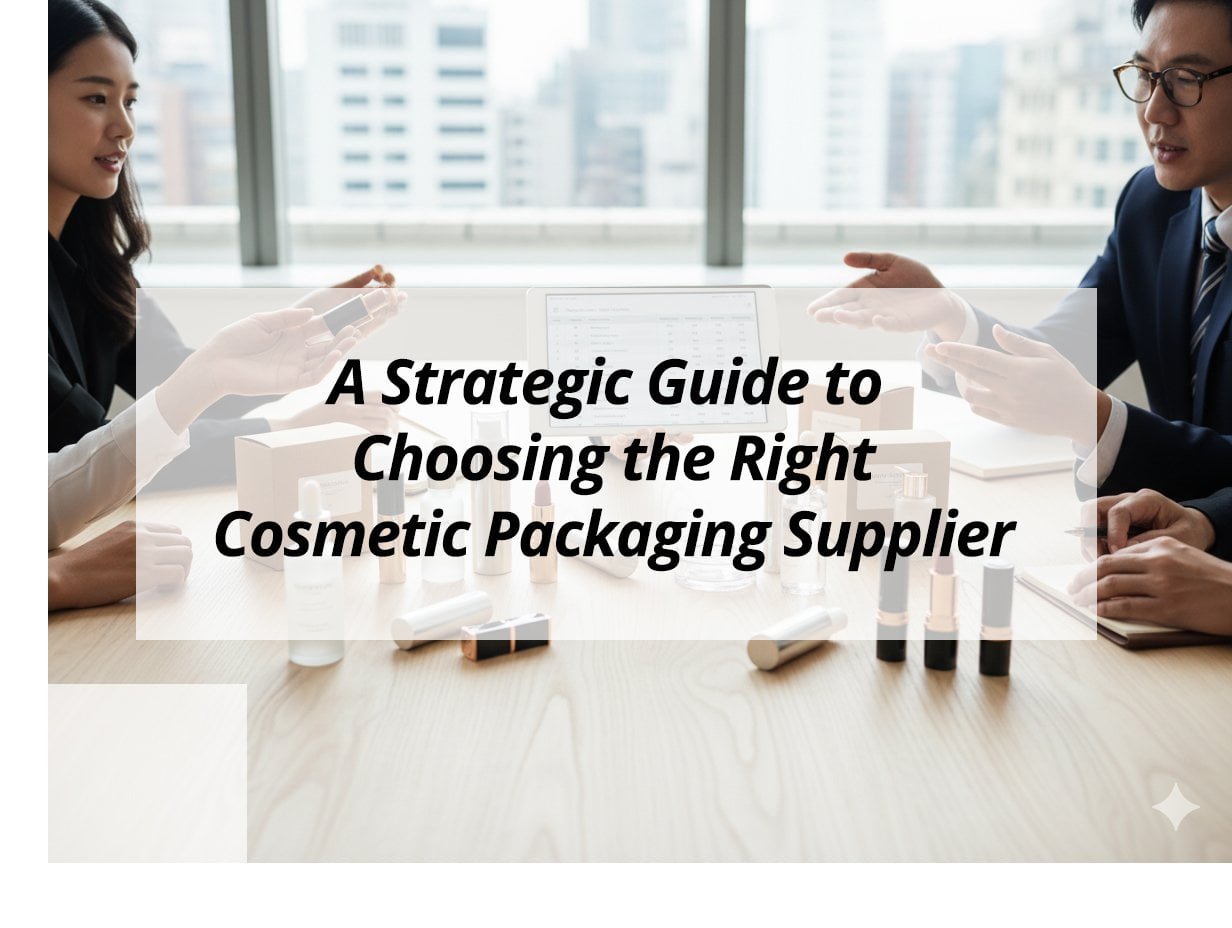
Are you facing challenges in securing a dependable cosmetic packaging supplier? Do concerns about product quality or timely delivery affect your operations? Selecting the appropriate supplier is vital for brand integrity.
Choosing the right cosmetic packaging supplier requires assessing their quality assurance, communication effectiveness, and capacity to fulfill specific requirements. An effective supplier provides reliable logistics, competitive pricing, and certified products, ensuring smooth operations and high-quality packaging for a brand.
The process of identifying an ideal supplier can be intricate. Numerous factors demand attention. This guide aims to simplify this selection process. It will assist in making informed decisions for a trusted partnership.
How do you choose the right packaging?
Is the extensive array of packaging options causing difficulty in selection? Is it challenging to pinpoint what best suits a cosmetic product's specific needs? Making an informed packaging choice is fundamental.
Choosing the right packaging involves understanding a product's precise requirements, market preferences, and brand image. It must protect the product, facilitate user interaction, and align with sustainability goals, balancing aesthetic appeal with functional demands and cost efficiency.
Many brands find this choice complex. Packaging selection extends beyond visual appeal. It encompasses product preservation, user experience, and brand representation.
Here are key steps for choosing appropriate packaging:
Understand Product Requirements
Begin by considering the cosmetic formulation. Certain ingredients necessitate specialized protection. For instance, active compounds might require opaque containers or airless pump systems to shield them from light and air. Oil-based products demand leak-proof materials, while water-based items need secure seals. Evaluating the product's chemical properties guides material selection.
Identify Target Audience
Who are the intended consumers? Are they seeking luxury or prioritizing environmental responsibility? Younger demographics might prefer modern, minimalist designs. Mature consumers may value elegance and ease of use. Understanding these preferences informs design and material choices.
Align with Brand Identity
Packaging serves as a direct reflection of a brand's values and image. It should consistently represent the brand's ethos. A premium brand might opt for high-quality materials like glass, while an eco-conscious brand may choose bamboo or recycled plastics. Consistency in design and messaging strengthens brand recognition. This differentiation helps products stand out.
Prioritize Functionality and User Experience
Packaging must be intuitive for opening, dispensing, and storage. Inefficient design can lead to consumer dissatisfaction. Consider the optimal dispensing mechanism: a pump, dropper, or squeeze tube, each suited to different product consistencies. Evaluate the typical consumer interaction with the package during daily use.
| Product Type | Recommended Packaging Features | Functional Benefit |
|---|---|---|
| Serums | Dropper bottles, airless pumps | Ensures precise dosage, minimizes contamination. |
| Creams | Jars with spatulas, airless jars | Facilitates access, promotes hygienic application. |
| Lotions | Pump bottles, squeeze tubes | Provides convenient dispensing, suitable for travel. |
| Lip Products | Stick applicators, doe-foot wands | Allows targeted application, reduces mess. |
Consider Sustainability Factors
Consumer demand for environmentally responsible products is rising. Integrating sustainable packaging can offer a significant market advantage. Options include Post-Consumer Recycled (PCR) materials, glass, aluminum, and refillable systems. These choices demonstrate a brand's commitment to environmental stewardship.
Evaluate Cost-Effectiveness
Packaging expenses directly influence a product's final retail price. It is essential to balance material quality with budgetary constraints. Partner with suppliers who offer competitive pricing without compromising quality. Consider the total cost, encompassing manufacturing, shipping, and potential waste.
Ensure Regulatory Compliance
All cosmetic packaging must conform to industry-specific regulations. This includes safety standards for materials and accurate labeling requirements. Collaborating with a knowledgeable supplier helps ensure compliance. This safeguards the brand against potential legal issues.
What is the correct packaging for cosmetics?
Are the specific technical requirements for cosmetic packaging unclear? Is it necessary to ensure product safety and effective preservation? Adhering to technical specifications is paramount.
Correct cosmetic packaging ensures product stability, prevents contamination, and complies with all safety regulations. It must be chemically non-reactive with the formulation, provide effective barriers against external elements, and support the product's intended shelf life and usage.
Effective cosmetic packaging goes beyond visual appeal. It incorporates scientific principles and safety standards. It maintains the product's integrity, ensuring efficacy and consumer safety. This prevents adverse reactions between the packaging and its contents.
Here are the essential elements of correct cosmetic packaging:
Chemical Compatibility
The packaging material must exhibit chemical inertness. This means it should not react with the cosmetic formulation. Any reaction could diminish product effectiveness or generate harmful substances. Rigorous testing of materials with specific product formulations is critical. For instance, certain strong acids or bases present in cosmetics can degrade particular plastic types over time.
Barrier Properties
Packaging must establish an effective barrier against external factors. This barrier protects the product from:
- Oxygen: Prevents oxidation, which can lead to ingredient degradation and changes in product color or odor.
- Light: Opaque or amber-tinted packaging safeguards light-sensitive ingredients from photodegradation.
- Moisture: Regulates water loss or absorption, thereby preserving product consistency.
- Microorganisms: A robust seal and sterile materials inhibit bacterial proliferation.
Airless pump systems are particularly effective for oxygen-sensitive formulations, preventing air ingress.
Seal Integrity
A secure seal is crucial for preventing leakage and contamination. It ensures product freshness and prevents evaporation, thereby maintaining the product's intended consistency and volume. Inadequate seals can result in product waste and consumer dissatisfaction.
Dispensing Mechanism
The method of product dispensing impacts both usability and hygiene.
- Pumps: Provide controlled dosage and minimize direct finger contact, enhancing hygiene.
- Droppers: Allow for precise application, especially for serums and oils.
- Squeeze Tubes: Facilitate dispensing of viscous creams and gels, offering ease of use.
- Jars: Provide simple access but can expose the product to air and environmental contaminants.
Selecting the appropriate mechanism improves the overall user experience.
Stability and Durability
Packaging must be sufficiently robust to endure handling, transportation, and daily consumer use. It should resist breakage or deformation. This ensures the product arrives safely and remains intact throughout its use period. Fragile materials like glass necessitate careful design and protective secondary packaging.
Regulatory Standards
All packaging materials must comply with applicable national and international regulations. This includes standards for heavy metal content, food-grade contact, and material safety data. Suppliers should provide certifications for their materials. This ensures products meet all legal requirements.
What is the trend in beauty packaging?
Are you seeking insights into the latest innovations in beauty packaging? Is there a need for products to align with contemporary consumer desires? Staying informed about current trends is essential for market competitiveness.
The trend in beauty packaging is characterized by a strong move towards sustainability, personalization, and interactive designs. Consumers are increasingly seeking eco-friendly materials, refillable options, and packaging that offers engaging experiences. There is also a notable emphasis on minimalist aesthetics and transparent brand communication.
The beauty industry is in constant evolution. Packaging trends reflect these market shifts. They highlight prevailing consumer values, new experiences, and convenience preferences.
Here are the key trends influencing beauty packaging:
Sustainability Dominance
This is a primary trend. Consumers are actively demanding sustainable packaging. Brands are responding with:
- PCR (Post-Consumer Recycled) Plastics: Utilizing recycled plastics to reduce reliance on virgin plastic production.
- Glass and Aluminum: Highly recyclable materials often perceived as premium.
- Bamboo: A renewable resource that offers a natural and elegant aesthetic.
- Refillable Systems: These significantly reduce waste by enabling consumers to reuse primary containers. This represents a significant step towards minimizing environmental impact.
| Sustainable Packaging Type | Primary Advantages | Typical Applications |
|---|---|---|
| PCR Plastics | Decreases virgin plastic use, reduces carbon footprint | Lotion bottles, cream jars |
| Glass | Highly recyclable, chemically inert, conveys luxury | Serum bottles, foundation jars |
| Aluminum | Lightweight, durable, excellent barrier properties, endlessly recyclable | Tubes for creams, solid deodorants |
| Bamboo | Renewable, biodegradable, offers a unique aesthetic | Caps, compacts, external casings |
| Refillable Systems | Substantially reduces material consumption | Skincare jars, makeup compacts, lipstick cases |
Personalization and Customization
Consumers desire products that feel distinct. Packaging that allows for personal touches is gaining popularity. This can include custom colors, unique prints, or bespoke structural designs. This approach helps brands forge a stronger connection with their audience and makes products feel individualized.
Clean and Minimalist Aesthetics
Simple, elegant designs are highly sought after. This frequently involves:
- Neutral Color Palettes: Use of whites, blacks, grays, and natural tones.
- Clean Lines: Uncluttered and contemporary shapes.
- Clear Labeling: Legible fonts and direct product information.
This aesthetic conveys sophistication and transparency.
Smart Packaging Technology
Technology integration into packaging is an expanding area. This encompasses:
- QR Codes: For immediate access to product details, usage instructions, or brand narratives.
- NFC (Near Field Communication) Tags: For authenticity verification or interactive consumer experiences.
- Augmented Reality (AR): For virtual try-ons or engaging digital content.
These innovations enhance customer engagement and provide new avenues for brand interaction.
Hygiene and Safety Focus
Following global health concerns, hygiene remains a paramount consideration. Packaging features that promote cleanliness include:
- Airless Systems: Prevent product exposure to air and potential contaminants.
- Touchless Dispensers: Minimize direct contact with the product.
- Antimicrobial Materials: Certain materials possess properties that inhibit microbial growth.
These features instill greater confidence in consumers regarding product safety.
Multi-Functional and Convenient Packaging
Packaging that serves multiple purposes or offers enhanced convenience is a growing trend. Examples include:
- Travel-Friendly Sizes: Catering to mobile lifestyles.
- Integrated Applicators: Tools built directly into the packaging for ease of use.
- Modular Designs: Packaging components that can be combined or separated.
This addresses the needs of busy consumers seeking efficiency.
What are the sustainable packaging solutions for cosmetics?
Is there a commitment to enhancing the environmental responsibility of a cosmetic brand? Is it necessary to identify the most effective sustainable packaging choices? Adopting sustainable practices is a powerful brand statement.
Sustainable packaging solutions for cosmetics prioritize materials that are either recycled, reusable, or renewable. Key options include PCR plastics, glass, aluminum, bamboo, and innovative refillable systems. These solutions minimize environmental impact, attract eco-conscious consumers, and support principles of a circular economy.
The movement toward sustainable practices is a fundamental shift in product manufacturing and consumption. Choosing sustainable packaging demonstrates a brand's dedication to environmental care. It contributes to planetary protection and strengthens brand image.
Here are the core sustainable packaging solutions:
Post-Consumer Recycled (PCR) Materials
PCR plastics are derived from plastic waste collected from consumers. This waste is then processed and re-manufactured into new packaging. The use of PCR plastics offers several benefits:
- Reduces Virgin Plastic Demand: Decreases the need for newly produced plastic.
- Lowers Carbon Footprint: Manufacturing PCR plastic generally requires less energy.
- Diverts Waste from Landfills: Reduces the volume of plastic sent to waste disposal sites.
PCR is available for bottles, jars, and tubes.
Glass Packaging
Glass is a highly recyclable material, capable of infinite recycling without quality degradation.
- Inertness: It does not react with cosmetic formulas, preserving product integrity.
- Premium Perception: Glass is often associated with high quality and luxury.
- Recyclability: Widely accepted in municipal recycling programs.
Glass is suitable for serums, creams, and foundations, providing excellent product protection.
Aluminum Packaging
Aluminum is another material characterized by high recyclability, and it is also lightweight and durable.
- Excellent Barrier: Provides strong protection against light, air, and moisture.
- Lightweight: Minimizes shipping weight, contributing to reduced carbon emissions during transport.
- Infinitely Recyclable: Similar to glass, aluminum can be recycled repeatedly without material loss.
Aluminum tubes and bottles are effective for sunscreens, deodorants, and various cream formulations.
Bamboo
Bamboo is a rapidly growing and renewable resource, offering a natural and elegant aesthetic.
- Biodegradable: Naturally decomposes at the end of its useful life.
- Renewable: Grows quickly with minimal environmental impact.
- Unique Appearance: Imparts an organic and sophisticated feel to products.
Bamboo is frequently utilized for caps, compacts, and external packaging components.
Refillable and Reusable Systems
These systems are central to circular economy principles.
- Reduces Waste: Consumers reuse the primary container, purchasing only product refills.
- Long-Term Engagement: Encourages sustained brand loyalty.
- Cost-Effective for Consumers: Refills are often priced more economically.
Refillable jars, compacts, and lipstick cases are increasingly popular. They significantly reduce material consumption over time.
Biodegradable and Compostable Materials
These materials are engineered to decompose naturally in specific environments.
- Compostable Plastics: Derived from plant sources, these break down into natural elements.
- Paper and Cardboard: Often sourced from certified sustainable forests, easily recyclable or compostable.
Advancements in these material technologies are continuous, offering promising solutions for reducing long-term waste.
Choosing sustainable packaging explicitly demonstrates a brand's commitment to environmental responsibility. It aligns with global efforts toward a greener future.
My Insights: A Strategic Guide to Choosing the Right Cosmetic Packaging Supplier
Choosing the perfect packaging supplier can shape your brand's success. Explore key strategies to ensure cost-effectiveness and brand alignment.
Selecting the right cosmetic packaging supplier involves assessing experience, sustainability, customization, and compliance. Prioritize suppliers with robust logistics, innovation, and consistent quality to ensure reliable support for your brand’s growth and sustainability goals.
Strategic Considerations for Selecting a Packaging Supplier
Defining Needs and Priorities
Understanding your brand's needs is crucial before engaging suppliers. Consider product scope, volume forecasts, and brand positioning. Sustainability plays a major role, focusing on refillable systems and eco-friendly materials.
Operational Factors
Evaluate the supplier based on:
- Minimum Order Quantity (MOQ)
- Lead Time
- Cost Structure
| Factor | Importance | Considerations |
|---|---|---|
| MOQ | Flexibility for scale | Smaller brands may face higher unit costs |
| Lead Time | Timely delivery | Understand freight and seasonal impacts |
| Cost | Total landed cost analysis | Include tooling and decorations |
Assess materials, customization capabilities, quality systems, sustainability credentials, and regulatory compliance. A supplier's ability to adapt to market regulations ensures smoother operations across regions like the U.S. and EU. Prioritize communication, scalability, and strong client references for a rewarding partnership.
Conclusion
Selecting the appropriate cosmetic packaging supplier and solutions is a strategic undertaking. Emphasizing quality, understanding product needs, and embracing sustainability are key for brand success.