
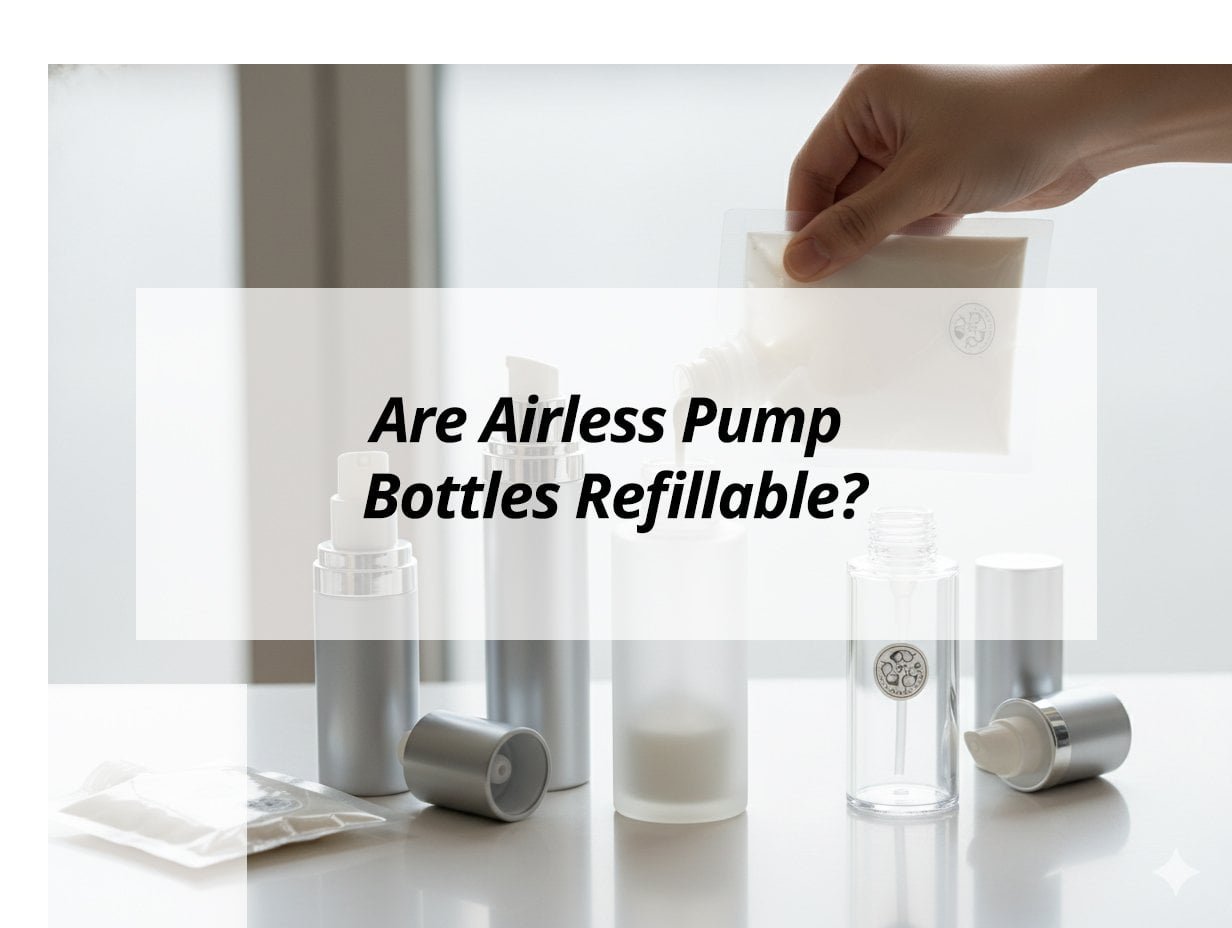
The cosmetic packaging industry sees constant innovation. Airless pump bottles are a key development. They protect sensitive formulations. A common question arises regarding their refill capabilities.
Airless pump bottles are often produced for single-use applications. However, a significant number of designs allow for refilling. The feasibility depends on the specific bottle construction and the care taken during the process. Refilling offers environmental and economic benefits. Understanding proper techniques is essential for maintaining product integrity.
Cosmetic packaging plays a crucial role in product preservation and user experience. Airless technology is designed to prevent air exposure. This extends product shelf life. It also ensures consistent dispensing. The question of refilling these specialized containers is relevant for many consumers and businesses.
Are airless pump bottles reusable?
The demand for sustainable packaging options is growing. Reusing containers is a part of this trend. Airless pump bottles appear robust and well-suited for reuse.
Many airless pump bottles are engineered for reusability. This feature is integrated into their design. Proper cleaning and sanitation are critical steps. They prevent microbial contamination. Reusing bottles correctly ensures the safety and efficacy of the contained product.
Airless bottles operate using a piston mechanism. This lifts the product without introducing air. This design protects oxygen-sensitive ingredients. It prevents product degradation. Understanding this mechanism helps in assessing reusability.
Factors for Airless Bottle Reusability
Several design elements influence whether an airless bottle can be reused effectively.
- Screw-Top Access: Bottles with screw-on tops are easier to open for cleaning and refilling.
- Modular Components: Designs that allow for easy disassembly of parts simplify the cleaning process.
- Material Durability: High-quality plastics (e.g., PP, SAN) or glass withstand repeated use and cleaning cycles better.
Benefits of Reusing Airless Bottles
Reusing airless packaging offers several advantages.
| Benefit | Description |
|---|---|
| Environmental Impact | Reduces plastic waste and conserves resources. |
| Cost Efficiency | Allows for the purchase of refill pouches or bulk product. |
| Product Protection | Maintains the airless environment if cleaned properly. |
The structural integrity of the bottle and pump mechanism must be preserved during reuse. This ensures continued performance.
How to refill a pump spray bottle?
Refilling any pump spray bottle requires a methodical approach. This process is important for maintaining hygiene and functionality.
To refill a pump spray bottle, thoroughly clean all components with mild soap and warm water. Follow with sanitization using rubbing alcohol. Allow all parts to air dry completely. Carefully transfer the new product, avoiding overfilling. Ensure the pump mechanism is clean and correctly assembled before sealing the bottle. This process helps maintain product quality and extends bottle life.
The function of a pump spray bottle is to dispense a fine mist. This requires a clear pathway for the liquid. Any residue or contamination can affect the spray pattern or clog the nozzle. Attention to detail during refilling is paramount.
Step-by-Step Refilling Procedure
A systematic approach ensures effective refilling.
- Empty Contents: Fully dispense any remaining product from the bottle.
- Disassemble: Unscrew and remove the pump head from the bottle body. If possible, separate other components like the dip tube.
- Clean Components: Wash all parts thoroughly with mild detergent and warm water. Use a small brush for hard-to-reach areas.
- Sanitize: Rinse all components with a sanitizing solution, such as 70% isopropyl alcohol. Allow contact time for disinfection.
- Dry Completely: Air dry all parts on a clean surface. Ensure no moisture remains inside, as it can contaminate new products.
- Refill: Using a funnel, carefully pour the desired product into the clean bottle. Avoid spilling.
- Reassemble: Securely reattach the pump head and any other disassembled parts. Twist firmly until sealed.
Resetting the Airless Pump Mechanism
After refilling an airless pump bottle, air can become trapped. This may prevent the pump from working. This often requires a how to reset airless pump bottle procedure.
- Prime the Pump: Depress the pump head multiple times in quick succession. This helps create a vacuum and draw the product up.
- Tap the Bottle: Gently tap the base of the bottle on a flat surface. This can help settle the product and dislodge air bubbles.
- Internal Piston Adjustment: For some designs, if the piston is visible, it might be carefully pushed down from the bottom if there is an access point, using a thin, blunt tool. This ensures proper product contact.
Correctly resetting the pump is vital for smooth operation and consistent product delivery.
How many times can I reuse a pump water bottle?
The longevity of a reusable pump water bottle is a practical concern. Its lifespan depends on several factors.
The number of reuse cycles for a pump water bottle is largely determined by its material composition and the diligence of cleaning and storage. Bottles made from durable materials can withstand numerous uses. However, inspect for wear or damage regularly. Material fatigue can eventually compromise functionality and hygiene. A general guideline suggests several reuses, given proper maintenance.
Material science dictates the resilience of packaging. Plastics can degrade over time. Exposure to cleaning agents, UV light, and physical stress contributes to this degradation. Understanding material limits is key to safe reuse.
Factors Influencing Reuse Frequency
Several aspects impact how often a bottle can be safely reused.
- Material Type: Glass and high-grade plastics (e.g., Tritan, stainless steel) offer superior durability compared to lower-grade plastics.
- Cleaning Regimen: Regular and thorough cleaning prevents buildup and microbial growth, extending usability.
- Type of Contents: Some products may leave residues that are difficult to remove, affecting subsequent uses.
- Physical Stress: Dropping, scratching, or exposure to extreme temperatures can weaken the bottle structure.
Indicators to Discontinue Reuse
Knowing when to discard a reusable bottle is important for health and safety.
| Indicator | Reason for Discontinuation |
|---|---|
| Visible Cracks/Scratches | Compromises structural integrity and can harbor bacteria. |
| Pump Malfunction | Indicates wear in the dispensing mechanism, affecting use. |
| Discoloration/Cloudiness | Suggests material degradation or embedded residue. |
| Persistent Odor | Indicates incomplete cleaning or material absorption of scents. |
| Leaking | Fails to maintain a secure seal, potentially contaminating contents. |
Regular inspection is crucial. If any of these signs appear, it is advisable to replace the bottle to ensure continued safety and effectiveness.
How to open a soap pump bottle for refill?
Soap pump bottles are common household items. Their design typically allows for straightforward refilling.
To open a standard soap pump bottle for refilling, grasp the bottle body firmly and twist the pump head assembly counter-clockwise. It will unscrew from the bottle. Once removed, you can pour new liquid soap into the container. It is advisable to clean the pump mechanism to prevent clogs. Reattach the pump head by twisting it clockwise until secure.
The ease of opening and refilling is a key feature for soap dispensers. This design facilitates routine maintenance and economical use of liquid soaps. Simplicity in design supports widespread consumer adoption.
Step-by-Step Opening Procedure
A clear sequence simplifies the refilling process for soap pump bottles.
- Stabilize the Bottle: Place the bottle on a flat, stable surface or hold it firmly in one hand.
- Unscrew the Pump Head: With your other hand, grip the pump head and turn it to the left (counter-clockwise). Apply steady pressure.
- Separate Components: Once loose, lift the pump head and its attached dip tube from the bottle.
- Add New Soap: Carefully pour the desired liquid soap into the bottle, ensuring not to overfill it.
- Clean Pump (Optional): Rinse the pump head and dip tube under running water if there is visible residue or clogging.
- Reattach: Position the pump head back onto the bottle opening. Turn it to the right (clockwise) until it is tightly secured.
Troubleshooting a Stubborn Pump Head
Occasionally, a pump head may be difficult to unscrew.
| Issue | Recommended Action |
|---|---|
| Dried Soap Adhesion | Run warm water over the threads of the pump and bottle opening to soften residue. |
| Over-tightened Seal | Use a rubber gripper or a cloth to enhance grip and leverage. |
| Cross-threading | Inspect the threads for damage. If cross-threaded, it may not open easily or seal properly again. |
Careful handling prevents damage to the bottle and pump components, ensuring continued functionality.
My Insights: Are Airless Pump Bottles Refillable?
Tired of wasting packaging? Discover if your airless pump bottle can be refilled, supporting sustainability and extending product life.
Many airless pump bottles are refillable, designed with removable tops or cartridges for easy refilling. However, not all bottles offer this feature, so it's essential to check manufacturer specifications for refillability and proper usage.
Determining the Refillability of Airless Pump Bottles
Refillable Options
- Design Features: Modern refillable bottles often have twist-off tops or removable cartridges, allowing for easy cleaning and refilling.
- Brand Communication: Products labeled as “refillable” typically provide refilling instructions on packaging or brand websites.
Non-Refillable Options
- Sealed Bottles: Some older or less expensive designs are permanently sealed and not intended for refilling.
- Indicators of Non-Refillability: Lack of removable parts or damage upon trying to open indicates non-refillable bottles.
How to Determine If Refillable
| Indicator | Description |
|---|---|
| Twist-off Tops | Can be opened easily for access and refilling |
| Removable Cartridge | Inner bottle or cartridge can be swapped |
| Brand Guidance | Brand instructions or website confirmation of refillability |
Refillable airless pump bottles promote eco-friendly practices by reducing waste and maintaining product quality, making them a popular choice in sustainable packaging lines. Always verify with the specific product details to ensure whether refilling is an option.
Conclusion
Airless pump bottles effectively protect cosmetic products. Many designs allow for successful refilling. Following proper cleaning and refilling methods is crucial. This maintains product quality and extends bottle life.