Imagine being able to contribute to environmental sustainability simply by choosing the right cosmetic bottle. Eco-friendly packaging is not just a trend; it's essential for our planet's health and our well-being.
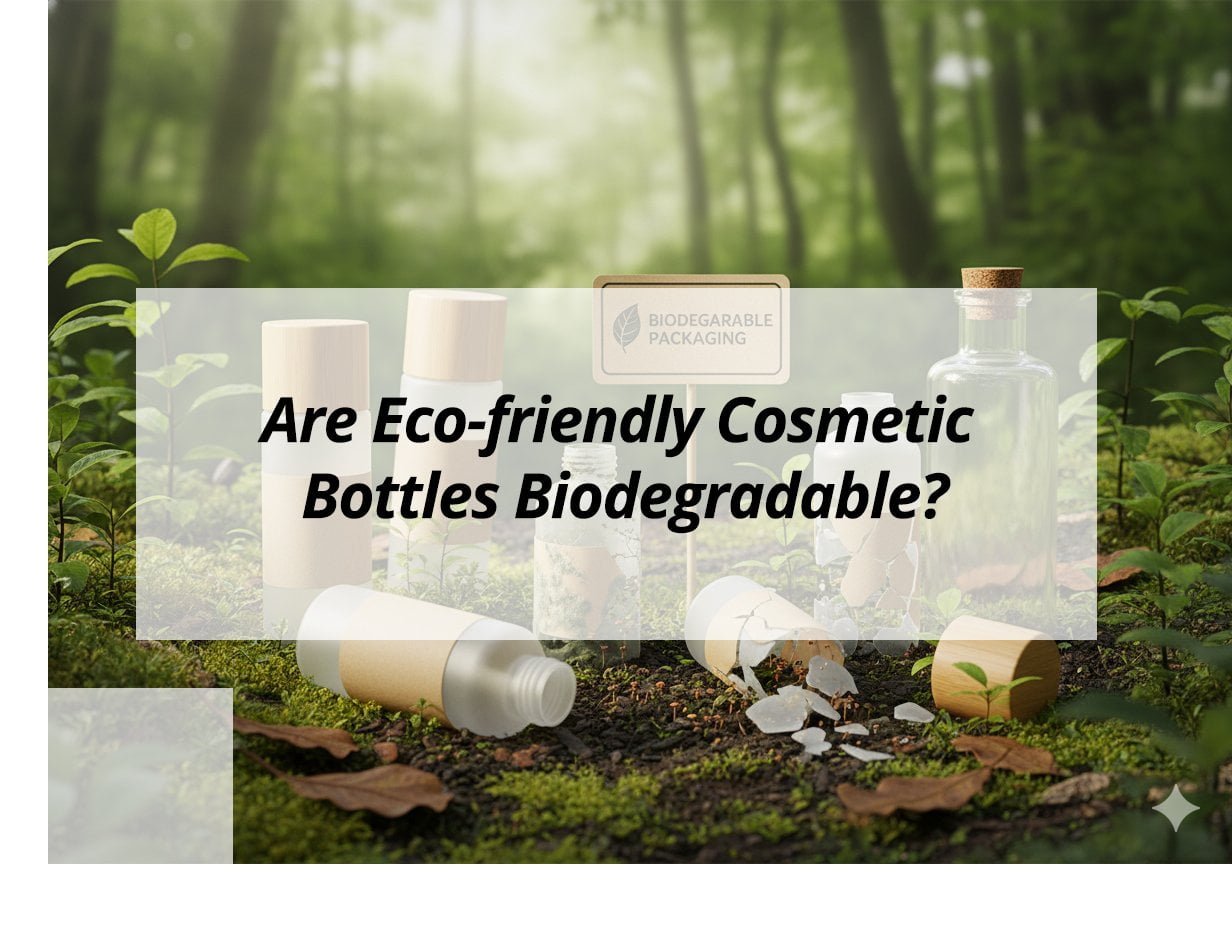
Eco-friendly cosmetic bottles are commonly designed to minimize environmental impact, but not all are biodegradable. Understanding the distinction between these terms is crucial for making informed choices that align with values and sustainability goals, ensuring you contribute positively to environmental efforts.
Selecting the right packaging not only protects the product but also supports a healthier planet. Dive in to explore how eco-friendly and biodegradable packaging can make a difference.
What is the difference between biodegradable and eco-friendly?
In the pursuit of sustainability, understanding terms like "biodegradable" versus "eco-friendly" can be challenging. These concepts are vital for reducing waste and promoting renewable packaging, yet they represent distinctive approaches.
Biodegradable packaging is designed to naturally break down into non-toxic elements. Eco-friendly, on the other hand, encompasses a more extensive range of sustainable practices1, including reducing waste, utilizing renewable resources2, and promoting recyclability without necessarily being biodegradable. Both contribute positively but require different strategies to effectively support environmental health.
Grasping these differences empowers more informed decision-making when selecting sustainable packaging options. Here's an in-depth exploration of their specific attributes:
Term Comparison
| Attribute | Biodegradable | Eco-friendly |
|---|---|---|
| Natural Breakdown | Materials decompose without harmful residue | Focuses on reducing carbon footprint, waste reduction, and recycling |
| Environmental Impact | Substantially reduces landfill waste | Often emphasizes recycled, renewable, or sustainable materials |
| Considerations | Requires specific conditions to degrade | Aims to minimize overall environmental impact |
Understanding these terms helps consumers and businesses align choices with sustainable approaches benefiting personal preferences and global ecosystems.
How to dispose of cosmetic bottles?
Proper disposal methods for cosmetic bottles3 are vital in minimizing environmental harm and promoting sustainability. Incorrect disposal often contributes to pollution and wasted resources, turning potential recyclable materials into landfill waste.
To dispose of cosmetic bottles responsibly, consider cleaning and recycling them. Many types of packaging can be repurposed creatively, while local waste management services can offer guidance for eco-friendly disposal methods. Effective disposal practices significantly contribute to environmental conservation, promoting less waste and healthier ecosystems.
Navigating disposal options requires an understanding of local guidelines and global best practices. Here's an in-depth look at environmentally sound disposal methods:
Disposal Strategies
Recycling
- Clean Thoroughly: Rinse bottles to eliminate product residues, optimizing them for recycling streams.
- Check Material Codes: Ensure compatibility with local recycling programs by checking material codes or symbols.
- Separate Components: Remove lids and pumps if necessary, based on local recycling guidelines.
Repurposing
- Creative Utilization: Repurpose bottles as storage containers, plant holders, or decorative items.
- Community Programs: Engage with community recycling initiatives or DIY recycling projects.
Waste Management
- Research Local Services: Investigate community-specific disposal services that manage waste sustainably.
- Biodegradable Routes: Utilize biodegradable solutions where possible, reducing landfill contributions.
Choosing the right disposal methods reduces waste, supports community sustainability, and reinforces personal commitment to environmental responsibilities.
What are eco-friendly bottles made of?
Eco-friendly bottles need to balance sustainability and functionality effectively. The materials selected for crafting these bottles play a crucial role in achieving eco-friendly status without compromising quality and durability.
Eco-friendly bottles are often composed of materials like recycled plastics, bamboo, and glass. These components aim to minimize environmental footprints and support circular economies. Selecting these materials ensures consumers align with environmental values and responsible consumption practices, which enhances both market appeal and sustainability.
Understanding the materials used in eco-friendly bottles helps consumers recognize their advantages and sustainability contributions. Let's delve into this topic further:
Material Characteristics
Recycled Plastics
- Renewable Focus: Reduces reliance on new plastic production, promoting waste re-usage.
- Versatility: Can be molded into various shapes and designs, providing flexibility for aesthetic and functional needs.
- Market Evolution: Continual growth in popularity due to environmental benefits and consumer demand.
Bamboo
- Resource Efficiency: Fast-growing and renewable, offering sustainable material resources.
- Biodegradability: Naturally biodegradable under appropriate conditions, making it an excellent eco-friendly option.
- Appeal: Valued for natural aesthetics, contributing positively to eco-conscious branding efforts.
Glass
- Reusability and Recycling: Easy to recycle and offers excellent reuse capabilities, reducing waste generation.
- Chemical and Taste Neutral: Provides premium quality feel and preservation of product integrity without chemical interaction.
- Sustainable Branding: Preferred for eco-conscious brands aiming to project sustainability and quality assurance.
Utilizing these materials aligns eco-friendly packaging with sustainable practices, reinforcing consumer and industry commitment to environmental stewardship.
Is a shampoo bottle biodegradable?
Considering the environmental impact of common items like shampoo bottles4 requires careful evaluation. Not all shampoo bottles are biodegradable, which presents a significant challenge in efforts to reduce environmental footprints.
Many shampoo bottles are made from conventional plastics, which do not biodegrade effectively. Opting for bottles labeled as biodegradable or crafted from eco-friendly materials can alleviate this issue. Brands and consumers must work together to choose options that lessen environmental stress and promote waste reduction.
Exploring the composition and sustainability options in shampoo bottles clarifies consumer choices and responsibilities:
Shampoo Bottle Composition
Conventional Plastics
- Common Material: Widely used in consumer markets due to cost and manufacturing ease.
- Environmental Strain: Persists in environments, contributing to plastic pollution and requiring extended time to break down.
Biodegradable Innovations
- Material Advances: New materials blended with biodegradable additives enable more sustainable options.
- Adoption Trends: Progressive increase in market preference for biodegradable options among environmentally-conscious consumers.
Consumer Considerations
- Ingredient Awareness: Choose biodegradable markings to ensure sustainable disposal.
- Brand Engagement: Support brands proactively addressing sustainability challenges through innovative packaging solutions.
Understanding and selecting biodegradable and eco-friendly options contributes significantly to reducing packaging impacts on the environment.
My insights: Understanding Biodegradability in Eco-friendly Cosmetic Bottles
Confused about whether eco-friendly cosmetic bottles are truly biodegradable? Let’s clarify what eco-friendly packaging really means.
Not all eco-friendly cosmetic bottles are biodegradable. Biodegradable options use plant-based materials like PLA, while others focus on recyclability. Proper disposal methods are essential for truly sustainable packaging solutions.
Exploring Biodegradability in Cosmetic Packaging
Biodegradable Examples:
- Materials Used: Pulp packaging, bamboo, and plant-based bioplastics such as PLA can biodegrade. These materials help reduce landfill waste, potentially breaking down in industrial composting facilities.
Non-Biodegradable Eco-Friendly Options:
- Recyclable Materials: PCR plastics like PET and HDPE, along with glass, offer sustainability through recycling rather than biodegradation. Bioplastics may need specific conditions to avoid microplastic pollution.
Key Considerations:
- Verification and Disposal: Eco-friendly claims depend on material type and disposal infrastructure. Compatibility with composting or recycling prevents contamination, aligning with trends towards refillable and mono-material designs.
| Aspect | Details |
|---|---|
| Biodegradability | Requires specific materials like PLA and composting conditions |
| Recyclability | Includes PCR plastics and glass, focusing on reuse |
| Sustainable Practices | Verify compost/recycling compatibility for effective disposal |
Understanding these factors supports informed decisions about packaging, enhancing both environmental impact and brand responsibility. Proper infrastructure ensures eco-friendly cosmetic bottles meet sustainability goals.
Conclusion
Navigating the options of eco-friendly and biodegradable packaging empowers responsible consumerism, ensuring a sustainable future in the cosmetic industry.
-
Discover sustainable practices that can enhance your business's environmental responsibility. ↩
-
Understand the significance of renewable resources in promoting sustainability and reducing waste. ↩
-
Learn the proper disposal methods for cosmetic bottles to minimize environmental harm. ↩
-
Find out about the sustainability of shampoo bottles and eco-friendly alternatives. ↩