
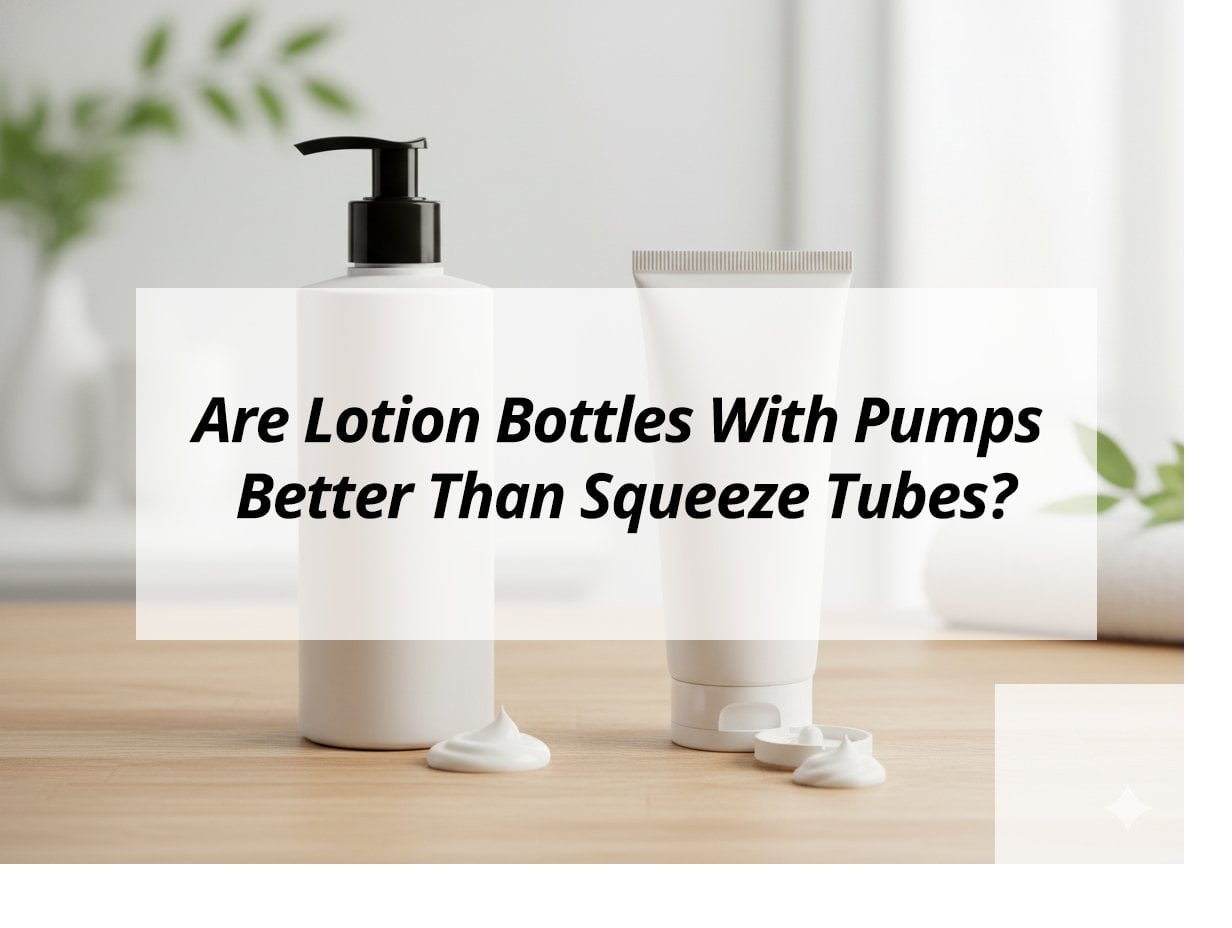
Choosing between lotion bottles with pumps and squeeze tubes can be tricky. Each has its benefits and drawbacks, which can impact your product's usability and appeal.
When you evaluate pump bottles against squeeze tubes, consider accessibility, usability, and hygiene. Pump bottles often provide more precise dispensing, reduce contamination, and offer a cleaner user experience. Squeeze tubes, however, are compact and travel-friendly. Let's explore how each packaging option serves its purpose effectively.
Choosing between pump bottles and squeeze tubes depends on individual needs, each offering unique benefits for different situations.
How to get the last bit of lotion from a pump bottle?
Running low on lotion is frustrating when the pump stops working. But there's a trick to ensure you use every last drop, avoiding waste and extra expenses.
To get every bit out of a pump bottle, unscrew the lid and pour the remaining lotion into a smaller container. You can also place the bottle upside down, letting gravity bring the lotion down. These methods maximize usage without waste.
Maximizing the use of lotion in pump bottle1s involves getting creative. By understanding how the packaging works, you can retrieve lotion that often gets stuck at the bottom. Here's a breakdown of how you can utilize every drop effectively:
Tips for Maximizing Lotion Use
-
Invert the Bottle: Place the bottle upside down when not in use. This allows the lotion to flow toward the opening naturally.
-
Add Weight to the Bottle: Lean the lotion bottle against a stable surface. This helps press down on trapped lotion, making it reachable with the pump.
-
Dilute Thick Lotion: If the lotion is too thick to flow, consider adding a small amount of water to thin it out and make pumping easier.
This approach not only saves money by using every drop but also supports sustainability by reducing waste.
What are the benefits of airless pump bottles?
The efficiency of airless pump bottles2 often goes unnoticed. They provide a perfect balance of productivity and precision, but how do they genuinely benefit the user?
Airless pump bottles maintain product integrity by minimizing exposure to air, thus extending shelf life and enhancing efficacy. They also provide a consistent output of lotion with minimal residue left. This packaging is ideal for sensitive formulas needing preservation.
Airless pump bottles offer distinctive benefits that make them a popular choice in the cosmetic industry. Let’s dive deeper into why they matter so much.
The Advantages of Airless Pump Bottles
| Aspect | Details |
|---|---|
| Product Freshness | Vacuum technology minimizes air exposure, reducing oxidation and contamination risks. |
| Consistent Dosage | Provides an exact amount each time, important for premium skincare products. |
| Sustainable Design | Limits leftover residue, encouraging full product use and reducing waste. |
| User Experience | Smooth operation requiring less effort, benefiting both young and elderly users. |
These benefits are vital for brands prioritizing quality and consumer satisfaction over aesthetics.
How do lotion pumps work?
Understanding how lotion pumps work can relieve consumer frustration and enhance their pragmatic use. Yet, many users are still in the dark about their mechanics.
Lotion pumps function through a spring-loaded mechanism. When pressed, the spring compresses, creating suction that draws the lotion into the chamber. Upon release, the lotion is dispensed, ready for application. This system ensures simple and user-friendly lotion application.
Delving into the mechanics of lotion pumps, we see a straightforward yet efficient structure:
Mechanics of Lotion Pumps
-
Pump Head: The visible part pressed to release lotion, often ergonomically designed for ease of use.
-
Interior Spring: Compresses and decompresses, controlling lotion's intake and release.
-
Dip Tube: Extends into the bottle to draw lotion up as needed.
Understanding these components and their operations help users maximize their lotion bottles’ potential without undue effort.
How to pour thick lotion into bottles?
Transferring thick lotion to bottles can be a hassle. Getting the viscous liquid into narrow openings requires some technique, whether for refilling or initial bottling.
Use a funnel to pour thick lotion into bottles. Warm the lotion slightly to improve flow and prevent clogging. If necessary, a spatula or pipe cleaner can help guide thicker lotions into bottles without making a mess.
Pouring thick lotions involves some planning. Let’s break it down into manageable steps:
Steps for Filling Bottles with Thick Lotion
- Prepare Your Space: Ensure the area is clean and stable to prevent spills.
- Heat the Lotion: Warm the lotion by placing the closed container in warm water. Make sure it’s not too hot.
- Use Tools: Employ a funnel for narrow openings or a spatula to direct lotion precisely.
- After Pouring: Tap the bottle bottom gently to settle lotion, minimizing air pockets. Close the lotion bottle tightly to maintain freshness and prevent leaks.
Taking the time to follow these steps can reduce waste and mess when handling thick lotions.
My insights: Lotion Bottles With Pumps Better Than Squeeze Tubes
Debating between lotion bottles with pumps and squeeze tubes? Discover which option best suits your skincare needs and minimizes waste.
Lotion bottles with pumps offer controlled dispensing and improved hygiene, ideal for thicker lotions, yet may lead to product waste. Squeeze tubes offer portability and full product extraction but pose higher contamination risks. The right choice depends on usage preferences and product type.
Comparing Lotion Bottles With Pumps and Squeeze Tubes
Pump Bottles Overview:
Lotion bottles with pumps provide controlled dispensing mechanisms that minimize contact with air and hands, beneficial for hygiene and reducing waste. They're most effective for thicker lotions requiring precise application. However, pumps can malfunction, clog with viscous lotions, and leave product waste at the bottom.
Squeeze Tubes Attributes:
Squeeze tubes excel in portability, making them ideal for travel-sized products. They allow full product extraction, minimizing waste, yet require more effort to dispense remaining content. This packaging risks contamination at the opening, especially when shared.
Choosing the Right Packaging:
Selecting between pumps and tubes depends largely on product viscosity, usage habits, and hygiene priorities. Travel-friendly squeeze tubes3 may appeal to consumers prioritizing portability and cost-effectiveness, while pump bottles are favored for daily use lotions needing a consistent amount and cleanliness.
| Feature | Pump Bottles | Squeeze Tubes |
|---|---|---|
| Dispensing Control | High, consistent amount | Variable, user-dependent control |
| Hygiene | Enhanced, hands-free | Lower, risk from shared use |
| Product Waste | Some waste at bottom | Full use with minimal waste |
| Best For | Thick lotions, regular usage | Travel, varied viscosities |
Considering these factors aids consumers and brands in determining the most suitable packaging, aligning with user needs and product specifications.
Conclusion
Choosing between pump bottles and squeeze tubes depends on your specific needs, considering ease of use, sustainability, and product protection. Both offer unique strengths, making them suitable for different lotions.