
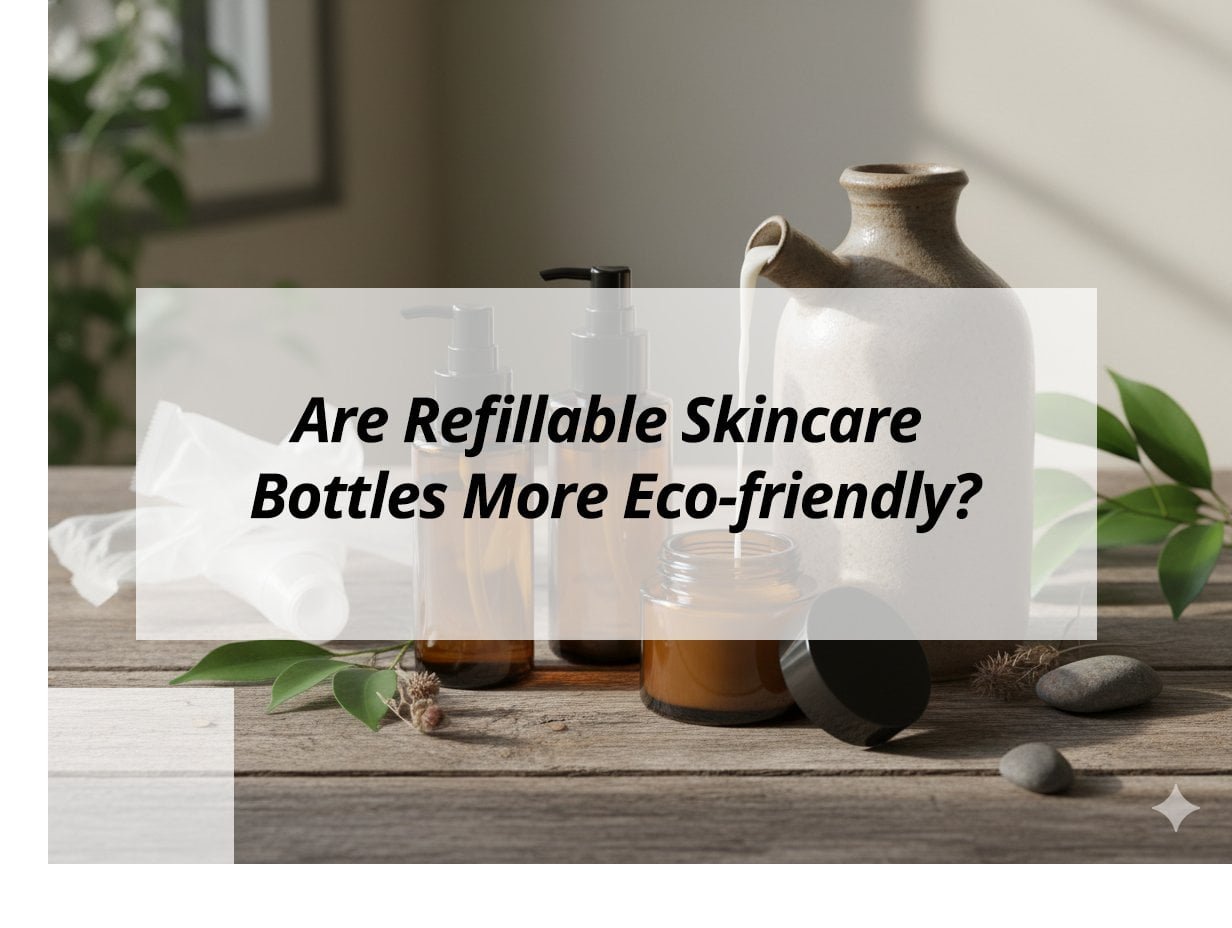
In a world increasingly focused on sustainability, the beauty industry faces scrutiny for its packaging choices. Are refillable skincare bottles a game changer or just a trendy distraction?
Refillable skincare bottles offer a sustainable choice for consumers seeking to reduce their environmental impact. By reusing containers, we decrease waste production and minimize the need for new materials. This approach not only conserves resources but also aligns with growing eco-conscious consumer demands.
Refillable bottles present both opportunities and challenges. Understanding their true environmental impact involves examining production processes, materials, and consumer habits.
Are Refill Pouches Better for the Environment?
Refill pouches are gaining popularity as a lightweight alternative to traditional packaging. But is their reduced material usage actually greener?
Refill pouches typically use less plastic than rigid containers, offering a more eco-friendly option in terms of material consumption. This reduction in plastic use can significantly decrease carbon emissions during production and transportation.
Refill pouches have advantages, but they also come with challenges. While their production uses less material, the layers and materials used in laminates can complicate recycling efforts. Thus, addressing the recycling complexity1 becomes paramount.
Comparing Refill Pouches and Traditional Bottles
| Aspect | Refill Pouches | Traditional Bottles |
|---|---|---|
| Material Usage | Less plastic | More plastic |
| Recycling Challenges | Complex laminates | Generally easier |
| Carbon Footprint | Lower during transport | Higher due to weight |
Refill pouches offer environmental benefits, but effective recycling systems are essential. Consumers also play a role by ensuring proper disposal and encouraging brands to improve packaging design. A collaborative effort among stakeholders can enhance the effectiveness of these eco-friendly options.
What is the Most Environmentally Friendly Container?
Determining the most eco-friendly container requires considering various factors. It's not just about material but also lifecycle and consumer behavior.
The most eco-friendly containers often use materials like glass, aluminum, or recycled plastics. These materials have lower environmental impact and better recycling potential. However, their benefits also depend on usage patterns and recycling infrastructure.
Different containers serve different needs. Understanding their environmental impact involves lifecycle analysis2 and consumer choices. For instance, aluminum, often praised for its infinite recyclability, must be managed carefully to remain effective.
Lifecycle Analysis of Different Containers
| Container Type | Recycling Potential | Lifecycle Impact |
|---|---|---|
| Glass | High | Energy-intensive to produce |
| Aluminum | Very high | Recyclable multiple times |
| Recycled Plastics | Medium | Lower carbon footprint |
Consumer habits significantly affect a container’s environmental impact. Proper recycling and reusing containers are crucial steps towards sustainability. By prioritizing containers with better recycling avenues, consumers can significantly reduce their environmental footprint.
What is the Most Environmentally Friendly Water Bottle?
Choosing the right water bottle involves considering materials, durability, and ease of recycling. What stands out as the greenest option?
Stainless steel and glass bottles are generally the most environmentally friendly choices. They are durable, infinitely recyclable, and often healthier for consumers. Their production might require more energy, but their long-term benefits outweigh the initial impact.
Each material has its advantages, and selecting the right one depends on lifestyle and access to recycling. While glass provides purity of taste, stainless steel offers unmatched durability.
Evaluating Water Bottle Options
- Stainless Steel: Durable and recyclable, great for long-term use.
- Glass: Offers purity of taste and is infinitely recyclable.
- Aluminum: Lightweight and recyclable but may dent easily.
The right choice also depends on individual needs and access to local recycling facilities. Prioritizing sustainable options can significantly reduce personal environmental footprints, emphasizing the importance of consumer education and accessibility.
What is the Most Eco-friendly Packaging?
Eco-friendly packaging encompasses more than just materials. It involves the entire lifecycle from production to disposal.
Biodegradable and compostable materials often come out on top for eco-friendly packaging. These options minimize long-term environmental impact, even if they require specific conditions to decompose properly.
Packaging design also plays a critical role. Thoughtful packaging can enhance sustainability by reducing waste and promoting recycling. Moving beyond traditional methods requires innovation and commitment from both brands and consumers.
Key Aspects of Eco-friendly Packaging
| Feature | Importance |
|---|---|
| Material Selection | Using biodegradable or recycled materials |
| Production Efficiency | Reducing energy and water consumption |
| Lifecycle Impact | Designing for easy recycling or composting |
Eco-friendly packaging requires collaboration between brands and consumers. Choosing wisely and recycling diligently are crucial steps toward a greener future. Awareness and education will drive the effective use of these options, bridging the gap between potential and practice.
My insights: Refillable Skincare Bottles More Eco-friendly
Worried about the environmental impact of skincare packaging? Refillable bottles offer a sustainable solution that reduces waste and lowers carbon footprints.
Refillable skincare bottles are more eco-friendly as they reduce packaging waste and carbon emissions. They encourage sustainable practices, foster brand loyalty, and promote a circular economy by minimizing resource consumption and supporting long-term environmental benefits.
Assessing the Eco-friendliness of Refillable Skincare Bottles
Environmental Benefits:
- Waste Reduction: Durable containers, such as glass, paired with lightweight refills minimize waste compared to single-use packaging.
- Carbon Footprint: Refill systems lower emissions by reducing manufacturing needs and transport impacts.
Comparison:
| Metric | Refillable System | Single-Use Packaging |
|---|---|---|
| Production Emissions | Low (one-time container) | High (repeated) |
| Transport Emissions | Lower (lighter refills) | Higher (heavier) |
| Waste Generation | Minimal | Considerable |
Limitations:
Success relies on consumer participation3 in refill programs and proper use. Though refillable systems are beneficial, they require proper recycling processes for refill pouches and rigorous cleanliness to avoid contamination. Overall, refillable skincare bottles4 contribute significantly to sustainability by promoting reusable and recyclable practices.
Conclusion
Refillable bottles and sustainable packaging choices significantly reduce environmental impact while catering to eco-conscious consumers. With informed decisions, we can drive meaningful change in the beauty industry, merging business potential with environmental consciousness.
-
Understand the recycling challenges associated with refill pouches and how to address them. ↩
-
Gain insights into how lifecycle analysis helps evaluate the environmental impact of packaging. ↩
-
Discover the role of consumer participation in the success of refill programs and sustainability. ↩
-
Explore how refillable skincare bottles contribute to waste reduction and sustainability. ↩