
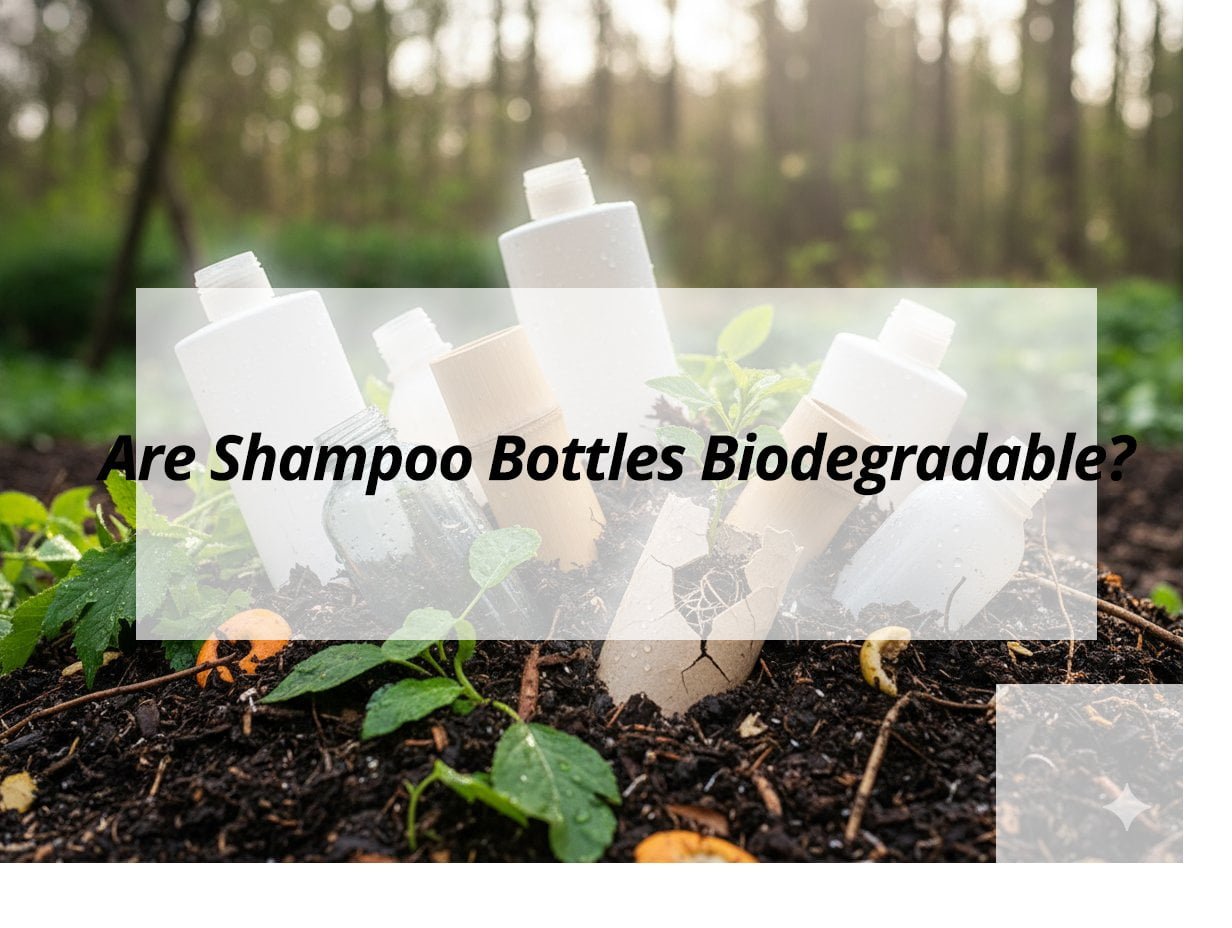
Have you ever considered the environmental impact of your daily shower routine? Specifically, what happens to the empty shampoo bottles once you are done with them?
Most shampoo bottles are made from plastics like PET or HDPE, which are not biodegradable. This means they do not naturally break down into harmless substances in the environment within a reasonable timeframe, often persisting for hundreds of years.
Understanding the lifecycle of these common household items is important. The materials used in their production and their eventual disposal have significant environmental implications that warrant a closer look.
How long does a shampoo bottle take to decompose?
Have you ever wondered about the longevity of plastic shampoo bottles in our environment? The duration it takes for them to break down is a critical environmental concern.
Most plastic shampoo bottles take an extremely long time to decompose, often exceeding 500 years in landfills or natural environments. This extended persistence is due to their composition of durable, petroleum-based plastics that resist natural decomposition processes.
The inherent durability of these plastics, while beneficial for product containment, presents a significant challenge for waste management and environmental health over extended periods. This long decomposition period contributes substantially to global plastic pollution.
What are shampoo bottles made of?
Shampoo bottles are primarily manufactured from specific types of plastic. These materials are chosen for their properties, which also dictate their decomposition characteristics.
- PET (Polyethylene Terephthalate): This plastic is frequently used for clear bottles. It offers clarity, strength, and a lightweight nature. PET is commonly recognized for its recyclability.
- HDPE (High-Density Polyethylene): This material is often selected for opaque or colored bottles. It provides durability and chemical resistance. HDPE is also a widely recycled plastic.
- PP (Polypropylene): This plastic is sometimes utilized for bottle caps or pumps. It is known for its stiffness and heat resistance.
These plastics are engineered to be robust and to protect the product effectively. Their design prioritizes stability, which inherently means they are not intended for rapid breakdown in natural settings. They resist common natural degradation agents.
Why do plastics last so long?
The extended lifespan of plastics is directly linked to their stable chemical structures. This stability, while advantageous for product use, hinders natural decomposition.
| Plastic Type | Chemical Structure | Decomposition Resistance |
|---|---|---|
| PET | Long, tightly bonded polymers | Resists breakdown by microorganisms |
| HDPE | Dense linear polymers | High stability to chemical attack |
| PP | Strong branched polymers | Highly durable, low reactivity |
Natural decomposers, such as bacteria and fungi, possess difficulty breaking the strong chemical bonds within these polymer chains. Their enzymatic systems are not typically adapted to process the complex molecular structures found in most plastics. As a result, these materials remain intact for very prolonged periods.
The impact of slow decomposition
The slow decomposition rate of plastic bottles leads to significant environmental issues. It contributes to the rapid accumulation of waste in landfills. It also results in widespread pollution across terrestrial and aquatic environments. These plastics can fragment into microplastics over time. These small particles continue to pollute. They enter ecosystems and food chains. This affects various organisms and potentially human health. The consequences are observed in diverse global ecosystems.
How do you know if shampoo is biodegradable?
Are you seeking to make environmentally conscious choices regarding personal care products? Identifying whether the shampoo itself is biodegradable is a valuable consideration.
Understanding if shampoo is biodegradable helps mitigate its environmental impact. Biodegradable shampoo signifies that its ingredients can naturally break down into harmless substances within the environment. This process prevents water contamination.
The biodegradability of product ingredients is distinct from the biodegradability of its packaging. Both aspects contribute to the overall environmental profile of a product and are important for responsible consumption.
What does "biodegradable" mean for shampoo?
For shampoo, the term "biodegradable" specifically refers to its constituent ingredients. It indicates that the surfactants and other chemical components can be broken down by microorganisms in water or soil. These microorganisms convert complex molecules into simpler ones, which are then reintegrated into natural cycles.
- Ingredient Origin: Shampoos formulated with a higher proportion of natural, plant-derived ingredients are generally more biodegradable. Synthetic chemicals can be more resistant to natural processing.
- Surfactant Types: Certain surfactants are designed to be readily biodegradable. Others may degrade more slowly or incompletely in environmental settings.
- Auxiliary Additives: Preservatives, fragrances, and dyes included in shampoo formulations can also influence its overall biodegradability profile.
When a shampoo product carries a "biodegradable" claim, it typically implies that its ingredients adhere to specific environmental standards. This means they should not cause harm to aquatic ecosystems or accumulate persistently in the environment.
How to check for biodegradability?
Determining if a shampoo is biodegradable typically involves examining product labeling and ingredient lists. Here are key indicators to look for.
| What to Look For | Significance |
|---|---|
| "Biodegradable" Label | A direct declaration, often supported by certification. |
| Ingredient Analysis | Prioritize products listing plant-based or natural components. |
| Eco-Certifications | Look for seals from recognized ecological standards (e.g., EcoCert). |
| Avoid Specific Chemicals | Minimize use of ingredients like certain sulfates (SLS, SLES) known for environmental persistence. |
Some national regulations govern the use of "biodegradable" claims. Such a label indicates that the product's ingredients have met specific testing criteria, confirming their breakdown within a defined timeframe. For instance, certain standards require a 60-90% breakdown within a 28-day period.
The importance of biodegradable shampoo
Using biodegradable shampoo contributes to the protection of aquatic ecosystems. After use, shampoo enters wastewater systems. If its ingredients are not fully biodegradable, they can persist through treatment processes. This can lead to pollution of rivers, lakes, and oceans. Such pollution can adversely affect fish populations and other aquatic organisms, disrupting ecological balance.
How many shampoo bottles end up in landfills?
Have you ever considered the immense volume of shampoo bottles discarded globally each day? This quantity represents a significant contribution to solid waste streams.
Millions of shampoo bottles enter landfills daily across the globe. Despite many of these bottles being composed of recyclable plastics, a substantial number are not recycled. This results in a vast accumulation of plastic waste that remains in landfills for centuries.
The scale of plastic packaging production is immense. A considerable portion of this output eventually becomes waste. This highlights a pervasive issue in waste management and resource utilization.
The scale of plastic waste from shampoo bottles
While precise figures for shampoo bottles in landfills are challenging to quantify, general plastic waste statistics provide context.
- Global Plastic Production Volumes: Worldwide plastic production amounts to hundreds of millions of tons annually. Packaging constitutes a large segment of this total.
- Personal Care Packaging: Products for personal care, including shampoo, form a significant part of plastic packaging consumption.
- Recycling Efficiency: Global plastic recycling rates are generally low. Many regions manage to recycle only a small fraction of their plastic waste.
In numerous regions, particularly developing economies, challenges in waste management infrastructure are prevalent. This often leads to a higher proportion of plastic waste, including shampoo bottles, being directed to landfills or accumulating in uncontrolled environments.
Why do so many bottles go to landfills?
Several factors contribute to the high rate of shampoo bottles ending up in landfills. These issues extend beyond individual consumer habits.
| Contributing Factor | Explanation |
|---|---|
| Limited Recycling Access | Many communities lack convenient or comprehensive recycling facilities. |
| Consumer Engagement | Awareness or motivation to recycle varies among individuals. |
| Plastic Type Confusion | Different types of plastic have distinct recycling guidelines, causing uncertainty. |
| Contamination Issues | Bottles containing product residue may be rejected by recycling facilities. |
| Economic Disincentives | The cost of virgin plastic can sometimes be lower than recycled materials. |
The complexities of recycling systems can hinder even well-intentioned efforts. This highlights the need for clearer instructions and more accessible recycling options for consumers.
The long-term impact on landfills
The persistent accumulation of shampoo bottles in landfills generates protracted environmental problems.
- Land Utilization: Landfills consume substantial land areas. Their continued expansion is driven by the constant influx of waste.
- Environmental Contamination: As plastics degrade slowly, they can release chemicals into the surrounding soil and groundwater. This can adversely impact local ecosystems.
- Microplastic Generation: Over extended periods, plastic items fragment into smaller pieces known as microplastics. These microplastics disperse throughout the environment, posing threats to wildlife and potentially entering human food chains.
This issue underscores the necessity for improved product design focusing on recyclability and the development of more effective waste management and recycling solutions. Developing sustainable packaging options is a key strategy for mitigating this waste.
How to dispose of shampoo bottles?
Are you seeking the most effective methods for discarding your empty shampoo bottles? Proper disposal practices are crucial for environmental protection.
The most effective method for disposing of shampoo bottles is typically through recycling. Most shampoo bottles are manufactured from plastics like PET or HDPE, which are commonly accepted in municipal recycling programs. This practice aids in reducing landfill volume and conserving natural resources.
Adopting responsible disposal methods for everyday items contributes significantly to broader environmental conservation efforts. Selecting packaging that facilitates easy recycling or reuse is an important consideration for product manufacturers.
Steps for proper recycling
Recycling shampoo bottles is a straightforward process. Following these general steps helps ensure proper processing.
- Empty Contents: Ensure the bottle is completely empty of shampoo. Rinsing the bottle with water helps remove any remaining residue.
- Remove Non-Recyclable Parts: Often, pumps and caps are made from different plastic types or contain metal springs. These should typically be removed. Local recycling guidelines should be consulted to confirm if these components are accepted.
- Identify Plastic Type: Look for the recycling symbol (a triangle of arrows) with a number inside (e.g., 1 for PET, 2 for HDPE). This identifies the plastic resin.
- Consult Local Guidelines: Recycling regulations vary significantly by region. Always check with your local waste management authority for specific instructions in your area.
Recycling protocols can differ based on geographic location. What is accepted in one country or municipality may not be in another. Awareness of local requirements is essential for effective recycling.
Alternatives to traditional disposal
Beyond conventional recycling, several alternative methods exist for managing shampoo bottles.
| Method | Description | Environmental Benefit |
|---|---|---|
| Refill Programs | Purchasing shampoo in bulk to refill existing bottles. | Reduces the need for new plastic bottle production. |
| Upcycling/Reuse | Repurposing empty bottles for storage, crafts, or other uses. | Extends the product's functional lifespan. |
| Specialized Drop-off | Certain retailers or brands offer collection points for specific packaging. | Ensures specialized recycling or responsible disposal. |
| Circular Economy Initiatives | Programs like Terracycle handle typically hard-to-recycle items. | Recycles materials often excluded from standard curbside collection. |
Creative reuse of materials is an effective way to minimize waste. Giving a discarded item a new purpose prevents it from immediately entering the waste stream. Pursuing circular economy principles, which emphasize reuse and recycling, is a valuable approach.
The role of industry and consumers
Both manufacturers and consumers have roles in promoting better disposal practices.
- Manufacturers: Companies can design packaging that is more easily recyclable or made from recycled content. Offering refillable product lines also contributes positively. Clear and accurate labeling guides consumers.
- Consumers: Making informed purchasing decisions for recyclable products is important. Adhering to local recycling guidelines helps. Supporting brands committed to sustainable practices also encourages positive change.
The collective efforts of industry and individuals are necessary to address the challenges of plastic waste effectively. This involves a commitment to sustainable choices throughout the product lifecycle.
My Insights: Are Shampoo Bottles Biodegradable?
Wondering about the environmental impact of shampoo bottles? Discover if they’re biodegradable and explore eco-friendly alternatives.
Most shampoo bottles are made from non-biodegradable plastics like PET and HDPE. However, biodegradable options made from plant-based materials or molded paper are emerging. These new solutions offer compostable packaging, while refillable containers and shampoo bars provide eco-friendly alternatives.
Understanding Shampoo Bottle Biodegradability
Traditional vs. Innovative Materials
-
Conventional Plastics: PET and HDPE bottles are recyclable but not biodegradable, contributing to long-term plastic waste.
-
Biodegradable Options: Emerging plant-based materials and molded paper offer biodegradable solutions but require specific composting conditions.
Eco-Friendly Alternatives
- Shampoo Bars: Zero packaging waste; typically wrapped in recyclable or biodegradable paper.
- Refillable Containers: Promote reuse and reduce waste.
Choosing Sustainable Packaging
| Type | Description | Environmental Impact |
|---|---|---|
| Plastic | PET, HDPE bottles | Long-lasting waste, recyclable but not biodegradable |
| Biodegradable | Plant-based, molded paper | Compostable, still less common in the market |
| Shampoo Bars | Solid, minimal paper packaging | Zero plastic waste, more consumer adoption needed |
Selecting eco-friendly packaging supports sustainability and meets consumer demand for greener solutions.
Conclusion
Most shampoo bottles are not biodegradable, taking centuries to break down in landfills. This contributes significantly to environmental pollution. Proper disposal, primarily through recycling, is crucial for mitigating this impact.