
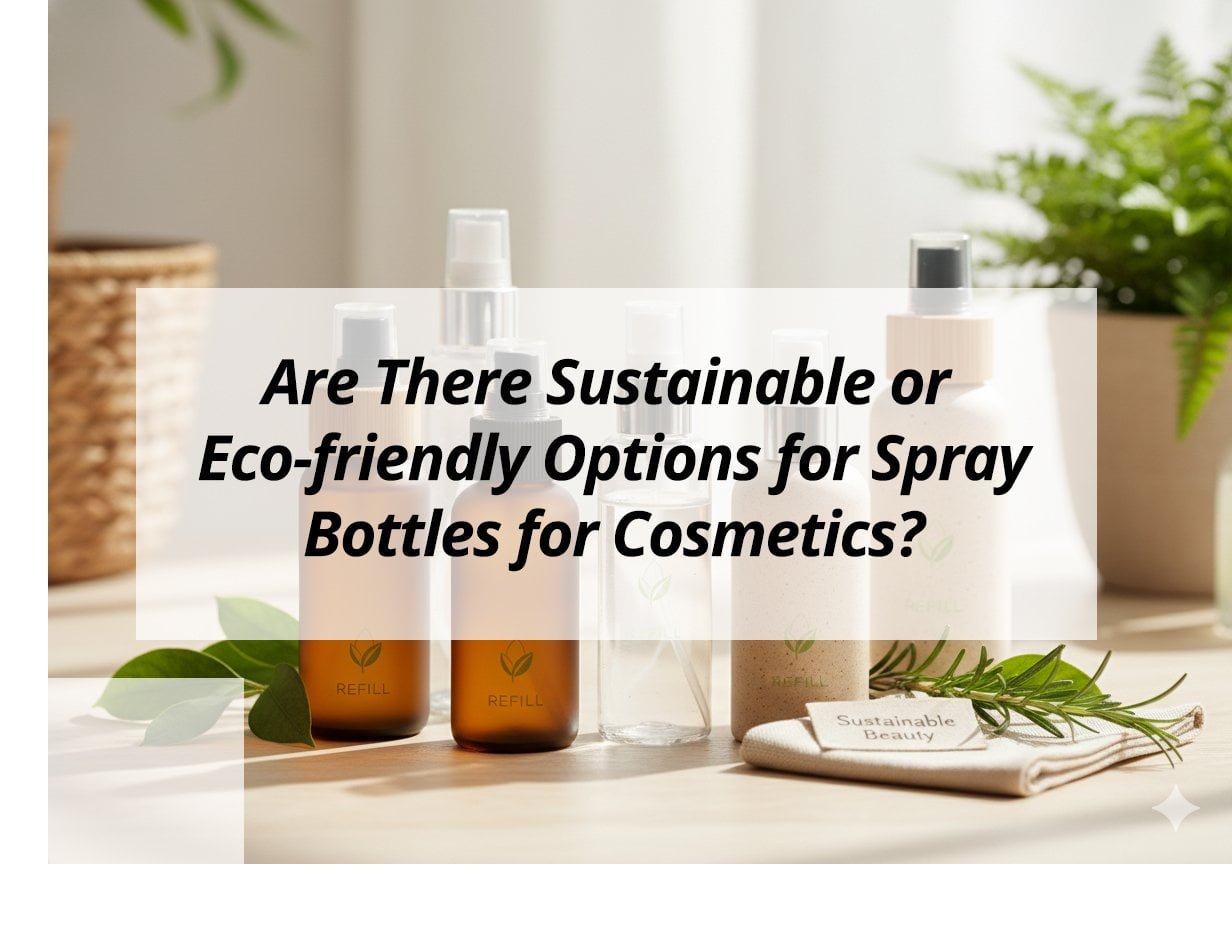
Concerned about the environmental impact of cosmetic packaging? With the rise in eco-consciousness, there's a growing demand for green packaging solutions in the cosmetic industry.
Sustainable spray bottles for cosmetics are becoming viable alternatives to traditional ones. These options often utilize recycled materials and innovative dispensing mechanisms that not only reduce waste but also promote a greener future. Integrating such solutions can significantly benefit both brands and the planet.
Intrigued by the potential of sustainable packaging? Let’s explore alternatives that can reshape your brand’s environmental impact.
What is an alternative to a spray bottle?
The use of traditional spray bottles contributes significantly to plastic waste. But what can replace these bottles effectively?
Eco-friendly alternatives1 to conventional spray bottles include refillable containers2, aluminum sprayers3, and glass dispensers4. These options significantly cut down plastic use and offer recyclability. Adopting such options allows brands to support sustainable practices, which is increasingly important to modern consumers.
Shall we explore these alternatives in more depth? Understanding these solutions helps in making environmentally conscious choices.
Exploring Sustainable Alternatives
Choosing the right alternative requires knowledge of its benefits and application.
Refillable Containers
- Advantage: Significantly reduces single-use plastic, promoting long-term usability.
- Usage: Consumer-friendly, encouraging reuse rather than repurchasing entirely new products.
Aluminum Sprayers
- Durability: Known for strength and corrosion resistance, ideal for repeated use.
- Recyclability: Aluminum is one of the most recyclable materials, enhancing its appeal.
Glass Dispensers
- Aesthetics: Offers a premium look, appealing to luxury and eco-conscious markets.
- Recyclability: Easily recyclable, contributing to waste reduction programs globally.
Plant-Based Plastics
- Sustainable: Made from renewable resources like corn starch, offering an eco-friendly solution.
- Biodegradable: Breaks down under composting conditions, reducing plastic pollution.
| Alternative | Benefits |
|---|---|
| Refillable | Promotes reuse, reduces waste |
| Aluminum Sprayers | Durable, highly recyclable |
| Glass Dispensers | Premium appeal, fully recyclable |
| Plant-Based Plastics | Renewable, biodegradable |
By understanding and choosing these alternatives, brands can significantly impact their environmental footprint positively.
Are there non-plastic spray bottles?
Plastic is heavily prevalent in cosmetic packaging. Are there viable non-plastic options?
Non-plastic spray bottles include materials such as aluminum, glass, and bamboo. These materials provide sustainable advantages like recyclability and biodegradability, making them attractive to eco-conscious consumers. These alternatives offer functionality without compromising environmental responsibility.
Let's dig deeper into these non-plastic alternatives to explore their unique benefits and applications.
Investigating Non-Plastic Options
Non-plastic options stand out for their sustainability and appeal.
Aluminum
- Advantages: Lightweight yet durable, providing a long-lasting packaging solution.
- Environmental Impact: Highly recyclable, contributing to a lower carbon footprint compared to new production.
Glass
- Advantages: Chemically inert and aesthetically pleasing, ideal for various products.
- Environmental Impact: Can be recycled indefinitely, reducing the demand for new raw materials.
Bamboo
- Advantages: Naturally biodegradable and sustainable, offers a unique look.
- Environmental Impact: Fast-growing resource, making it an excellent renewable material choice.
Stainless Steel
- Advantages: Extremely durable and resistant to corrosion, suitable for repeated use.
- Environmental Impact: Recyclable, less energy-intensive when recycled compared to primary production.
| Material | Benefits | Environmental Impact |
|---|---|---|
| Aluminum | Durable, rust-resistant | Highly recyclable, lowers carbon footprint |
| Glass | Inert, aesthetic | Infinite recyclability |
| Bamboo | Biodegradable, unique look | Rapid growth, renewable |
| Stainless Steel | Durable, corrosion-resistant | Energy-efficient recycling |
Non-plastic materials open a path to sustainability, offering viable alternatives that don’t compromise on quality.
Is a spray bottle recyclable?
Recycling is crucial in waste management. But how recyclable are spray bottles?
The recyclability of spray bottles depends on the materials used. While plastics may present challenges, glass and aluminum are highly recyclable. Enhanced recycling technologies are improving the processing of these materials, making sustainable spray bottles5 more feasible.
Want to learn more about spray bottle recyclability? Let's delve further into this topic.
Understanding Spray Bottle Recycling
Understanding the recyclability can inform better product design and environmental strategies.
Glass
- High Recycling Rate: Glass can be recycled repeatedly without quality loss, making it one of the best materials for sustainability.
- Recycling Process: Easily sorted and processed in public recycling programs, supporting a circular economy.
Aluminum
- Very High Recycling Rate: Recycling aluminum saves significant energy compared to producing new aluminum from raw materials, making it extremely beneficial environmentally.
- Closed Loop: Aluminum can be endlessly recycled, supporting sustainability.
Plastic
- Challenges: Depending on type, recyclability varies. Some types may not be accepted in all recycling programs.
- Improvements: Innovations are enhancing how we manage plastic waste, increasing the proportion that can be effectively recycled.
Compostable Packaging
- Emerging Trend: Materials made from plant fibers that decompose in composting conditions are becoming more common.
- Environmental Benefits: Reduces landfill waste, but requires specific conditions for proper breakdown.
| Material | Recycling Rate | Environmental Benefits |
|---|---|---|
| Glass | High | Endless cycles, strong waste reduction |
| Aluminum | Very high | Significant energy savings |
| Plastic | Variable | Advances in recycling technology |
| Compostable Packaging | Growing | Reduces landfill, compostable under conditions |
By understanding these recycling aspects, brands can align their packaging choices with environmental goals.
What is the most environmentally friendly packaging for liquids?
Eco-friendly packaging for liquids is critical in reducing environmental harm. What should brands consider?
The most environmentally friendly packaging for liquids includes options like glass and aluminum, known for recyclability and minimal environmental impact. Innovations like plant-based materials are also paving the way for biodegradable solutions, maintaining usability and quality across the board.
Let’s uncover more about the top eco-friendly liquid packaging options available today.
Eco-Friendly Liquid Packaging
Choosing the right packaging involves assessing material benefits and practical limitations.
Glass
- Longevity: Its long lifespan and recyclability make it ideal for sustainable practices.
- Drawbacks: Weight and fragility can increase transportation emissions, though these can be mitigated with efficient logistics.
Aluminum
- Eco-Friendly Traits: Lightweight and corrosion-resistant, contributes to lower transportation emissions.
- Drawbacks: Energy-intensive production mitigated by high recycling rates.
Plant-Based Materials
- Innovation: Derived from renewable resources, offering compostable and biodegradable possibilities.
- Challenges: Higher costs and production limitations can restrict widespread adoption, but the environmental benefits are significant.
Bioplastics
- Compostable: Breaks down in industrial composting facilities, reducing long-term waste.
- Current Limitations: Requires specific conditions not widely available everywhere, limiting practicality.
| Material | Advantages | Drawbacks |
|---|---|---|
| Glass | Recyclable, long lifespan | Heavy, fragile |
| Aluminum | Lightweight, lower emissions | High energy production |
| Plant-Based | Renewable, biodegradable | Costs, limited production |
| Bioplastics | Compostable, reduces waste | Limited compost facilities |
Determining the best eco-friendly packaging6 requires balancing advantages and challenges, helping brands drive positive environmental change.
My insights: The Sustainable or Eco-friendly Options for Spray Bottles for Cosmetics
Concerned about plastic waste from cosmetic spray bottles? Discover sustainable options that support eco-friendly practices and reduce environmental impact.
Yes, sustainable spray bottles for cosmetics are available, featuring materials like recycled plastics, glass, biodegradable PLA, and bamboo composites. These options reduce environmental impact, enhance recyclability, and support eco-conscious brands and consumers.
Exploring Sustainable Options for Cosmetic Spray Bottles
Key Materials:
Recyclable materials such as PET, PETG, HDPE, PP, and acrylic help lower environmental impact while maintaining quality for spray functions. Glass bottles, often used for UV protection, are fully recyclable and ideal for lotions and toners. Biodegradable alternatives like PLA and wheat straw plastics naturally decompose, reducing landfill waste.
Design Features:
Refillable and airless spray bottles minimize waste, allowing for nearly complete product usage. Bamboo bottles combine renewable materials with inner glass or plastic for a premium feel and reduced plastic use. Options using post-consumer recycled glass also support zero-waste initiatives.
Benefits for Cosmetics:
These sustainable bottles align with eco-conscious branding and circular economy principles. They appeal to consumers looking for genuine, green solutions without greenwashing. Customizable and low-MOQ options are available to suit various cosmetic needs, from skincare serums to mists.
Comparison Table:
| Material Type | Benefits |
|---|---|
| Recycled Plastics | Reduces waste, maintains spray quality |
| Glass | 100% recyclable, reduces plastic leaching |
| Biodegradable PLA | Breaks down naturally, reduces landfill waste |
| Bamboo Composites | Combines durability with renewable resources |
Eco-friendly spray bottles offer a compelling solution for brands aiming to minimize environmental impact while meeting consumer demand for sustainable products.
Conclusion
Sustainable spray bottles in cosmetics are innovatively addressing environmental concerns, offering solutions that emphasize recyclability and biodegradability to enhance brand responsibility.
-
Explore various eco-friendly alternatives that significantly reduce plastic waste and promote sustainability. ↩
-
Learn how refillable containers can help reduce single-use plastic and promote long-term usability. ↩
-
Discover the durability and recyclability of aluminum sprayers, making them an eco-friendly choice. ↩
-
Find out why glass dispensers are appealing for their aesthetics and recyclability. ↩
-
Discover sustainable spray bottle options that support eco-friendly practices in cosmetics. ↩
-
Learn about the best eco-friendly packaging options that minimize environmental harm. ↩