
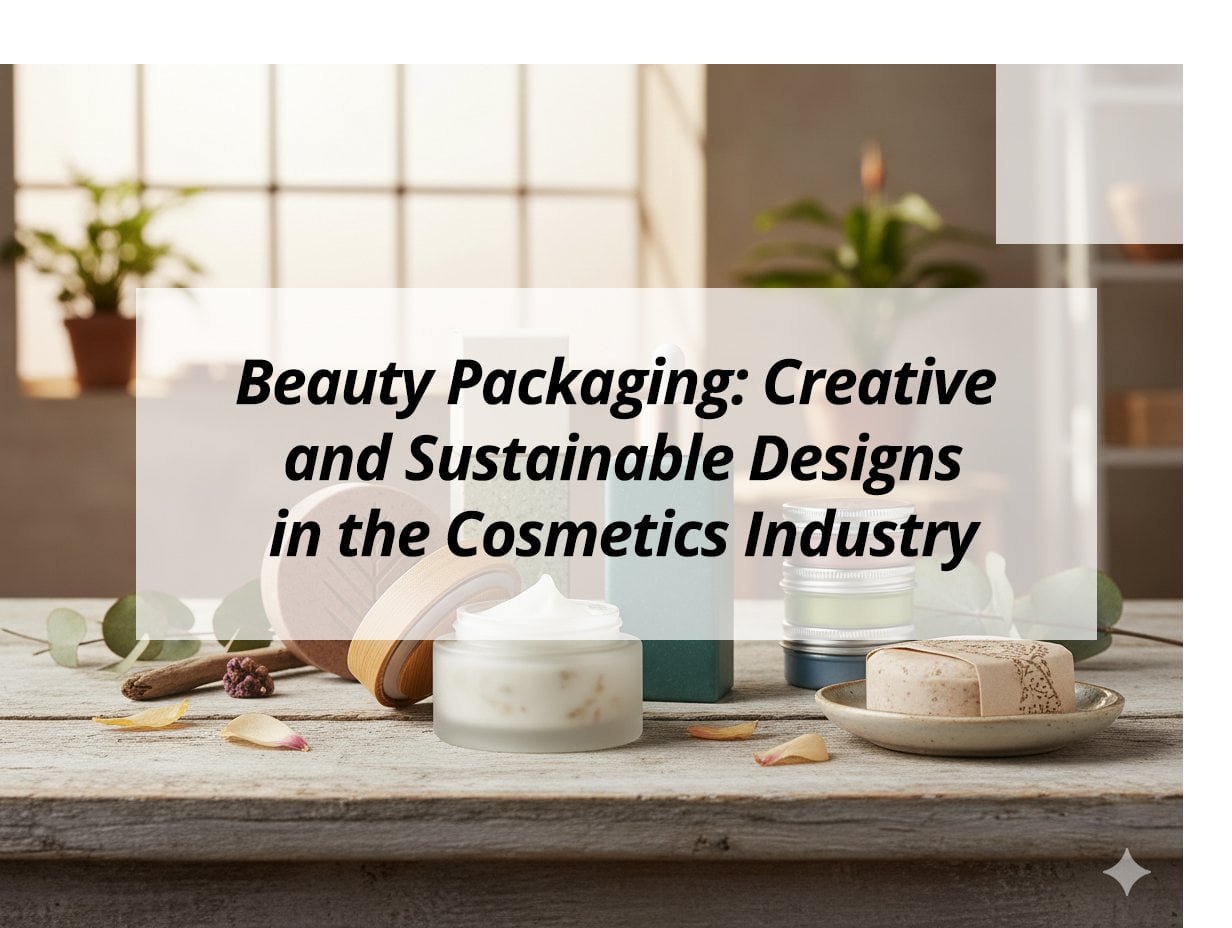
The cosmetics industry faces growing pressure. Environmental impact from packaging is a major concern. Consumers seek products with both aesthetic appeal and ecological responsibility.
Sustainable packaging involves designs and materials that minimize environmental harm. This includes using recycled, recyclable, or refillable components. Creative design integrates functionality with eco-friendliness. Such an approach reduces waste, conserves resources, and supports long-term ecological health within the beauty sector.
The evolution of cosmetic packaging reflects changing market demands. Sustainability has become a core driver alongside product protection and brand aesthetics. This article explores how packaging solutions can achieve both innovation and environmental stewardship.
What is the most sustainable cosmetic packaging?
Identifying the most sustainable cosmetic packaging is a complex task. Optimal sustainability depends on various factors throughout the product lifecycle.
The most sustainable cosmetic packaging typically utilizes widely recyclable materials such as glass or aluminum. It also features designs that enable reuse or refilling. Minimalist designs that reduce material consumption are also highly sustainable. Prioritizing materials with low environmental footprints during production and end-of-life stages is essential.
Packaging innovations are continuously emerging. Balancing functional requirements, brand identity, and environmental objectives is a constant challenge for packaging developers.
Key Characteristics of Sustainable Packaging
Sustainable packaging options share common attributes that contribute to their environmental benefits.
- Recyclability: Materials are designed to be collected and reprocessed into new products. Examples include glass, aluminum, and specific types of plastic like PET.
- Recycled Content: Packaging manufactured from post-consumer recycled (PCR) or post-industrial recycled materials. This reduces the need for virgin resources.
- Refillable Systems: Packaging engineered to be refilled by the consumer, thereby extending its lifespan and reducing the demand for new primary packaging.
- Biodegradability/Compostability: Materials capable of breaking down naturally, returning to the earth without causing lasting environmental harm. This requires appropriate composting infrastructure.
- Lightweighting: Designing packaging to use less material overall, which reduces resource consumption and transportation-related emissions.
Leading Sustainable Packaging Materials
Various materials offer distinct environmental advantages.
| Material | Sustainability Benefit | Considerations |
|---|---|---|
| Glass | Highly recyclable, chemically inert, premium perception. | Heavier weight increases transport emissions, fragile. |
| Aluminum | Infinitely recyclable, lightweight, excellent barrier. | Energy-intensive primary production, but high recycling rates. |
| Recycled Plastic (PCR) | Reduces virgin plastic demand, addresses plastic waste. | Quality and availability can vary, collection infrastructure. |
| Bamboo | Renewable, often biodegradable, distinct aesthetic. | Durability can be less than conventional materials. |
| Paper/Cardboard | Renewable, widely recyclable, lightweight. | Susceptible to moisture, often requires barrier coatings. |
The selection of the most sustainable material often involves a trade-off analysis. This considers factors from raw material extraction to end-of-life management.
What are the 5 R's of sustainable packaging?
The "5 R's" framework provides a clear guide for sustainable practices. These principles help in making conscious choices regarding packaging.
The 5 R's of sustainable packaging are: Refuse, Reduce, Reuse, Recycle, and Rot. These principles offer a structured approach to minimizing environmental impact. They encourage a shift towards a circular economy model. Adhering to these R's helps stakeholders make more responsible packaging decisions across the supply chain.
This framework can be applied to diverse packaging formats, from lipstick tubes to air cushion cases. It encourages a critical evaluation of material and design choices.
Deconstructing the 5 R's
Each 'R' represents a distinct strategy for sustainability.
- Refuse: This principle advocates against using packaging that is unnecessary or environmentally harmful. It involves declining single-use plastic components or excessive multi-layer packaging.
- Reduce: Focuses on minimizing the quantity of material used in packaging. This can involve lightweighting components or designing more compact packaging solutions.
- Reuse: Encourages the design of packaging that can be used multiple times for its original purpose. This often involves refillable systems for products like lotion bottles or cream jars.
- Recycle: Pertains to using materials that can be processed and transformed into new products. It also emphasizes ensuring that effective recycling infrastructure exists for these materials.
- Rot (Compost): Refers to using packaging materials that are biodegradable or compostable. This allows them to naturally decompose and return to the environment as nutrients, given appropriate conditions.
Implementing the 5 R's in Cosmetic Packaging
These principles have practical applications within the cosmetics sector.
| Principle | Application in Cosmetic Packaging | Environmental Outcome |
|---|---|---|
| Refuse | Avoiding non-recyclable plastic inserts in eyeshadow palettes. | Prevents problematic waste streams. |
| Reduce | Optimizing wall thickness of lip gloss tubes. | Lowers raw material consumption and shipping weight. |
| Reuse | Offering interchangeable lipstick tube casings with refillable inserts. | Extends packaging lifecycle, lessens new production. |
| Recycle | Utilizing glass jars for face creams that are widely accepted by municipal recycling. | Recaptures resources, reduces landfill burden. |
| Rot | Incorporating compostable secondary packaging made from plant fibers. | Enriches soil, mitigates long-term pollution. |
These strategies are interconnected. Implementing one often supports another, leading to a more comprehensive sustainable packaging approach.
What are the 7 R's of sustainable packaging?
Building upon the foundational 5 R's, some frameworks extend the principles to seven. These additions offer a more exhaustive perspective on sustainability.
The 7 R's of sustainable packaging commonly include: Rethink, Refuse, Reduce, Reuse, Repair, Recycle, and Rot. The expanded framework introduces "Rethink" to challenge initial design assumptions and "Repair" to extend product and packaging lifespan. This comprehensive approach aims for maximum resource efficiency and minimal environmental footprint throughout the entire product system.
A broader scope for sustainability considerations allows for more innovative and impactful solutions. It moves beyond just end-of-life management to encompass upstream design choices.
The Expanded R's: Rethink and Repair
These two additional principles add depth to the sustainability discussion.
- Rethink: This 'R' encourages a fundamental re-evaluation of product and packaging design from the outset. It prompts questions like: Is this packaging truly necessary? Can its function be achieved with radically different, more sustainable means? For example, rethinking if an elaborate secondary carton is essential for a simple mascara.
- Repair: While often applied to durable goods, the principle of repair can extend to certain packaging components. If a high-value dispensing mechanism or a durable casing can be repaired rather than discarded, it reduces waste. This is particularly relevant for premium, complex packaging.
The Full 7 R's Framework
Each principle contributes to a more robust sustainable strategy.
| Principle | Core Focus | Significance for Sustainability |
|---|---|---|
| Rethink | Foundational design philosophy and necessity. | Drives innovation and prevents inherent wastefulness. |
| Refuse | Avoiding environmentally detrimental materials. | Prevents the introduction of problematic substances. |
| Reduce | Minimizing material volume and packaging footprint. | Conserves raw materials and energy. |
| Reuse | Designing for multiple consumer uses or refill cycles. | Maximizes resource utilization, decreases production demand. |
| Repair | Enabling functionality restoration of components. | Extends lifecycle of durable packaging parts. |
| Recycle | Facilitating material recovery and reintroduction. | Creates a closed-loop system for valuable resources. |
| Rot (Compost) | Employing biodegradable materials for natural decomposition. | Reduces landfill burden, returns nutrients to the ecosystem. |
These principles guide a comprehensive strategy that spans the entire value chain. This supports sustainable development within the beauty industry.
What is sustainability in the beauty industry?
Sustainability within the beauty industry encompasses a broad range of practices. It extends far beyond merely packaging. It integrates environmental, social, and economic considerations.
Sustainability in the beauty industry refers to conducting business in a way that meets present needs without compromising future generations' ability to meet their own. This involves environmentally responsible ingredient sourcing, ethical manufacturing processes, waste reduction, and fair labor practices. Packaging is a crucial and highly visible element, but it is part of a larger, systemic commitment.
This holistic view acknowledges the interconnectedness of various business operations with global well-being. It represents a shift towards more responsible corporate citizenship.
Pillars of Sustainability in the Beauty Sector
Key areas define a brand's commitment to sustainability.
- Environmental Stewardship:
- Resource Conservation: Efficient use of water, energy, and raw materials in all operations.
- Pollution Prevention: Minimizing emissions, wastewater, and hazardous byproducts from manufacturing.
- Ecosystem Protection: Sourcing ingredients that do not contribute to deforestation, habitat destruction, or depletion of natural resources.
- Climate Action: Reducing greenhouse gas emissions across the supply chain to combat climate change.
- Social Responsibility:
- Ethical Sourcing: Ensuring ingredients are sourced from suppliers who adhere to fair trade and human rights standards.
- Fair Labor: Providing safe working conditions, fair wages, and equitable treatment for all employees.
- Community Engagement: Contributing positively to the communities where businesses operate or source materials.
- Product Safety & Transparency: Ensuring products are safe and providing clear, honest information to consumers.
- Economic Viability (Sustainable Business Models):
- Long-Term Resilience: Building business practices that are durable and can adapt to future environmental and social changes.
- Circular Economy Principles: Designing products and packaging to maximize resource recovery and minimize waste.
- Innovation for Sustainability: Investing in research and development for sustainable ingredients, formulations, and packaging.
Practical Applications in Beauty Brands
Numerous examples showcase sustainability efforts in action.
| Aspect | Example | Broader Impact |
|---|---|---|
| Sustainable Sourcing | Using organically farmed or wild-harvested plant extracts. | Reduces pesticide use, supports biodiversity. |
| Eco-Conscious Manufacturing | Operating production facilities powered by solar energy. | Significantly lowers operational carbon footprint. |
| Packaging Innovation | Developing refillable airless pump bottles or compostable mascara tubes. | Decreases packaging waste, encourages consumer participation. |
| Ethical Supply Chains | Partnering with co-ops that provide fair wages to ingredient farmers. | Improves livelihoods, promotes social equity. |
Sustainability is an ongoing journey. It requires continuous improvement and adaptation to new knowledge and technologies.
My Insights: Beauty Packaging: Creative and Sustainable Designs in the Cosmetics Industry
Seeking innovative ways to boost eco-friendliness in beauty packaging? Discover creative, sustainable designs that align with environmental goals and consumer preferences.
Beauty packaging is evolving with recyclable, refillable, and biodegradable designs. Incorporating minimalist and innovative materials like PCR plastics, glass, and bamboo enhances sustainability and attracts eco-conscious consumers. Brands are embracing modular and upcycled designs for a lasting impact.
Innovative Trends in Sustainable Beauty Packaging
Key Sustainability Trends
- Refillable Systems: Durable outer shells combined with inner cartridges are expanding in skincare and perfume, reducing packaging waste.
- Recycled Materials: PCR plastics, glass, and mono-material components simplify recycling and minimize virgin plastic usage.
Creative Design Directions
- Luxury Meets Eco: High-end brands use unique forms and reusable shells, showcasing status while promoting sustainability.
- Story-Driven Materials: Upcycled content connects brand stories to physical packaging, enhancing consumer engagement.
Notable Examples
| Brand / Concept | Design Idea | Sustainability Angle |
|---|---|---|
| Lush | Unpackaged solids and take-back systems | Avoided plastic waste, promoting recirculation. |
| Ace of Air | Reusable containers with ecosystem management | Circular system cuts environmental impact by about 70%. |
Consumer and Regulatory Signals
Consumers are increasingly favoring brands with clear sustainability credentials. Regulatory targets emphasize refillable and recyclable packaging, predicting significant reductions in emissions. Beauty brands must innovate sustainable packaging to meet these expectations and drive lasting change.
Conclusion
Sustainable and creative beauty packaging is a vital industry goal. It involves careful material selection and innovative designs. Frameworks like the 5 R's and 7 R's guide these efforts. This holistic approach helps build a responsible and forward-thinking beauty industry.