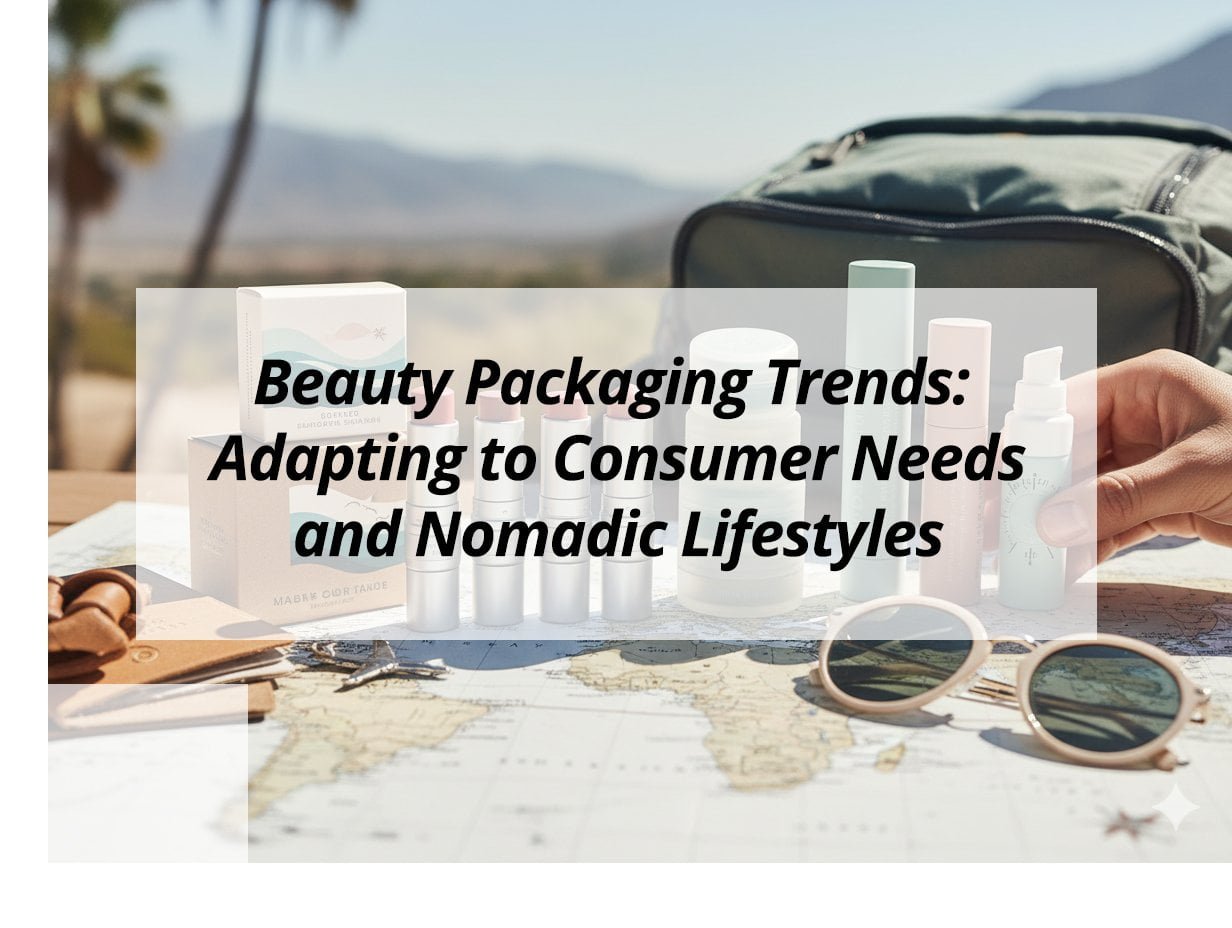
Consumers are moving faster than ever, and heavy, fragile packaging is getting left behind. Is your brand adapting to these changes, or are you losing sales to more agile competitors?
Modern packaging trends focus on portability, durability, and multifunctionality to suit nomadic lifestyles. Consumers demand travel-friendly sizes, airless pump systems, and shatterproof materials like heavy-wall PET. Brands must prioritize leak-proof designs and minimalist aesthetics to satisfy the need for convenience without sacrificing quality.
Many brands struggle to balance luxury with practicality. I see this often in the industry when buyers try to choose between a premium look and a functional design. You do not have to choose one or the other. Let’s explore the specific trends that are reshaping the market right now and how you can use them.
What are the beauty packaging trends?
Old designs fail to capture the modern traveler. To stay relevant, you must understand the shift toward materials that offer both resilience and style.
The top trends include sustainable materials, minimalist designs, and smart packaging1. Buyers prefer PCR plastics and refillable systems that reduce waste. Lightweight, durable solutions that withstand travel are becoming the standard for cosmetic brands targeting active consumers.
In the manufacturing world, I observe a significant shift toward "Skinimalism" and the nomadic lifestyle. This concept means consumers want to do more with less. They travel for work, go to the gym, and move between cities. They cannot carry heavy glass jars that might break in a suitcase. They need lightweight, durable solutions that still feel expensive.
Portability Over Bulk
The "nomad" customer values space. Heavy glass is traditional, but it is not practical for today's lifestyle. High-quality plastics, such as heavy-wall PET and ABS, are replacing glass. These materials offer the transparency and shine of glass but are shatterproof and much lighter. This lowers shipping costs for you and prevents breakage for the customer.
Sustainability and Refills
Sustainability is now a requirement, not just a bonus. Refillable packaging is a major trend. A consumer buys a high-quality outer case once, such as a lipstick tube or a cream jar, and then only purchases the inner refill. This reduces plastic waste and appeals to eco-conscious buyers. It also builds brand loyalty because the customer must come back to you for the refill.
Here is a comparison of materials based on modern needs:
| Material Type | Durability | Travel-Friendliness | Best Application |
|---|---|---|---|
| Glass | Low (Breaks easily) | Low (Heavy) | High-end Perfumes, Serums |
| Heavy-Wall PET | High (Shatterproof) | High (Lightweight) | Toners, Lotions, Creams |
| Airless PP/AS | High | Very High (Leak-proof) | Anti-aging Creams, Foundations |
| Squeeze Tubes | Very High | Maximum | Hand Creams, Gels, Cleansers |
You must select packaging that fits a busy lifestyle. If a product is easy to carry and does not break, the customer will prefer it over a competitor's heavy jar.
Which is the most recent new trend in packaging and labeling?
Confusing labels create distrust and cause customers to walk away. You need clarity and innovation to win their confidence immediately.
The newest trend is "Clean Labeling" combined with smart technology. Brands use concise text to highlight key ingredients and QR codes for transparency. This approach builds trust and allows consumers to instantly verify safety and authenticity.
As a supplier, I provide the physical container, but the artwork you apply is what sells the product. The current aesthetic is "Quiet Luxury." This means using simple fonts, plenty of white space, and avoiding clutter.
The Power of "Clean" Aesthetics
Modern consumers are educated. They scan the shelf and look for specific ingredients like "Vitamin C" or "Hyaluronic Acid." Your packaging should highlight these words. Do not hide them in a wall of text. A clean design suggests that the formula inside is pure and effective. Simple, matte finishes on tubes and bottles also convey a sense of premium quality without being loud.
Smart Packaging for Transparency
Trust is a major issue in the global market. Customers in many regions worry about counterfeit products or unsafe ingredients. Smart packaging solves this.
- QR Codes: A simple code on the back of a bottle can lead to a website showing the sourcing of ingredients.
- NFC Tags: Some high-end brands use chips that interact with phones to prove authenticity.
This technology is especially useful for OEM brands. It allows you to tell a story that does not fit on a small label. You can show a video of the manufacturing process or a tutorial on how to use the product.
Tactile Finishes
Visuals are important, but touch is critical. A "Soft Touch" coating on a bottle makes it feel like velvet. This tactile experience creates an emotional connection. When a customer picks up a product that feels good, they perceive it as higher value.
- Key Labeling Trends:
- Minimalist Typography: Sans-serif fonts that are easy to read.
- Pastel and Earth Tones: Colors that suggest nature and calm.
- Ingredient Highlighting: Large font for the main active ingredient.
- Eco-Labels: Clear icons showing the package is recyclable.
How does packaging influence consumer buying behavior?
A poor container ruins even the best product. If your packaging looks cheap or malfunctions, customers will assume the formula inside is also low quality.
Packaging is the primary indicator of value. High-quality materials signal luxury, while functional designs like airless pumps ensure usability. If a package is durable and aesthetically pleasing, it builds trust and encourages repeat purchases.
I have seen businesses fail simply because they cut corners on the container. They invest heavily in the cream but put it in a cheap plastic jar. This is a critical mistake.
The Psychology of Touch and Weight
In this industry, "weight equals value." A light, flimsy bottle feels cheap. A heavy, solid bottle feels expensive. This is why double-wall jars and thick-walled tubes are popular. They add necessary bulk without using fragile glass. When a buyer picks up a heavy-wall PET bottle, their brain immediately categorizes it as a premium item. This justifies a higher price point.
Functionality Drives Loyalty
The nomadic lifestyle demands reliability. A leaking bottle in a suitcase is a disaster. If your pump jams or your cap comes loose, you lose that customer forever.
- Airless Systems: These are essential for high-performance skincare. They prevent air from degrading the formula and ensure the customer gets every last drop.
- Secure Closures: Snap-on caps and screw tops must be engineered precisely. A satisfying "click" sound when closing a lipstick gives the user confidence.
Visual Consistency
Your packaging is your silent salesman. If you sell a range of products, they must look like a family. Consistent color matching across different materials (like matching a plastic tube with an acrylic jar) is difficult but necessary. Professional manufacturers use Pantone matching to ensure the brand color is identical across all items.
| Packaging Flaw | Consumer Perception | Business Consequence |
|---|---|---|
| Loose Cap | "It will spill in my bag." | Lost Sale |
| Faded Text | "Is this old or fake?" | Mistrust |
| Jamming Pump | "This is frustrating to use." | Negative Review |
| Cheap Plastic | "The product inside is low quality." | Lower Brand Value |
What is the fastest growing beauty industry?
Investing in the wrong sector wastes time and capital. You need to identify where the real growth is happening to maximize your returns.
Skincare is the fastest-growing sector, particularly dermocosmetics and anti-aging products. This drives demand for airless bottles2 and clinical-looking jars. Men's grooming is also rising, requiring bold, simple, and functional packaging solutions.
While makeup remains strong, skincare is currently the dominant force. The demand is shifting towards products that offer health benefits, and the packaging must reflect this "medical" or "scientific" grade quality.
The Skincare and Anti-Aging Boom
Consumers are investing in their long-term skin health. They buy expensive serums and creams containing active ingredients like Retinol and Vitamin C. These ingredients are unstable. They react to air and light.
- The Solution: You must use Airless Bottles or Dark/Opaque Containers.
- The Benefit: Using airless packaging allows you to market your product as "potency preserved." It protects the investment of the consumer. This is a strong selling point for B2B buyers looking to create a high-end line.
The Expansion of Men’s Grooming
Men are becoming a massive market segment. However, their packaging preferences differ from women's. They generally prefer:
- Simplicity: Minimal text and straightforward usage instructions.
- Colors: Dark blues, blacks, greys, and matte finishes.
- Function: Multi-functional products (e.g., face and eye cream in one).
- Shapes: Square or cylindrical shapes that feel solid and masculine.
The "Dermocosmetic" Look
There is a growing trend for products that look like they come from a pharmacy or a lab. This is called "Dermocosmetics." The packaging is usually white, very clean, and often uses dropper bottles or clinical tubes.
- Dropper Bottles: These are excellent for serums. They allow precise dosage and look professional.
- Tottle Tubes: These are great for sunscreens, which are essential in hot climates. They are durable, portable, and easy to squeeze.
If you are sourcing packaging now, I recommend focusing on these high-growth areas. Secure a supply of high-quality airless bottles and dropper sets. These items have the highest demand and offer the best protection for modern formulas.
My Insights: Navigating Beauty Packaging Trends for Modern Lifestyles
Struggling to keep up with beauty packaging that meets nomadic and eco-conscious needs? Explore trends balancing portability and sustainability for today's consumers.
Beauty packaging is evolving to support nomadic lifestyles with lightweight and compact designs, refillable options, and eco-friendly materials. Brands are prioritizing portability while reducing waste, meeting consumer demands for convenience and sustainability.
Adapting Beauty Packaging to Consumer and Lifestyle Needs
Sustainability Drivers:
-
Refillable Systems: With refillable makeup sales growing significantly, brands are reducing waste and aligning with eco-conscious values.
-
Novel Materials: Innovations like mushroom-based mycelium and dissolvable films cater to Gen Z’s preference for rapidly decomposing, plastic-free solutions.
Portable Innovations:
-
Compact Designs: Nomadic lifestyles drive demand for ergonomic, small-sized products like lip balm phone cases and perfume lockets.
-
Convenience Features: Minimalist tubes and pouches are perfect for travel, minimizing bulk without sacrificing functionality.
Key Examples:
| Brand | Innovation |
|---|---|
| Fenty Skin | Mono-material designs for reduced impact |
| Haeckels | Mycelium packaging breaking down in 45 days |
| Chanel | Plant-based biodegradable lids |
Future Outlook:
Expect the rise of smart packaging with QR codes and next-gen materials, aligning with zero-waste and convenient consumer preferences. Brands investing in sustainable solutions are leading the shift towards a more responsible beauty industry.
Conclusion
Beauty packaging is shifting toward durable, travel-friendly, and transparent designs. Adopting airless systems and clear labeling helps you meet modern consumer demands and secures your place in the market.