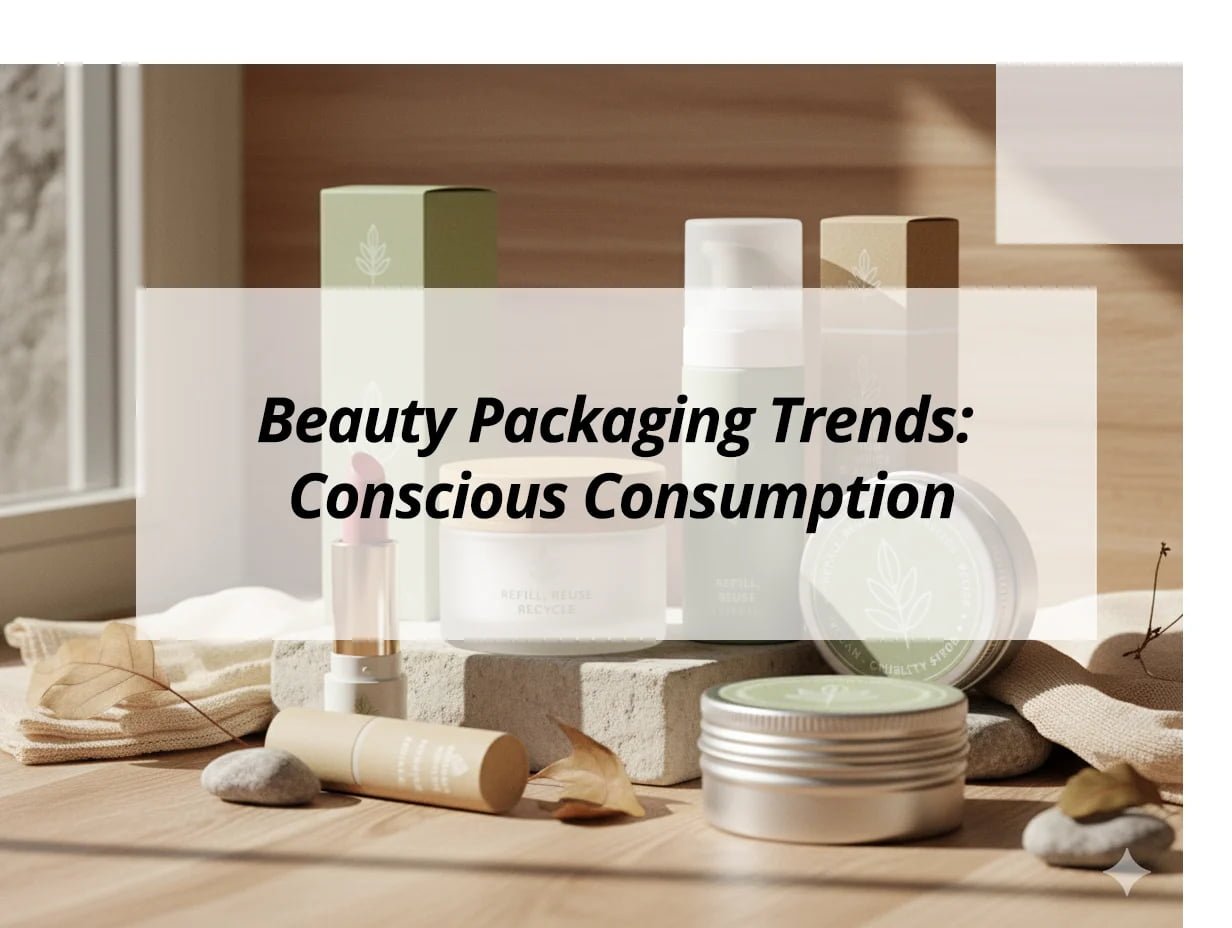
Many beauty brands face challenges in sustainable practices. Packaging that lacks conscious design risks alienating eco-aware consumers.
Leading beauty packaging trends for conscious consumption involve prioritizing sustainability, transparency, and consumer connection. Brands should focus on eco-friendly materials, refillable systems, and clear communication. This helps build trust and appeals to a growing market of responsible buyers.
Navigating new packaging options can be difficult. However, by breaking down current trends, a clear path becomes visible. This guide explores how beauty brands can master conscious consumption in their packaging strategy.
What is the Trend in Beauty Packaging?
Many brands continue with traditional packaging methods. Failing to follow new trends may result in products appearing outdated.
Modern beauty packaging trends focus on sustainability, personalization, and interactive designs. Brands are using eco-friendly materials and smart technologies. These changes make products more appealing to today's consumers.
This section details the specific shifts defining beauty packaging today. This information helps ensure brands stay current and attractive.
Sustainability as a Core Principle
Sustainability is now central to beauty packaging. Consumers expect brands to show care for the environment. This means using materials that have a lower impact.
| Trend Feature | Description | Impact on Brands |
|---|---|---|
| Recycled Content | Using plastics and glass made from post-consumer waste. | Reduces demand for new raw materials. |
| Biodegradable Options | Materials that break down naturally. | Decreases landfill waste. |
| Refillable Systems | Packaging designed to be refilled, reducing single-use waste. | Builds customer loyalty, lowers long-term costs. |
| Mono-material Design | Using only one type of material for easier recycling. | Simplifies recycling processes for consumers. |
This shift is more than a trend; it is a standard. Brands must integrate sustainable practices at every step. This includes material choice and end-of-life options.
The Rise of Minimalism and Simplicity
Simple designs are gaining popularity. Brands are choosing clean aesthetics over complex ones.
- Clean Lines: Packaging features clear shapes and smooth surfaces. This gives a modern and refined look.
- Reduced Graphics: Fewer images and text on the packaging. This makes the product stand out more.
- Neutral Colors: Soft, natural tones are often used. These colors suggest purity and sophistication.
Minimalism helps convey a sense of calm and quality. It also often uses less material, which fits with sustainability goals.
Personalization and Customization
Consumers want products that feel unique to them. Packaging that offers personalization is becoming common.
- Tailored Designs: Allowing buyers to add personal touches, like names or special messages.
- Limited Editions: Unique packaging created for specific events or seasons. These items create a feeling of exclusivity.
- Digital Printing: Technology that makes small, custom batches cost-effective.
Personalization builds a stronger bond between the brand and the consumer. It makes the purchase feel more special.
Smart Packaging Innovations
Technology is changing how packaging works. Smart packaging adds new functions and value.
- QR Codes: Scannable codes provide product details or usage guides. This connects physical products to digital content.
- RFID Tags: Used for tracking products in the supply chain. This helps with inventory and authenticity.
- AR Experiences: Augmented reality features through a phone app. This offers interactive brand stories.
Smart packaging enhances consumer engagement. It also provides important data and improves supply chain management.
What is the Conscious Consumption Trend?
Many businesses do not fully grasp the concept of conscious consumption. Failing to understand this trend may prevent brands from connecting with today's mindful consumers.
Conscious consumption means buying based on ethical, social, and environmental values. Consumers choose brands that align with their beliefs. They look for transparency, sustainability, and fair practices.
This section explores what conscious consumption truly means for brands. This understanding will help shape packaging strategies.
Ethical Sourcing and Production
Consumers care about product origins. They want ingredients sourced ethically.
- Fair Labor: Ensuring workers in the supply chain are treated justly. This includes fair wages and safe conditions.
- Cruelty-Free: Products not tested on animals. This is a key concern for many beauty buyers.
- Sustainable Ingredients: Sourcing ingredients that do not harm the environment. This means considering biodiversity and resource depletion.
Brands that highlight their ethical practices build trust. This message can be communicated through packaging.
Environmental Impact Reduction
Minimizing harm to the planet is a major part of conscious consumption. Consumers seek brands that prioritize this.
- Reduced Waste: Efforts to cut down on packaging material and product waste.
- Carbon Footprint: Brands working to lower their environmental impact from production to delivery.
- Water Conservation: Using less water in manufacturing processes.
Communicating these efforts clearly on packaging helps consumers make informed choices. This shows a brand's commitment to the planet.
Transparency and Traceability
Consumers want to know the full story behind a product. Transparency builds strong relationships.
- Clear Labeling: Providing easy-to-understand information about ingredients and packaging materials.
- Supply Chain Visibility: Showing consumers where and how products are made. This builds trust.
- Certifications: Third-party certifications (e.g., organic, fair trade) provide independent verification.
Packaging can be a powerful tool for transparency. It gives consumers the information they need to feel confident in their purchase.
Health and Wellness Focus
Conscious consumers often prioritize their well-being. This extends to the products they use on their bodies.
- "Clean" Formulations: Products free from certain chemicals often viewed as harmful.
- Natural Ingredients: Emphasis on plant-derived and minimally processed components.
- Allergen Awareness: Clear labeling for common allergens to help sensitive consumers.
Packaging that clearly highlights these health-focused aspects can attract a significant consumer base.
What Are the 4 C's of Packaging?
Many overlook core packaging principles. Failing to consider the 4 C's may result in packaging that does not meet essential requirements for success.
The 4 C's of packaging are: Containment, Protection, Convenience, and Communication. These principles guide effective package design. They ensure packaging fulfills its basic functions and connects with consumers.
This section breaks down each of these 4 C's. Understanding them helps create packaging that is functional and appealing.
Containment
Containment is the basic function of packaging. It holds the product inside.
- Product Fit: The package must fit the product correctly. This prevents movement and damage.
- Material Suitability: The material must suit the product. For liquids, it must be leak-proof. For powders, it must prevent spills.
- Shape and Size: The package shape and size affect how much product it can hold. This also impacts storage and transport.
Effective containment ensures the product stays safe and intact until it reaches the consumer. This is the first step in good packaging design.
Protection
Protection keeps the product safe from harm. This includes physical, chemical, and environmental damage.
- Physical Protection: Guards against drops, impacts, and vibrations. This prevents breakage or crushing.
- Chemical Protection: Prevents reactions between the product and the package material. This maintains product integrity.
- Environmental Protection: Shields from light, moisture, oxygen, and temperature changes. This extends shelf life.
- Tamper Evidence: Features that show if a package has been opened before. This assures safety.
Good protection ensures the product arrives in perfect condition. This maintains quality and consumer trust.
Convenience
Convenience makes packaging easy to use for consumers. This covers every interaction.
- Ease of Opening: Packaging should be simple to open without tools. Frustrating packaging can deter buyers.
- Ease of Use: How easy is it to dispense or apply the product? Pump dispensers or squeezable tubes add convenience.
- Portability: Is the product easy to carry? Travel-sized options are popular for this reason.
- Resealability: Can the package be closed again easily? This helps preserve the product after initial use.
Convenient packaging enhances the user experience. It makes the product more enjoyable and practical.
Communication
Communication means the packaging tells the consumer important information. It speaks for the brand.
- Product Information: Clearly lists ingredients, usage instructions, and benefits.
- Brand Identity: Reflects the brand's values, personality, and aesthetic. This creates recognition.
- Marketing Message: Conveys key selling points and promotions.
- Regulatory Compliance: Includes all legally required information. This ensures safety and legality.
Effective communication helps consumers make informed decisions. It also builds brand recognition and loyalty.
What Are the 5 P's of Packaging?
Some packaging strategies may be incomplete. Overlooking the 5 P's can leave gaps in overall marketing integration.
The 5 P's of packaging are: Product, Protection, Price, Place, and Promotion. These elements ensure packaging integrates with overall marketing. They help brands create packaging that works across all business functions.
This section examines each of these 5 P's. Understanding them helps develop packaging that supports the entire marketing mix.
Product
Packaging must fit the product perfectly. It should reflect the product's nature and quality.
- Formulation Match: Packaging materials should be compatible with the product's ingredients. This avoids degradation or contamination.
- Brand Alignment: The aesthetic of the packaging should match the product's brand image. A luxury product needs luxury packaging.
- Target Audience: Design should appeal to the intended consumer. This includes colors, fonts, and overall style.
- User Experience: How the product is used (e.g., daily cream, occasional mask) influences packaging functionality.
Packaging is an extension of the product itself. It must support and enhance the product's value.
Protection
Protection remains vital. Packaging must keep the product safe and functional.
- Physical Safeguards: Protecting against damage during shipping and handling.
- Environmental Barriers: Shielding the product from elements like light, air, and moisture.
- Shelf Life Maintenance: Ensuring the product remains effective and safe throughout its intended lifespan.
Effective protection is foundational. It ensures the consumer receives a product in optimal condition.
Price
Packaging cost impacts the product's final price. Design choices must consider budget.
- Material Costs: The expense of chosen packaging materials. Sustainable options can sometimes be more costly but offer long-term value.
- Manufacturing Costs: The expense of producing the packaging, including printing and assembly.
- Shipping Costs: Lighter or more compact packaging can reduce transportation expenses.
- Perceived Value: Packaging quality influences how much consumers are willing to pay. Premium packaging often justifies a higher price point.
Balancing cost with quality and aesthetics is crucial. Packaging should add value without making the product too expensive.
Place
Packaging must be suitable for its distribution channels. This includes how it is stored and sold.
- Retail Environment: Packaging needs to stand out on shelves. It must be stackable and durable for store display.
- E-commerce Suitability: Packaging for online sales needs to withstand more handling and shipping impacts. It also needs to be lightweight.
- Storage Requirements: Package design should consider warehouse space and stability.
- Logistics Efficiency: How easily packaging can be transported and handled within the supply chain.
Packaging must perform well across all sales environments. This ensures smooth delivery to the consumer.
Promotion
Packaging is a tool for sales. It promotes the product and the brand.
- Visual Appeal: Attractive design catches the eye of potential buyers.
- Brand Storytelling: Packaging can communicate the brand's message, values, and benefits.
- Differentiation: Unique packaging helps a product stand out from competitors.
- Call to Action: Sometimes, packaging includes prompts for consumers, such as visiting a website.
Packaging is a critical marketing tool. It helps persuade consumers to make a purchase.
My Insights: Beauty Packaging Trends: Conscious Consumption
Worried about beauty packaging waste? Discover how conscious consumption trends are reshaping the industry with sustainable, refillable, and innovative solutions.
Conscious consumption in beauty packaging emphasizes sustainability through refillable systems, biodegradable solutions, and mono-material designs. This shift reflects consumer demand for eco-friendly products that reduce waste while maintaining aesthetic and functional appeal.
Key Elements of Conscious Beauty Packaging
Understanding Conscious Consumption
Consumers, especially Gen Z and Millennials, prioritize eco-friendly packaging aligned with their values like climate and waste reduction. Brands must focus on sustainable, refillable, and reusable strategies to meet these expectations.
Innovative Packaging Trends
Refillable jars, mono-material designs, and biodegradable options are gaining popularity. Brands are adopting materials like glass and aluminum, and using post-consumer recycled plastics. Minimalistic designs and smart packaging for consumer interaction further enhance sustainability.
| Trend | Description | Benefits |
|---|---|---|
| Refillable Systems | Reduces single-use waste, supports circular economy | Cuts packaging emissions by over 60% |
| Sustainable Materials | Focus on mono-material and recycled components | Simplifies recycling, reduces virgin plastic usage |
| Minimalism | Eliminates excess packaging layers | Aligns with anti-excess consumer attitudes |
By embedding these practices, brands can better position themselves with eco-aware consumers, mitigate environmental impact, and align with regulatory demands.
Conclusion
Conscious consumption shapes beauty packaging trends. Brands must focus on sustainability, transparency, and consumer-centric design. This approach ensures products resonate with mindful buyers and contribute to a healthier planet.