
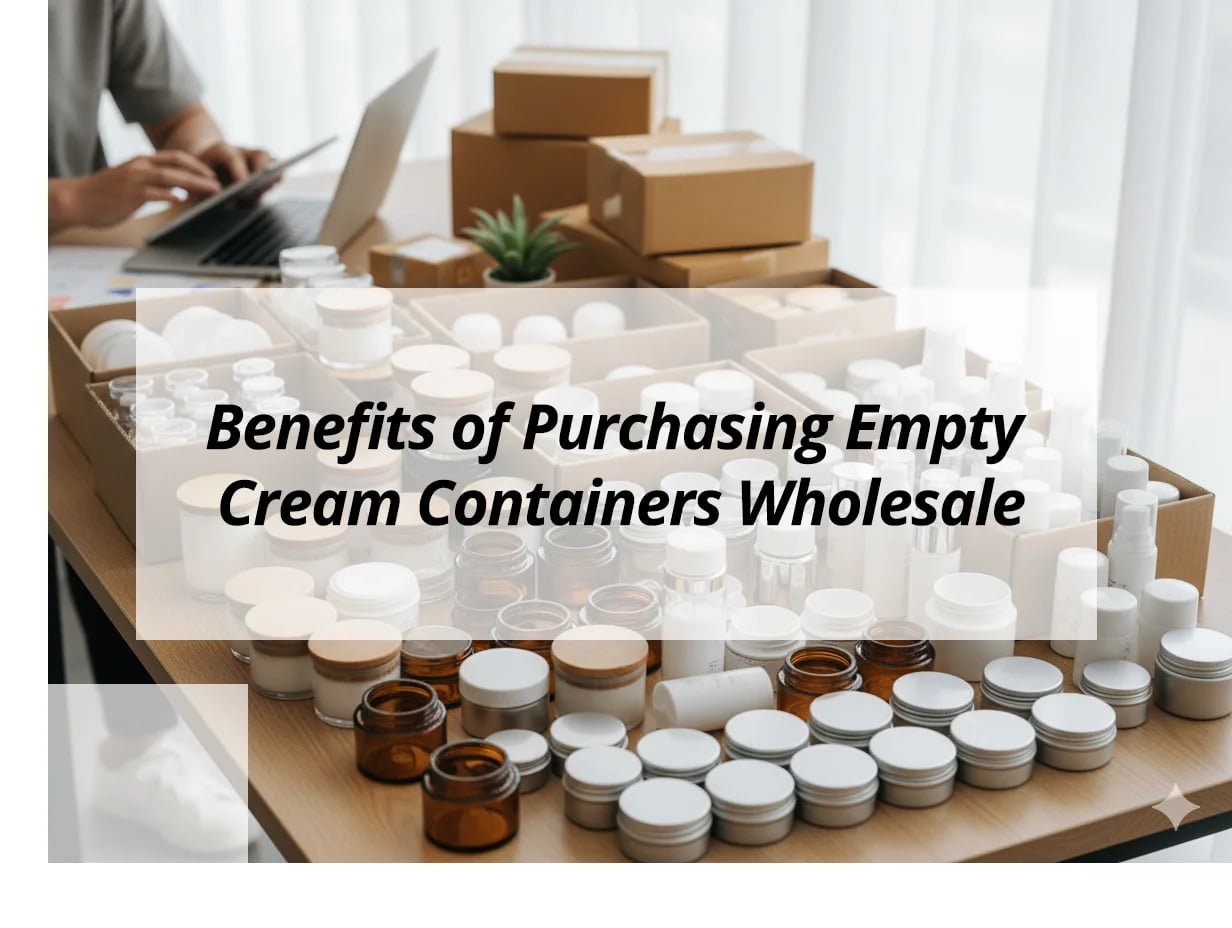
Does your brand require a large volume of packaging? Do you need many containers for your products? Acquiring empty cream containers in bulk can optimize expenses and streamline operations.
Purchasing empty cream containers wholesale offers numerous advantages. It significantly reduces the per-unit cost of each container, leading to considerable cost savings for businesses. This approach also ensures a consistent supply of packaging, preventing inventory shortages during peak production periods. Wholesale procurement can also facilitate broader customization options, enhancing brand distinction.
Many cosmetic product manufacturers seek efficient packaging sourcing methods. Wholesale acquisition is a fundamental strategy for numerous enterprises. This article will detail the benefits of bulk purchasing cream containers. It will also offer guidance on selecting suitable options.
What to Do with Empty Cream Containers?
Upon receiving empty cream containers, their intended purpose becomes clear. They serve as essential vessels for various products. Proper management and preparation are crucial for their effective use.
Empty cream containers are designed to hold diverse cosmetic and skincare formulations. These include facial creams, body lotions, balms, and gels. Prior to filling, it is imperative that containers are clean and sterile to prevent product contamination. Furthermore, correct storage is necessary to prevent damage and ensure readiness for use.
Mishandling of empty containers can lead to operational delays. This highlights the importance of proper container management. Let us review the procedures for utilizing them.
Preparing Containers for Filling
Empty cream containers1, once received, require preparation before product filling.
- Inspection: Each container should be examined for defects such as cracks, scratches, or impurities. Quality control is paramount in this phase. Defective containers should be excluded.
- Cleaning: Even newly manufactured containers may necessitate cleaning. A suitable cleaning agent should be used, ensuring no residue remains. Thorough rinsing is essential.
- Sterilization: This step is critical for cosmetic and skincare products. Sterilization eliminates microorganisms. Methods include UV radiation, ozone treatment, or specific chemical rinses. This ensures product safety.
- Drying: Containers must be completely dry before product filling. Moisture can compromise product integrity. Clean, dry air or a drying oven should be used for this purpose.
Product Compatibility and Container Types
Empty cream containers accommodate a variety of products. The container type often correlates with the product's characteristics.
| Product Type | Container Suitability |
|---|---|
| Face Creams | Smaller, often double-walled jars. |
| Body Lotions | Larger jars or wide-mouth bottles. |
| Eye Creams | Very small jars, sometimes with integrated applicators. |
| Balms & Salves | Small, robust jars. |
| Gels & Masks | Medium-sized jars, designed for easy access. |
For example, a viscous cream benefits from a wide-mouth jar. A less viscous lotion might be better suited for a pump bottle. The objective is to achieve optimal product-to-packaging compatibility.
Storage Prior to Use
Proper storage of empty containers safeguards them from damage and contamination.
- Clean Environment: Containers should be kept in a clean, dust-free location.
- Dry Conditions: A dry environment is essential to prevent moisture-related issues.
- Original Packaging: Containers should remain in their original boxes until required. This provides protection.
- FIFO Principle: The "First In, First Out" method should be applied, utilizing older stock before newer stock. This prevents inventory stagnation.
Effective handling of empty cream containers helps maintain product quality and enhances production efficiency.
What Are the Benefits of Buying Wholesale?
Business operations involve strategic purchasing decisions. For packaging, wholesale procurement offers numerous advantages. It often represents the most effective sourcing method.
Buying empty cream containers wholesale provides significant benefits. The primary advantage is substantial cost reduction, as unit prices decrease considerably with larger order volumes. This directly contributes to higher profit margins. Wholesale purchasing also guarantees consistent product availability, thereby preventing production delays. It further enables greater customization options, reinforcing brand identity.
Many businesses transition to wholesale purchasing as they expand. This strategy is transformative for companies in the packaging sector. Let us explore these benefits in detail.
Cost Efficiency
Cost reduction is frequently the main driver for wholesale purchases.
- Lower Unit Price: Suppliers offer more favorable pricing for bulk orders. The cost per container is reduced, leading to cumulative savings.
- Reduced Shipping Costs: Consolidating shipments reduces the per-item shipping cost compared to frequent small deliveries. This results in long-term freight savings.
- Fewer Transaction Costs: A single large order minimizes administrative tasks and processing fees associated with multiple small orders.
Supply Reliability
Running out of packaging can halt an entire production line. Wholesale buying mitigates this risk.
- Guaranteed Inventory: Containers are readily available when needed, eliminating waiting periods for new deliveries.
- Improved Planning: A stable supply allows for more accurate production planning, facilitating the fulfillment of customer demand.
- Shortage Avoidance: Wholesale orders often receive priority during periods of material scarcity, safeguarding the supply chain.
Customization and Branding Opportunities
Wholesale orders frequently unlock opportunities for unique packaging solutions.
- Expanded Options: Suppliers often provide a wider range of choices for larger orders, including specific colors, shapes, or finishes.
- Branding Integration: Incorporating logos or brand designs is more feasible and cost-effective with wholesale quantities, enabling bespoke packaging.
- Unique Designs: For very substantial orders, some suppliers may offer custom mold creation, providing exclusive design elements for a brand.
Enhanced Supplier Relationships
Bulk purchasing can strengthen relationships with suppliers.
- Improved Service: Wholesale clients often receive preferential service, including faster communication and dedicated support.
- Negotiation Leverage: A significant purchasing volume enhances negotiating power regarding pricing or contractual terms.
- Early Access: Wholesale buyers may gain early access to new products or design innovations.
Wholesale acquisition of packaging is a strategic business decision. It helps enterprises manage costs, maintain inventory, and build a strong brand presence.
What Are the Advantages of Using a Plastic Container?
Material selection is crucial for packaging. Plastic containers are widely used for creams due to their specific advantages. These benefits make them a favored choice for many brands.
Plastic containers offer several distinct advantages for cream products. Their lightweight nature reduces shipping expenses and simplifies handling for consumers. Plastic is also highly durable and shatter-resistant, protecting the product from damage if dropped. Furthermore, plastic often provides effective barrier properties against moisture and air, which helps preserve product freshness.
Plastic container technology has advanced considerably. The material's properties, such as its light weight, are advantageous for shipping. Let us examine the compelling reasons for choosing plastic.
Key Advantages of Plastic Containers
- Lightweight: This is a significant benefit. Lighter containers result in lower shipping costs, directly impacting a business's financial performance. It also makes the final product easier for consumers to transport and use.
- Durability: Plastic resists shattering, unlike glass. If a plastic container is dropped, it is considerably less prone to breaking. This safeguards the product and minimizes waste from damaged goods.
- Cost-Effectiveness: Plastic manufacturing is generally less expensive than glass production. This makes it an economical option for many brands, particularly those with high production volumes or in early stages of development.
- Design Versatility: Plastic can be molded into a vast array of shapes, sizes, and colors. It can be transparent, opaque, or tinted. This flexibility allows for extensive creativity in packaging design.
- Barrier Properties: Many types of plastic offer effective protection against external elements, such as air and moisture. This helps maintain the cream's freshness and extends its shelf life.
Types of Plastic Used for Cream Containers
Plastic materials vary in their properties and applications.
| Plastic Type | Typical Applications | Key Characteristic |
|---|---|---|
| PP | Jars, caps | Good chemical resistance. |
| PET | Bottles, clear jars | High transparency, effective barrier. |
| AS | Clear jars, bottles | High clarity, good scratch resistance. |
| Acrylic | High-end jars (glass-like appearance) | Exceptional clarity, premium tactile feel. |
For instance, a cream jar frequently employs PP or acrylic. A lotion bottle might utilize PET. Each material is selected based on specific product requirements.
Sustainability Considerations
While plastic offers benefits, its environmental impact is a recognized concern.
- Recyclability: Many plastics are recyclable. Brands can opt for containers made from recycled content or those designed for easy consumer recycling.
- Refillable Options: Certain plastic containers are engineered for refilling. This reduces the demand for new primary packaging.
Plastic containers provide a balance of cost, protection, and design adaptability. This makes them a practical choice for numerous cosmetic and skincare products.
Which of the Following Is an Advantage of Glass Containers?
While plastic containers present numerous benefits, glass containers offer a distinct set of advantages. For particular products and brand positioning, glass is the preferred material, conveying a unique quality and sensory experience.
An advantage of glass containers is their premium aesthetic and tactile appeal. Glass communicates a perception of luxury and superior quality. It is also non-porous and chemically inert, meaning it will not leach substances into the product. This safeguards the product's purity and stability. Moreover, glass is fully recyclable, positioning it as an environmentally responsible packaging choice.
Glass is often selected for high-end skincare lines, where a premium presentation is desired. It signals quality to consumers. Let us examine the specific benefits of glass packaging.
Key Advantages of Glass Containers
- Premium Aesthetic: Glass offers a luxurious visual and tactile impression. It elevates the perceived value of products, potentially justifying a higher price point.
- Chemical Inertness: Glass does not chemically interact with product formulations. This ensures the stability of the product's composition. It also prevents the introduction of unwanted flavors or odors. This property is crucial for sensitive formulations.
- Non-Porous Nature: Glass lacks pores, which prevents bacterial accumulation within the material. This contributes to excellent hygiene.
- Superior Barrier Properties: Glass provides an exceptional barrier against oxygen and moisture. This helps to maintain product freshness and extends shelf life.
- Recyclability: Glass is 100% recyclable. It can undergo recycling processes repeatedly without degradation of its quality. This positions it as a highly sustainable material.
- Weight and Stability: The inherent weight of glass can confer a sense of substance and stability to a product, enhancing its presence on a display shelf.
Considerations for Glass Containers
Despite its advantages, glass packaging also presents specific considerations.
| Factor | Description |
|---|---|
| Weight | Heavier than plastic, which contributes to increased shipping costs. |
| Fragility | Susceptible to breakage if dropped, potentially resulting in product loss and safety concerns. |
| Cost | Generally more expensive to manufacture and transport compared to plastic. |
For example, a luxury facial cream might be housed in a heavy glass jar, signaling its exclusivity. Conversely, a travel-sized lotion may opt for plastic due to its lightness and durability.
Optimal Applications for Glass
Glass is frequently chosen for:
- Luxury Brands: To project an image of high quality and sophistication.
- Sensitive Formulations: Products requiring maximum protection from air degradation or chemical interactions.
- Environmentally Conscious Brands: Those prioritizing highly recyclable and sustainable materials.
Both glass and plastic have distinct roles in product packaging. The selection depends on the product type, brand positioning, and consumer expectations.
My Insights: Advantages of Buying Empty Cream Containers Wholesale
Facing high packaging costs and inconsistent inventory? Discover the benefits of purchasing empty cream containers wholesale2 for your brand.
Buying empty cream containers wholesale offers cost savings, consistent inventory, and customization options. It enhances branding and streamlines supply chain management, providing flexibility and ensuring sustainability with recycled materials or reusable containers.
Exploring the Benefits of Wholesale Cream Container Purchases
Cost and Pricing Advantages:
- Economies of Scale: Lower unit costs, reduced tooling, production, and freight expenses.
- Improved Margins: Wholesale pricing diminishes packaging costs significantly, enhancing profit margins.
Branding and Customization:
- Consistent Branding: Uniformity in appearance across products heightens brand recognition.
- Customization: Access to options like logos, finishes, and materials in wholesale quantities.
Operational and Supply Chain Benefits:
| Benefit | Description |
|---|---|
| Inventory Management | Ensures consistent stock, reducing risks of running out. |
| Simplified Processes | Standardized sizes aid in filling and storage. |
| Faster Launches | Ready-made stock allows quick decoration and filling. |
Sustainability and Reuse Potential:
- Eco-Friendly Options: Choose recyclable or refillable containers to meet sustainability goals.
- Reuse Initiatives: Support refill and return programs, reducing environmental impact.
Wholesale purchasing of cream containers strengthens operational efficiency, branding, and sustainability efforts, making it a strategic choice for businesses looking to optimize their packaging solutions.
Conclusion
Wholesale purchase of empty cream containers offers cost savings and a stable supply. These containers accommodate diverse products. Plastic provides lightness and durability. Glass conveys luxury and product purity. The ideal choice aligns with brand requirements.