Serums are delicate. They have active ingredients. Many people worry about serums going bad. I hear this concern a lot. Airless packaging is a popular choice for serums. It offers many benefits.
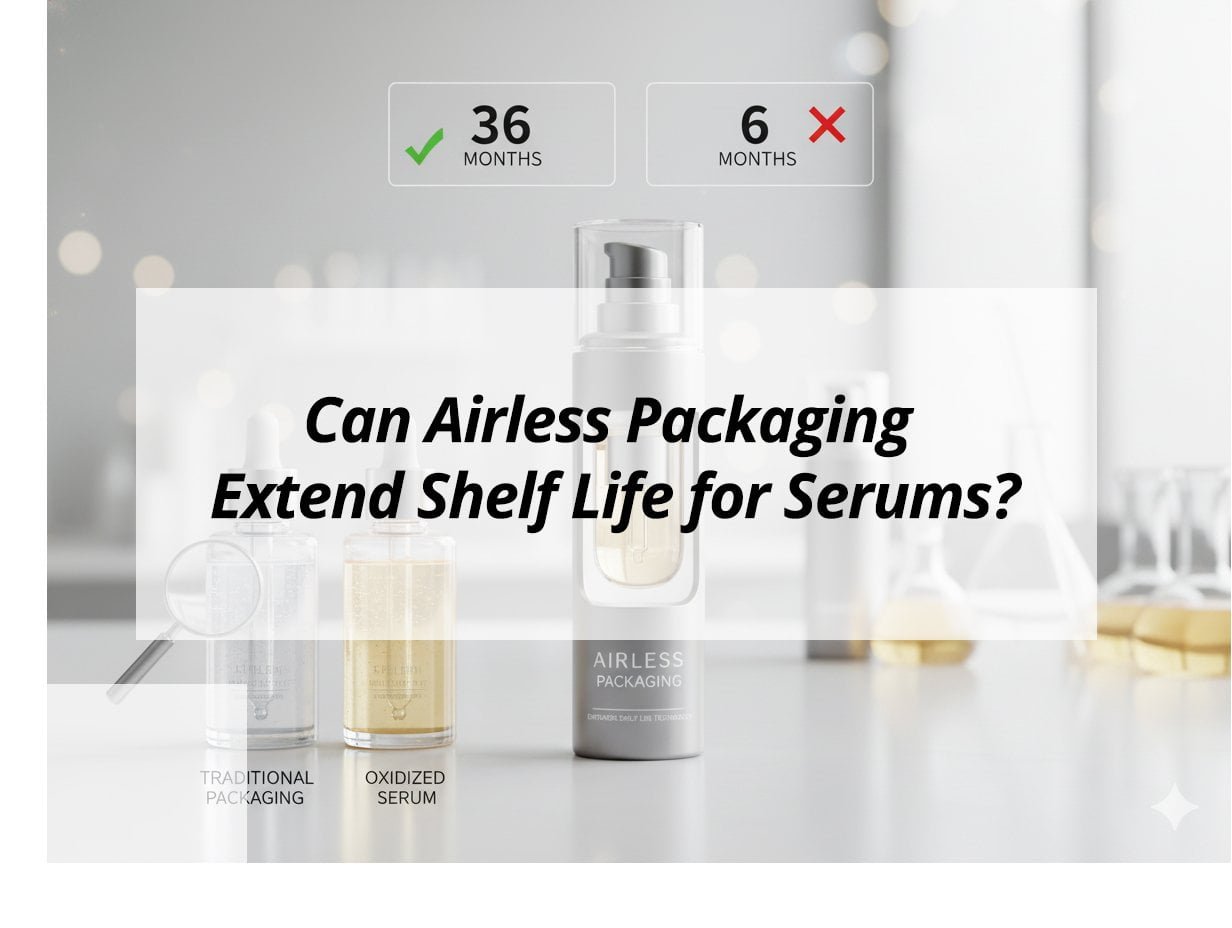
Yes, airless packaging can significantly extend the shelf life of serums by protecting them from air exposure, which causes oxidation and degradation of active ingredients. This type of packaging prevents contamination and maintains product integrity, ensuring serums remain effective for a longer period compared to traditional pump or dropper bottles.
Airless packaging works by keeping air out. This is very important for many skincare products. Especially for serums. They often contain sensitive ingredients. My clients often ask for airless bottles. They know the value.
What Packaging Extends Shelf Life?
Many types of packaging can extend shelf life. But some are better than others. I have seen many designs in my business. The right packaging protects products. It keeps them fresh.
Packaging that extends shelf life primarily works by creating a barrier against external factors like air, light, and contaminants. Key types include airless pumps1, opaque bottles2, and airtight seals, which prevent oxidation, ingredient degradation3, and microbial growth, thereby preserving product efficacy and safety for longer periods.
Different products need different levels of protection. For instance, a basic moisturizer needs less protection than a potent vitamin C serum. This is why packaging choices are crucial. We always discuss this with our customers.
Key Features of Shelf-Life Extending Packaging
When we design packaging, we think about shelf life. These features are very important.
- Airless Systems: This is a top choice for sensitive products. An airless pump uses a piston or a bag to dispense product. It does not draw air back into the container. This prevents oxidation. It also keeps out bacteria. Many of my clients use airless bottles for their high-end serums and creams.
- Opaque Materials: Light can degrade ingredients. Think about how sunlight affects food. It is similar for cosmetics. Opaque bottles (not clear ones) block UV light. This protects light-sensitive ingredients. Glass or plastic can be opaque. We offer many colors for this reason.
- Airtight Seals and Closures: A good seal is very important. It prevents air from entering. It also stops product from leaking. Screw caps, droppers, and pumps need to seal tightly. If the seal is broken, air gets in. This reduces shelf life.
- Material Barriers: The material itself can act as a barrier. Some plastics are better at blocking oxygen than others. For example, specific multi-layer plastics can offer better protection than single-layer plastics. This is a technical detail. But it matters a lot for product stability.
Packaging Types and Their Shelf Life Impact
I work with different packaging types every day. Each has its pros and cons.
| Packaging Type | How it Extends Shelf Life | Best for |
|---|---|---|
| Airless Bottles | Blocks air, prevents oxidation, keeps out contaminants. | Serums, creams, foundations with sensitive ingredients. |
| Opaque Jars/Bottles | Blocks light, protects light-sensitive ingredients. | Products with vitamins, antioxidants, natural extracts. |
| Vacuum Bottles | Similar to airless, uses a vacuum to dispense. | High-value liquid products, e.g., facial oils. |
| Aluminium Tubes | Blocks light and air, good for thick formulas. | Eye creams, hand creams, some balms. |
| Amber Glass Bottles | Blocks some light, good for oils and essential oils. | Essential oils, some liquid serums (though air can enter). |
My goal is to provide packaging that protects the product. This means choosing the right type. It keeps my customers' products effective. It also makes their brands look good.
How to Increase the Shelf Life of Cosmetic Products?
Increasing the shelf life of cosmetic products is very important for brands. It affects product quality. It also affects sales. I always tell my clients about the different ways to do this.
To increase the shelf life of cosmetic products, choose stable ingredients and effective preservatives, ensure a sterile manufacturing process, and, crucially, select appropriate packaging that minimizes exposure to air, light, and contaminants. Proper storage conditions also play a vital role in preserving product integrity.
It is not just about the packaging. It is a combination of many things. Every step from formulation to filling matters. I have seen good products spoil because of bad choices.
Key Strategies to Extend Cosmetic Product Shelf Life
From a packaging supplier's view, I see many factors at play. My insights come from working with many brands.
- Ingredient Selection: Some ingredients are naturally more stable. Antioxidants like Vitamin E can help. They fight oxidation. Using stable forms of active ingredients also helps. For example, some vitamin C forms are more stable than others.
- Preservative System: Preservatives stop bacteria and fungi from growing. This is very important. A good preservative system is vital for any product that contains water. The right preservatives protect the product from spoilage.
- Manufacturing Environment: Products must be made in a clean, sterile environment. Any contamination during production can shorten shelf life. My factory follows strict hygiene rules. This ensures our packaging is clean for our customers.
- Packaging Choice: As discussed, packaging is critical. Airless pumps, opaque bottles, and airtight seals protect the product. They keep out harmful elements.
- Storage Conditions: How consumers store products matters too. They should keep products away from direct sunlight. They should avoid extreme temperatures. This helps maintain product quality after purchase.
Impact of Different Factors on Shelf Life
I often explain these points to my buyers. They help them understand the bigger picture.
| Factor | Impact on Shelf Life | Example |
|---|---|---|
| Ingredient Stability | Unstable ingredients degrade faster. | Vitamin C can oxidize quickly if unprotected. |
| Preservative Efficacy | Weak preservatives allow microbial growth. | Products without good preservatives can grow mold. |
| Manufacturing Hygiene | Contamination during production introduces microbes. | Bacteria from the air can get into an open batch. |
| Packaging Barrier | Poor barrier allows air/light in, degrading product. | A clear jar allows light to damage a light-sensitive cream. |
| Consumer Storage | Heat/light exposure after purchase speeds degradation. | Storing a serum on a sunny windowsill reduces its life. |
All these elements work together. A good cosmetic product needs attention at every stage. This ensures it stays good for the customer.
How to Increase the Shelf Life of Packaging?
People often ask about increasing the shelf life of the packaging itself. This is different from the product inside. Packaging also needs to last. I understand this as a packaging manufacturer.
To increase the shelf life of packaging, use durable and high-quality raw materials that resist degradation from light, moisture, and temperature fluctuations. Proper manufacturing and storage of empty packaging also prevent material weakening or damage, ensuring it performs its protective function for the product it will contain.
Packaging needs to be strong. It needs to keep its shape. It needs to work as intended. If the packaging itself degrades, it cannot protect the product.
Factors Affecting Packaging Shelf Life
When we make packaging, we consider its own lifespan. This impacts the quality for our customers.
- Raw Material Quality: We use high-grade plastics. Cheap materials can become brittle. They can discolor. They can also lose their barrier properties over time. Investing in good raw materials is very important.
- UV Resistance: Sunlight can degrade plastics. It can make them yellow or crack. We can add UV stabilizers to the plastic. This makes the packaging last longer. It maintains its appearance and strength.
- Moisture and Temperature Resistance: Packaging needs to withstand different climates. High humidity can affect labels. Extreme temperatures can deform plastic. We ensure our materials are suitable for various shipping and storage conditions.
- Manufacturing Process: Our injection molding machines produce strong, consistent packaging. Any defects in manufacturing can lead to weaker points. This shortens the packaging's life.
- Storage of Empty Packaging: Empty packaging needs proper storage. It should be in a cool, dry place. It should be away from direct sunlight. This keeps it in prime condition until it is filled. I store all my finished packaging carefully in my warehouse.
Best Practices for Packaging Longevity
I advise my customers on how to handle empty packaging. This helps them get the best out of our products.
| Practice | Description | Result |
|---|---|---|
| Quality Raw Materials | Use virgin, high-grade plastics from trusted suppliers. | Stronger, more durable, and consistent packaging. |
| UV Protection | Incorporate UV stabilizers in plastic formulations. | Prevents discoloration and material degradation from sun. |
| Controlled Manufacturing | Maintain precise conditions during molding and assembly. | Reduces defects, ensures consistent strength. |
| Protective Coatings | Apply coatings for scratch resistance or extra barriers. | Enhances durability and aesthetic appeal. |
| Proper Storage (Empty) | Keep packaging in cool, dark, dry storage. | Prevents material weakening before filling. |
Ensuring the packaging itself has a good shelf life is part of delivering quality. It means the packaging will perform its job well, protecting the product inside.
Does Packaging Affect Shelf Life?
Yes, packaging absolutely affects shelf life. This is a core part of my business. The right packaging makes a huge difference. The wrong packaging can ruin a product fast.
Yes, packaging profoundly affects the shelf life of cosmetic products by controlling exposure to oxygen, light, moisture, and microbes. Effective packaging creates a protective barrier, preventing oxidation, ingredient degradation, and contamination, which are all critical factors in maintaining a product's stability, efficacy, and safety over time.
Packaging is the first line of defense for any product. It is more than just a pretty container. It is a critical functional element.
How Packaging Influences Shelf Life
I often explain this to brand owners. They need to understand this connection.
- Oxygen Barrier: Oxygen is a major enemy of many cosmetic ingredients. It causes oxidation. This makes products lose their potency. It also makes them change color or smell. Airless pumps or thick-walled bottles create an oxygen barrier. This keeps the product fresh.
- Light Protection: UV light can break down active ingredients. It can also cause discoloration. Opaque packaging blocks light. Think of amber glass for essential oils. We use opaque plastics for many products.
- Moisture Barrier: Some products are sensitive to moisture. Others can lose moisture and dry out. Packaging helps control moisture levels. A tight seal prevents water from entering or leaving. This keeps the product stable.
- Microbial Contamination: Packaging keeps bacteria, yeast, and mold out. A secure closure is vital. Each time a user opens a jar, they can introduce microbes. Airless pumps reduce this risk. They never expose the product to the air inside the container.
- Chemical Migration: Packaging materials must not react with the product. If they do, chemicals can leach into the product. This changes the product. We choose materials carefully to prevent this.
The Impact of Poor Packaging on Shelf Life
I have seen the negative effects of bad packaging choices. It is not pretty.
| Issue | Effect on Product | Shelf Life Impact |
|---|---|---|
| Air Exposure | Oxidation, degradation of active ingredients (e.g., Vitamin C). | Significantly shortened. |
| Light Exposure | Discoloration, loss of potency, breakdown of ingredients. | Reduced effectiveness and stability. |
| Moisture Imbalance | Drying out, clumping, water ingress leading to microbial growth. | Product texture changes, increased spoilage risk. |
| Microbial Contamination | Bacterial/fungal growth, unpleasant smell, product spoilage. | Rapid spoilage, potential safety hazard. |
| Chemical Interaction | Leaching of packaging chemicals into product. | Product alteration, potential toxicity. |
Good packaging is an investment. It protects the product. It protects the brand. It ensures the customer gets a high-quality product every time.
My Insights: The Impact of Airless Packaging on Serum Shelf Life
Worried about your serums losing effectiveness? Discover how airless packaging can preserve their potency and extend shelf life.
Airless packaging4 extends serum shelf life by preventing oxidation and contamination. This vacuum-based system maintains active ingredient potency and reduces the need for preservatives, ensuring fresh and effective serums from first to last use.
How Airless Packaging Benefits Serum Stability
Mechanism of Airless Packaging:
- Air Exclusion: The vacuum system eliminates air exposure, preserving sensitive active ingredients like vitamin C and retinol.
- Consistent Dosing: Dispenses precise amounts, limiting air contact and ensuring effectiveness throughout use.
Key Benefits:
- Oxidation Prevention: Protects ingredients from losing efficacy due to air contact.
- Contamination Reduction: Minimizes bacterial exposure, keeping the product hygienic.
- Preservative Reduction: Less reliance on added preservatives due to the packaging's protective nature.
Extended Shelf Life:
- Research indicates up to a 15% increase in shelf life for serums with volatile ingredients. This is crucial for formulas with ingredients that degrade quickly upon air exposure.
| Benefit | Description |
|---|---|
| Oxidation Prevention | Protects potencies of sensitive actives. |
| Contamination Minimization | Reduces bacteria exposure and hygiene risks. |
| Consistent Dosing | Controlled dispensing maintains quality. |
By embracing airless packaging, skincare brands offer consumers longer-lasting serums without sacrificing effectiveness.
Conclusion
Airless packaging truly extends serum shelf life by blocking air and contaminants. It is crucial for preserving delicate ingredients. Choosing the right packaging always safeguards product quality and effectiveness.
-
Learn about the benefits of airless pumps in preventing oxidation and maintaining product integrity. ↩
-
Discover how opaque bottles protect light-sensitive ingredients and enhance product stability. ↩
-
Explore the factors leading to ingredient degradation and how to prevent it. ↩
-
Explore how airless packaging can enhance the longevity and effectiveness of your skincare products. ↩