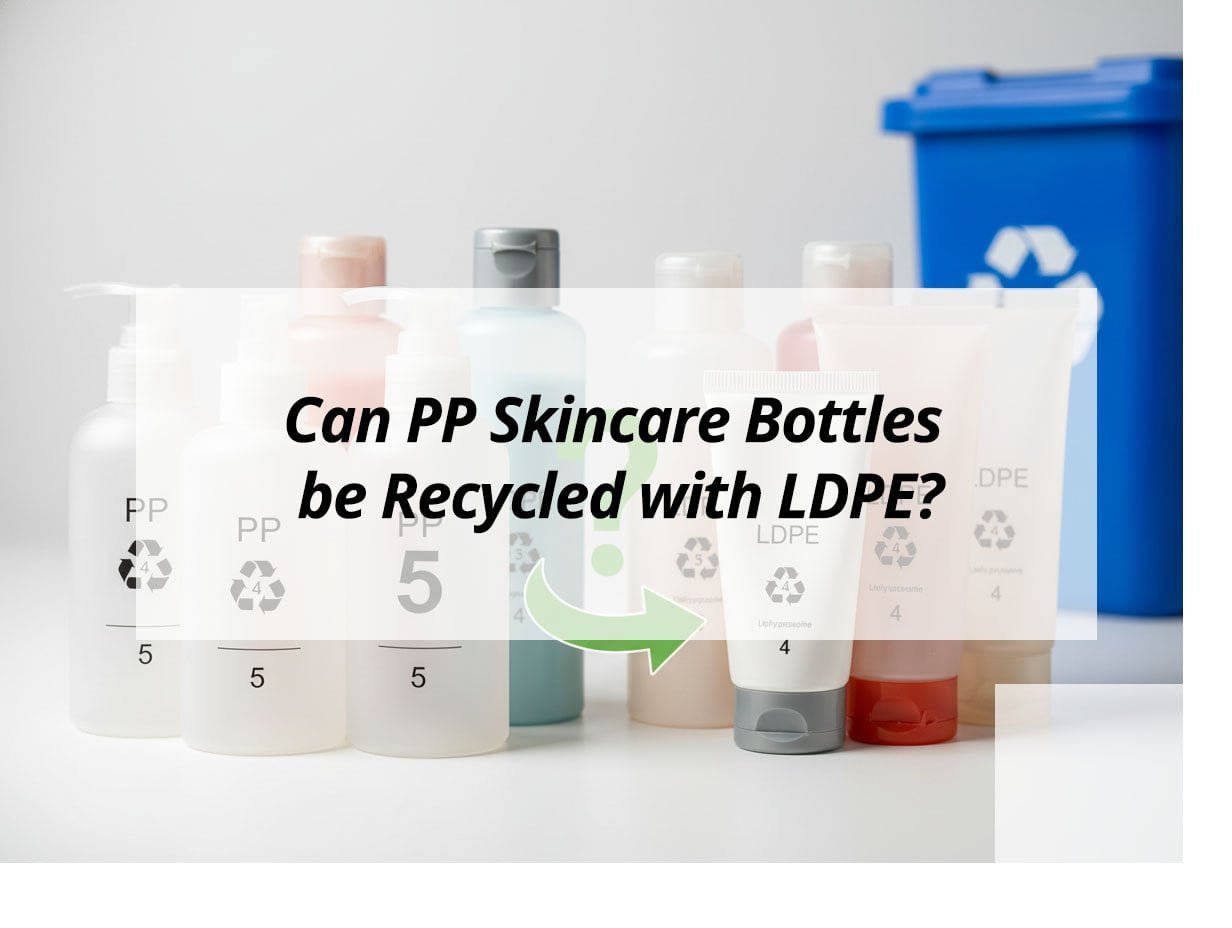
Are you unsure if your PP skincare bottles can be recycled with LDPE? Many people find plastic recycling confusing. Understanding which plastics can be recycled together is important. This guide aims to clarify this for you.
Recycling PP skincare bottles with LDPE is generally not advisable. This is because PP (polypropylene) and LDPE (low-density polyethylene) are distinct types of plastic. They possess different melting points and chemical structures. Mixing these plastics can reduce the quality of the resulting recycled material. It is always important to consult local recycling guidelines.
Proper plastic recycling is very important. It conserves natural resources. It also decreases the amount of waste sent to landfills. It is easy to feel overwhelmed by the different plastic codes. This article will help you understand the facts. Knowing the differences between plastics is the first step towards better recycling practices.
What is the difference between PP and LDPE bottles?
Do you ever look at plastic bottles and wonder about their composition? It can be perplexing. Different symbols appear on them. Many individuals struggle to distinguish between PP and LDPE. This distinction is crucial for recycling purposes. Let us explore the primary differences.
PP (polypropylene) and LDPE (low-density polyethylene) are both widely used plastics. They are frequently found in packaging. However, they exhibit different properties. These differences influence their applications. They also affect how they are recycled. Understanding these distinctions is fundamental.
PP is identified by recycling code #5. LDPE is identified by recycling code #4. While they can sometimes appear similar, their tactile properties differ. PP is typically stiffer. It retains its shape more effectively. Examples include yogurt cups, which are often made from PP. LDPE is softer and more flexible. A plastic shopping bag is a common example of LDPE. Knowledge of these materials is important in the packaging industry.
Here is a simple comparison of their key attributes:
| Feature | PP (Polypropylene) | LDPE (Low-Density Polyethylene) |
|---|---|---|
| Recycling Code | #5 | #4 |
| Feel | Stiffer, more rigid | Softer, more flexible |
| Transparency | Opaque to translucent | Translucent |
| Heat Resistance | High | Low |
| Common Uses | Skincare jars, caps, lotion pumps, rigid containers | Squeeze bottles, plastic bags, film |
| Density | Lower | Very low |
PP demonstrates resistance to heat and various chemicals. This makes it suitable for items like lotion pumps and cream jars. It shows minimal reaction with many cosmetic ingredients. LDPE is highly flexible. It is well-suited for squeeze bottles. This allows for complete product dispensing. The choice of plastic material is important for product safety and quality.
Importance of Material Properties
Distinct properties dictate specific applications. PP is strong. It is durable. It can endure higher temperatures. This makes it suitable for hot-filling processes. Many skincare creams are filled at warm temperatures. LDPE lacks the same strength. It melts at lower temperatures. It is appropriate for items that require squeezing. This knowledge assists in selecting the correct packaging.
Chemical Structure
PP is a polymer derived from propylene. LDPE is a polymer derived from ethylene. The arrangement of these molecules varies. This creates their distinct characteristics. These structures are vital for recycling. Recycling centers categorize plastics by type. They then melt them. Mixing plastics with different melting points creates issues. The recycled material will have poor quality. It could even render the entire batch unusable.
Are LDPE bottles recyclable?
You likely encounter many LDPE bottles in your daily life. Are you uncertain about their recyclability? This is a frequent inquiry. People aim to recycle correctly. They want to avoid contaminating the recycling stream. Let us clarify the facts regarding LDPE recycling.
Yes, LDPE bottles are recyclable in many regions. LDPE is designated by recycling code #4. It is broadly collected for recycling. However, its acceptance can vary. Some local recycling programs accept all forms of LDPE. Others accept only specific items. It is necessary to verify your local regulations. Avoid making assumptions.
LDPE is a very adaptable plastic. It is used for numerous items beyond bottles. This includes plastic films, bags, and various forms of packaging. While bottles are often accepted, films might not be. This is because films can entangle in sorting machinery. Always look for the recycling symbol. Confirm if your local facility processes #4 plastics. Recycling guidelines are not uniform across all locations.
Common LDPE Items Accepted for Recycling
Many items made from LDPE are recyclable.
- Squeeze bottles: Ketchup, mustard, and some lotion bottles.
- Plastic bags: Grocery, bread, and dry cleaning bags (often collected separately at drop-off points).
- Plastic film: Shrink wrap, bubble wrap (also frequently requires drop-off).
It is important to note that not all LDPE items are handled identically. For example, plastic bags, despite being made of LDPE, often require specific collection points. They can obstruct recycling machinery designed for rigid plastics.
How to Prepare LDPE for Recycling
Preparation is straightforward.
- Empty the bottle: Ensure it is mostly clean. Rinse if necessary.
- Remove caps: Caps are often made of a different plastic. Some recyclers prefer them removed. Others suggest leaving them on. Consult local guidelines.
- No food residue: Food contamination complicates recycling. It can spoil the batch.
It is always advised to check with local waste management services. Recycling rules are not universal. What is accepted in one area may differ in another. Being informed helps improve overall recycling effectiveness.
Importance of LDPE Recycling
Recycling LDPE conserves energy. It reduces the demand for new plastic production. It also lessens landfill waste. LDPE degrades very slowly in the environment. By recycling, it gains a new purpose. It can be transformed into products such as plastic lumber, garbage can liners, or new non-food containers.
Can PP and HDPE be recycled together?
You might wonder if all hard plastic bottles can be placed in a single recycling bin. Specifically, what about PP and HDPE? Both feel quite rigid. This question arises frequently. Correct sorting is critical for effective recycling. Let us examine whether PP and HDPE can be recycled together.
No, PP (polypropylene) and HDPE (high-density polyethylene) are generally not recycled together. Similar to LDPE, they are distinct types of plastic. They possess different chemical structures and melting points. Recycling facilities typically sort them separately. Mixing them can compromise the quality of the recycled material.
PP is designated by recycling code #5. HDPE is designated by recycling code #2. Both are rigid plastics. This can lead to confusion. Both are widely recycled. However, they must be kept apart. Consider attempting to melt ice and steel together; they would not combine effectively. Plastics are similar. Different types require different processing.
Here is a comparison of PP and HDPE:
| Feature | PP (Polypropylene) | HDPE (High-Density Polyethylene) |
|---|---|---|
| Recycling Code | #5 | #2 |
| Feel | Stiffer, rigid, somewhat brittle | Rigid, strong, opaque |
| Transparency | Opaque to translucent | Opaque |
| Heat Resistance | High | High |
| Common Uses | Skincare jars, caps, car parts, food containers | Milk jugs, detergent bottles, shampoo bottles, pipes |
| Density | Lower than HDPE | Higher than LDPE and PP |
HDPE is very strong and dense. It is used for items that require significant durability. Examples include milk jugs and detergent bottles. PP is also strong. However, it is slightly more flexible than HDPE. It is often used for caps and smaller containers. The durability of packaging is a frequent concern for buyers. Both HDPE and PP are strong, but they serve different functional requirements.
Why Separate Recycling Matters
Recycling centers employ machinery for plastic sorting. They utilize various methods. Some use infrared sensors. These sensors identify the plastic type. They recognize the unique chemical signature of each plastic. If plastics are mixed, the sensors can be confused. If melted together, the resulting plastic will be weak. It will not be suitable for manufacturing new products. This process is known as "downcycling" when the material quality degrades. The goal is to maintain or improve material quality through recycling.
Common HDPE Items Accepted for Recycling
Many common household items are made from HDPE:
- Milk jugs: Always ensure they are rinsed.
- Detergent and shampoo bottles: These are very common.
- Bleach bottles: Rinse them very thoroughly.
- Motor oil bottles: Often not accepted due to oil residue. Check local rules.
It is important to prepare HDPE for recycling. Rinse bottles well. Remove caps if your local facility requests it. Cleanliness is important for effective recycling processes.
Is PP polypropylene recyclable?
You might pick up a cosmetic jar and notice the #5 symbol. This indicates it is made from PP, or polypropylene. Is this type of plastic recyclable? This is a key question for many individuals. They aim to make correct recycling choices for their skincare products. Let us examine PP recycling.
Yes, PP (polypropylene) is recyclable. It is identified by recycling code #5. Many curbside recycling programs accept PP plastics. It is a very common plastic. It is used in numerous applications. Therefore, understanding its recyclability is important. Always confirm with your local recycling facility. Regulations can vary regionally.
PP is widely used in packaging. It is a durable material. It is also safe for many products. Due to its prevalence, many recycling centers are equipped to process it. The recyclability of PP is important for those concerned with sustainability.
Common PP Items Accepted for Recycling
You will find PP in many items:
- Yogurt cups: A very common PP item.
- Butter tubs: Another frequent PP container.
- Medicine bottles: Many are constructed from PP.
- Bottle caps: Often made of PP, even if the bottle itself is a different plastic.
- Skincare jars and caps: Common components in the cosmetic industry.
When preparing PP for recycling, ensure it is clean. Rinse out any product residue. This aids the recycling process. Some facilities might request label removal. Again, local rules provide the best guidance.
The PP Recycling Process
When PP arrives at a recycling facility, it undergoes several stages.
- Sorting: It is separated from other plastic types. This can be done manually or by machinery.
- Shredding: The PP items are shredded into small flakes.
- Washing: The flakes are washed to remove any dirt or labels.
- Melting: The clean flakes are melted down.
- Pelletizing: The melted plastic is formed into small pellets.
These pellets are then sold to manufacturers. They use them to create new products. These can include car battery cases, brooms, brushes, or even new packaging. Recycling PP extends its lifespan. It prevents it from being sent to landfills. It conserves valuable resources.
Challenges in PP Recycling
While PP is recyclable, some challenges exist. Sometimes, colored PP can be more difficult to recycle into new, clear products. Additionally, very small PP items can be problematic for sorting machines. Tiny caps, for example, may fall through sorting gaps. However, overall, PP recycling is an expanding field. More locations are accepting it.
My Insights: Can PP Skincare Bottles be Recycled with LDPE?
Confused about recycling skincare bottles? Learn why PP and LDPE have distinct recycling requirements to avoid contamination.
PP skincare bottles (resin code 5) should not be mixed with LDPE (resin code 4) recycling streams. These materials require separate processing to ensure efficient recycling and avoid contamination.
Navigating Recycling Differences
Understanding Resin Codes
- PP (Polypropylene): Coded as #5, PP is recycled separately to maintain material integrity.
- LDPE (Low-Density Polyethylene): Identified as #4, LDPE needs distinct recycling protocols.
Recycling Recommendations
| Material | Code | Recycling Instructions |
|---|---|---|
| PP | #5 | Recycle with other PP items; do not mix with LDPE. |
| LDPE | #4 | Follow local guidelines specific to LDPE. |
Key Considerations
- Local Guidelines: Always check specific community recycling rules for accurate sorting.
- Impact of Mixing: Intermixed plastics can degrade the quality of recycled materials.
Understanding these distinctions not only enhances recycling efforts but also supports environmental sustainability by ensuring proper waste management practices.
Conclusion
Correct plastic recycling is crucial for environmental well-being. PP skincare bottles should generally not be recycled with LDPE. This is due to their distinct plastic types. Always consult local guidelines. Proper sorting enhances the effectiveness of recycling for everyone.