
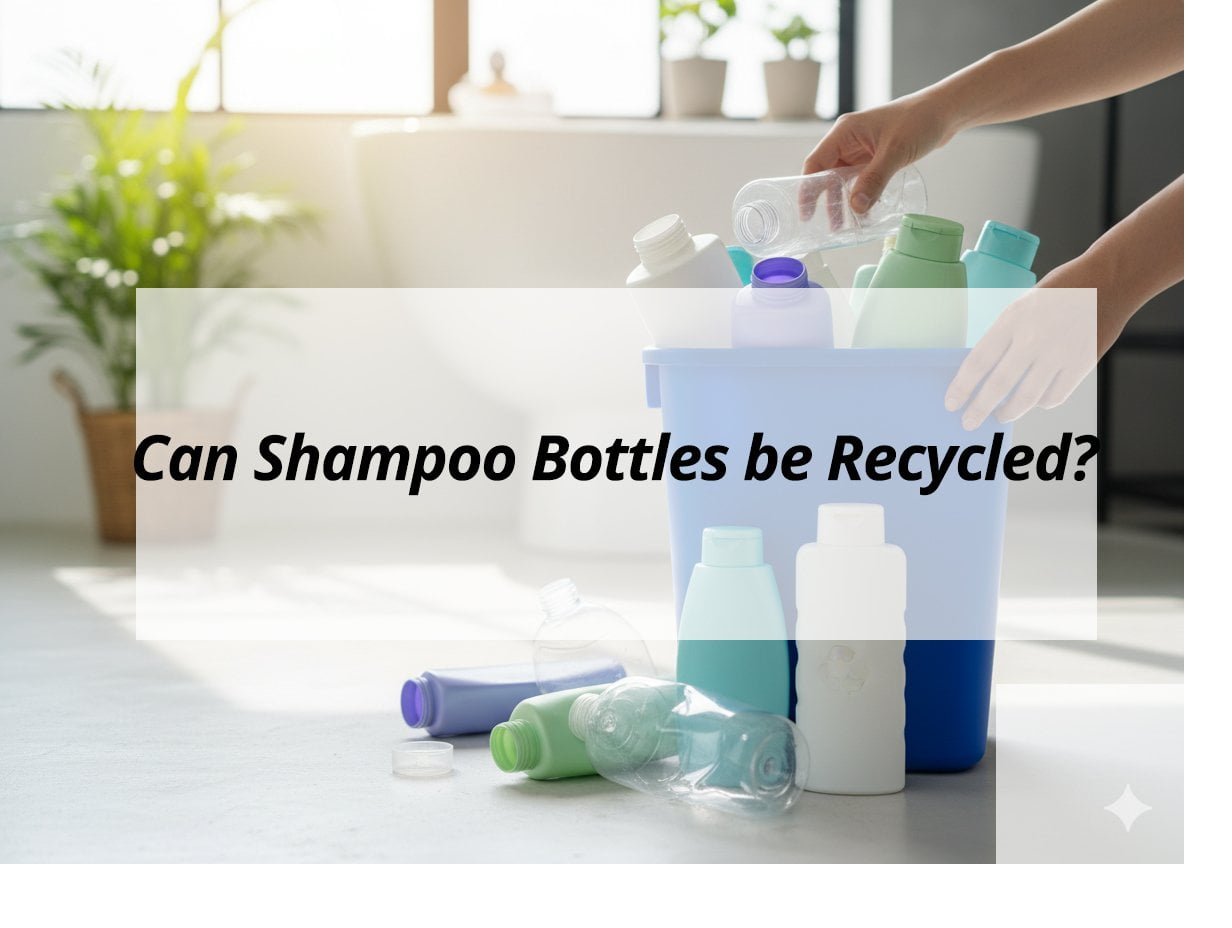
Many consumers are uncertain about the recyclability of shampoo bottles. Understanding the proper disposal methods for these items is crucial for environmental stewardship. This guide provides clear information on how to recycle shampoo bottles effectively.
Most shampoo bottles are made from recyclable plastics. These typically include PET (number 1) and HDPE (number 2). These plastic types are widely accepted in many curbside recycling programs. For effective recycling, bottles should be empty and rinsed. Always verify local recycling guidelines to ensure acceptance.
Proper disposal practices for plastic packaging are essential. Incorrectly sorted items can disrupt the recycling process.
Do Shampoo Bottles Go in Recycling?
The recyclability of shampoo bottles is a frequent inquiry. Clarifying this can enhance consumer recycling participation. This section details the common practices for recycling shampoo bottles.
Shampoo bottles are generally made from types of plastic suitable for recycling. Specifically, Polyethylene Terephthalate (PET) and High-Density Polyethylene (HDPE) are prevalent. These materials are commonly processed by municipal recycling facilities. Preparing bottles by emptying and rinsing them optimizes their recyclability.
Further insight into plastic types and preparation steps clarifies the recycling process. It is important to differentiate between various plastic materials.
Identifying Recyclable Plastic Types
Recognizing the specific plastic type is fundamental for proper recycling. The resin identification code, a number within a chasing arrows symbol, indicates the plastic composition.
- PET (Polyethylene Terephthalate): Designated as number 1, PET is often used for clear plastic containers, including some shampoo bottles. It is highly recyclable and frequently sought after by recycling facilities.
- HDPE (High-Density Polyethylene): Labeled as number 2, HDPE is a robust plastic commonly used for opaque bottles such as milk jugs and many shampoo bottles. Its high recyclability makes it a staple in most recycling programs.
- Other Plastics: Less common in shampoo bottle manufacturing but sometimes present are plastics like PP (Polypropylene, number 5) for caps or occasionally the bottle itself. Local programs vary in their acceptance of these less common plastic types.
Preparing Shampoo Bottles for Recycling
Effective recycling requires more than simply placing bottles in a bin. Proper preparation prevents contamination and improves processing efficiency.
- Empty and Rinse: All shampoo residue must be removed. Rinsing the bottle with water prevents product contamination of other recyclable materials. Residual product can lead to entire batches being rejected.
- Remove Non-Recyclable Components: Pumps and sometimes caps are often made from mixed materials, such as plastic and metal springs, making them non-recyclable in standard programs. These components should typically be removed and discarded with general waste. Some programs may accept caps if left on the bottle; local guidelines should be consulted.
Variations in Local Recycling Programs
Recycling regulations are not universal. They differ significantly based on geographic location and municipal waste management policies.
| Aspect | Description | Action |
|---|---|---|
| Accepted Materials | Each recycling facility defines which plastic types (by number) it accepts. | Review the specific guidelines provided by your local waste management service. |
| Preparation Standards | Requirements for cleaning and cap removal can vary. | Always err on the side of thorough cleaning and component removal unless explicitly stated otherwise. |
| Collection Methods | Some areas offer curbside pickup, while others require drop-off at designated centers. | Confirm the correct collection method for your area. |
Understanding these local nuances ensures compliance and maximizes recycling success rates.
What Can I Do With Empty Shampoo Bottles?
Beyond traditional recycling, empty shampoo bottles offer various possibilities for reuse. Repurposing these containers can further reduce waste and extend their utility.
Empty shampoo bottles can be repurposed for diverse applications around the home or office. Common uses include storing homemade cleaning solutions, organizing small items, or as components in craft projects. Refilling with bulk products is another effective strategy for minimizing new plastic consumption. Thorough cleaning is recommended before any reuse.
Creative solutions for consumer product packaging can significantly reduce environmental impact.
Innovative Reuse Applications
The robust and often ergonomic design of shampoo bottles lends itself to numerous practical reuse scenarios.
- Storage Solutions: These bottles can be transformed into convenient containers for various small household items, such as beads, buttons, or craft supplies. They are also suitable for decanting travel-sized portions of personal care products.
- DIY Dispensing: For homemade cleaning agents like window cleaner or all-purpose spray, thoroughly cleaned shampoo bottles provide durable and functional dispensing mechanisms. Clear labeling is crucial for safety.
- Craft and Educational Projects: The varied shapes and sizes of shampoo bottles make them excellent materials for children's crafts, modeling, or educational activities. They can be cut, painted, or assembled into new creations.
- Gardening Aids: With modifications such as perforated caps, bottles can serve as improvised watering cans for small plants or containers for specific gardening liquids like plant food.
Refill and Bulk Purchasing Strategies
Embracing refill options represents a significant step towards sustainable consumption, directly reducing the demand for new packaging.
- Bulk Product Refills: Many retailers now offer bulk sections where consumers can refill their existing containers with shampoo, conditioner, soap, and other liquid products. This approach substantially cuts down on single-use plastic waste.
- Brand-Specific Refill Systems: A growing number of personal care brands provide refill pouches or larger containers designed to replenish their standard product bottles. These systems offer an eco-friendlier alternative to purchasing new bottles repeatedly.
- Travel Kit Preparation: Maintaining a set of smaller, reusable shampoo bottles for travel, refilled from larger home containers, avoids the continuous purchase of single-use travel-sized products.
Upcycling and Community Initiatives
Beyond simple reuse, upcycling transforms discarded items into products of higher value or different utility. Some community programs or schools may also accept clean, empty bottles for creative projects.
| Reuse Category | Environmental Benefit | Practical Considerations |
|---|---|---|
| Domestic Storage | Extends product lifecycle, reduces waste going to landfill. | Requires thorough cleaning; accurate labeling is essential. |
| DIY Product Containers | Minimizes reliance on new plastic packaging for homemade items. | Chemical compatibility and safety labeling are critical. |
| Craft & Art Medium | Diverts materials from waste streams into creative outputs. | May require tools for cutting or shaping; supervision for children. |
| Refill Systems | Dramatically reduces the generation of new plastic waste. | Accessibility of bulk stores or brand-specific refill options. |
These alternative uses highlight the potential for reducing packaging waste beyond conventional recycling.
How to Dispose of Shampoo Bottles?
Proper disposal of shampoo bottles is critical to minimize environmental impact and support efficient recycling operations. Adhering to established guidelines ensures these materials are processed correctly.
The primary method for disposing of shampoo bottles is via local recycling services. This process involves ensuring the bottle is empty and clean, removing non-recyclable components like pumps, and placing the prepared bottle into the designated recycling bin. If curbside recycling is unavailable, exploring specialized drop-off points or considering reuse options is advisable.
Correct waste segregation prevents contamination and facilitates the recycling stream.
Step-by-Step Disposal Procedure
Following a clear procedure enhances the likelihood of successful recycling for shampoo bottles.
- Completely Empty Contents: Ensure all shampoo or conditioner is used or rinsed out. This prevents residue from contaminating other recyclables.
- Rinse the Bottle: A quick rinse with water helps remove any remaining product, which is crucial for maintaining the purity of recycled plastics.
- Detach Non-Recyclable Parts: Pumps, sprayer components, and sometimes caps are made from mixed materials that often cannot be recycled. These should be separated and discarded with general waste. Confirm local guidelines for cap recycling; some programs accept caps if left on the bottle.
- Verify Plastic Type: Locate the resin identification code (the number inside the chasing arrows symbol) on the bottle. Numbers 1 (PET) and 2 (HDPE) are most commonly accepted.
- Place in Recycling Container: Deposit the prepared bottle into your household recycling bin or designated collection point.
Alternatives for Non-Accepted Bottles
In instances where local recycling programs do not accept certain types of shampoo bottles, alternative disposal or management strategies are available.
- Specialized Collection Centers: Many municipalities or private organizations operate dedicated drop-off facilities that accept a broader range of plastic types than curbside programs.
- Manufacturer Take-Back Programs: Certain cosmetic and personal care brands have initiatives to collect and recycle their own packaging. Consumers can inquire directly with brands about such programs.
- Third-Party Recycling Services: Companies like TerraCycle offer solutions for hard-to-recycle items, often through partnerships with retailers or by direct mail-in programs. These may sometimes involve a cost.
- Upcycling Projects: Transforming bottles into new functional or decorative items is an effective way to prevent them from entering the waste stream when recycling is not an option.
The Consequences of Improper Disposal
Discarding recyclable shampoo bottles with general waste contributes negatively to environmental health and resource management.
- Landfill Accumulation: Plastics are slow to degrade, leading to the prolonged accumulation of waste in landfills and consuming valuable land resources.
- Environmental Pollution: Unrecycled plastics, particularly when leaked into natural environments, can fragment into microplastics. These particles pose risks to ecosystems, wildlife, and potentially human health through food chains.
- Resource Depletion: Manufacturing new plastic from virgin materials demands significant energy and fossil resources. Recycling plastic conserves these resources and reduces energy consumption compared to new production.
Adherence to proper disposal protocols is a fundamental aspect of sustainable consumption and waste management.
What is Surprisingly Not Recyclable?
The complexities of recycling mean that many seemingly recyclable items are often not accepted by standard programs. Recognizing these exceptions is crucial for effective waste management and to prevent "wishcycling."
Numerous items commonly mistaken as recyclable are frequently rejected by municipal recycling facilities. Examples include plastic film and bags, disposable coffee cups, polystyrene foam (Styrofoam), and broken ceramics. These materials can contaminate recyclable batches, reduce the efficiency of sorting processes, or damage machinery. It is essential to consult local recycling guidelines to avoid incorrect disposal.
Misinformation regarding recyclable materials can lead to inefficient waste processing.
Commonly Misidentified Non-Recyclable Items
A clearer understanding of items typically excluded from standard recycling streams can improve recycling practices.
- Plastic Bags and Film: These materials pose a significant challenge to recycling machinery, often entangling gears and halting operations. They are generally collected separately at designated drop-off points, typically found at grocery stores.
- Disposable Coffee Cups: Most disposable coffee cups are lined with a thin layer of plastic, making them composite materials that are difficult to separate and recycle in standard facilities. Reusable cups are the preferred alternative.
- Polystyrene Foam (Styrofoam): This lightweight, bulky material (e.g., packing peanuts, take-out containers) is generally not accepted in curbside recycling due to its low density and processing difficulties.
- Ceramics and Porcelain: While resembling glass, ceramic materials have different melting points and compositions. They cannot be recycled with glass and should be disposed of with general waste.
- Broken Glass: For safety reasons, sharp broken glass is typically not accepted in curbside recycling bins, as it can injure workers. Specific drop-off instructions may apply.
- Greasy Pizza Boxes: If contaminated with food grease, the paper fibers in pizza boxes cannot be effectively recycled. The clean portions of the box, however, may be recyclable.
- Small Plastic Items: Objects such as plastic straws, cutlery, and very small caps often fall through sorting machinery and are not captured for recycling.
- Medical Waste: Any medical-related items, including pill bottles or syringes, should never be placed in recycling bins due to potential biohazards.
The Detrimental Impact of "Wishcycling"
"Wishcycling," the act of placing items in the recycling bin out of a hopeful but unverified belief they are recyclable, can have counterproductive effects.
- Contamination of Recyclables: Non-recyclable items introduced into the recycling stream can contaminate entire batches of otherwise valuable materials. This contamination often results in the entire batch being diverted to a landfill.
- Operational Disruptions: Materials like plastic bags can jam and damage sorting equipment, leading to costly repairs, operational downtime, and reduced overall efficiency of recycling facilities.
- Increased Processing Costs: Facilities incur additional expenses in time and labor to sort out non-recyclable items, which can drive up the overall cost of recycling services for communities.
Best Practices for Responsible Recycling
Adopting informed recycling habits is crucial for supporting sustainable waste management systems.
| Guideline | Rationale | Benefit |
|---|---|---|
| Consult Local Guidelines | Rules vary widely; direct consultation prevents errors. | Ensures materials are accepted and processed correctly. |
| Clean Containers Thoroughly | Food and product residues reduce material purity. | Prevents contamination, increases the value of recycled materials. |
| Separate Non-Recyclable Parts | Mixed materials impede single-stream recycling processes. | Improves the purity and efficiency of material recovery. |
| Avoid Plastic Bags in Bins | Plastic film damages sorting machinery. | Protects equipment, reduces operational interruptions. |
| Stay Informed About Changes | Recycling programs can update their accepted materials list. | Maintains compliance and optimizes personal recycling efforts. |
These principles guide effective participation in recycling efforts, enhancing overall sustainability.
My Insights: Can Shampoo Bottles be Recycled?
Drowning in plastic waste from shampoo bottles? Learn how to recycle them properly and contribute to a cleaner planet.
Shampoo bottles, usually made from PET or HDPE plastics, can often be recycled with proper preparation: rinse thoroughly, remove caps and labels, and follow local recycling guidelines. Recycling helps reduce landfill waste.
Effective Recycling Practices for Shampoo Bottles
Preparation Steps
- Rinsing: Thoroughly rinse bottles to prevent contamination in recycling batches.
- Separation: Remove pumps, caps, and labels if they’re not recyclable; check the recycling symbol to confirm plastic type.
Local Variations and Programs
- Guidelines: Recycling acceptance varies by location; in places like Los Angeles, plastic #1 and #2 bottles are curbside recyclable with proper preparation.
- Take-back Programs: Brands like Head & Shoulders offer take-back programs for non-recyclable items, supporting broader sustainability efforts.
Alternative Solutions
| Option | Benefit |
|---|---|
| Repurpose | Use bottles as storage or planters for creativity and reuse. |
| Shampoo Bars | Switch to bars or refill systems to significantly cut plastic waste. |
By recycling shampoo bottles responsibly, consumers can play a vital role in reducing plastic pollution and supporting innovative solutions that turn waste into new products.
Conclusion
Most shampoo bottles are recyclable, typically PET and HDPE plastics. Always rinse bottles, remove non-recyclable components, and check local guidelines. When recycling is not an option, consider reuse or specialized programs to minimize waste.