
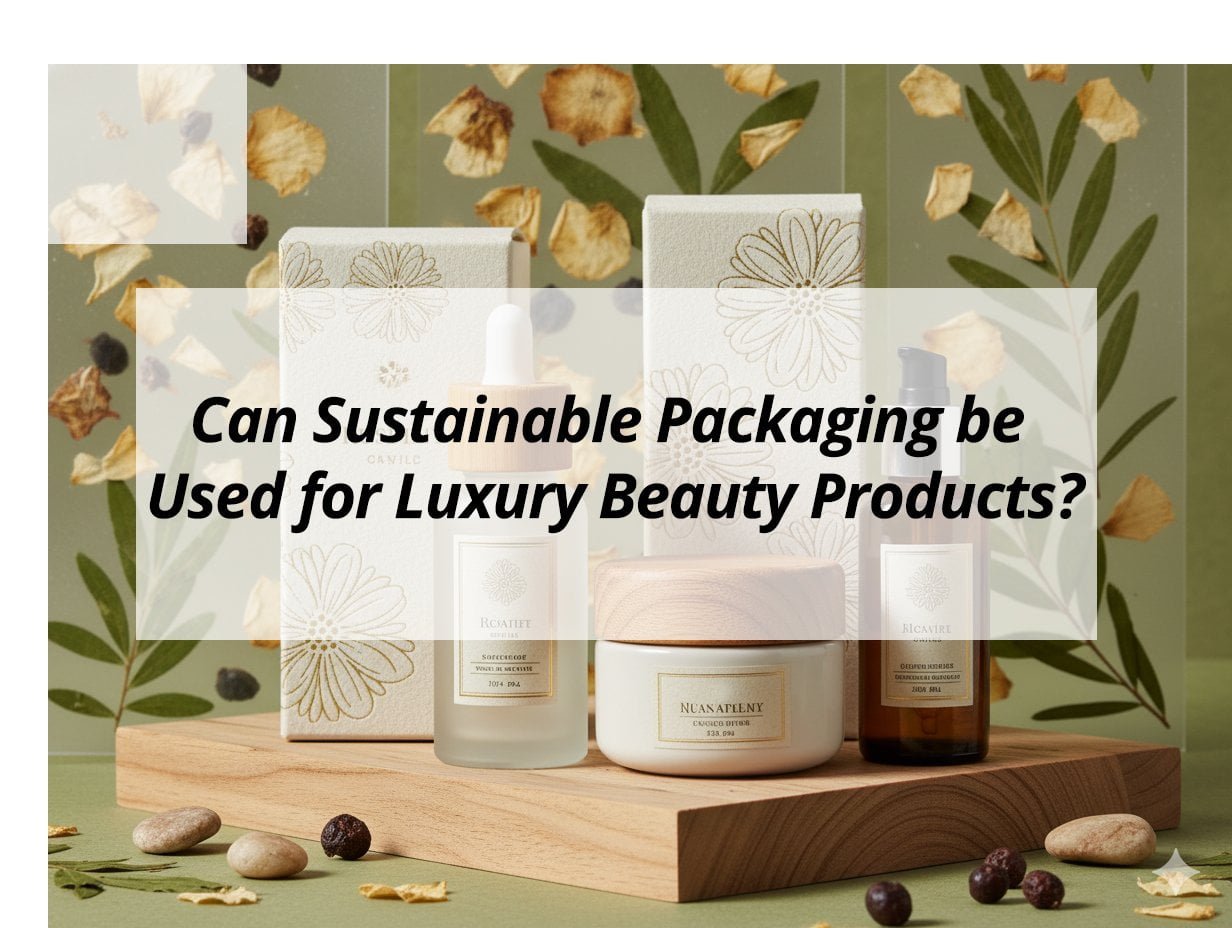
Are you wondering if luxury beauty can truly embrace eco-friendly packaging without losing its premium feel? Many believe sustainable options mean sacrificing elegance. However, modern sustainable packaging solutions are changing this perception.
Yes, sustainable packaging can absolutely be used for luxury beauty products, and it is a growing trend. Advancements in materials like high-quality post-consumer recycled (PCR) glass and plastic, innovative refillable systems, and elegant, minimalist designs allow luxury brands to maintain their sophisticated aesthetic while reducing environmental impact. This approach offers both exclusivity and ecological responsibility, appealing to conscious consumers.
As a cosmetic packaging supplier, I see how luxury brands are increasingly looking for ways to integrate sustainability. They understand that today's discerning consumer values both exquisite design and environmental stewardship. The challenge is to combine these elements seamlessly.
Does Lush use sustainable packaging?
Are you curious about how well-known brands approach sustainability in their packaging? Lush is famous for its unique products and strong ethical stance. It is worth examining their packaging practices to see if they are truly sustainable.
Yes, Lush extensively uses sustainable packaging practices1, often pioneering innovative solutions to minimize waste. They are well-known for their "naked" products that require no packaging, and for using a high percentage of recycled and recyclable materials2, including post-consumer recycled (PCR) plastic for bottled items. Lush also encourages customers to return empty containers for recycling or reuse, demonstrating a strong commitment to circularity.
Lush's approach is often held up as an example of what is possible. Their dedication to reducing packaging overall, and using responsible materials where packaging is necessary, shows a strong brand commitment to environmental values.
Naked Products
Lush is famous for products without packaging.
- Solid Formulations: Many of their products, like shampoo bars and bath bombs, are sold in solid form. This means no bottles or jars are needed.
- Reduced Waste: This approach entirely eliminates the need for primary packaging. This cuts down on plastic and other materials significantly.
- Minimalist Approach: It embodies a truly minimalist approach to packaging.
Recycled and Recyclable Materials
For products that do need packaging, Lush chooses carefully.
- High PCR Content: A large portion of their plastic containers is made from 100% post-consumer recycled (PCR) plastic3. This reduces the demand for virgin plastic.
- Recyclable Design: All their plastic pots and bottles are designed to be recyclable. This ensures they can be processed by recycling facilities.
- Reusable Tins/Wraps: They use reusable tins for solid products and Knot Wraps (reusable fabric wraps) as alternatives to gift wrap.
Return and Reward Program
Lush encourages customers to participate in their circular economy.
- "Bring It Back" Scheme: Customers can return empty black pots to Lush stores. This incentivizes recycling and reuse.
- Rewards: Customers often receive a free product for returning a certain number of empty pots. This fosters customer loyalty and environmental action.
- Closed-Loop System: The returned pots are then cleaned, re-granulated, and remolded into new Lush packaging. This creates a closed-loop system.
Other Sustainable Practices
Lush's sustainability goes beyond just packaging.
- Ethical Sourcing: They prioritize ethically sourced ingredients. This includes fair trade and cruelty-free practices.
- Reduced Water Usage: Many solid products reduce the need for water in formulations. This also means less water in transit.
- Transparency: They are open about their supply chains and environmental efforts.
How do luxury brands be more sustainable?
Are you a luxury brand aiming to integrate sustainability without compromising your premium image? This is a growing challenge and opportunity. Luxury brands can adopt several strategies to become more sustainable while maintaining exclusivity and quality.
Luxury brands can become more sustainable by focusing on high-quality, durable, and timeless packaging designed for reuse or refill. They can also utilize ethically sourced, rare, or post-consumer recycled (PCR) materials that retain a luxurious feel. Implementing transparent supply chains, reducing carbon footprint across operations, and engaging in ethical sourcing practices all contribute to a holistic approach to sustainability that enhances, rather than detracts from, their luxury appeal.
In my role as a cosmetic packaging supplier, I see luxury clients seeking sophisticated yet responsible materials. The goal is to create unique cosmetic packaging that tells a story of both exquisite craftsmanship and environmental care.
Embrace Refillable Systems
Refill models fit well with the luxury concept of enduring quality.
- Durable Primary Packaging: Design exquisite, long-lasting primary containers. These should be made from high-quality materials like heavy glass or metal.
- Elegant Refill Inserts: Offer easily replaceable, minimalist refill inserts. These should maintain the brand's aesthetic.
- Exclusivity in Reuse: Position the primary packaging as a collectible, high-value item meant to be kept and cherished.
Utilize Premium Recycled Materials
High-quality recycled materials can still convey luxury.
- PCR Glass: Use clear, perfectly formed glass made from a high percentage of post-consumer recycled content. This reduces virgin material use while looking pristine.
- PCR Plastics: Select PCR plastics that maintain clarity, color consistency, and a smooth finish. This ensures the packaging still feels premium.
- Recycled Metals: Explore recycled aluminum or other metals for components.
Focus on Minimalist and Timeless Design
Less can be more, especially in luxury.
- Streamlined Aesthetics: Simple, elegant designs that transcend fleeting trends. This promotes longevity.
- Reduced Material Use: Eliminate unnecessary layers or components. Focus on high-quality core packaging.
- Natural Materials: Incorporate sustainable wood, bamboo, or stone for unique touches. These should be responsibly sourced.
Transparent and Ethical Supply Chains
Luxury consumers value authenticity and integrity.
- Ingredient Sourcing: Ensure all ingredients are ethically harvested and sustainable.
- Manufacturing Processes: Partner with manufacturers who use renewable energy and reduce waste.
- Certifications: Seek certifications for sustainability, ethical labor, and organic ingredients.
Does Zara use sustainable packaging?
Are you interested in how large fashion and beauty retailers are addressing sustainability? Zara, a global giant, has been making strides to improve its environmental footprint. Their packaging practices reflect some of these efforts.
Zara has committed to using more sustainable packaging, particularly for their fashion and beauty lines. They aim for all packaging to be reusable, recyclable, or compostable. This includes reducing plastic, increasing recycled content (such as post-consumer recycled materials), and introducing paper-based packaging for online orders. While a global brand's scale presents challenges, Zara is actively working towards more eco-friendly cosmetic packaging solutions.
As a cosmetic jar manufacturer, I observe that even fast-fashion and beauty brands are feeling the pressure to adapt. The shift towards sustainable packaging is becoming an industry standard, even for high-volume players like Zara.
Packaging Goals and Commitments
Zara has set clear targets for its packaging.
- 100% Sustainable Packaging: Their public goal is for all packaging to be reusable, recyclable, or compostable. This applies across all products, including beauty.
- Plastic Reduction: They actively work to reduce the amount of virgin plastic used in their packaging.
- Increased Recycled Content: They prioritize materials with post-consumer recycled (PCR) content.
Online Order Packaging
A significant area of focus for their sustainable efforts.
- Paper-Based Packaging: For online shipments, they use paper bags and cardboard boxes. This replaces plastic poly mailers.
- FSC Certified Materials: The paper and cardboard used are often Forest Stewardship Council (FSC) certified. This ensures responsible sourcing.
- Minimalist Approach: Packaging for online orders is designed to be as minimal as possible.
In-Store Packaging
Changes are also visible in their physical stores.
- Reusable Bags: They encourage the use of reusable shopping bags. They offer paper bags as an alternative to plastic.
- Recycled Materials: In-store cosmetic packaging components increasingly use recycled plastic or glass where applicable.
- Simplified Design: Reducing complex packaging structures that are difficult to recycle.
Challenges of Scale
For a brand of Zara's size, sustainability is a large undertaking.
- Global Supply Chain: Managing sustainable practices across a vast global network is complex.
- Consumer Behavior: Educating a massive customer base on recycling and reuse is an ongoing challenge.
- Material Availability: Sourcing sustainable materials at the required volume can be difficult.
Is rare beauty packaging sustainable?
Are you interested in the sustainability efforts of newer, popular beauty brands? Rare Beauty, founded by Selena Gomez, has quickly gained attention for its inclusive ethos. It is important to examine if their packaging aligns with sustainable practices.
Rare Beauty's packaging aims for sustainability through thoughtful design and material choices. They prioritize recyclable materials, especially aluminum and glass, which are highly recyclable and used for items like liquid blushes and foundations. While not all components are fully sustainable due to industry limitations, they focus on minimizing virgin plastic and designing unique cosmetic packaging that is often mono-material to aid recycling, showing a commitment to eco cosmetic packaging.
As a cosmetic bottle supplier, I observe that newer brands like Rare Beauty are often built with sustainability in mind from the start. They integrate these values into their brand identity, which resonates strongly with their target audience.
Material Choices
Rare Beauty focuses on highly recyclable materials.
- Glass: Many of their core products, like foundation and liquid blush, come in glass bottles. Glass is infinitely recyclable and gives a premium feel.
- Aluminum: Used for components like mascara tubes and some caps. Aluminum is also highly recyclable.
- Reduced Plastic: They actively work to minimize the use of virgin plastic. They opt for mono-material plastics where possible.
Design for Recycling
Their packaging is often created with end-of-life in mind.
- Mono-Material Components: Where plastic is used, they aim for single-material parts. This makes it easier for recycling facilities to process.
- Detachable Parts: Designs allow for easy separation of different materials (e.g., separating a plastic pump from a glass bottle).
- No Unnecessary Elements: They avoid excessive ornamentation or mixed materials that complicate recycling.
Brand Ethos and Transparency
Rare Beauty's values extend to their environmental efforts.
- Inclusive and Conscious Brand: Their brand narrative emphasizes thoughtfulness, which extends to their packaging choices.
- Transparency: They communicate their efforts and challenges regarding sustainability to their customers.
- Continuous Improvement: Like many brands, they are likely on a journey to improve their sustainability further as technology and infrastructure evolve.
Challenges
Even with good intentions, some challenges remain.
- Pump/Applicator Components: Pumps, droppers, and applicators often contain multiple materials. This makes them difficult to recycle.
- Material Availability: Sourcing fully sustainable options for all components at scale can be hard.
- Consumer Recycling Infrastructure: The effectiveness of sustainable packaging relies on local recycling capabilities.
My Insights: Integrating Sustainability in Luxury Beauty Packaging
Struggling to balance luxury appeal with environmental responsibility? Discover how sustainable packaging can redefine luxury beauty products.
Sustainable packaging can be seamlessly integrated into luxury beauty products, preserving premium aesthetics and increasing brand loyalty. Innovations in eco-friendly materials4, such as recycled glass and bamboo, meet consumer demands without sacrificing elegance.
Embracing Sustainability in Luxury Beauty
Key Materials:
Luxury brands are leveraging sustainable materials while maintaining a high-end feel. Options include:
- Recycled Glass: Offers recyclability and stability.
- Bamboo: Provides a natural, elegant appearance.
- PCR Plastics: Reduces environmental impact without losing quality.
Brand Examples:
Several luxury brands successfully incorporate sustainable practices:
| Brand | Strategy |
|---|---|
| Chanel | Refillable glass jars for No.1 line |
| Hermès | Metal refillable lipsticks inspired by fashion ethos |
| Gucci | Uses 100% recycled plastics and biodegradable lids |
Design Strategies:
- Minimalist Designs: Use water-based coatings and compostable labels to maintain luxury while being eco-friendly.
- Packaging Reduction: Thin walls and fewer layers reduce waste.
- Eco-Certifications: Enhance brand credibility and consumer trust.
Sustainable packaging not only meets consumer expectations but also positions luxury brands as leaders in environmental responsibility, offering a unique selling proposition and strengthening brand image.
Conclusion
Sustainable packaging is vital for luxury beauty, utilizing PCR materials, refillable designs, and minimalist aesthetics. Brands like Lush and Rare Beauty lead with innovative, eco-conscious solutions. Even global players like Zara are embracing these changes, proving sustainability and luxury can coexist.
-
Explore innovative sustainable packaging practices that brands are adopting to minimize waste and enhance eco-friendliness. ↩
-
Discover the benefits of using recycled and recyclable materials in packaging for sustainability. ↩
-
Understand the significance of PCR plastic in reducing virgin material use and promoting recycling. ↩
-
Explore the range of eco-friendly materials that luxury brands can use to enhance sustainability. ↩