
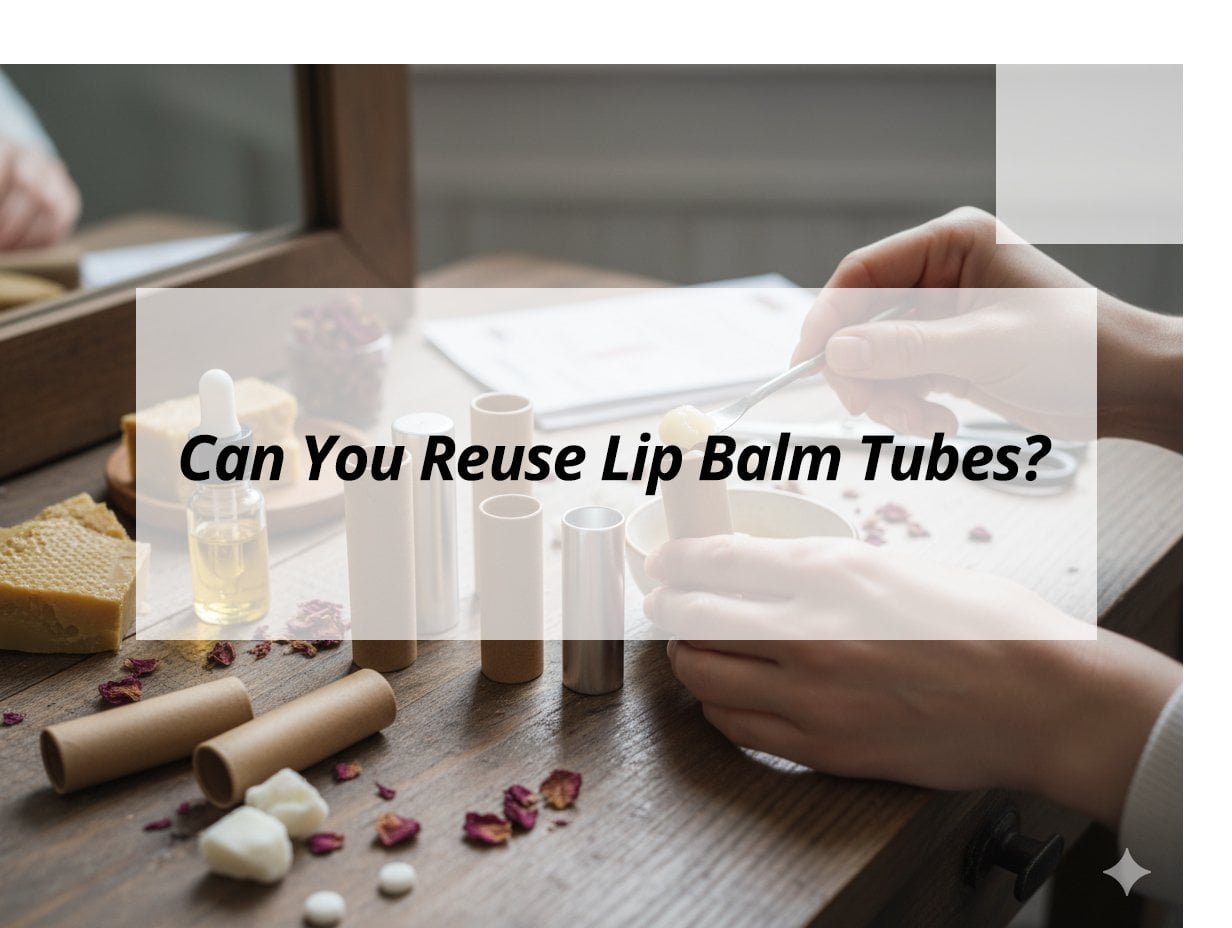
Many consumers dispose of empty lip balm tubes. This generates unnecessary waste. It also overlooks opportunities for sustainable practices.
Lip balm tubes, particularly those made from durable plastics or metal, are often suitable for reuse. Reusing them contributes to reducing plastic waste and supports a more sustainable approach. Adhering to proper cleaning and refilling procedures is essential for maintaining hygiene and functionality.
The reuse of lip balm tubes represents a straightforward step toward environmental responsibility. It benefits the environment. It can also offer economic advantages. This guide provides effective methods for their reuse.
Can I reuse lip balm tubes?
Consumers frequently question the safety of reusing lip balm tubes. Concerns arise regarding hygiene and the durability of materials. These considerations are important.
Many types of lip balm tubes, especially those constructed from robust plastic, aluminum, or paperboard, are suitable for reuse. This practice minimizes waste and supports circular economy principles. The primary requirements are thorough cleaning and an understanding of the material composition.
Reusing tubes is an effective method to decrease waste. Most plastic tubes consist of polypropylene (PP) or polyethylene (PE). These plastics possess sufficient durability for multiple uses. Metal tubes, such as aluminum, are also highly reusable. Paperboard tubes present greater challenges for reuse. They may not withstand water-based cleaning processes. Material identification is a crucial first step. If the material appears sturdy, it likely possesses reuse potential.
Material Types and Reusability of Lip Balm Tubes
Different materials offer varying degrees of reuse potential.
| Material Type | Reusability Potential | Considerations |
|---|---|---|
| PP Plastic | High | Common, durable, facilitates cleaning. |
| PE Plastic | High | Durable, widely used, generally safe for repeated application. |
| Aluminum | Very High | Exceptionally durable, easily cleaned, resists degradation. |
| Paperboard | Low | Difficult to clean without damage, susceptible to moisture absorption. |
| Mixed Material | Medium | Reusability depends on the dominant material; cleaning can be complex. |
PP and PE tubes are generally favored due to their robustness. Their ease of sanitation makes them well-suited for refilling. Aluminum tubes offer superior longevity.
Benefits of Reusing Lip Balm Tubes
Reusing offers several advantages.
- Waste Reduction: Each tube reused directly contributes to lessening plastic waste in landfills or marine environments. This is a significant environmental benefit.
- Cost Savings: Purchasing bulk lip balm ingredients or crafting homemade balm is often more economical than acquiring new pre-filled tubes.
- Environmental Support: It reinforces circular economy principles. It promotes a greater appreciation for resource conservation.
- Customization: Users can personalize their lip balm refills. This allows for the creation of unique formulations.
Reusing is a practical choice. It supports environmental conservation. It also fosters creativity in personal care.
How to clean a lip balm tube?
Many individuals hesitate to reuse tubes due to uncertainty regarding effective cleaning methods. Concerns about bacterial contamination or residue often arise. This is a prevalent apprehension.
To effectively clean a lip balm tube for subsequent reuse, first remove all remaining balm. Then, wash the tube thoroughly with hot, soapy water, employing a small brush if necessary. Finally, rinse comprehensively and allow it to air dry completely to prevent the proliferation of mold or bacteria.
The cleaning process is direct. Thoroughness is essential. Begin by eliminating any residual lip balm. A small spatula or cotton swab can facilitate this. Gently warming the tube can help melt stubborn remnants. After removing the bulk, use hot water and dish soap. A small brush, such as a pipe cleaner or an old toothbrush, is effective for internal cleaning. This ensures all interior surfaces are addressed. Rinse thoroughly under running hot water. Confirm that no soap residue remains. Subsequently, allow the tube to air dry completely. Placing it on a clean towel or using a hair dryer on a cool setting can assist drying. Complete dryness is crucial. Any residual moisture can promote mold growth.
Step-by-Step Cleaning Protocol
Adhere to these steps for a sanitized tube.
- Residue Removal:
- Scrape out any residual lip balm using a small utensil.
- Gently heat the tube to melt any persistent traces.
- Soapy Wash:
- Submerge the tube and its cap in hot, soapy water.
- Utilize a small brush to scrub both internal and external surfaces.
- Thorough Rinse:
- Rinse all components under hot, flowing water.
- Ensure the complete absence of soap suds.
- Complete Drying:
- Place components on a clean, dry cloth or paper towel.
- Allow to air dry for several hours, or employ a cool air dryer.
A clean tube ensures safe reuse. This procedure is simple. It requires adequate time.
Essential Cleaning Recommendations
Consider these additional points for optimal results.
- Optional Sterilization: For enhanced hygiene, after drying, internal surfaces can be wiped with rubbing alcohol. Allow to air dry again.
- Avoid Abrasive Chemicals: Do not use bleach or strong chemical cleaners. These can degrade plastic materials. They can also leave harmful residues.
- Inspect for Damage: Prior to cleaning, examine the tube for any cracks or damage. Damaged tubes should not be reused.
- Dedicated Tools: Designate a small brush solely for tube cleaning. This prevents cross-contamination.
Proper cleaning ensures the hygienic readiness of a reused tube. It prepares it for a fresh lip balm application.
How to refill a lip balm tube?
After successful cleaning, many individuals are uncertain about the actual refilling process. Concerns about mess or achieving the correct balm consistency often deter them. This is a frequent barrier to reuse.
To refill a lip balm tube, prepare the desired lip balm mixture by melting ingredients such as beeswax, various oils, and butters. Carefully pour the melted mixture into the clean, empty tube, filling it nearly to the top. Allow the mixture to cool and solidify completely before securing the cap.
Refilling tubes can be a gratifying activity. First, formulate the lip balm. This typically involves melting components like beeswax, shea butter, cocoa butter, and various carrier oils (e.g., coconut, almond, jojoba). Essential oils can be incorporated for fragrance or flavor. Once melted and thoroughly mixed, allow the mixture to cool slightly. It should remain liquid but not be excessively hot. Employ a dropper or a small funnel to meticulously pour the mixture into the clean, dry tubes. Fill them almost to the very top. As the balm cools, a slight indentation may form in the center. A small second pour can be added to top it off if desired. Allow the tubes to stand upright for several hours. This enables the balm to set completely. Do not cap them until they are fully solidified. This prevents internal condensation.
Step-by-Step Refilling Procedure
Follow these steps to refill tubes.
- Balm Preparation:
- Melt base ingredients (waxes, butters, oils) using a double boiler method.
- Integrate any preferred scents, flavors, or colorants.
- Stir until a homogeneous liquid is achieved.
- Careful Pouring:
- Utilize a dropper or small funnel for precise filling.
- Fill tubes nearly to the brim, leaving a minimal gap.
- Allow the balm to cool for approximately 5-10 minutes.
- Optional Top-Off:
- If the balm recedes, gently re-melt a small quantity and top off each tube.
- Fill slightly above the rim to achieve a smooth, domed surface.
- Complete Cooling:
- Permit tubes to remain upright at room temperature for several hours.
- Avoid disturbance until the balm is fully solid.
- Capping and Storage:
- Once completely solid, gently twist the balm down slightly.
- Securely cap the tubes.
This methodology yields a smooth, professionally finished lip balm refill.
Advice for Optimal Refills
Consider these supplementary recommendations.
- Slight Overfill: To achieve a perfectly flat top, slightly overfill the tube initially. The balm will contract upon cooling.
- Syringe Use: A clean plastic syringe (without a needle) facilitates precise and mess-free pouring.
- Protected Workspace: Cover the work surface with newspaper or parchment paper. This protects against spills.
- Recipe Experimentation: Vary the ratios of oils and waxes. This influences the final texture.
- Product Labeling: If producing multiple formulations, label the tubes accordingly.
Refilling lip balm tubes is a rewarding activity. It provides control over ingredients. It also reduces waste.
What to do with an empty lip balm tube?
Upon depletion, empty lip balm tubes are frequently discarded. This oversight contributes to landfill waste.
Multiple sustainable options exist for empty lip balm tubes. These include cleaning and refilling them with custom balm, repurposing them for travel-sized products or small craft projects, or consulting local recycling guidelines for proper disposal. Selecting any of these options helps mitigate waste accumulation.
An empty lip balm tube retains value beyond its initial use. Reuse is generally the most favorable option. If direct reuse for lip balm is impractical, consider other small item applications. Minor craft endeavors often benefit from these compact containers. Should reuse not be viable, recycling is the subsequent preferred course of action. Always consult local recycling regulations, as acceptance criteria vary by region. Some facilities may accept specific plastic types that others do not.
Creative Repurposing Ideas for Empty Tubes
Repurposing grants tubes a secondary function.
- Travel-Sized Containers: Fill with small quantities of lotion, solid perfume, or emergency gels.
- Craft Storage:
- Utilize for organizing small beads or sequins.
- Store needles or pins for sewing projects.
- Create miniature crayons by melting down old crayon remnants.
- Seed Germinators: Small tubes can serve as individual containers for seed starting.
- Fire Starters: Fill with cotton saturated in petroleum jelly for outdoor use.
The potential applications are extensive. They require a degree of creative thinking.
Recycling Empty Lip Balm Tubes
If reuse or repurposing is not feasible, recycling is an alternative.
- Local Guidelines: Always refer to local municipal recycling program websites for specific instructions.
- Material Identification: Locate the recycling symbol (typically a number within a triangle) on the tube. Most lip balm tubes are composed of #5 (PP) or #2 (PE) plastics.
- Thorough Cleaning: Even for recycling, a clean tube is preferred. Remove all balm residue.
- Specialized Programs: If local recycling does not accept these items, programs like TerraCycle often handle hard-to-recycle plastics. They may have designated collection points.
Efforts to reuse, repurpose, or recycle contribute to diverting these small items from waste streams. Every small action cumulatively impacts environmental conservation.
My Insights: Can You Reuse Lip Balm Tubes?
Wondering how to make the most of your lip balm tubes? Discover safe and creative ways to reuse them effectively.
Clean and sanitize lip balm tubes thoroughly before reusing them for homemade balms, perfumes, or small craft projects. Ensure tubes are intact with no residue to prevent hygiene issues. Reusing helps reduce plastic waste.
Safe Reuse of Lip Balm Tubes
Cleaning and Sanitizing
- Effective Methods: Scrape out residue, wash with soap, boil briefly, and sanitize with alcohol.
- Hygiene Tips: Avoid reuse if you've had infections; discard damaged or smelly tubes.
Creative Reuses
| Use | Description |
|---|---|
| DIY Projects | Refill with homemade balms or perfumes. |
| Storage Solutions | Store sewing needles or small spices. |
Environmental Impact
Reusing lip balm tubes reduces demand for new plastics and minimizes waste. Consider transitioning to refillable tins or glass pots for sustainable alternatives. Utilizing take-back programs can complement responsible disposal.
This approach not only supports eco-friendly practices but also encourages resourceful creativity.
Conclusion
Reusing lip balm tubes offers a straightforward yet meaningful method for waste reduction. Through effective cleaning, refilling, and repurposing, individuals contribute to a more sustainable environment. Prioritize reuse before considering recycling options.