
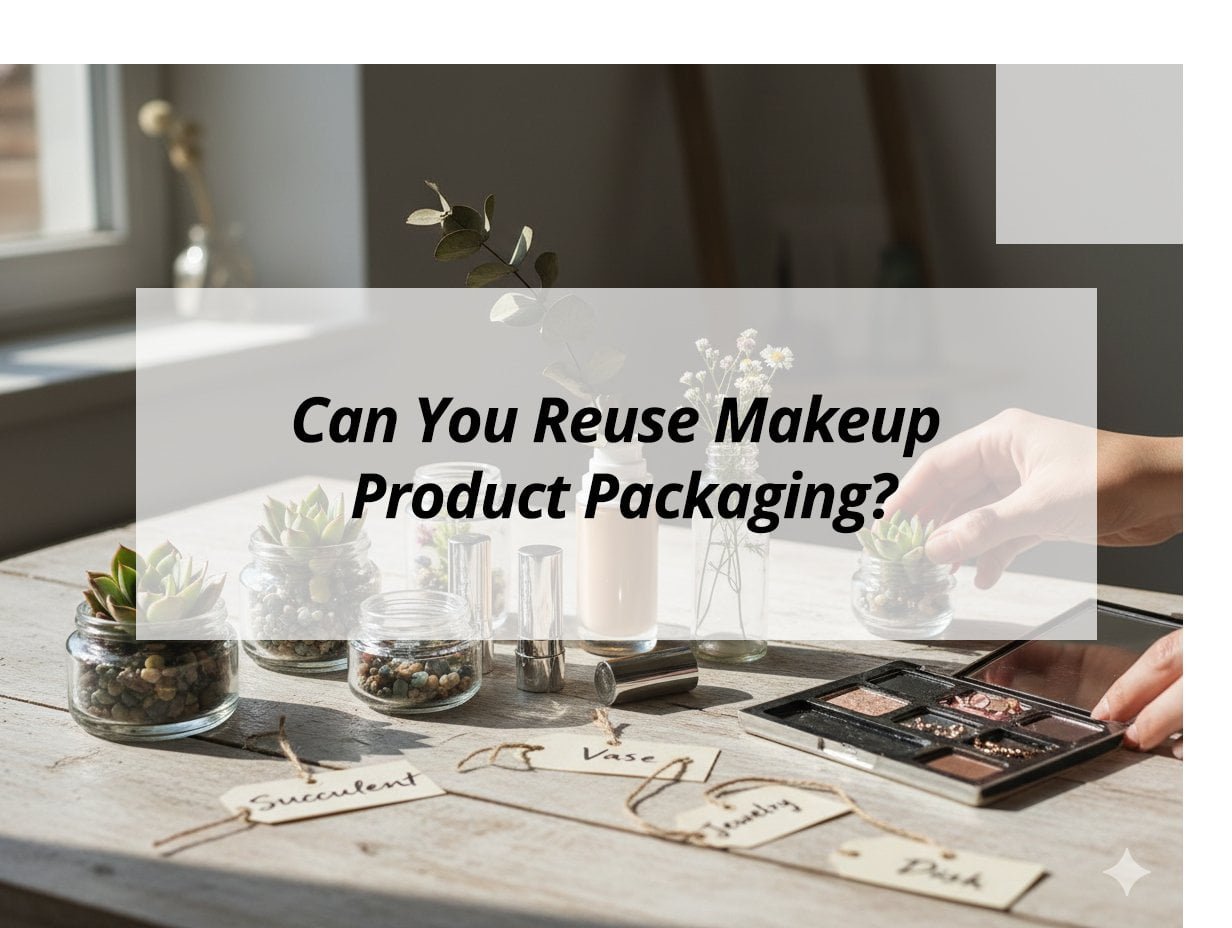
You have an empty makeup container. Is it destined for the trash? Many consider giving packaging a second life. Reusing helps conserve resources.
Yes, some makeup product packaging is suitable for reuse. This largely depends on the material type and the container's design. Thorough cleaning of the empty container is essential. Some brands also provide refill options, supporting waste reduction.
Packaging lifecycles are a critical consideration. Various container types exist in the market. Repurposing packaging is a practical approach. It benefits resource efficiency and environmental efforts.
Can Plastic Packaging Be Reused?
Plastic is a common material in cosmetic packaging. Its potential for reuse is a frequent inquiry. Disposal of plastic contributes significantly to waste.
Plastic packaging can often be reused after proper cleaning. The durability of the plastic influences its suitability. Thicker, robust plastics are more amenable to reuse. Flimsy plastics may not withstand repeated use. Always inspect for damage before repurposing.
Plastic containers vary in strength. Some exhibit significant durability, while others do not. Selecting appropriate plastics supports extended packaging lifespans. This contributes to overall sustainability.
Consider a durable plastic jar. After thorough cleaning, it can store small items. This might include desk supplies or craft materials. This assigns a new function to the packaging, minimizing the need for new purchases.
Methods for Safely Reusing Plastic Containers
Safe reuse of plastic necessitates careful preparation. This involves removing product residues and eliminating contaminants.
- Wash thoroughly with hot, soapy water: Ensure all surfaces, interior and exterior, are scrubbed.
- Rinse completely: Remove all soap residue to prevent contamination.
- Sanitize as needed: Use a sanitizing agent for enhanced cleanliness.
- Allow to dry fully: Prevent mold or bacterial growth from moisture.
- Examine for integrity: Discard if cracks, deep scratches, or other damage are present.
A sturdy lipstick tube, properly cleaned, can be repurposed for solid perfumes or small emergency kits. This demonstrates the versatility of cosmetic packaging. Such practices extend material utility.
Plastic Types Best Suited for Reuse
Not all plastics offer equal potential for reuse. Certain types are more durable and stable.
| Plastic Type | Common Cosmetic Uses | Reuse Potential |
|---|---|---|
| PET (1) | Some serum bottles, thin bottles | Limited |
| HDPE (2) | Lotion bottles, cleanser bottles | Good |
| PVC (3) | Less common due to concerns | Not Recommended |
| LDPE (4) | Squeeze tubes | Moderate |
| PP (5) | Jars, compacts, caps | Excellent |
| PS (6) | Some compacts, inexpensive items | Poor |
| Other (7) | Blended or multi-layer plastics | Variable |
When evaluating can cosmetic containers be recycled, PP (Polypropylene) and HDPE (High-Density Polyethylene) are often preferred due to their durability and common recyclability. These characteristics also make them favorable for reuse.
Utilizing robust plastics can facilitate easier reuse or recycling for consumers. This practice contributes to more sustainable consumption patterns.
Does Ulta Recycle Makeup Containers?
Consumers often inquire about recycling options for empty makeup containers purchased from large retailers like Ulta. This reflects a growing interest in post-consumer waste management.
Ulta does not operate a universal, company-wide in-store recycling program for all makeup containers. However, they engage in partnerships, such as with TerraCycle. This allows for the recycling of specific beauty empties. Customers should consult Ulta's official channels for current program details.
Many Beauty brands with recycling programs have emerged. Retailer partnerships with specialized recycling services illustrate a model for managing cosmetic waste. Such initiatives offer consumers avenues for responsible disposal.
Understanding the specific requirements of each recycling program is crucial. These may include accepted item types, drop-off locations, or mail-in procedures. Adhering to these guidelines ensures effective recycling.
Facilitating Recycling Through Ulta's Partners
If Ulta utilizes a partner like TerraCycle, the process typically involves several steps.
- Locate participating retail points: Not all locations may offer the program.
- Identify designated collection bins: These are typically found within stores.
- Verify accepted materials: Ensure your empties meet the program's criteria.
- Prepare containers: Rinse empties thoroughly before depositing.
Implementing take-back programs presents logistical complexities. Retailer collaborations with established recycling organizations streamline this process. This makes recycling more accessible to consumers.
Significance of Retailer Recycling Initiatives
Retailer-led recycling programs hold significant importance. They simplify the recycling process for the public.
- Accessibility: Offers convenient drop-off points within existing retail visits.
- Consumer Education: Raises awareness regarding proper recycling practices.
- Waste Diversion: Reduces the volume of waste sent to landfills.
- Brand Responsibility: Demonstrates commitment to environmental stewardship.
Consideration for the end-of-life of packaging is an integral part of responsible product management. This includes assessing whether can cosmetic containers be recycled effectively through such programs. It adds value beyond the primary product function.
Can I Reuse Packaging for Returns?
When returning an item purchased online, the question of reusing the original packaging arises.
Yes, reusing original packaging for returns is generally permissible. This practice offers cost savings on new packaging and minimizes waste. The original packaging must remain structurally sound to protect the item during transit. If damaged, secure new, appropriate packaging.
Return packaging often involves the original container. Reutilizing it is both efficient and environmentally sound. Packaging designs should account for potential return journeys.
For instance, receiving a Serum bottle wholesale order might involve returning a portion. The original shipping container is usually the most suitable option. It offers a custom fit and adequate protection.
Guidelines for Reusing Packaging for Returns
To successfully reuse packaging for returns, adhere to these guidelines.
- Assess physical condition: Check for tears, crushes, or signs of weakening.
- Remove prior labels: Ensure all old shipping labels and barcodes are completely removed.
- Reinforce seals: Use strong adhesive tape to secure all seams and openings.
- Add protective fill: Supplement internal cushioning if original material is insufficient.
- Apply new label clearly: Affix the new return label prominently and securely.
Reusing packaging for returns, such as for Eco friendly makeup packaging samples, is a practical approach. It simplifies the return process and supports resource conservation.
When Reuse for Returns is Not Advisable
In certain situations, reusing packaging for returns is not recommended.
| Condition | Rationale for Avoiding Reuse |
|---|---|
| Significant structural damage | Inadequate protection for contents. |
| Compromised integrity | Risk of further damage during transit. |
| Internal contamination | Potential to affect other shipments. |
| Insufficient size for item | Inability to protect items properly. |
| Original design for one-way shipping only | May not be robust enough for return journey. |
Exercising good judgment is paramount. Ensuring item protection is critical to prevent complications and guarantee safe arrival of the return. This applies even to packaging initially designed for Sustainable lip Gloss packaging.
Does Sephora Recycle Makeup Containers?
Sephora, a major beauty retailer, faces similar questions regarding its recycling provisions. This interest highlights growing consumer environmental awareness.
Yes, Sephora operates an in-store recycling initiative known as "Beauty (Re)Purposed." This program enables customers to deposit empty beauty containers at participating locations. It accepts various types of empties, promoting proper recycling of makeup packaging.
Examining Beauty brands with recycling programs reveals Sephora's proactive stance. Its program offers a convenient recycling solution, aligning with consumer values and contributing to waste reduction efforts.
Prior to visiting, verify participation of your specific store via their website. Also, confirm the range of accepted container types. Pre-cleaning empties is typically a recommended step.
Utilizing Sephora's Recycling Program
Sephora's recycling program is designed for ease of use.
- Locate a Sephora store: Identify locations participating in "Beauty (Re)Purposed."
- Gather empty containers: Collect all used makeup packaging.
- Clean thoroughly: Rinse out any remaining product residues.
- Deposit in designated bin: Place items in the clearly marked in-store recycling bin.
Discussions with cosmetic brands indicate that Sephora's program offers a valuable channel for managing customer empties. This enhances a brand's appeal through its commitment to sustainability.
Advantages of Retailer-Driven Recycling
Retailer-led recycling programs yield numerous benefits.
- Environmental Impact: Diverts waste materials from landfills and incineration.
- Consumer Engagement: Fosters responsible consumption habits among customers.
- Corporate Reputation: Strengthens the brand's image as environmentally conscious.
- Resource Recovery: Facilitates the reintroduction of materials into manufacturing cycles.
These initiatives are crucial for simplifying individual contributions to environmental conservation. They underscore the fact that can cosmetic containers be recycled when accessible systems are in place.
My Insights: Can You Reuse Makeup Product Packaging?
Wondering about the sustainability of your cosmetics? Learn how to safely reuse makeup packaging to support eco-friendly beauty routines.
Makeup packaging like glass jars and metal tins can often be reused for storage or DIY projects. Ensure thorough cleaning for hygiene. Avoid reusing items like mascara tubes, which pose contamination risks. Reusing supports sustainability by reducing waste.
Guidelines and Creative Uses for Makeup Packaging
Safe Reuse Practices
Opt for hard, non-porous containers like glass and metal for reuse. Clean thoroughly with warm, soapy water and dry completely to prevent mold.
Creative Reuse Ideas
Repurpose small jars for travel-size products or storage of small items. Larger containers can become unique vases or pots.
| Packaging Type | Reusability Potential | Creative Use |
|---|---|---|
| Glass Jars | High, if well cleaned | Travel containers, mini vases |
| Metal Tins | High, versatile | Storage for small items |
| Plastic Bottles | Moderate, ensure proper cleaning | DIY crafts, storage |
| Cardboard | Low for reuse, but good for recycling | Decoration, drawer organization |
Hygiene and Safety
Avoid reusing items like mascara wands due to bacteria risk. Recycling programs, such as TerraCycle, can handle items unsuitable for reuse. Embrace sustainability by choosing packaging with reuse potential and considering the environmental impact of disposal.
Conclusion
Reusing makeup packaging is viable for certain materials after proper cleaning. Retailers like Ulta and Sephora offer recycling programs, providing avenues for responsible disposal of empties.