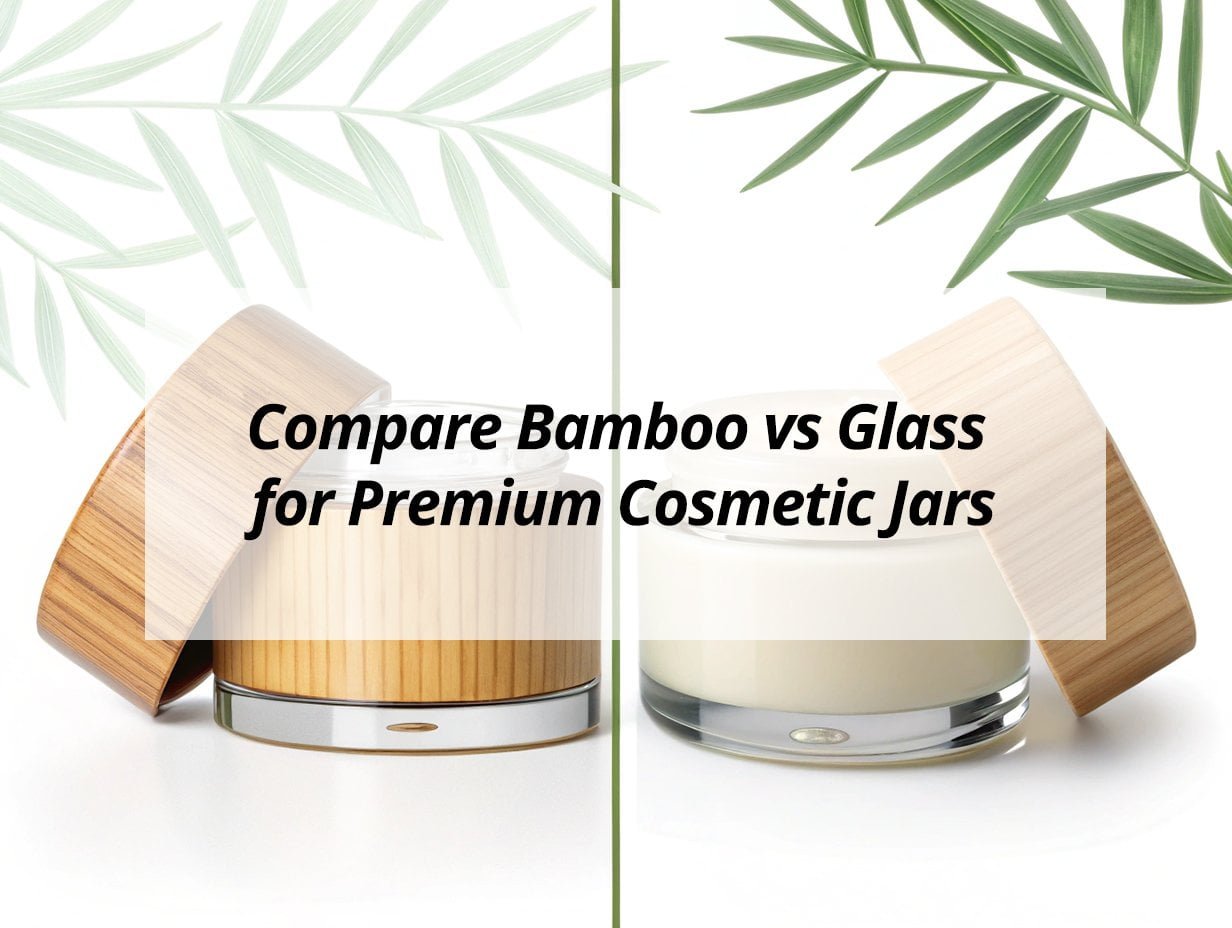
Choosing the right material for cosmetic jars can be overwhelming. With sustainability in focus, bamboo and glass emerge as top contenders.
Bamboo and glass are sustainable alternatives to plastic for premium cosmetic jars. Bamboo is biodegradable, reducing environmental waste, while glass is both reusable and recyclable, maintaining product quality. These materials provide eco-friendly options that align with consumer preferences for sustainable, high-quality packaging solutions.
Understanding the benefits of these materials will guide you in selecting the best option.
Is bamboo less toxic than plastic?
Plastic toxicity1 is a growing concern for eco-conscious consumers. Choosing a safer alternative is crucial.
Bamboo is less toxic than plastic, as it is a natural, chemical-free material. Unlike plastic, bamboo doesn’t leach harmful substances, making it a safe choice for environment-friendly packaging solutions.
Bamboo’s Safety
Bamboo offers numerous safety benefits compared to plastic. It’s derived from natural sources, ensuring minimal environmental harm.
-
Natural Composition2: Bamboo is a renewable resource. It grows quickly and doesn't require harmful fertilizers or pesticides. This makes it a safe option for packaging that comes into direct contact with skincare products.
-
Biodegradability: Bamboo decomposes naturally, reducing waste and pollution compared to plastic, which can take hundreds of years to break down. This feature makes bamboo a responsible choice for brands aiming for sustainability.
-
Non-Toxic Properties3: Bamboo doesn't leach chemicals into products. It ensures safe storage, especially for sensitive skincare formulations. Consumers can trust that their products remain pure and untainted.
| Aspect | Bamboo | Plastic |
|---|---|---|
| Source | Natural and renewable | Synthetic, oil-based |
| Decomposition | Biodegradable | Non-biodegradable, long-lasting waste |
| Chemical Risk | Non-toxic | Potentially harmful leaching |
The advantages of bamboo over plastic extend beyond environmental impacts, providing a safer and more sustainable packaging solution.
Are bamboo containers better than plastic?
The search for sustainable packaging is more important than ever for conscious brands.
Bamboo containers are superior to plastic in sustainability and aesthetics. They offer durability without compromising eco-friendliness, appealing to environmentally aware consumers.
Exploring Bamboo Container Benefits
Bamboo containers present numerous advantages, enhancing both brand image and product experience.
-
Aesthetic Appeal4: Bamboo’s natural finish provides a premium look, aligning with luxury brand standards and consumer taste. This natural aesthetic can enhance brand perception and command higher consumer trust and loyalty.
-
Durability: Bamboo containers are strong and long-lasting, ensuring product protection during transport and use. This durability makes bamboo a practical choice for both manufacturers and consumers wanting reusable options.
-
Sustainability: Bamboo's rapid growth and renewability make it an eco-friendly choice, reducing environmental footprint. Choosing bamboo also supports biodiversity, as its harvest doesn't destroy ecosystems.
| Benefit | Description |
|---|---|
| Aesthetic | Natural and luxurious appeal |
| Strength | Durable and protective |
| Environmental | Renewable and sustainable resource usage |
Leveraging bamboo in packaging enables brands to marry ecological responsibility with product appeal, ensuring sustainability is at the forefront.
Is glass better than plastic for skincare?
Consumers are increasingly leaning toward eco-friendly skincare packaging options.
Glass is better than plastic for skincare products due to its recyclability and non-reactive properties. It preserves product quality without contributing to plastic pollution.
Unpacking Glass Advantages in Skincare
Glass stands out as a superior skincare packaging material.
-
Non-Reactive Nature: Glass doesn’t react with skincare products, ensuring purity and effectiveness without contamination. This characteristic is essential for maintaining the delicate balance of active ingredients.
-
Recyclability: It’s 100% recyclable, supporting sustainable practices without losing quality or volume. Glass can be reused countless times without degrading, offering a perpetual lifecycle.
-
Aesthetic Elegance: Glass offers a clear, premium appearance, enhancing the consumer's visual experience. Its transparency can display the product attractively, influencing purchasing decisions.
| Feature | Glass |
|---|---|
| Reactivity | Non-reactive, preserves product integrity |
| Recycling | 100% recyclable, eco-friendly |
| Visual Appeal | Clear and elegant |
Glass provides manufacturers with a robust solution that aligns with consumer expectations for quality and sustainability.
Which material is more useful for making bottles, plastic or glass?
Selecting the right material impacts both environmental footprint and consumer experience.
Glass is a more useful material for bottles compared to plastic. It is eco-friendly, provides excellent product protection, and enhances the user experience with its premium look and feel.
Evaluating Material Utility in Bottles
Choosing between glass and plastic for bottles depends on several factors.
-
Environmental Impact: Glass has a lower environmental impact as it is fully recyclable, whereas plastic contributes to pollution. Transitioning to glass aligns with global sustainability goals and reduces the carbon footprint.
-
Product Protection5: Glass offers superior protection from contamination and UV rays, maintaining product quality. Unlike plastic, glass forms a perfect barrier to elements that can alter product stability.
-
Consumer Perception6: Glass is often perceived as high quality, appealing to consumers seeking premium products. This perception is crucial for brands positioning themselves in the luxury market, as it directly influences brand value.
| Consideration | Glass Advantage |
|---|---|
| Sustainability | Low environmental impact |
| Protection | Exceptional containment and preservation |
| Perception | Premium image and sensory experience |
Glass provides enhanced utility and sustainability for bottle manufacturing, offering benefits that align with both brand and consumer priorities.
My Insights: Bamboo vs Glass for Premium Cosmetic Jars
Conflicted about choosing bamboo or glass for your cosmetic jars? Each material impacts product appeal and sustainability, influencing brand perception.
Bamboo offers eco-friendly aesthetics and lightweight benefits, while glass provides luxurious appeal and superior protection. The choice depends on your brand's sustainability goals, product needs, and desired consumer experience.
Bamboo vs Glass Cosmetic Jars
1. Aesthetic Appeal
- Bamboo: Offers a natural, earthy look, appealing to eco-conscious consumers.
- Glass: Conveys high-end luxury through clarity and weight.
2. Environmental Impact
- Bamboo: Rapidly renewable with a low carbon footprint. Biodegradable exterior reduces waste.
- Glass: Recyclable without quality loss but energy-intensive to produce.
3. Product Protection
- Bamboo: Requires an inner liner for airtight protection, sometimes combined with moisture/UV treatments.
- Glass: Inert and impermeable, ideal for sensitive formulations.
4. Durability and Handling
- Bamboo: Lightweight and more drop-resistant.
- Glass: Heavier with risk of breakage.
Summary Table
| Attribute | Bamboo Jars | Glass Jars |
|---|---|---|
| Aesthetic | Natural, eco-friendly[2] | Luxurious, premium[3] |
| Sustainability | Fast-renewing, compostable[5] | Infinitely recyclable[3] |
| Product Safety | Needs liner, antibacterial protection[1] | Chemically inert, excellent barrier[3] |
| Durability | Lightweight, resistant to drops[6] | Heavy, fragile[7] |
Both bamboo and glass offer unique advantages. For modern sustainability appeal, consider bamboo; for classic elegance and maximum protection, opt for glass.
Conclusion
Bamboo and glass present eco-friendly, reliable alternatives to plastic for premium cosmetic jar packaging. They support sustainability while ensuring quality and appeal.
-
Learn about the health risks associated with plastic toxicity and why alternatives are essential. ↩
-
Discover the advantages of using natural materials in packaging for safety and sustainability. ↩
-
Find out why non-toxic packaging is crucial for consumer safety and product integrity. ↩
-
Explore the role of aesthetics in packaging and its impact on brand perception. ↩
-
Understand the importance of packaging in maintaining product integrity and safety. ↩
-
Discover how consumer perception influences brand loyalty and market positioning. ↩