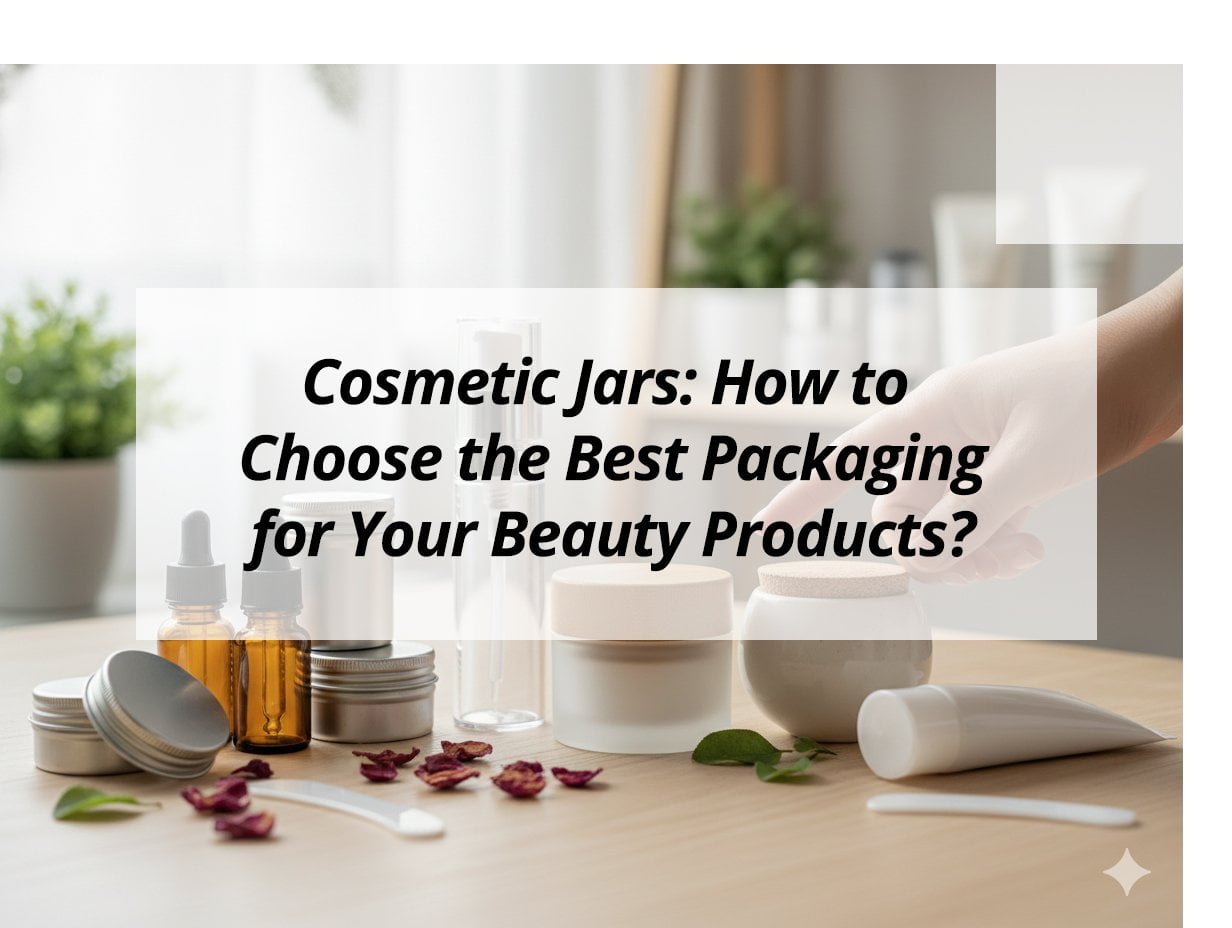
Your beauty products need good presentation. Poor packaging choices harm product appeal. Selecting the right cosmetic jars solves these issues. It enhances product visibility and protection.
Choosing the best cosmetic jars is essential for product success. It ensures product safety, attracts consumers, and communicates brand quality. Effective packaging boosts market appeal and maintains product integrity from production to consumer. Consider material, design, and functionality to meet your product's specific needs.
Many brands face challenges in selecting appropriate packaging. Issues range from material suitability to design flaws. This guide provides a clear framework for making informed decisions on cosmetic jar selection.
How to choose the right packaging for your product?
Is selecting the correct product packaging difficult for you? The wide variety of options can be overwhelming. An unsuitable choice can negatively impact your brand.
To choose the correct packaging, consider the specific product formulation, brand messaging, and target consumer demographics. Assess material properties, container size, and design aesthetics for optimal protection and market attraction. Aligning packaging with product requirements is fundamental.
Understanding the factors involved in packaging selection is key. Different product types have unique needs. For example, a thick cream requires different packaging than a light serum. The chosen material must protect the product from external elements such as light, air, and contamination.
Factors Influencing Packaging Selection
Several critical factors guide packaging choices.
-
Product Formulation:
- Creams and Lotions: Require airtight containers to prevent moisture loss and maintain consistency. Glass or robust plastic jars are common choices.
- Gels: Often benefit from pump dispensers or tubes for controlled application and hygiene.
- Powders: Best suited for wide-mouth jars or compacts for easy access and application.
- Oils: Dark or opaque glass bottles help protect light-sensitive oils from degradation.
-
Brand Identity:
- Luxury Brands: Often use heavy-gauge glass, bespoke shapes, and metallic or frosted finishes to convey exclusivity.
- Natural/Organic Brands: Tend to favor sustainable materials1 like bamboo, recycled content, or minimalistic designs to reflect their ethos.
- Mass Market Brands: Prioritize cost-effectiveness, durability, and broad appeal, often utilizing versatile plastic options with vibrant branding.
-
Target Market:
- High-End Consumers: Expect sophisticated aesthetics and premium tactile experiences.
- Value-Oriented Consumers: Look for practical, efficient, and economically priced packaging solutions.
- Environmentally Conscious Consumers: Seek out packaging made from sustainable, recycled, or recyclable materials.
Material Options for Cosmetic Jars
The material chosen profoundly impacts product stability and perception.
| Material Type | Advantages | Disadvantages | Typical Applications |
|---|---|---|---|
| Glass | Premium feel, high recyclability, inert | Heavy, fragile, higher manufacturing cost | Luxury creams, serums, durable product lines |
| Plastic | Lightweight, impact-resistant, versatile | Environmental concerns, less premium feel | Everyday lotions, gels, travel-size items |
| Acrylic | High clarity, premium appearance, durable | Prone to scratching, less recyclable | High-end creams, foundations, visually driven products |
| Aluminum | Lightweight, highly recyclable, protective | Can dent, limited design flexibility | Solid balms, deodorants, travel-friendly products |
| Bamboo | Eco-friendly, renewable, distinctive look | Less durable, often requires plastic liners | Organic product lines, sustainable brands |
Design and Customization Considerations
Design elements are crucial for market differentiation.
- Shape and Dimensions: Standard shapes offer cost efficiency. Unique shapes can create a distinctive brand presence. Dimensions depend on product volume and consumer usage patterns.
- Color and Texture: Colors should align with brand guidelines and evoke desired emotions. Finishes such as matte, glossy, or soft-touch enhance tactile and visual appeal.
- Labeling and Printing: High-quality printing, including options like embossing or hot stamping, elevates perceived value. Information must be clear, legible, and compliant with regulations.
- Closures and Dispensing Mechanisms: Screw caps, pump dispensers, droppers, and flip-tops must be functional, secure, and aesthetically consistent with the overall design.
How to sanitize glass jars for cosmetics?
Is product contamination a concern for you? Inadequate sanitization can compromise product integrity. Properly cleaned jars are vital for cosmetic safety.
To sanitize glass jars for cosmetics effectively, begin by washing them thoroughly with hot water and detergent. Rinse completely, then sterilize by boiling the jars for 10-15 minutes or by baking them in an oven at 250°F (120°C) for 30 minutes. Ensure complete drying in a sterile environment.
Effective sanitization of cosmetic packaging is a fundamental step in product manufacturing. Neglecting this stage can lead to bacterial growth, product degradation, and potential health risks for consumers. A robust sanitization process protects the product's quality and ensures consumer safety.
Essential Steps for Glass Jar Sanitization
Strict adherence to these steps ensures optimal jar sterility.
-
Initial Cleaning Phase:
- Washing: Clean each jar and its lid meticulously using hot, soapy water. Utilize appropriate brushes to reach all internal surfaces and crevices.
- Rinsing: Rinse all components thoroughly with very hot water until no soap residue is visible. Residual soap can interact negatively with cosmetic formulations.
-
Sterilization Methods:
- Boiling Method:
- Place jars and lids into a large pot.
- Cover completely with water.
- Bring the water to a vigorous boil.
- Maintain boiling for a minimum of 10-15 minutes.
- Carefully remove items using clean, sterilized tongs and place them on a sanitized surface.
- Oven Method:
- Preheat the oven to 250°F (120°C).
- Arrange clean, dry jars (without lids) upright on a baking sheet.
- Bake for 20-30 minutes.
- Turn off the oven and allow jars to cool inside. This gradual cooling prevents thermal shock and potential cracking.
- Dishwasher Method:
- Utilize a dishwasher cycle with a high-temperature sanitize option.
- Ensure the dishwasher is otherwise empty to prevent cross-contamination.
- This method is generally less effective than boiling or oven sterilization if a specific sanitize cycle is absent.
- Boiling Method:
-
Drying and Storage Procedures:
- Air Drying: Allow jars to air dry completely on a clean, sterile drying rack or towel. Avoid using cloth towels to dry, as they can reintroduce microorganisms.
- Controlled Environment: The drying area must be free from dust and contaminants.
- Secure Storage: If not filled immediately, store sterilized jars in sealed, airtight bags or containers until their intended use.
Importance of Rigorous Sanitization
Proper sanitization safeguards product quality and consumer trust.
- Product Longevity: Prevents the proliferation of bacteria, mold, and yeast, thereby extending the product's shelf life.
- Consumer Protection: Contaminated cosmetic products can lead to adverse skin reactions, infections, or other health issues.
- Brand Integrity: Product recalls due to contamination can severely damage a brand's reputation and consumer confidence.
- Regulatory Adherence: Many regional and international regulations mandate strict hygiene standards for cosmetic manufacturing facilities and processes.
What is the most eco-friendly packaging for cosmetics?
Are environmental concerns influencing your packaging choices? Traditional packaging materials contribute significantly to waste. Sustainable alternatives offer reduced ecological impact.
The most eco-friendly cosmetic packaging often incorporates materials such as glass, post-consumer recycled (PCR) plastics, bamboo, and aluminum. These options are valued for their high recyclability, biodegradability, or reduced reliance on virgin resources. Innovative refillable systems also represent a highly sustainable approach.
The cosmetics industry acknowledges its role in global waste generation. A move towards more sustainable packaging solutions is crucial for environmental stewardship. Balancing environmental responsibility with product protection and consumer appeal is a key challenge for manufacturers.
Leading Eco-Friendly Packaging Materials
Several materials offer distinct environmental benefits.
- Post-Consumer Recycled (PCR) Plastics:
- Definition: Plastics produced from recycled waste materials, reducing the demand for new plastic.
- Benefits: Lowers carbon footprint, decreases landfill waste, conserves fossil fuels.
- Considerations: May have slight variations in clarity or color compared to virgin plastic.
- Suitability: Wide range of plastic cosmetic containers, bottles, and jars.
- Glass:
- Definition: Derived from abundant natural resources, capable of infinite recycling without quality loss.
- Benefits: Fully recyclable, premium aesthetic, chemically inert with product formulations.
- Considerations: Higher weight contributes to shipping emissions, fragile nature.
- Suitability: High-value creams, serums, and products requiring excellent barrier properties.
- Bamboo:
- Definition: A rapidly renewable and biodegradable plant material.
- Benefits: Sustainable resource, natural appearance, biodegradable.
- Considerations: Requires internal plastic liners for most liquid products, less durable than synthetic plastics.
- Suitability: Outer casings, caps, or compacts for organic and natural cosmetic lines.
- Aluminum:
- Definition: Lightweight metal, highly and repeatedly recyclable.
- Benefits: Excellent barrier protection, light weight, high recyclability rate.
- Considerations: Can be prone to denting, design options may be less diverse than plastic.
- Suitability: Tins for solid balms, tubes for creams, spray bottles.
Advanced Eco-Friendly Packaging Strategies
Beyond material selection, innovative systems enhance sustainability.
| Eco-Friendly Strategy | Description | Environmental Benefits | Practical Challenges |
|---|---|---|---|
| Refillable Systems | Consumers purchase a durable primary container and later buy product refills. | Significantly reduces single-use packaging waste over time, encourages brand loyalty. | Higher initial investment for durable containers, ensuring refill hygiene. |
| Compostable Packaging | Packaging designed to decompose into natural, non-toxic components. | Eliminates landfill burden, enriches soil after industrial composting. | Requires specific industrial composting infrastructure, may have shelf-life limitations. |
| Waterless Formulations | Cosmetic products developed without water, reducing product volume. | Allows for smaller packaging, lowers transportation weight, often requires fewer preservatives. | Requires significant product reformulation and consumer education on usage. |
How to design cosmetic packaging?
Do your products struggle for visibility on crowded shelves? Ineffective packaging design can obscure product appeal. Strategic design makes products highly desirable.
To design effective cosmetic packaging, establish a clear brand identity and understand the target consumer. Prioritize strong visual branding, practical functionality, and compelling aesthetics. The design must communicate product value and stand out competitively, while adhering to all regulatory guidelines.
Cosmetic packaging design extends beyond superficial aesthetics. It acts as a primary communication tool, conveying brand values, product benefits, and consumer experience. A well-designed package attracts attention, builds trust, and ultimately drives purchasing decisions.
Core Principles of Cosmetic Packaging Design
Effective design integrates multiple key elements.
- Brand Identity Integration:
- Logo Clarity: The brand logo must be prominently displayed and easily recognizable.
- Color Palette: Colors should align with brand guidelines and evoke the desired emotional response from consumers.
- Typography Selection: Fonts must be legible and consistent with the brand's overall style and messaging.
- Visual Elements: Imagery or patterns should support the brand narrative and product benefits.
- Functional Design:
- Product Protection: Packaging must shield the product from environmental degradation (e.g., light, air, moisture) and physical damage.
- User Experience: Design should facilitate easy opening, dispensing, and re-sealing, enhancing consumer convenience.
- Ergonomics: The package should be comfortable to hold and use.
- Dispensing Mechanism: The choice of pump, dropper, spray, or screw cap must be appropriate for the product consistency and intended application.
- Aesthetic Appeal:
- Form and Structure: Unique shapes or elegant lines can create a memorable visual presence.
- Material Finishes: Surface treatments like matte, glossy, frosted, or metallic add depth and tactile quality to the package.
- Harmonious Design: All components, including the jar, lid, and label, should form a cohesive and visually pleasing unit.
The Systematic Packaging Design Process
A structured approach ensures comprehensive and successful design outcomes.
- Strategic Research and Analysis:
- Target Audience Profile: Identify consumer preferences, demographics, and purchasing behaviors.
- Competitive Landscape: Analyze existing packaging designs in the market to identify differentiation opportunities.
- Brand Value Definition: Clearly articulate the core message and personality the packaging needs to convey.
- Regulatory Compliance: Review all necessary legal requirements for labeling, ingredient lists, safety warnings, and usage instructions.
- Conceptualization and Development:
- Ideation and Sketching: Generate a range of design concepts through sketches, mood boards, and digital renderings.
- Material and Component Selection: Choose materials and secondary components (e.g., closures) that align with design goals, functionality, and budget.
- Prototyping and Mock-ups: Create physical prototypes to evaluate the design's aesthetics, ergonomics, and functionality in a tangible form.
- Refinement, Testing, and Production:
- User Feedback Integration: Gather insights from potential consumers or market tests to refine the design.
- Supplier Collaboration: Work closely with packaging manufacturers to ensure the design is feasible for production, cost-effective, and scalable.
- Quality Assurance: Implement rigorous checks to ensure the final manufactured packaging consistently meets design specifications and quality standards.
My Insights: How to Choose the Best Cosmetic Jars for Beauty Products
Struggling to find the perfect cosmetic jar for your products? Discover how to enhance product preservation and brand identity with the right packaging.
Choose cosmetic jars based on material, size, and design. Glass jars offer durability and luxury, while plastic provides lightweight versatility. Consider airtight seals, UV protection, and wide-mouth options for ease of use and extended shelf life.
Selecting the Right Cosmetic Jars for Your Needs
Glass jars offer a premium look, UV protection, and are recyclable, making them ideal for luxury skincare like rich creams. Plastic jars, particularly PET variants, are light and shatterproof, providing a cost-effective option. Choose glass for high-end and visibility needs, and plastic for portability.
Size and Shape Considerations:
Jars ranging from 15ml to 250ml cater to different uses. Small jars suit eye creams, while larger ones are great for body butters, with wide mouths facilitating access. The choice of round PET, square with seals, or oblique designs can improve usability and product access.
Design and Sustainability Features3:
Incorporate inner seals, pumps, or refillable systems to block air, light, and bacteria while supporting eco-friendly practices. Custom finishes such as matte or metallic boost branding along with vibrant labels. Prioritizing recyclability or PCR-content materials enhances appeal to eco-conscious consumers.
Packaging Options Table:
| Material Type | Ideal Use | Characteristics |
|---|---|---|
| Glass | Luxury creams | Premium aesthetics, UV protection |
| Plastic | Portable products | Lightweight, shatterproof, cost-effective |
By considering these factors, you can choose cosmetic jars that not only preserve product quality but also reinforce your brand’s identity.
Conclusion
Selecting cosmetic jars demands careful consideration. Focus on appropriate materials, stringent sanitization, sustainable options, and impactful design. These elements combine to ensure product success and brand distinction.
-
Explore the most effective sustainable materials for packaging to reduce environmental impact. ↩
-
Discovering the right materials for cosmetic jars can significantly affect product preservation and brand perception. ↩
-
Incorporating sustainability features can attract eco-conscious consumers and improve your brand's image in the market. ↩