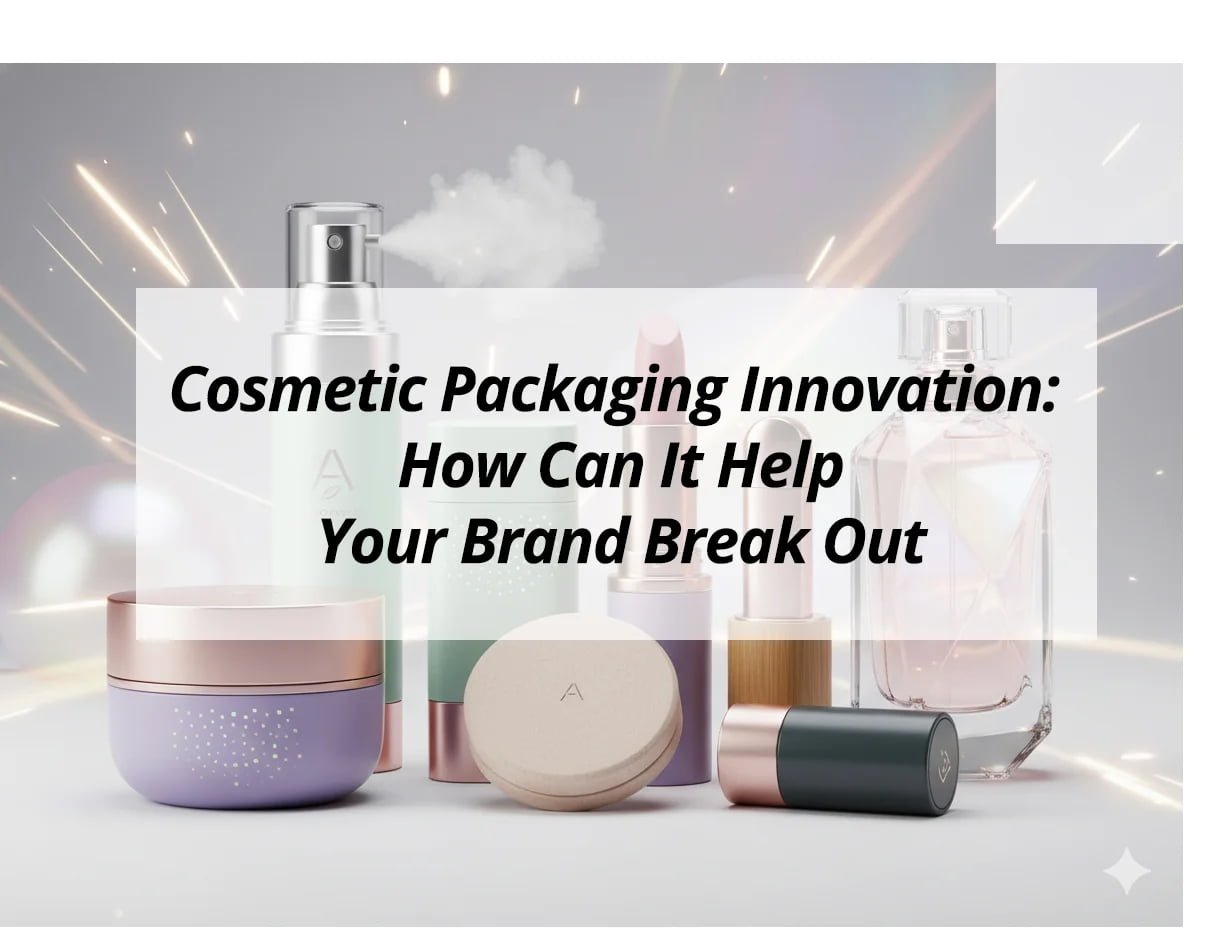
Is your cosmetic brand struggling to capture attention? Innovative packaging is essential. It can attract new customers and boost brand recognition. This leads to market growth.
Innovative cosmetic packaging helps brands break out by creating unique identities and enhancing consumer engagement. It allows products to stand out in competitive markets. This approach also aligns with evolving consumer expectations.
The cosmetic industry is dynamic. Trends change rapidly. Brands must adapt to remain competitive. Packaging serves as a primary touchpoint with consumers.
What Are Three Areas of Focus for Innovation in Sustainable Packaging?
Seeking to implement greener packaging solutions? Focusing on three key areas can guide innovation. This enhances brand responsibility. It also appeals to environmentally conscious consumers.
Three key areas for innovation in sustainable cosmetic packaging are material selection, design for circularity, and effective end-of-life management. These focus points aim to minimize environmental impact. They also contribute to a positive brand image.
Industry discussions frequently highlight the demand for both quality and sustainability in packaging. There is a clear industry-wide shift towards eco-friendly options.
Let's examine these areas in more detail.
Material Selection
Choosing appropriate materials is fundamental. Brands should prioritize renewable or recycled content. This reduces waste generation. It also lowers the carbon footprint associated with production.
- Recycled Content: Incorporating post-consumer recycled (PCR) materials is a significant step. This includes PCR plastics for bottles or PCR glass for jars. It repurposes existing resources.
- Bio-based Materials: Utilizing materials derived from renewable plant sources, such as corn or sugarcane, presents another option. These reduce reliance on fossil fuels.
- Lightweighting: Designing packaging to be lighter reduces material consumption. This translates to lower energy use in manufacturing and transportation. For example, thinner-walled tubes can maintain structural integrity.
Design for Circularity
Designing packaging for reuse or refilling is crucial. It minimizes single-use waste. Consumers often value products with extended lifespans.
| Feature | Benefit | Application |
|---|---|---|
| Refillable Systems | Reduces material consumption, cost-effective | Refillable compacts for powders |
| Durable Components | Extends product utility, promotes reuse | Robust glass containers for creams |
| Modular Packaging | Allows component replacement, not full disposal | Interchangeable palettes for eyeshadows |
The market shows a growing demand for refillable packaging solutions. These options offer practical benefits for both brands and consumers.
End-of-Life Management
Consideration of packaging's fate after use is vital. Packaging should be easily recyclable or compostable.
- Recyclability: Designing packaging that is readily recyclable is essential. This often involves using monomaterials where feasible. Clear labeling for consumer guidance is also important.
- Compostability: For certain materials, industrial composting offers an alternative. This converts packaging into organic matter. It requires specific certifications.
- Biodegradation: Materials that naturally decompose in the environment are a long-term goal. This contributes to ecological balance.
Why Is Packaging Innovation Important?
Is innovative packaging truly essential for market success? Yes, it is a critical factor. It differentiates products. It also fosters consumer connection.
Packaging innovation is important because it enables brand differentiation, enhances the consumer experience, and supports environmental objectives. It helps brands maintain relevance and competitiveness. This ultimately drives market performance.
Historically, adopting innovative packaging designs has proven beneficial. Brands that embrace new approaches often gain a competitive edge. This demonstrates the power of forward-thinking design.
Let's delve into the reasons for its importance.
Brand Differentiation
The market is highly saturated. New products are continually introduced. Effective packaging helps products gain visibility. It forms the initial impression.
- Visual Impact: Distinctive shapes, colors, and graphics attract attention. A well-designed tube can convey luxury.
- Tactile Experience: The feel of packaging influences perception. A smooth, weighty jar can communicate premium quality.
- Narrative Element: Packaging can communicate a brand's story. It can highlight product benefits or origins. This establishes an emotional connection with consumers.
Enhanced Consumer Experience
Packaging extends beyond mere containment. It contributes to the overall user experience. Positive packaging interactions improve consumer satisfaction.
| Aspect | Impact | Example |
|---|---|---|
| Ease of Use | Minimizes frustration, encourages repeat purchases | Convenient dispensers, simple-open compacts |
| Product Protection | Safeguards product integrity, maintains quality | Secure vacuum bottles, durable eyeliner tubes |
| Functional Value | Adds utility, addresses user needs | Integrated applicators for lip gloss |
A positive experience with packaging increases the likelihood of repeat purchases. This is fundamental for building loyalty.
Meeting Evolving Demands
Consumers now expect more than just product efficacy. They also prioritize ethical and environmental considerations. Innovative packaging can address these evolving demands.
- Sustainability: Environmentally friendly packaging resonates with conscious consumers. It signals a brand's commitment to responsible practices.
- Transparency: Clear information and labeling build trust. Consumers seek clarity regarding product components.
- Personalization: Customization options create a sense of exclusivity. This can be achieved through unique designs or limited editions.
What Role Does Packaging Play in Helping to Create Brand Loyalty and Brand Equity?
Does effective packaging contribute to brand loyalty and value? Absolutely. It plays a significant role. It is a fundamental component of brand strategy.
Packaging plays a vital role in fostering brand loyalty and brand equity by consistently delivering a positive experience, reinforcing brand identity, and communicating core values. It helps establish trust and recognition. This encourages repeat purchases and strengthens brand preference.
When producing cosmetic packaging, it is recognized that these are integral to a brand's identity. The packaging must reflect the promised product quality. This ensures consistency in brand perception.
Let's explore how packaging achieves this.
Reinforcing Brand Identity
Packaging serves as a constant brand touchpoint. It communicates the brand's essence. This cultivates a strong mental image for consumers.
- Visual Consistency: Uniform use of colors, fonts, and logos across all products builds recognition. This enhances brand memorability.
- Brand Narrative: Packaging can convey the brand's unique story or mission. This facilitates deeper consumer engagement.
- Premium Presentation: High-quality packaging suggests a high-quality product. This elevates the brand's perceived value. A well-crafted lipstick tube, for instance, can signify luxury.
Enhancing the Consumer Experience
Every interaction with packaging is an experience. A positive experience leads to consumer satisfaction. This builds favorable brand associations.
| Interaction | Loyalty Impact | Example |
|---|---|---|
| Unboxing Experience | Generates excitement, creates memorable moments | Thoughtful internal packaging for eyeshadow cases |
| Ease of Use | Reduces frustration, promotes repeat purchase | Smooth-operating mascara wands |
| Product Protection | Ensures product quality, builds consumer trust | Airtight cream jars, leak-proof lotion bottles |
Satisfactory packaging experiences increase the likelihood of repeat purchases. This is crucial for sustained loyalty.
Communicating Value
Packaging can effectively convey product value. It highlights key features and benefits. This helps consumers understand the brand's unique selling propositions.
- Transparency: Clear ingredient lists or certifications on packaging build consumer trust. This demonstrates openness.
- Sustainability Commitments: Environmentally friendly packaging communicates a brand's dedication to ecological responsibility. This appeals to values-driven consumers.
- Functionality: Packaging that offers a unique feature or solves a specific problem adds value. For example, a travel-friendly vacuum bottle.
What Are the Latest Innovations in Sustainable Packaging for Cosmetics and How Do They Address Environmental Concerns?
Curious about the newest developments in green packaging? The cosmetic industry is undergoing significant transformation. These innovations aim to mitigate environmental impact.
The latest innovations in sustainable cosmetic packaging emphasize circular economy principles, including advanced refillable systems, monomaterial designs, and chemically recycled plastics. These address environmental concerns by reducing waste, minimizing carbon footprints, and improving resource efficiency across product lifecycles.
Continuous monitoring of industry advancements is essential. The industry is constantly seeking to improve. There is increasing demand for sustainable solutions.
Let's examine these innovations in detail.
Refillable and Reusable Systems
Refillable packaging represents a major trend. It reduces the need for new containers. This conserves resources and decreases waste.
- Modular Designs: Packaging components can be separated for refilling. For example, a lipstick tube where only the inner product cartridge is replaced.
- Pouch Refills: Flexible pouches are offered by some brands for refills. These consume significantly less material than rigid containers.
- Durable Materials: Utilizing robust, long-lasting materials for outer packaging. This facilitates multiple reuses.
| System Type | Environmental Benefit | Consumer Benefit |
|---|---|---|
| Refillable Compacts | Reduced plastic waste | Cost savings on refills |
| Reusable Bottles | Decreased production of new containers | Eco-conscious choice, premium aesthetic |
| Pouch Refills | Substantial material reduction | Convenient, space-efficient |
There is strong market interest in refillable options for various cosmetic products. These offer practical solutions for brands and consumers alike.
Monomaterial Packaging
Monomaterial packaging uses a single type of material throughout. This significantly improves recyclability. Mixed materials complicate the recycling process.
- All-PP or All-PET: Designing entire packages from a singular plastic type. This ensures compatibility of all components during recycling.
- Glass with Minimal Plastic: Primarily using glass with easily removable, minimal plastic parts. This enhances overall recyclability.
- Paper-based Solutions: Developing entirely paper-based packaging for certain cosmetic items. This is suitable for products like eyeshadow cases or solid formulations.
This innovation streamlines recycling. It increases the likelihood of packaging being properly processed.
Advanced Recycled Plastics
New technologies are enhancing the quality of recycled plastics. This includes chemical recycling methods. These can convert mixed plastics back into high-purity raw materials.
- Chemically Recycled Plastics: These materials possess properties comparable to virgin plastics. They are suitable for sensitive applications like skincare packaging.
- Ocean-Bound Plastic: Utilizing plastic collected from coastal regions. This prevents marine pollution. It repurposes waste into new cosmetic packaging.
- Post-Industrial Recycled (PIR): Incorporating plastic waste generated during manufacturing processes. This reduces industrial waste streams.
These advancements enable greater use of recycled content1. They also help maintain stringent quality standards.
My Insights: Unleashing Cosmetic Packaging Innovation for Brand Success
Struggling to make your cosmetic brand stand out? Elevate your packaging with sustainable, tech-savvy, and visually striking innovations to capture consumer attention.
Innovative cosmetic packaging helps brands break out by combining sustainability, functionality, and aesthetic appeal. Key strategies include using sustainable materials, integrating digital features, and maintaining cohesive design across products to enhance brand recognition and customer loyalty.
Strategies for Breakout Cosmetic Packaging
Key Innovation Directions:
- Sustainability and Functionality: Use eco-friendly materials like PCR content and refill systems, coupled with functional upgrades like airless pumps and ergonomic designs to reduce waste and improve usability.
Visual Design That Stands Out:
- Brand Cohesion: Employ clear, consistent color and design language to express brand identity. Unique shapes and finishes ensure shelf recognition2 and social media shareability.
Bridging Physical and Digital:
- Tech Integration: Incorporate QR codes and AR elements to enhance consumer interaction, providing educational content and loyalty incentives.
Strategic Execution:
| Strategy | Benefits |
|---|---|
| Sustainable materials | Attracts eco-conscious consumers |
| Tech-enabled design | Enhances post-purchase engagement |
| Consistent aesthetics | Strengthens brand recall and differentiation |
By focusing on these elements, brands can transform packaging into a powerful tool for differentiation, driving consumer interest and fostering long-term loyalty.
Conclusion
Innovative cosmetic packaging helps brands differentiate themselves. It enhances consumer experiences. It also demonstrates a commitment to sustainability. This fosters brand loyalty and increases brand equity.