
](https://jccosmopack.com/wp-content/uploads/2026/02/Cosmetic-Packaging-–-Spray-Pump-Product-Basic-Knowledge.jpg)
Effective cosmetic packaging protects products and attracts consumers. Understanding spray pumps is key to selecting optimal solutions. This guide provides fundamental knowledge about spray pump products.
Spray pumps are crucial for many cosmetic items. They operate by generating pressure to dispense liquid as a fine mist or stream. Understanding their components and function helps ensure product effectiveness and user satisfaction. This basic knowledge assists in selecting suitable packaging for diverse cosmetic applications.
Selecting appropriate packaging can be complex given the numerous options. Each type offers distinct advantages. However, grasping the basics of spray pumps simplifies these decisions. This knowledge supports choosing packaging that performs well and meets aesthetic requirements.
How Does a Spray Pump Work in Brief?
Have you ever considered how a spray pump converts liquid into a fine mist? This process relies on fundamental engineering principles. Understanding this mechanism clarifies why certain pumps are better suited for specific products.
A spray pump operates using a small piston to create a vacuum. When the actuator is pressed, the piston moves upward, drawing liquid from the container into the pump chamber. Releasing the actuator propels the liquid through a nozzle, transforming it into a spray. This mechanism ensures consistent product delivery.
It is important to understand the internal workings of these pumps. The design directly impacts how effectively a product dispenses. Different product viscosities require specific pump designs to ensure optimal performance.
The Piston's Role in Spraying
The piston is a central element of any spray pump. Its vertical movement within the pump housing creates the necessary pressure changes for spraying. As the piston ascends, it draws in air and liquid. As it descends, it expels them.
Creating a Vacuum
When the spray button is pressed, a small piston ascends. This action generates a low-pressure zone, or vacuum, inside the pump chamber. This vacuum then pulls the liquid upward from the bottle via a dip tube.
Dispensing the Product
Once the liquid is within the chamber, releasing the button causes the piston to descend. This action forces the liquid out through a small aperture, known as the nozzle. The nozzle is specifically designed to atomize the liquid into small droplets, forming a fine mist.
Different Actuator Designs
Actuators are the buttons users press. They are available in various shapes and sizes. Some are broad for ease of use, while others are narrow for targeted application. The design affects the tactile experience during product use.
| Actuator Type | Spray Pattern | Common Applications |
|---|---|---|
| Finger Pump | Fine Mist | Perfumes, Toners |
| Trigger Spray | Stream/Mist | Hair Sprays, Cleansers |
| Crimp Pump | Fine Mist | Perfumes |
The Importance of the Dip Tube
The dip tube extends into the product within the bottle. It conveys the liquid to the pump chamber. The length and diameter of this tube are critical. An inadequately short tube will not access all the product. An overly narrow tube may impede liquid flow.
Air Intake and Venting
As liquid exits the bottle, air must enter to replace it. Most pumps incorporate a small vent to facilitate air entry into the bottle. This prevents a vacuum from forming inside the container, ensuring a consistent spray. Without proper venting, the pump may cease functioning or spray unevenly.
What Are the Basic Components of a Sprayer?
Do you know what makes a sprayer function? It involves multiple parts working in concert. Understanding these components aids in troubleshooting or selecting a more suitable sprayer.
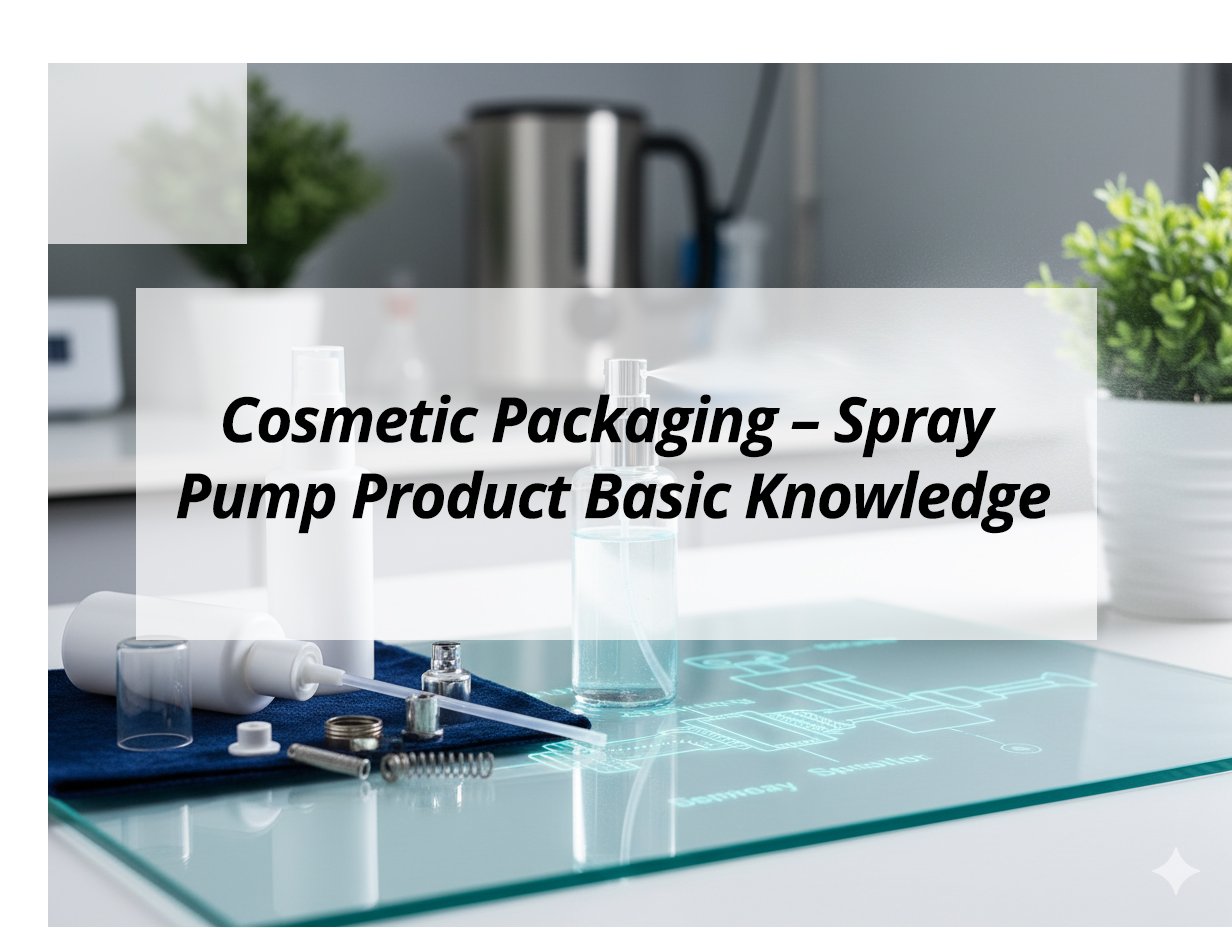
A sprayer comprises several key components that operate together. These include the actuator (the activation button), the pump engine (which generates pressure), the dip tube (that draws liquid), the housing (that encloses the mechanism), and the closure (that secures it to the bottle). Each part is essential for effective product delivery.
Even the smallest components play a vital role in a pump's operation. A missing or faulty part can compromise the entire system's functionality. This highlights the importance of each individual element.
The Actuator (Spray Button)
The actuator is the part that is pressed by the user. It is the initial point of interaction. Its design impacts the user experience. Some actuators feature a broad surface for ergonomic comfort. Others have a specific contour for focused application.
The Pump Engine (Mechanism)
The internal "engine" of the pump resides within the housing. This mechanism contains the piston, spring, and valves. These elements generate the vacuum and pressure required for spraying.
The Dip Tube
The dip tube is a plastic conduit extending from the pump into the product. It draws liquid from the bottom of the container. Its length must be consistent with the bottle's height. If too short, residual product will remain.
The Housing and Gasket
The housing is the external casing of the pump, protecting its internal components. A gasket is a small seal located within the housing. It prevents leakage and ensures efficient pump operation. Without a proper seal, the pump will not generate sufficient pressure.
The Closure (Collar/Cap)
The closure secures the sprayer to the bottle. It can be a screw cap or a crimp cap. A secure closure prevents leaks and maintains product integrity.
| Component | Function | Material (Common) |
|---|---|---|
| Actuator | User interface, directs spray | PP |
| Pump Engine | Creates pressure, pulls liquid | PP, PE, SS |
| Dip Tube | Draws liquid from bottle | PP, PE |
| Housing | Protects internal parts, holds mechanism | PP |
| Gasket | Prevents leaks, ensures seal | Rubber, TPE |
| Closure | Secures pump to bottle | PP, Aluminum |
The Spring
Most spray pumps incorporate a small spring. This spring assists the piston in returning to its original position, preparing the pump for the subsequent spray. The spring is often made of stainless steel to resist corrosion from the product.
The Ball Valve
Many pumps feature a small ball valve. This valve regulates liquid flow. It opens to allow liquid entry and closes to prevent backflow. This ensures a unidirectional flow of the product.
What Are the Different Types of Cosmetic Packaging?
Are you curious about the diverse forms of cosmetic packaging? The range is extensive, from simple containers to sophisticated airless systems. Familiarity with these types helps in selecting packaging that aligns with product requirements and consumer appeal.
Cosmetic packaging exists in numerous forms, each suitable for distinct products and uses. Common types include bottles (plastic, glass), jars, tubes, and airless pumps. Bottles and jars are versatile for liquids and creams, while tubes are ideal for squeezable products. Airless pumps safeguard sensitive formulas from air exposure, preserving product integrity.
The choice of packaging significantly impacts product efficacy and shelf life. For instance, airless pumps are often preferred for formulations with sensitive active ingredients, as they provide superior protection against oxidation. Matching the packaging type to the product's specific needs is crucial for success.
Bottles for Liquids
Bottles are frequently used for various liquid cosmetics. They are available in plastic or glass. Plastic bottles are lightweight and durable. Glass bottles convey a premium image and are often chosen for luxury items.
Jars for Creams and Balms
Jars are well-suited for viscous creams, balms, and gels. They enable users to easily access the product. Jars come in various sizes and materials, typically plastic or glass.
Tubes for Squeezable Products
Tubes are excellent for products that require squeezing for dispensing, such as cleansers, lotions, and foundations. They are portable and minimize air exposure. Tubes are generally constructed from plastic.
Airless Pumps for Sensitive Formulas
Airless pumps are specialized. They utilize a vacuum mechanism for product dispensing. This design prevents air from entering the container, which is highly beneficial for sensitive formulas containing ingredients like vitamin C or retinol. It helps maintain product freshness for longer periods.
| Packaging Type | Best For | Key Benefit |
|---|---|---|
| Bottles | Serums, Toners, Oils | Versatile, various materials |
| Jars | Creams, Balms, Masks | Easy access, wide opening |
| Tubes | Lotions, Gels, Cleansers | Portable, hygienic |
| Airless Pumps | Sensitive Serums | Protects formula, no air exposure |
Sprayers for Mists and Perfumes
Sprayers produce a fine mist. They are employed for perfumes, facial mists, and hair sprays. As discussed previously, numerous types of sprayers exist. The specific sprayer type depends on the product's consistency and the desired spray pattern.
Droppers for Precise Application
Droppers are for products that demand accurate application. Examples include facial oils or highly concentrated serums. They enable users to dispense a small, controlled quantity of product.
Compacts for Solid Makeup
Compacts are flat cases designed for solid makeup products such as powders, blushes, and eyeshadows. They frequently include a mirror and an applicator, designed for portability and touch-ups.
How Does a Makeup Pump Work?
Have you ever pressed a foundation bottle and observed the precise amount dispensed? Makeup pumps are engineered for accurate dosing. Understanding their function illuminates their significance in daily beauty routines.
A makeup pump operates on a similar principle to other spray pumps but is typically designed for thicker liquids like foundation. When activated, a piston creates suction, drawing the product into a chamber. Releasing the piston forces the makeup through a small orifice, dispensing a controlled amount. This ensures hygienic and precise application with each use.
The challenge with thicker products like liquid foundation is ensuring smooth, consistent dispensing without clogging. This often requires specific pump designs, including wider dip tubes and stronger springs, to accommodate the higher viscosity.
Suction and Dispensing
Makeup pumps employ a suction mechanism. When the actuator is pressed, a piston ascends, creating a vacuum in the pump head. This vacuum draws the viscous foundation up the dip tube and into the pump chamber.
Controlled Dosing
Upon release of the actuator, the piston descends. This action expels a precise quantity of makeup through a small nozzle. The pump's design ensures a consistent amount of product is dispensed with each press. This is termed controlled dosing.
Airless vs. Standard Makeup Pumps
Some makeup pumps are airless. These are particularly suitable for foundations containing sensitive ingredients. Airless pumps utilize a rising plate within the bottle. This plate pushes the product upward as it is consumed, preventing air ingress. Standard pumps draw air into the bottle to replace the dispensed product.
| Pump Type | Product Viscosity | Air Exposure | Benefits |
|---|---|---|---|
| Standard Pump | Medium to Thick | Yes | Cost-effective, widely available |
| Airless Pump | Medium to Thick | No | Protects sensitive formulas, hygienic |
Material Choices
Makeup pumps are typically fabricated from plastics such as PP and PE. These materials are durable and chemically inert with cosmetic formulations. Certain components, particularly the spring, may be made of stainless steel for strength and corrosion resistance.
Design for Viscosity
Foundations and concealers often possess greater viscosity than other liquid cosmetics. Makeup pumps feature specific designs to manage this viscosity. They may incorporate wider dip tubes or stronger springs to ensure the product dispenses smoothly without blockages.
Preventing Clogging
Clogging represents a significant issue for makeup pumps. Manufacturers design pumps with features to mitigate this problem. These include precise nozzle dimensions and smooth internal pathways. Such designs facilitate the flow of viscous products without obstruction.
My Insights: Cosmetic Packaging – Spray Pump Product Basic Knowledge
Struggling with the right spray pump choice for your cosmetic products? Learn about the essential features and components for optimal performance.
Cosmetic spray pumps offer precise dosing, ideal for perfumes, facial mists, and hair sprays. Their design, including dip tube and actuator, ensures consistent spray patterns, with considerations for product compatibility and safety features.
Understanding Spray Pump Components and Functionality
Key Components and Functionality
- Main Parts: Include actuator, dip tube, pump chamber, and nozzle for controlled mist or spray.
- Mechanism: Utilizes piston-and-spring to create negative pressure, atomizing liquid efficiently.
Considerations for Effective Use
| Aspect | Importance |
|---|---|
| Spray Pattern | Defined by nozzle and orifice, determines mist quality. |
| Material Compatibility | Ensures pump durability with different liquid formulas. |
Versatile Applications
- Perfumes: Provides fine mist for light application.
- Facial Mists: Delivers even coverage, enhancing skincare routine.
- Safety Features: Tamper-evident designs maintain product integrity.
Understanding these components ensures effective selection and use of spray pumps, optimizing cosmetic packaging for various products while meeting brand and consumer needs.
Conclusion
Understanding cosmetic packaging, specifically spray pumps, is critical. It ensures product integrity and consumer satisfaction. Knowledge of components and types assists in selecting optimal solutions.