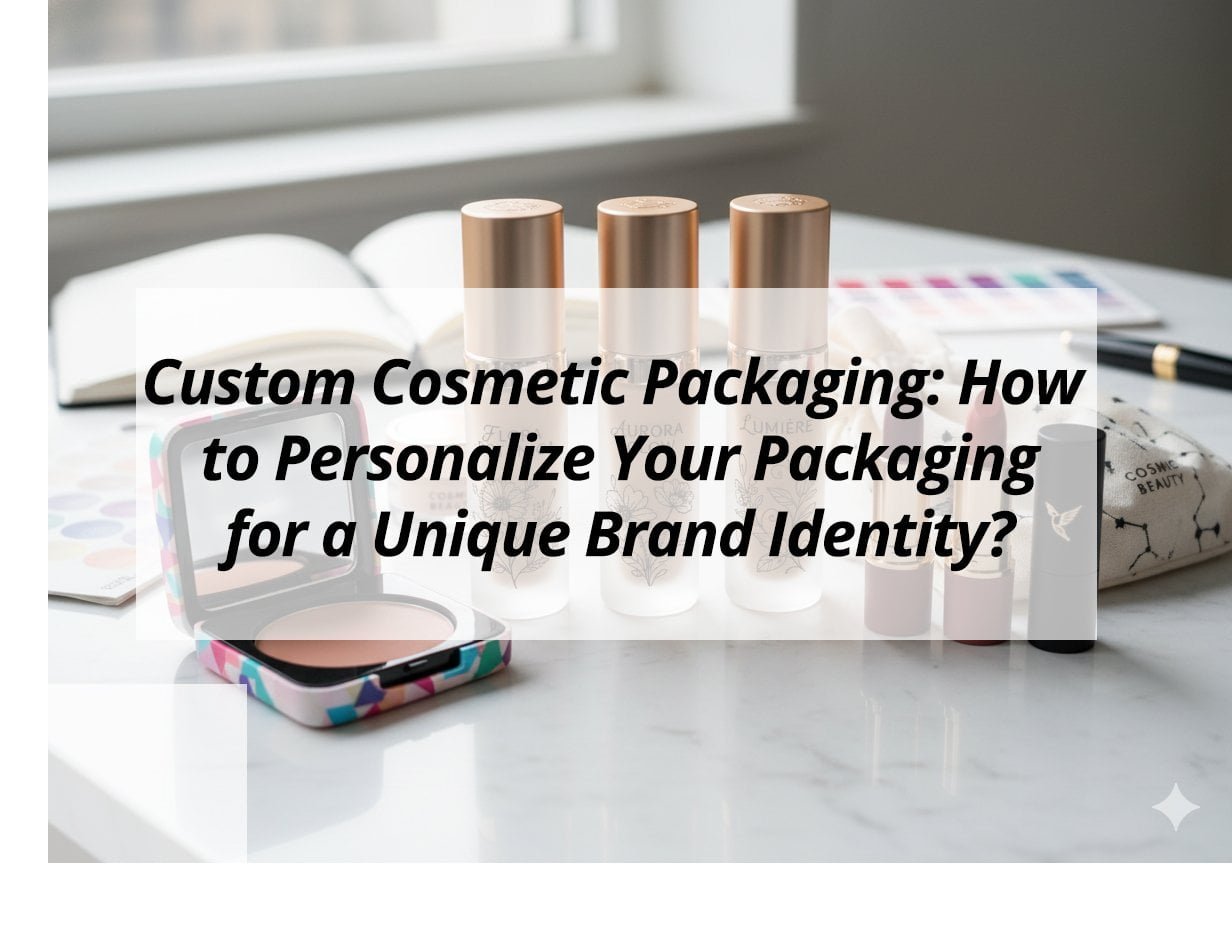
Your cosmetic brand needs to stand out. Generic packaging makes this hard. Personalizing your packaging is important for brand identity.
Custom cosmetic packaging makes your brand unique and memorable. It allows specific choices in colors, shapes, and materials, effectively telling your brand's story. This personalization helps products stand out, creates a strong first impression, and connects with customers, making your brand easily recognizable in the market.
I remember when I first started in this business. Many brands used similar packaging. It was hard to tell them apart. Now, things are different. Customers want something special. They want packaging that feels personal.
How to Design Cosmetic Packaging?
Do you feel overwhelmed by cosmetic packaging design1? It can seem complex. But a clear plan makes it easier.
To design cosmetic packaging, start with your brand's message. Then, choose materials that fit this message and protect the product. Focus on user experience. Make sure the design follows all safety rules. This process helps create effective packaging.
Over my career, I have seen many design processes. The best ones always begin with understanding the brand. For example, a brand selling natural skincare will use different materials than a brand selling bright makeup. Natural brands often choose bamboo or glass. Makeup brands might pick sleek plastics or metals. The packaging must fit the product inside. It also needs to appeal to the right customer. This ensures good quality, which is important for buyers who value it.
Steps for Effective Cosmetic Packaging Design
Designing good packaging involves clear steps. Follow these to get good results.
- Define Your Brand: Know your brand's values, target audience, and product type.
- Research Competitors: See what others are doing. Find ways to be different.
- Choose Materials: Select materials that protect the product and match your brand. Consider sustainability.
- Develop Structure: Decide on the shape, size, and opening mechanism. Think about how customers use it.
- Create Graphics: Design logos, colors, fonts, and images. Make sure they are clear.
- Comply with Regulations: Ensure all labels and materials meet legal standards.
- Test and Refine: Make prototypes. Get feedback. Make changes before final production.
Material Choices and Their Impact
Materials greatly affect design and function. Picking the right one is key.
| Material Type | Advantages | Common Use Cases |
|---|---|---|
| Glass | Premium feel, recyclable, good for many formulas. | Cream jars, serum bottles, lotion bottles. |
| Plastic (PCR) | Lightweight, durable, versatile, uses recycled content. | Lipstick tubes, lip gloss tubes, air cushion cases. |
| Aluminum | Lightweight, recyclable, protective barrier. | Eyeliner tubes, small spray bottles. |
| Bamboo/Wood | Natural, sustainable, unique look. | Lids for jars, compact cases, special edition packaging. |
| Paper/Cardboard | Sustainable, printable, good for outer boxes. | Eyeshadow cases (outer sleeve), product cartons. |
When designing, think about the whole package. From the lipstick tube to the outer box, every part tells a story. This detailed approach creates custom cosmetic packaging that truly stands out.
How to Create Customized Packaging?
Do you want truly unique packaging for your cosmetics? Generic options might not be enough. Customization makes a difference.
To create customized packaging, work closely with a supplier. Start by sharing your brand vision. Then, discuss specific materials, finishes, and decoration methods. Make sure to review samples. This ensures the final product matches your exact needs.
In my years working with clients, I have seen how customization brings a brand to life. For example, a brand wanted a special rose gold finish for their compacts. We worked to find the right plating process. Another client needed a unique shape for their lip gloss tubes. We developed a custom mold. This level of detail makes a product feel exclusive. It shows the brand cares about quality. This is important for brand company buyers. They need packaging that reflects their own high standards.
Key Aspects of Customization
Customization goes beyond just a logo. It includes many details.
- Shape and Size: Creating unique molds for bottles, jars, or compacts.
- Material Choice: Selecting specific types of plastic, glass, metal, or eco-friendly options.
- Color Matching: Ensuring exact color shades for caps, bottles, and decoration.
- Finishes and Coatings: Applying matte, glossy, soft-touch, or metallic effects.
- Decoration Methods: Using silk-screening, hot stamping, UV printing, or labeling.
- Component Integration: Designing special applicators, pumps, or closures.
The Customization Process
Working with a packaging supplier involves clear steps for customization.
| Step | Description | Outcome |
|---|---|---|
| Concept Discussion | Share your ideas, brand guidelines, and specific needs with the supplier. | Clear understanding of project goals. |
| Design Development | Supplier creates 2D and 3D designs based on your input. | Visual representation of the custom packaging. |
| Tooling/Molding | If a new shape is needed, a custom mold is created. | Unique packaging shape. |
| Material Sourcing | Supplier finds and prepares the specific materials required. | Materials ready for production. |
| Sampling/Prototyping | Physical samples are made for your review and approval. | Final check of design, material, and function. |
| Mass Production | Once samples are approved, full-scale production begins. | Custom cosmetic packaging ready for delivery. |
This process is how brands get truly customized packaging. It allows for unique designs for eyeshadow cases, vacuum bottles, and all other cosmetic containers. It ensures the final product is exactly as imagined.
How Can Packaging Contribute to Brand Identity?
Are you wondering how packaging affects your brand's identity? It is more than just a container. It is a powerful communication tool.
Packaging contributes to brand identity by being the first physical touchpoint with a customer. It uses colors, fonts, and materials to tell your brand's story. It creates an emotional connection. Good packaging makes your brand recognizable and memorable. This strengthens its overall image.
I have seen many examples where packaging made a brand famous. Think about a luxury perfume bottle. Its unique shape and heavy glass make it feel special. This reinforces a high-end brand identity. A brand with a focus on natural ingredients might use simple, earthy packaging. This tells customers about their values. We help brands align their cosmetic packaging with their identity. This includes everything from the simple design of a lotion bottle to the complex structure of an air cushion case. Each choice strengthens the brand.
Elements of Packaging that Build Identity
Many parts of packaging work together to build a strong brand identity.
- Visuals (Color, Graphics, Logo): These are the most direct ways to show brand personality. Bright colors for playful brands, muted tones for elegant ones.
- Tactile (Materials, Finish): How the packaging feels. A heavy glass jar feels different from a light plastic tube. A matte finish feels modern; a glossy one feels classic.
- Form (Shape, Structure): Unique shapes can make a product instantly recognizable. Think of iconic perfume bottles.
- Information (Text, Labeling): The words on the package convey brand voice and values. Clear, honest labeling builds trust.
- Functionality (Ease of Use): Packaging that is easy to open and use reflects a thoughtful brand.
The Role of Packaging in Customer Perception
Packaging shapes how customers see your brand.
| Packaging Aspect | Customer Perception Impact | Brand Identity Reflected |
|---|---|---|
| High-Quality Materials | Product is premium, reliable, worth the price. | Luxury, trustworthiness, durability. |
| Sustainable Choices | Brand cares about the environment, responsible. | Eco-conscious, modern, ethical. |
| Unique Design | Product is special, innovative, stands out. | Creativity, originality, distinctiveness. |
| Clear Labeling | Brand is honest, transparent, trustworthy. | Integrity, openness, reliability. |
| User-Friendly | Brand cares about the customer experience, practical. | Customer-centric, thoughtful, accessible. |
This is why packaging design is so important for custom cosmetic packaging. It is not just about holding the product. It is about holding the brand's identity and showing it to the world.
What are the 7 Basic Steps to Packaging Design?
Are you looking for a clear guide to packaging design? It helps to have a step-by-step process. This makes the work easier.
The 7 basic steps to packaging design include defining your product, understanding your audience, choosing materials, developing the structure, creating visuals, reviewing regulations, and testing prototypes. Following these steps helps create effective and compliant packaging.
I have used these steps countless times when developing new packaging solutions. Each step is important. Skipping one can cause problems later. For instance, if you do not define your product well, you might choose the wrong material. This can lead to spoiled products. Or, if you do not test prototypes, you might find that the lipstick tube is hard to open. These basic steps ensure all aspects of the cosmetic packaging, from the eyelash tube to the cream jar, are carefully considered.
A Detailed Look at the 7 Steps
Each step builds on the last. This creates a strong design process.
-
Define Your Product:
- What is the product? (e.g., lotion, mascara, foundation)
- What are its key features?
- How will it be used?
- What kind of protection does it need? (e.g., from light, air, breakage)
-
Understand Your Audience:
- Who are you selling to? (e.g., age, gender, lifestyle)
- What are their preferences? (e.g., luxury, eco-friendly, budget-conscious)
- Where do they buy products?
-
Choose Your Materials:
- Consider options like glass, plastic, metal, or paper.
- Think about sustainability and product compatibility.
- Factor in cost and desired aesthetic.
-
Develop the Structure:
- Decide on the container type (e.g., bottle, jar, tube, compact).
- Design the shape, size, and opening mechanism.
- Ensure it is easy to fill and use.
-
Create the Visual Design:
- Design the logo, brand colors, typography, and graphics.
- Make sure it reflects your brand identity.
- Consider how it will look on shelves.
-
Review Regulations and Legal Requirements:
- Check for mandatory labeling information (ingredients, weight, warnings).
- Ensure material safety and compliance with cosmetic standards.
- Different regions have different rules.
-
Test and Iterate with Prototypes:
- Produce physical samples.
- Test for functionality, durability, and user experience.
- Gather feedback and make necessary improvements.
Following these steps methodically helps to create effective custom cosmetic packaging. It ensures that every detail, from the vacuum bottle to the eyeshadow case, is well-planned and executed.
My Insights: Personalizing Cosmetic Packaging for Unique Brand Identity
Struggling to differentiate your cosmetics brand? Discover how personalized packaging can enhance brand identity and consumer engagement.
Personalizing cosmetic packaging involves unique shapes, brand-specific colors, and eco-friendly materials. Incorporate interactive elements and cultural relevance to create distinctive designs. High-quality finishes and storytelling elevate the unboxing experience, fostering brand loyalty and empowering consumer connection.
Strategies for Creating Personalized Cosmetic Packaging
Key Personalization Steps:
- Clarify Brand Needs: Consider product types and target audience preferences for sustainability or luxury.
- Functional Formats: Use refillable containers and modular systems, pairing them with finishes like embossing or foil stamping.
Design Techniques:
- Tactile Appeal: Employ matte lacquers, silk-screen printing, or spot UV varnish for premium aesthetics.
- Cultural and Personalized Elements: Include cultural motifs or engravings to tell your brand's story effectively.
Sustainable Options:
| Feature | Examples |
|---|---|
| Eco-Friendly Materials | Biodegradable tubes, recycled glass jars |
| Aesthetic Appeal | Amber-lacquered bottles, wooden caps |
| Functional Design | Refillable, recyclable, luxury through natural finishes |
Personalizing packaging in these ways not only strengthens brand identity but also enhances customer experiences, setting your products apart in a competitive market.
Conclusion
Personalizing cosmetic packaging is vital for a unique brand. By focusing on design, customization, and brand identity, products stand out. Follow key design steps for success.
-
Explore effective strategies to enhance your cosmetic packaging design and stand out in the market. ↩