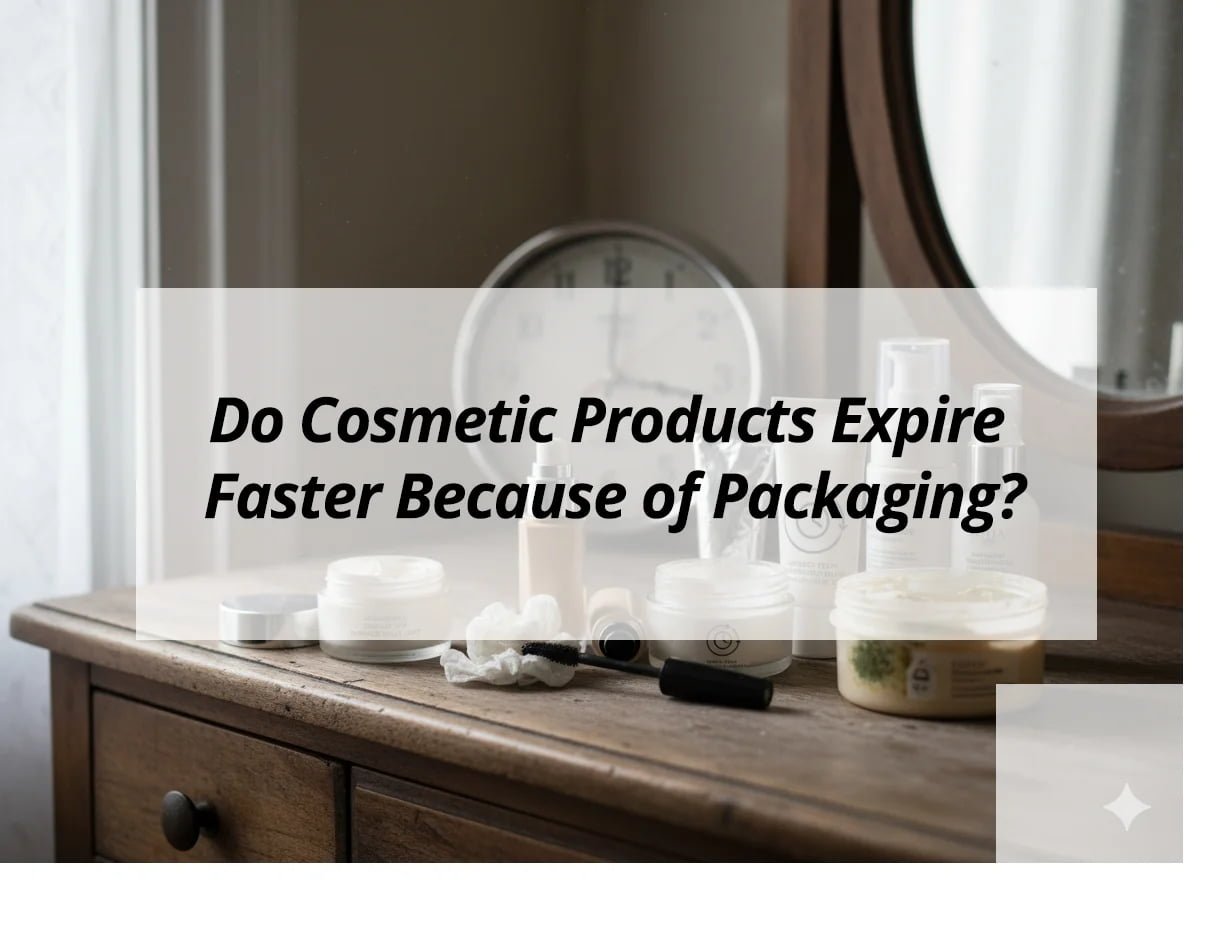
Many individuals wonder why their cosmetic products seem to lose effectiveness or spoil before their expected use. A common question arises: does the container holding the product contribute to its premature expiration? Understanding this relationship is key to product longevity.
Cosmetic packaging significantly influences a product's shelf life by creating a barrier against environmental factors like air, light, and contaminants. Effective packaging designs, such as airless pump bottles, minimize exposure to these elements, thereby preserving ingredient stability and extending the product's usable period compared to less protective options like open jars.
Knowing how packaging interacts with cosmetic formulations helps in making informed choices about product selection and storage. This insight ensures products remain effective for their intended duration. This knowledge also helps users store them better at home.
Does Packaging Affect Shelf Life?
The role of packaging in maintaining the integrity and shelf life of cosmetic products is often underestimated. While the ingredients themselves are crucial, the container that holds them provides vital protection.
Packaging directly impacts a cosmetic product's shelf life. It serves as a primary defense against external elements such as oxygen, ultraviolet light, and microbial contamination. The type and design of packaging dictate the level of protection offered, which in turn determines how long a product remains safe and effective for use.
The effectiveness of a cosmetic formulation can be compromised if the packaging does not provide adequate protection. For example, a delicate serum housed in a transparent jar is more susceptible to degradation from light and air exposure compared to the same serum in an opaque, airless pump bottle.
The following points illustrate why packaging is critical for maintaining product shelf life:
Oxygen Exposure and Its Effects
Oxygen is a potent reactive agent that can degrade numerous cosmetic ingredients upon exposure. This degradation leads to a loss of product efficacy and changes in its physical characteristics.
How Oxygen Damages Cosmetics
- Oxidation: This chemical process alters the molecular structure of ingredients.
- Color Changes: Products may exhibit discoloration, such as yellowing or browning.
- Odor Alteration: The original fragrance can change, becoming unpleasant or rancid.
- Reduced Efficacy: Active ingredients may lose their intended benefits and effectiveness.
A common example is a cream in a jar. Each time the jar is opened and accessed, air is introduced, accelerating the oxidation process within the product.
Packaging Solutions for Oxygen Control
Various packaging types are designed to mitigate oxygen exposure.
| Packaging Type | Oxygen Protection Level | Benefits | Drawbacks |
|---|---|---|---|
| Airless Pumps | High | Prevents air ingress; hygienic dispensing | More complex to produce; higher cost |
| Tubes | Medium | Less air exposure than jars; maintains hygiene | Air can still be drawn in upon release |
| Opaque Bottles | Medium-High | Blocks light; less air transfer than jars | Air entry possible when opened |
| Jars | Low | Easy product access | High air exposure; greater contamination risk |
Airless pump systems operate by creating a vacuum, which dispenses the product without allowing external air to enter the container. This mechanism effectively preserves sensitive formulations, ensuring prolonged stability and potency.
Light Sensitivity and Degradation
Light, particularly ultraviolet (UV) radiation, can induce chemical changes in light-sensitive cosmetic ingredients, leading to their degradation and loss of function.
Ingredients Sensitive to Light
- Vitamins: Vitamin C (ascorbic acid) and Vitamin A (retinoids) are particularly vulnerable to photodegradation.
- Antioxidants: Many compounds with antioxidant properties can lose their stability when exposed to light.
- Fragrances: Aromatic compounds can break down or change their scent profile under light exposure.
A product containing Vitamin C in a clear bottle, if exposed to light, may experience accelerated degradation of the active ingredient, reducing its benefits over time.
Packaging That Protects from Light
Packaging materials can be selected and designed to shield products from light.
- Opaque Materials: Dark-colored or solid plastic bottles prevent light from penetrating the product.
- UV-Filtering Additives: Certain plastics can incorporate additives that absorb or reflect UV light.
Effective light protection helps maintain the integrity of sensitive ingredients, ensuring the product delivers its intended benefits throughout its shelf life.
Contamination from Microorganisms
Cosmetic products are susceptible to contamination by microorganisms such, as bacteria, yeasts, and molds. Such contamination can lead to product spoilage and potential health risks for users.
How Contamination Happens
- Direct Contact: Repeated insertion of fingers into jarred products introduces microorganisms.
- Airborne Exposure: Microbes present in the air can settle on product surfaces when containers are open.
- Inadequate Sealing: Poorly sealed packaging allows microbes to enter and proliferate within the product.
Products with a high water content, such as lotions and creams, are particularly vulnerable to microbial growth due to water being an essential component for microorganism survival and proliferation.
Packaging for Hygienic Dispensing
Packaging design plays a critical role in minimizing the risk of microbial contamination.
- Pumps and Droppers: These dispensing mechanisms eliminate direct finger contact with the product.
- Tubes: Squeezing a tube dispenses product while keeping the remaining contents protected from external elements.
- Single-Use Formats: Individual sachets or capsules reduce prolonged exposure to air and potential contaminants.
Hygienic dispensing systems are crucial for maintaining product safety and efficacy, especially for products intended for prolonged use.
How Fast Do Skincare Products Expire?
Determining the exact expiration of skincare products involves understanding various indicators and factors beyond a simple date on the label. Proper usage and storage are also key.
Skincare products generally have a shelf life of 6 to 36 months after being opened, varying significantly based on their formulation and packaging. Products containing highly active or sensitive ingredients, such as certain vitamins or retinoids, typically expire faster, often within 6 to 12 months. Packaging types, particularly airtight and opaque containers, contribute to a longer lifespan by protecting the product.
Several elements contribute to a product's usable life, and consumers should be aware of these to ensure product safety and optimal performance.
Here are the primary factors influencing the expiration rate of skincare products:
Understanding PAO Symbols
The "Period After Opening" (PAO) symbol is an industry standard that indicates the recommended timeframe for using a product once it has been opened. It appears as an open jar icon with a number followed by the letter "M" (e.g., "12M").
What PAO Means
- 12M: Indicates the product is best used within 12 months after opening.
- 6M: Signifies a recommended use within 6 months post-opening.
- 24M: Suggests the product can be used for up to 24 months after opening.
This symbol provides a clear guideline for consumers on product longevity after initial use, helping to prevent the use of degraded or contaminated products.
Role of Preservatives
Preservatives are chemical agents incorporated into cosmetic formulations to inhibit the growth of microorganisms, including bacteria, yeasts, and molds. They are essential for preventing spoilage, especially in water-containing products.
Common Preservatives in Cosmetics
- Parabens: (e.g., methylparaben, propylparaben) widely recognized for their broad-spectrum antimicrobial activity.
- Phenoxyethanol: A frequently used preservative that acts as an alternative to parabens.
- Sodium Benzoate: Often found in products aiming for more "natural" formulations.
- Potassium Sorbate: Another common preservative, effective against fungi.
The choice and concentration of preservatives are critical for a product's microbial stability and overall shelf life. Products labeled "preservative-free" often rely on specialized packaging, such as airless systems or single-use formats, to maintain hygiene.
Water Content and Formulation Type
The presence and quantity of water in a cosmetic product significantly impact its susceptibility to microbial growth and chemical degradation.
Products with High Water Content
- Lotions, Creams, and Serums: Water-based formulations are more prone to microbial proliferation.
- Toners: Liquid products provide an environment conducive to microbial activity.
These formulations typically require robust preservative systems and protective packaging to ensure their stability and safety.
Products with Low Water Content
- Pure Oils: Anhydrous products generally have a longer shelf life as water is essential for microbial growth.
- Powders: Dry cosmetic products, such as eyeshadows and blushes, exhibit extended stability.
- Anhydrous Lip Balms: Water-free balms tend to last longer due to the absence of water.
A solid lipstick in a compact tube will generally last longer than a liquid lip gloss due to differences in water content and exposure to air during use.
Storage Conditions Matter
The environment in which cosmetic products are stored profoundly affects their degradation rate. Factors like heat, humidity, and direct light can accelerate spoilage.
Optimal Storage Practices
- Cool, Dry Place: Storing products in a cupboard or drawer, away from direct sunlight and heat, helps preserve their integrity.
- Avoid High Humidity Areas: Bathrooms, with their fluctuating temperatures and high humidity, are generally not ideal for cosmetic storage.
- Tightly Seal Containers: Ensuring lids and caps are securely fastened after each use minimizes air and contaminant exposure.
Proper storage practices are crucial for extending the useful life of cosmetic products, helping to maintain their efficacy and prevent premature spoilage.
What Impact Does Cosmetic Packaging Have on the Environment?
Beyond its primary function of product preservation, cosmetic packaging carries substantial environmental implications. The materials used and their disposal methods contribute to various ecological challenges.
Cosmetic packaging significantly contributes to environmental concerns, primarily through waste generation, extensive resource consumption, and associated carbon emissions. The prevalence of single-use plastic packaging exacerbates landfill accumulation and ocean pollution. Nevertheless, the industry is increasingly adopting sustainable alternatives, including recycled, refillable, and biodegradable materials, to mitigate these environmental impacts.
Addressing the environmental footprint of packaging is a growing concern for both manufacturers and consumers.
Here is an examination of the environmental impact of cosmetic packaging:
Plastic Waste Crisis
Plastic is a dominant material in cosmetic packaging due to its versatility, cost-effectiveness, and durability. However, this durability also presents a significant environmental challenge, as plastic can persist in the environment for centuries.
The Scale of Plastic Waste
- Landfill Overload: Millions of tons of plastic packaging annually contribute to mounting landfill waste.
- Oceanic Pollution: Plastic debris poses severe threats to marine ecosystems and wildlife.
- Microplastic Formation: Plastics degrade into microscopic particles that can enter the food chain.
The vast majority of plastic cosmetic packaging is not recycled, leading to extensive environmental accumulation.
Challenges with Recycling Cosmetic Packaging
Recycling cosmetic packaging often faces unique obstacles compared to other plastic waste.
- Small Component Size: Many cosmetic packaging items are too small for efficient sorting by standard recycling machinery.
- Mixed Material Composition: A single packaging unit might incorporate various types of plastic, metals, and glass, complicating separation.
- Product Residue: Residual product within containers can contaminate recycling streams, rendering materials unusable for recycling.
These challenges highlight the need for more effective recycling infrastructures and packaging designs that facilitate easier recycling.
Resource Consumption and Carbon Footprint
The production of cosmetic packaging demands considerable natural resources and energy, contributing to a significant carbon footprint throughout its lifecycle.
Materials and Energy Use
- Virgin Plastics: Derived from fossil fuels, their production is resource-intensive and non-renewable.
- Manufacturing Processes: The fabrication of plastic, glass, and metal packaging requires substantial energy input.
- Global Transportation: The logistics involved in moving raw materials and finished packaging components internationally increase carbon emissions.
The entire supply chain, from raw material extraction to final product delivery, contributes to the overall environmental impact.
Reducing Carbon Footprint in Packaging
Strategies aimed at minimizing the environmental impact include:
- Lightweighting: Designing packaging to use less material while maintaining structural integrity.
- Local Sourcing: Reducing transportation distances by procuring materials and components locally.
- Renewable Energy Integration: Utilizing sustainable energy sources in manufacturing operations.
These efforts aim to reduce the ecological burden associated with packaging production and distribution.
Sustainable Packaging Solutions
The cosmetic industry is increasingly embracing innovative packaging solutions designed to lessen environmental harm.
Types of Sustainable Packaging
| Packaging Solution | Description | Environmental Benefit |
|---|---|---|
| Recycled Content | Manufactured using Post-Consumer Recycled (PCR) plastics | Reduces demand for virgin plastics; lowers energy consumption |
| Refillable Systems | Designed with a permanent outer casing and replaceable inner components | Significantly reduces single-use waste |
| Biodegradable Materials | Composed of materials that naturally decompose in the environment | Minimizes landfill accumulation |
| Glass/Aluminum | Materials that are highly and infinitely recyclable without quality degradation | Promotes circular economy practices |
| Paper-based | Utilizes renewable resources; often recyclable and compostable | Reduces plastic usage; sustainable sourcing |
The adoption of these sustainable alternatives represents a shift towards more environmentally responsible practices in the cosmetic packaging sector. For example, air cushion cases with removable inner pans allow consumers to purchase refills rather than entirely new products, aligning with sustainability goals.
What Factors Influence the Shelf Life of Cosmetic Ingredients?
The longevity and efficacy of cosmetic products are determined by a complex interplay of factors affecting their constituent ingredients. It extends beyond the packaging itself to the very nature of the formulation.
The shelf life of cosmetic ingredients is primarily influenced by their inherent chemical stability, the type and concentration of preservatives used, the product's pH balance, and the conditions under which it is manufactured and stored. Ingredients known for their instability, such as certain vitamins and antioxidants, require precise formulation and protective measures to maintain their activity over time.
The stability of individual ingredients is a critical consideration in cosmetic product development. Understanding these factors is essential for creating products that remain effective throughout their intended use.
Inherent Stability of Ingredients
Ingredients vary significantly in their intrinsic chemical stability, meaning some are naturally more resistant to degradation than others.
Highly Unstable Ingredients
- Vitamin C (L-Ascorbic Acid): This powerful antioxidant is highly susceptible to oxidation when exposed to light and air.
- Retinoids (Vitamin A derivatives): These compounds are prone to degradation from light, air, and heat.
- Peptides: Certain peptide chains can degrade under specific formulation conditions over time.
- Natural Oils and Extracts: Many botanical ingredients are vulnerable to rancidity or microbial spoilage.
Products containing such sensitive ingredients often require specialized packaging, such as opaque, airless containers, to minimize exposure to degrading environmental factors. The specific form of an ingredient also matters; for example, stabilized Vitamin C derivatives exhibit greater stability than pure L-Ascorbic Acid.
More Stable Ingredients
- Hyaluronic Acid: Generally exhibits high stability across various formulations.
- Niacinamide (Vitamin B3): Known for its robustness in cosmetic preparations.
- Glycerin: A stable humectant commonly used in many products.
These ingredients typically have a longer shelf life due to their inherent resistance to degradation.
Formulation and pH Level
The overall composition of a cosmetic product, particularly its pH level, significantly affects ingredient stability and product preservation. pH indicates the acidity or alkalinity of a substance.
Importance of pH
- Ingredient Stability: Many active ingredients perform optimally and maintain stability within a specific pH range. Deviation from this range can lead to degradation. For instance, Vitamin C often requires an acidic environment for stability.
- Preservative Effectiveness: Preservatives typically function most effectively within particular pH parameters. An incorrect pH can render them ineffective against microbial growth.
- Skin Compatibility: The product's pH is also crucial for its interaction with the skin, which naturally has a slightly acidic pH.
Formulation Strategies for Stability
Formulators employ various techniques to enhance ingredient stability:
- Emulsions: Creating stable mixtures of oil and water phases with emulsifiers.
- Encapsulation: Enclosing sensitive ingredients in protective carriers, such as liposomes, to shield them from environmental factors.
- Antioxidants: Incorporating additional antioxidants, like Vitamin E, to protect other vulnerable ingredients from oxidative stress.
Packaging materials must be compatible with the product's formulation, as certain active ingredients can react with specific packaging plastics.
Manufacturing and Quality Control
The processes and standards upheld during product manufacturing significantly influence the final product's quality and shelf life.
Key Manufacturing Practices
- Cleanliness: Production facilities must maintain rigorous hygiene standards to prevent microbial contamination.
- Sterilization: Equipment and containers used in production require thorough sterilization.
- Controlled Environment: Maintaining stable temperature and humidity conditions during manufacturing is crucial for sensitive ingredients.
- Batch Testing: Regular testing of product batches for stability, microbial load, and ingredient concentration ensures consistent quality.
Strict quality control throughout the manufacturing process, including the cleanliness of packaging components, is essential to prevent the introduction of contaminants that could shorten shelf life.
Impact of Poor Manufacturing
- Premature Spoilage: Contaminated products will spoil rapidly, even with the presence of preservatives.
- Reduced Efficacy: Inconsistent mixing or incorrect processing temperatures can lead to the degradation of active ingredients.
- Product Recalls: Manufacturing errors can result in product recalls, incurring significant financial and reputational damage.
High standards in manufacturing are fundamental to producing stable and effective cosmetic products.
Environmental Factors During Storage and Transport
After manufacturing, the conditions during storage and transportation continue to impact a cosmetic product's shelf life.
Conditions During Transport
- Temperature Fluctuations: Extreme heat or cold during shipping can accelerate the degradation of sensitive ingredients.
- Humidity: High humidity can promote microbial growth or compromise the integrity of certain packaging materials.
- Light Exposure: Products in clear containers exposed to bright conditions during transport are at risk of photodegradation.
Packaging must be robust enough to withstand varying environmental conditions encountered during shipping, particularly to regions with extreme climates.
Consumer Storage Habits
The storage habits of the end-user play a significant role in maintaining product quality after purchase.
- Bathroom Storage: The fluctuating temperatures and high humidity typical of bathrooms can accelerate product degradation.
- Direct Sunlight: Placing products on windowsills or in direct sunlight can quickly degrade light-sensitive ingredients.
- Open Lids: Leaving containers open increases exposure to air and potential contaminants, reducing shelf life.
Educating consumers on proper storage is as vital as effective packaging in ensuring the longevity and performance of cosmetic products.
My Insights: Do Cosmetic Products Expire Faster Because of Packaging?
Are your cosmetics losing their potency too soon? Discover how packaging impacts product longevity.
Yes, packaging affects the shelf life of cosmetics. Poor seals, exposure to air, and inadequate UV protection can degrade products. High-quality, airtight containers preserve freshness, while sustainable and suitable materials help maintain product stability.
Understanding Packaging's Impact on Cosmetic Shelf Life
Factors that Accelerate Expiration
- Open Jars and Loose Seals: Expose products to air and contaminants, speeding up degradation.
- Light Exposure: Clear packaging fails to protect light-sensitive ingredients, leading to breakdown.
Packaging Solutions for Extended Shelf Life
| Solution | Benefits |
|---|---|
| Airless Containers | Minimize air exposure, protecting creams and serums. |
| Opaque Materials | Shield against UV light, preserving ingredient potency. |
| Secure Closures | Prevent evaporation and contamination, slowing spoilage. |
Packaging isn't the only factor; product formulas, preservatives, and storage conditions also play a role. Choose packaging that complements your product’s stability needs and ensures optimal shelf life.
Conclusion
Cosmetic packaging serves as a critical protective shield for product integrity. It safeguards against environmental aggressors like air, light, and microbial contaminants. Selecting appropriate packaging, alongside thoughtful formulation and correct storage, is fundamental to maximizing the shelf life and effectiveness of cosmetic products.