
](https://jccosmopack.com/wp-content/uploads/2026/02/Eco-sustainable-Cosmetic-Packaging-And-Natural-Formulas.jpg)
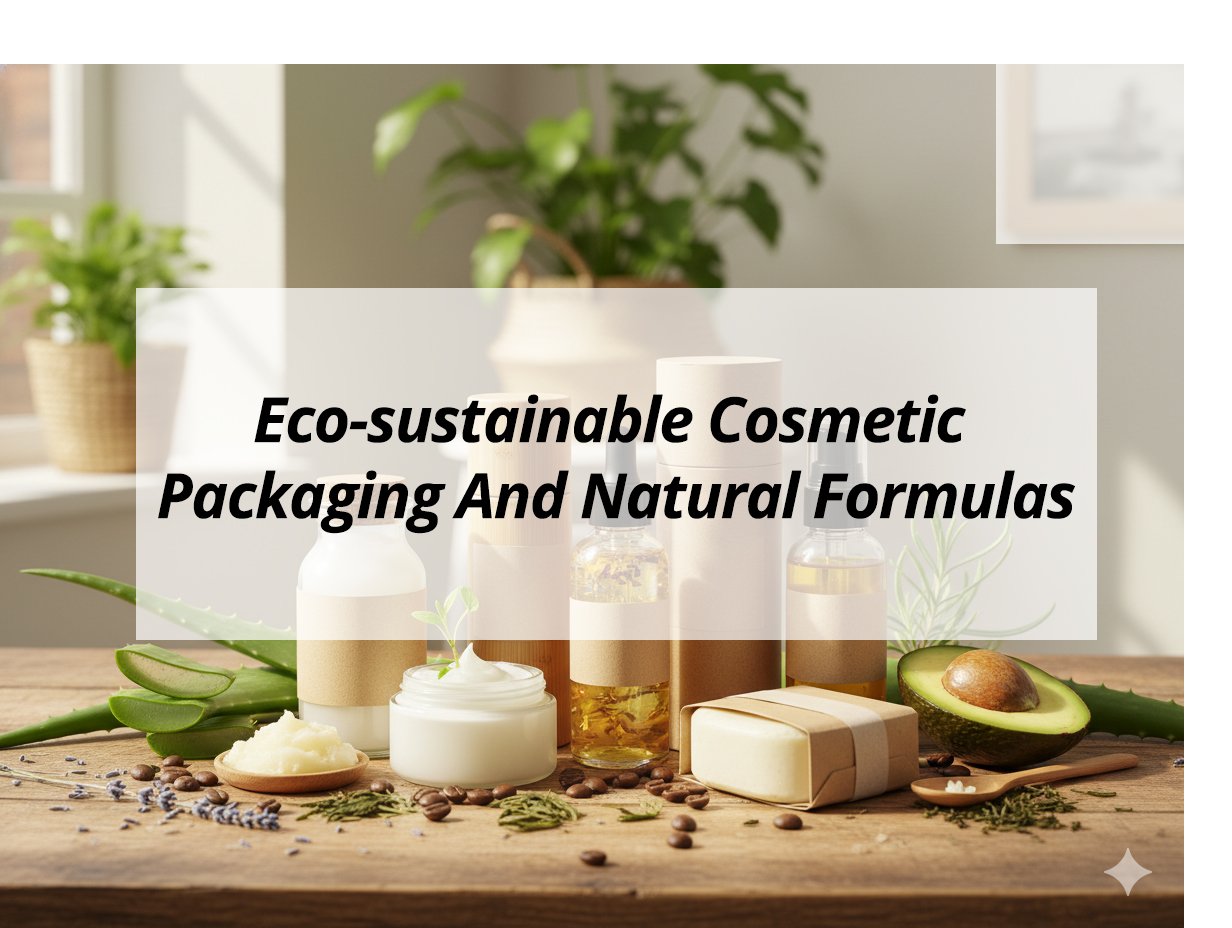
Environmental impact is a growing concern. Sustainable cosmetic packaging benefits brands and the planet. Natural formulas pair well with eco-friendly containers. It is important to make informed packaging choices.
Eco-sustainable cosmetic packaging involves materials and processes that minimize environmental harm, supporting natural formulas by maintaining their integrity. This approach focuses on reducing waste, conserving resources, and promoting circularity. Understanding these practices helps brands meet consumer demand for environmentally responsible products and reduce their carbon footprint.
The beauty industry is evolving. Consumers seek products that are beneficial for personal use and for the Earth. This requires consideration of both product ingredients and their packaging. Selecting eco-sustainable cosmetic packaging demonstrates environmental responsibility. It enhances the appeal of natural formulas.
What Are the 7 R's of Sustainable Packaging?
Brands aiming for truly sustainable packaging need more than just recycling. The 7 R's offer a complete guide. They encourage consideration of every stage of a package's life cycle.
The 7 R's of sustainable packaging are: Rethink, Refuse, Reduce, Reuse, Repair, Recycle, and Rot (Compost). These principles provide a comprehensive framework for minimizing environmental impact throughout a product's lifecycle. They guide decisions from initial design to final disposal, promoting resource efficiency and waste reduction in cosmetic packaging.
Many businesses initially focus solely on using recycled content. However, understanding the 7 R's reveals a broader perspective. It emphasizes that sustainability is not just about one step, but about the entire process. This holistic approach helps in making more effective choices for cosmetic packaging.
Rethink Packaging Needs
The first step is to rethink. Evaluate the necessity of current packaging levels. Can a simpler design be implemented? Innovative thinking can lead to significant changes, preventing waste at the outset.
Refuse Unnecessary Packaging
The next step is to refuse. Avoid packaging that does not serve a functional purpose. If a component is non-essential, it should be omitted. This prevents waste generation before it occurs.
Reduce Material Usage
Reducing involves using fewer materials. Design containers to be lighter. Utilize thinner walls where feasible. Less material consumption translates to fewer resources used and less waste produced. This is a core aspect of eco-friendly packaging design.
Reuse Containers
Reusable packaging offers significant environmental benefits. Can containers be designed for refilling by consumers? This reduces the demand for new packaging production and lowers the carbon footprint. Many brands now offer refillable options.
| R-Principle | Action for Cosmetics | Impact |
|---|---|---|
| Rethink | Redesign primary packaging for simplicity | Reduces material use from design |
| Refuse | Eliminate secondary packaging if not essential | Prevents unnecessary waste |
| Reduce | Lighten bottle weight, use thinner glass/plastic | Decreases resource consumption |
| Reuse | Offer refillable systems for creams, serums | Extends packaging life, reduces new production |
Repair Broken Components
Sometimes a pump or cap breaks. Can it be repaired instead of discarded? This concept is more common for durable goods, but it also applies to packaging. It extends the product's lifespan.
Recycle Materials Properly
Recycling is an important practice. Ensure packaging materials are recyclable. Provide clear instructions to consumers on how to recycle. Clear labels facilitate proper recycling. This helps to close the material loop and supports a circular economy.
Rot (Compost) Biodegradable Packaging
The final R is rot, or compost. Some materials can naturally decompose. They return to the earth without causing harm. This is suitable for packaging made from plant-based materials. It offers a sustainable disposal method.
What Is the Most Eco-Friendly Packaging for Cosmetics?
Determining the most eco-friendly packaging for a brand can be challenging due to numerous options. The optimal choice often depends on specific product requirements and brand objectives.
The most eco-friendly packaging for cosmetics typically combines several factors: utilizing recycled content (e.g., PCR plastic, glass), implementing refillable systems, and minimizing overall material usage. Materials such as glass and aluminum are highly recyclable. Emerging biodegradable options also exist. The best choice is influenced by product needs and local recycling infrastructure.
When considering "green" packaging options, a balanced approach is often most effective. For example, while a heavy glass jar may convey luxury, a lighter, refillable plastic container might offer lower transport emissions. A comprehensive assessment helps in selecting the most eco-friendly packaging solutions.
Post-Consumer Recycled (PCR) Plastics
PCR plastic is a highly beneficial option. It incorporates plastic waste from consumer recycling streams. This reduces the demand for virgin plastic production and diverts plastic from landfills. PCR plastic is adaptable for various types of cosmetic packaging.
Glass Packaging
Glass is another strong choice. It is infinitely recyclable, meaning it can be recycled repeatedly without degradation. Glass also provides a premium aesthetic. However, its higher weight compared to plastic can increase transportation-related emissions.
Aluminum Containers
Aluminum is also highly recyclable. It is lightweight and durable, making it suitable for travel-sized products or aerosols. Similar to glass, it can undergo multiple recycling cycles. It is a good option for products requiring robust protection.
Refillable Systems
Refillable packaging is a leading strategy for sustainability. It allows consumers to purchase a primary container once and subsequently buy only product refills. This significantly reduces waste generation and can enhance customer loyalty.
| Packaging Material | Eco-Friendly Aspect | Consideration |
|---|---|---|
| PCR Plastic | Reduces virgin plastic demand | Recycling infrastructure varies |
| Glass | Infinitely recyclable, premium look | Heavy, higher transport emissions |
| Aluminum | Highly recyclable, lightweight | Energy-intensive to produce new |
| Biodegradable | Breaks down naturally | Shelf-life, performance, composting facilities |
Biodegradable and Compostable Materials
New materials, such as biodegradable and compostable options, are becoming available. These materials can naturally decompose at the end of their lifecycle. Examples include plant-based plastics or certain paper types. These options show promise, but effective composting infrastructure is necessary for their successful implementation.
Minimizing Material Use
Regardless of the material, using less of it is inherently eco-friendly. Lightweighting packaging reduces raw material consumption and decreases the energy required for manufacturing and transportation. This principle applies to all forms of cosmetic packaging.
Mono-Material Design
Designing packaging with a single type of material simplifies the recycling process. When different materials are combined, recycling becomes more complex. Simple, single-material designs are easier to process, contributing to their eco-friendliness.
What Are the 5 R's of Sustainable Packaging?
For a simplified approach to sustainable packaging, the 5 R's offer a clear framework. These principles focus on key actions to minimize environmental impact.
The 5 R's of sustainable packaging are: Refuse, Reduce, Reuse, Recycle, and Rot (Compost). This concise set of principles guides brands in developing more environmentally responsible packaging. It emphasizes avoiding unnecessary materials, minimizing resource consumption, and promoting circularity within the cosmetic industry's supply chain and waste management practices.
The 5 R's provide an accessible starting point for many brands. For example, adopting lighter plastic bottles (Reduce) or exploring refill pouches for serums (Reuse) are tangible actions. These clear steps facilitate rapid progress toward sustainability goals.
Refuse Unneeded Packaging
The first R is refuse. Do not incorporate packaging components that lack true necessity. If a box or filler material offers no functional value, it should be excluded. This proactive approach prevents waste generation from the outset.
Reduce Your Material Footprint
Reduce signifies using less material overall. Design containers with thinner walls or smaller dimensions. This lowers the quantity of raw materials required for production and reduces weight, leading to less fuel consumption during shipping. This is a fundamental aspect of eco-friendly practices.
Reuse Existing Containers
Reusing packaging is a significant step toward sustainability. Offer consumers options to refill their product containers. This extends the lifespan of the packaging and decreases the demand for new production. Reusable options conserve resources and substantially reduce waste.
| 5 R Principle | Application in Cosmetics | Primary Environmental Benefit |
|---|---|---|
| Refuse | Eliminating unnecessary inserts or outer boxes | Prevents waste generation at source |
| Reduce | Using lightweight materials, smaller packaging | Lowers raw material use, transport emissions |
| Reuse | Designing refillable bottles for lotions, soaps | Extends packaging lifespan, reduces new production |
| Recycle | Using PCR plastics, glass, aluminum where possible | Diverts waste from landfills, conserves resources |
Recycle Materials Effectively
Recycle focuses on ensuring that materials can be processed for re-use. Utilize materials widely accepted in recycling programs. Clearly label packaging to guide consumers. This facilitates the conversion of used packaging into new products, maintaining resources in circulation.
Rot (Compost) Biodegradable Options
The final R is rot, or compost. This applies to packaging capable of natural decomposition. Materials like plant-based plastics or certain papers can safely return to the earth. Effective composting facilities are necessary for consumers to utilize this option, providing a landfill-avoiding end-of-life solution.
What Is the Difference Between Eco-Friendly and Sustainable Packaging?
Are "eco-friendly" and "sustainable" interchangeable terms in packaging? While often used similarly, a crucial distinction exists. Understanding this difference helps in making more informed decisions for cosmetic packaging.
Eco-friendly packaging minimizes environmental harm at a specific point, often focusing on materials or single aspects. Sustainable packaging adopts a broader perspective, considering the entire lifecycle—from material sourcing to disposal—along with social and economic impacts. Sustainable options aim for long-term ecological balance, whereas eco-friendly is a narrower term for immediate environmental kindness.
The distinction is important for strategic decision-making. An eco-friendly choice is a positive step. However, a sustainable choice involves a more comprehensive evaluation. For example, a lightweight plastic bottle may be eco-friendly due to reduced material use. But if it is not widely recyclable, its overall sustainability is compromised. Sustainable thinking considers the entire journey of the package.
Eco-Friendly: Focusing on Immediate Impact
Eco-friendly packaging indicates minimal environmental harm. It typically addresses one or two specific aspects. For instance, using recycled materials contributes to eco-friendliness. Reducing manufacturing energy consumption also makes packaging eco-friendly. It is about immediate positive environmental actions.
Examples of Eco-Friendly Features
- Recycled content: Utilizing previously processed plastic or glass.
- Biodegradable materials: Packaging designed to decompose naturally.
- Low carbon footprint: Packaging produced with reduced energy consumption.
- Non-toxic: Materials that do not release harmful chemicals.
Sustainable: A Holistic, Long-Term View
Sustainable packaging adopts a broader perspective. It evaluates the entire lifecycle of the package. This encompasses material sourcing, manufacturing, consumer use, and ultimate disposal. It also integrates social impacts, such as fair labor practices, and economic considerations, like long-term viability. Sustainable packaging strives for balance across generations.
| Aspect | Eco-Friendly Packaging | Sustainable Packaging |
|---|---|---|
| Scope | Narrow, focuses on specific environmental benefits | Broad, considers entire lifecycle (environmental, social, economic) |
| Goal | Minimize harm in specific areas | Achieve long-term balance, resource stewardship |
| Examples | Uses recycled content, biodegradable materials | Refillable systems, responsibly sourced materials, ethical labor |
| Focus | Materials, immediate environmental benefits | Systems, circularity, intergenerational equity |
Elements of Sustainable Packaging
- Circular economy: Designing packaging for continuous reuse or recycling.
- Responsible sourcing: Obtaining materials in a manner that protects the environment and communities.
- Reduced waste: Minimizing waste generation at every stage of the lifecycle.
- Energy efficiency: Utilizing renewable energy sources in production.
- Social equity: Ensuring fair and ethical practices for all involved workers.
Why the Distinction Matters
Understanding this difference enables brands to make more effective decisions. An eco-friendly choice is a good starting point. However, a sustainable choice encompasses a larger context. It involves considering how packaging impacts the planet, people, and economic viability over time.
My Insights: Eco-sustainable Cosmetic Packaging and Natural Formulas
Struggling with eco-friendly beauty choices? Discover how sustainable packaging and natural formulas are transforming the cosmetic industry.
Eco-sustainable cosmetic packaging utilizes biodegradable, refillable, and recyclable materials like glass and PCR plastics. Coupled with naturally preserved formulas, this approach reduces environmental impact and aligns with consumer demand for eco-friendly products.
Exploring Sustainable Practices in Cosmetics
Key Packaging Strategies
- Biodegradable Materials: Use materials like bamboo or compressed pulp for sustainable outer packaging.
- Refillable Systems: Reduce lifecycle emissions significantly, encouraging repeated use.
Natural Formula Essentials
| Aspect | Description |
|---|---|
| Preservatives | Use natural or nature-identical options to ensure safety. |
| Compatibility | Match preservatives to formulations for effective preservation. |
Environmental Impact
- Reducing Emissions: Lightweight and reduced packaging cut carbon footprint.
- Consumer Influence: Growing demand drives brands to adopt sustainable practices.
By adopting these practices, the cosmetic industry addresses environmental concerns and meets consumer expectations, creating a more sustainable future in beauty.
Conclusion
Eco-sustainable cosmetic packaging supports natural formulas and global well-being. By embracing principles like the 7 R's, prioritizing recycled content, and distinguishing between eco-friendly and sustainable, brands can make impactful choices.