Choosing the correct plastic for cosmetic packaging is crucial. The wrong material can harm product quality and shelf life. This decision needs careful thought to protect the product and satisfy consumers.
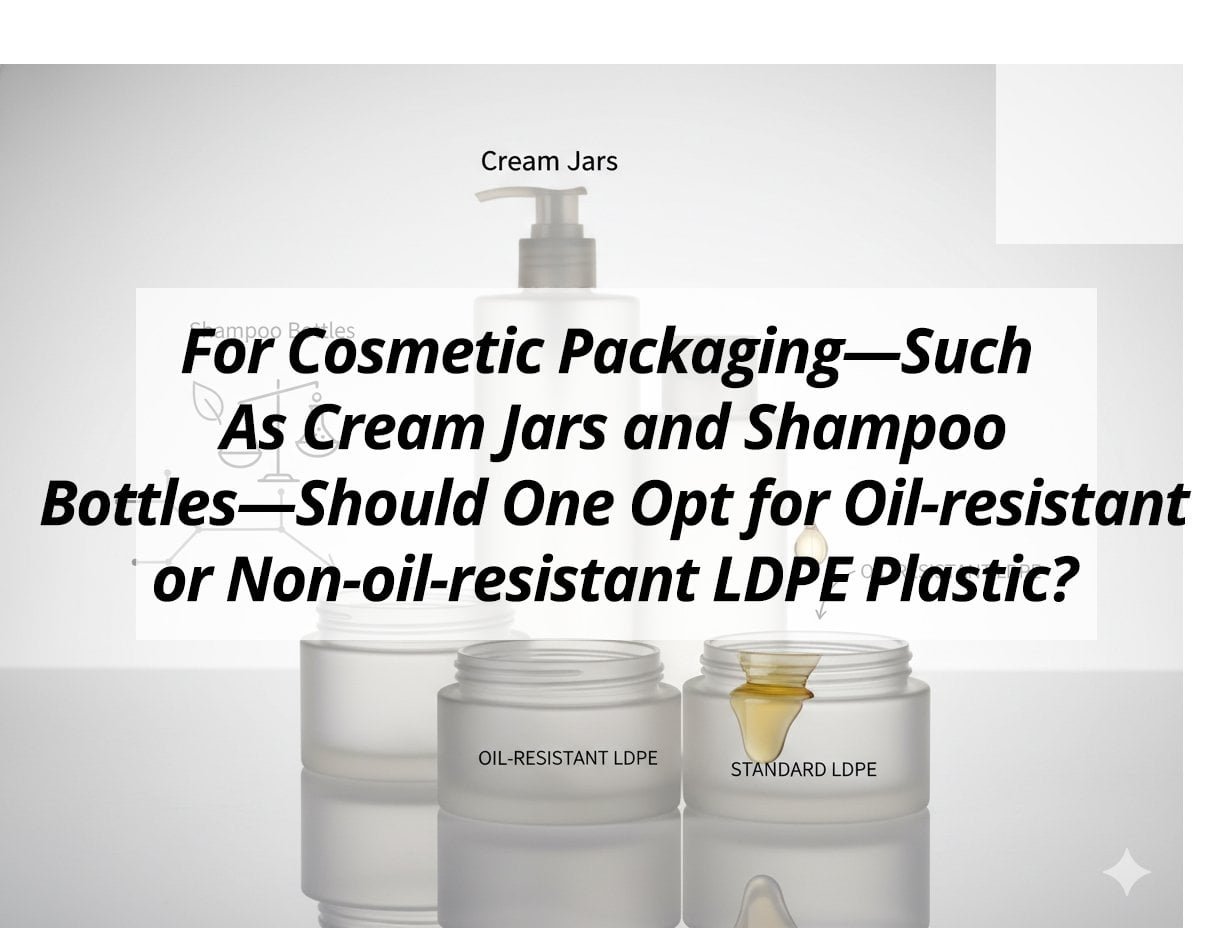
Selecting between oil-resistant and non-oil-resistant LDPE plastic for cosmetic packaging depends entirely on the product's formulation. Oil-based cosmetics, such as many creams and lotions, require oil-resistant LDPE to prevent material degradation. Water-based products, however, can use standard non-oil-resistant LDPE effectively. This ensures packaging integrity and product stability.
Understanding the specific properties of different plastic types is essential. This knowledge helps in making informed decisions for cosmetic packaging. The right choice safeguards product integrity and meets industry standards.
Is PET the Same as LDPE?
Many people often confuse PET and LDPE plastics. However, these two materials possess distinct properties. Understanding their differences is key for proper material selection in packaging applications.
PET (Polyethylene Terephthalate) and LDPE (Low-Density Polyethylene) are not the same. PET is a rigid, transparent plastic commonly used for beverage bottles due to its strength and barrier properties. LDPE is a flexible, softer, and more translucent plastic, typically found in squeeze bottles and plastic films. Each type is suited for different packaging requirements.
PET and LDPE differ significantly in their molecular structures and resulting physical attributes. PET offers superior clarity and exhibits good barrier performance against gases. It is also known for its strength and impact resistance. For example, most carbonated drink bottles are made from PET. This makes PET suitable for products requiring long shelf life and protection from external elements.
In contrast, LDPE is characterized by its high flexibility. It is less transparent than PET and has a softer feel. Common applications include plastic bags, squeeze tubes, and flexible bottles. LDPE is easy to process and offers good resistance to various chemicals. However, its barrier properties are generally not as robust as those of PET.
Here is a comparison of their key features:
| Feature | PET (Polyethylene Terephthalate) | LDPE (Low-Density Polyethylene) |
|---|---|---|
| Flexibility | Rigid | Flexible |
| Clarity | High, transparent | Low, translucent |
| Strength | High | Moderate |
| Barrier | Good against gases | Moderate |
| Common Uses | Beverage bottles, food containers | Squeeze bottles, films |
| Recycling Code | 1 | 4 |
The choice between PET and LDPE depends on the product's specific needs. If a clear, rigid container is required for a liquid, PET is often preferred. For flexible tubes or squeeze bottles containing creams or gels, LDPE is typically a more suitable option. The product's viscosity and dispensing method are important factors in this selection.
What makes flexibility important for cosmetic packaging?
Flexibility in packaging enhances user experience. A flexible container allows for easy dispensing, especially for viscous products. It also helps consumers use all the product, reducing waste.
Is high clarity always a benefit?
High clarity is not always necessary. Sometimes, a translucent appearance is preferred for aesthetic reasons. Furthermore, some light-sensitive cosmetic ingredients may benefit from less transparent packaging to prevent degradation.
Which plastic type is often used in milk jugs and shampoo bottles?
The distinct feel of milk jugs and shampoo bottles indicates different plastic types. The choice of plastic here is critical for product integrity and consumer safety.
HDPE (High-Density Polyethylene) is commonly used for milk jugs and shampoo bottles. This opaque plastic is highly valued for its excellent chemical resistance, durability, and moisture barrier properties. HDPE's cost-effectiveness and robust nature make it an ideal material for these widely used household and personal care containers.
HDPE is a prevalent plastic type. It possesses a higher density than LDPE, making it stiffer and stronger. This rigidity is why it is used for sturdy containers like milk jugs. HDPE also demonstrates good resistance to a wide range of chemicals. This property makes it suitable for packaging products such as shampoos, conditioners, and detergents, which may contain various chemical compounds.
HDPE is also known for its good impact resistance. This means containers made from HDPE can withstand accidental drops without easily breaking. Its relatively light weight also contributes to lower transportation costs. These factors make HDPE a practical and economical choice for many packaging applications.
Key characteristics of HDPE include:
- Durability: It is very strong and resistant to breakage.
- Chemical Resistance: It provides good protection against many chemicals.
- Moisture Barrier: It effectively prevents moisture ingress or egress.
- Cost-Effectiveness: It is an economical material for large-scale production.
HDPE is used in various cosmetic packaging solutions, including lotion bottles and certain cream jars. Its properties ensure the packaging maintains its integrity and protects the product contents. An example of its importance is when a highly reactive product is mistakenly packaged in an incompatible plastic. The packaging can degrade, compromising the product. Switching to HDPE can resolve such issues, highlighting the need for correct material selection.
How does HDPE compare to PET for shampoo bottles?
While PET offers high clarity, HDPE is often preferred for shampoo bottles due to its opacity, which can protect light-sensitive ingredients, and its superior chemical resistance to various shampoo formulations.
Is HDPE widely recyclable?
Yes, HDPE is extensively recyclable. It is typically identified by the recycling code "2." This broad recyclability makes it a favored choice for brands focusing on environmental responsibility.
Which type of plastic is commonly used in single use bottles and packaging?
The prevalence of single-use bottles and packaging raises questions about their material composition. The chosen plastic must balance cost-effectiveness with functional performance.
PET (Polyethylene Terephthalate) is widely used for single-use bottles and packaging, particularly for water and soft drinks. Its key attributes include being lightweight, clear, strong, and offering an excellent barrier against gases. These properties help maintain product freshness. Its high recyclability also contributes to its common use in disposable applications.
PET's transparency and strength are primary reasons for its widespread use in bottling liquids such as water, juices, and carbonated beverages. Its exceptional gas barrier properties are crucial for these applications. This barrier effectively retains carbonation in fizzy drinks and prevents oxygen from entering, thereby extending the product's shelf life.
Furthermore, PET is a lightweight material. This characteristic significantly reduces shipping expenses. For businesses involved in global distribution, lower package weight translates directly into reduced freight charges. This helps maintain competitive pricing for products.
Important features of PET for single-use items are:
- Clarity: It allows consumers to view the product clearly.
- Lightweight: It minimizes transportation costs and environmental impact.
- Strength: It can withstand internal pressure and external impacts.
- Recyclability: It is broadly accepted in recycling programs globally.
Many travel-sized cosmetic products or samples also utilize PET. This is due to their often temporary or single-use nature. Small serum bottles, for instance, are frequently made from PET for its clear appearance and robust nature. PET also provides a suitable surface for printing, allowing for clear and durable branding elements. This ensures packaging looks professional and appealing.
Can PET be used for products filled at high temperatures?
Standard PET is not typically recommended for hot-fill processes. However, specialized heat-set PET formulations are available that can withstand higher temperatures, making them suitable for specific hot-fill applications.
What are the environmental concerns associated with single-use PET?
Despite PET's recyclability, the vast quantity of single-use packaging poses significant waste management challenges. Promoting robust recycling infrastructures and exploring reusable or refillable packaging solutions are vital for mitigating these environmental impacts.
What is cosmetic packaging made of?
The materials used for cosmetic packaging are crucial for protecting the product and ensuring its efficacy. Packaging choices go beyond aesthetics; they involve complex material science.
Cosmetic packaging encompasses a diverse array of materials, including various plastics such as PET, HDPE, LDPE, PP, and PS, alongside glass, aluminum, and sometimes paper or wood. The selection of material is dictated by the cosmetic product's specific formulation, desired visual appeal, durability requirements, and cost-efficiency. Each material provides distinct properties suitable for different types of cosmetic items.
The material selection process for cosmetic packaging is multifaceted. It prioritizes the compatibility between the packaging and the product. Different cosmetic formulations have varying demands. For example, a thick cream requires different packaging characteristics than a liquid serum.
Common Plastic Materials in Cosmetic Packaging:
- PET (Polyethylene Terephthalate): Utilized for clear bottles, jars, and travel-size containers. It is suitable for serums, toners, and some lotions due to its transparency and barrier properties.
- HDPE (High-Density Polyethylene): Frequently used for opaque bottles and jars. It is effective for shampoos, conditioners, and body lotions, offering good chemical resistance and durability.
- LDPE (Low-Density Polyethylene): Employed in squeeze tubes and flexible bottles. It is ideal for creamy products, lotions, and foundations that necessitate easy dispensing.
- PP (Polypropylene): Used for jars, caps, and closures. It is strong, resistant to heat, and provides a good chemical barrier, often found in cream jars.
- PS (Polystyrene): Commonly used for compacts and makeup cases. While it can be brittle, it offers good clarity, making it suitable for compact mirrors.
Other Packaging Materials:
- Glass: Imparts a premium perception. It is chemically inert, meaning it does not react with product ingredients. It is often chosen for high-end serums, essential oils, and fragrances.
- Aluminum: Lightweight and provides excellent barrier protection against light and air. It is used for certain sprays, tubes, and jars.
- Acrylic: Delivers a luxurious, glass-like appearance without the weight or fragility of actual glass. It is often selected for prestige cream jars and bottles.
Manufacturers of cosmetic packaging offer a wide range of options. These include various tubes, cases, bottles, and jars. This diversity allows for solutions tailored to specific product types, target markets, and branding strategies. Considering environmental factors, such as regional climate, is also important to ensure packaging performance. Proper material selection is vital to prevent product compromise and potential recalls.
Why is chemical compatibility in packaging so important?
Chemical compatibility ensures that the packaging material does not react adversely with the cosmetic formulation. An incompatible reaction can alter the product's color, scent, or efficacy, and may even render it unsafe for consumers.
How does sustainability influence material choices in cosmetic packaging?
Sustainability increasingly influences material selection. Brands are actively seeking recyclable, post-consumer recycled (PCR), or bio-based materials. This aligns with growing consumer demand for environmentally responsible products and reduces the industry's ecological footprint.
My Insights: For Cosmetic Packaging—Oil-resistant or Non-oil-resistant LDPE?
Choosing the right LDPE for cosmetic packaging can prevent leaks and maintain product integrity. Discover which type suits your formulation needs.
Opt for oil-resistant LDPE when dealing with high-oil-content cosmetics like creams and serums. It prevents leakage and deformation. Standard LDPE suffices for water-based products, offering cost effectiveness and adequate resistance.
When to Choose Oil-resistant LDPE
Understanding LDPE Differences
-
Standard LDPE: Suitable for products with less than 10% oil content like lotions and shampoos. It offers flexibility, easy processing, and good chemical resistance.
-
Oil-resistant LDPE: Ideal for formulations with over 30% oils, preventing packaging deformation and leakage.
| Product Type | Oil Content | Recommended LDPE | Justification |
|---|---|---|---|
| Water-based shampoos | < 10% | Standard LDPE | Flexible and cost-effective for low oil content |
| Rich creams, body butters | 10–30% | Standard if <12mo; oil-resistant otherwise | Extends shelf life and prevents slow oil migration |
| Pure oil blends, treatments | > 30% | Oil-resistant LDPE | Maintains structural integrity and prevents leaks |
Practical Considerations
- Conduct a bump test to ensure compatibility with your formula.
- For extreme oil content, consider using HDPE or PP for better barrier properties.
- Ensure tight closures to minimize oil and air ingress.
Using the right LDPE type ensures product stability and longevity, particularly for oil-rich formulations.
Conclusion
Selecting the appropriate plastic for cosmetic packaging is critical for product stability and brand reputation. Careful consideration of the product's composition, aesthetic goals, and functional needs is essential. A wide array of materials exists to fulfill diverse packaging requirements effectively.