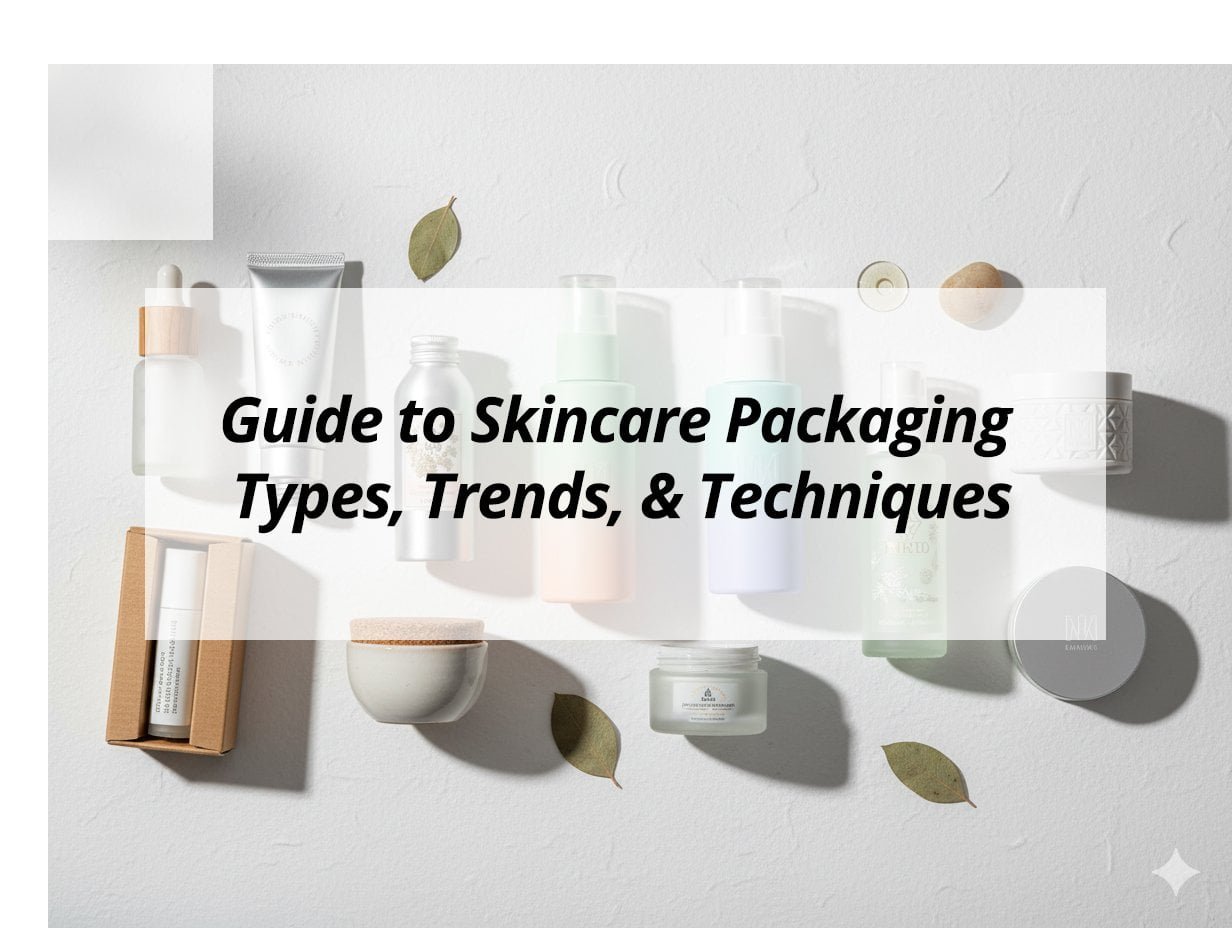
In a fast-evolving skincare industry, how do you make packaging decisions that resonate?
Skincare packaging plays a critical role in product presentation and quality preservation. It reflects brand values and impacts consumer choices, making informed decisions essential. Effective packaging not only safeguards formulations but enhances brand recognition, influencing market success and building strong consumer relationships.
Choosing packaging goes beyond aesthetics—it's strategic for brand perception and growth, guiding decisions on types, trends, and techniques.
What are the 5 P's of packaging?
Have you ever wondered what makes packaging successful in the competitive skincare market?
The 5 P's of packaging—Product, Protection, Promotion, Price, and Place—formulate a strategic approach. They ensure that your skincare package not only attracts but also retains customers by meeting their expectations and needs.
Understanding these P’s is essential in aligning packaging with business goals.
The 5 P's
Product
Packaging must align with the product’s attributes. It should reflect functionality, preserving the integrity of skincare formulations. For instance, items containing antioxidants often require air-tight packing to prevent degradation. The packaging should also enhance usability, ensuring that consumers find the experience enjoyable and straightforward.
Protection
It’s crucial to guard products against external harm. Efficient protection strategies include resisting spills, leaks, and exposure to detrimental environmental factors, such as light and temperature. Think about using materials that block harmful UV rays, or adopting double-sealable mechanisms to prevent leaks.
Promotion
Packaging serves as a powerful marketing tool. It should captivate attention and communicate your brand’s essence instantly. Visuals, colors, and typography play an integral role. Strategically incorporating visual branding can transform packaging into a memorable aspect of brand recognition and customer attraction.
Price
Finding a balance between cost and quality is crucial. Sustainable materials might be pricier but offer long-term brand value. Assessing consumer willingness to pay and aligning packaging costs without compromising quality will be beneficial. In my experience, investing in quality packaging has often translated into higher customer satisfaction and loyalty.
Place
Packaging should fit seamlessly within its retail or digital selling environment. Consider factors such as shelf space and online presentation. I'll never forget when I adjusted package dimensions for a better fit in store shelves—it made a noticeable difference in product visibility.
By focusing on these aspects, skincare brands can build trust and encourage consumer loyalty, essential for long-term success.
What are the packing trends for 2025?
Wondering what the future holds for skincare packaging?
Packing trends for 2025 focus on sustainability, smart technology, personalization, minimalism, and enhanced user experience. These factors drive innovation and consumer engagement in the skincare package industry.
2025 trends
Sustainability
Eco-conscious consumers demand greener solutions. Materials like biodegradable plastics and reusable containers reduce ecological impact. Brands showcasing commitments to environmental responsibility also boost their image, attracting like-minded consumers committed to sustainable living.
Smart Technology1
Smart packaging solutions integrate technology such as QR codes and Near Field Communication (NFC) to enhance interaction. For instance, scanning a code might reveal product details or special promotions. Engaging consumers through technology fosters transparency and strengthens customer-brand relationships.
Personalization
Tailored packaging solutions cater directly to individual consumer tastes. Offering customizable aspects, such as label designs or name engravings, creates a personal touch. I remember clients expressing joy over personalized packages, demonstrating the emotional connection it fosters.
Minimalism
Clean, simplistic packaging designs are on the rise. They convey sophistication and focus on product essence without unnecessary embellishments. Less clutter appeals to modern consumers desiring an elegant, straightforward buying experience.
Enhanced User Experience2
Focusing on ease of use, features like ergonomic designs or hassle-free dispensing can make a significant impact. Prioritizing user-friendliness by incorporating elements like airless pumps or effortless open-close functions caters to consumer convenience.
By embracing these trends, brands position themselves as forward-thinking and consumer-centric, boosting market presence and consumer trust.
What are the four main types of packaging?
Confused about the different packaging options available?
The four main types of packaging in skincare are primary, secondary, tertiary, and quaternary. Each serves distinct functions, from direct product containment to branding and logistics.
Packaging Types
Primary Packaging3
This type directly encases the product. Its purpose is to protect the formulation, enhance user interaction, and appeal aesthetically. Examples include tubes and jars that provide easy access and preservation. I’ve found that when primary packaging is thoughtfully designed, it enhances both product appeal and user satisfaction.
Secondary Packaging4
This involves external casing for protection and branding—think of boxes or sleeves around the primary packaging. It communicates essential brand messages and offers an additional layer of protection and presentation. In the past, this type transformed how clients perceived product value, due to the extra allure it provided.
Tertiary Packaging5
Used for bulk distribution, it ensures safe transport from manufacturer to retailer. While not consumer-facing, it plays a crucial role in protecting multiple products. Efficient tertiary solutions, like sturdy cartons, can reduce shipping damages, effectively cutting costs over time.
Quaternary Packaging6
It encompasses the broader logistical framework, such as shipping containers that move products over long distances. Ensuring this infrastructure is robust minimizes transit-related losses and delays, streamlining supply chains.
Understanding these layers helps in designing a cohesive packaging strategy that enhances product integrity and consumer appeal, ultimately strengthening brand reputation.
What are the different types of skincare containers?
Finding the right container for your skincare formula can be daunting, right?
The variety of skincare containers includes jars, bottles, tubes, airless pumps, and droppers. Each container type offers unique benefits tailored to specific product formulations and usage habits.
Container Types
| Container Type | Features | Ideal For |
|---|---|---|
| Jars | Wide opening for easy access | Thick creams, balms |
| Bottles | Versatile with various dispensing options | Liquids, serums |
| Tubes | Squeeze-friendly and portable | Gels, lightweight creams |
| Airless Pumps | Preserves product integrity | Sensitive formulations |
| Droppers | Precision application | High-value serums, oils |
Key Considerations
-
Material: Based on product stability, choose between alternatives like glass or recyclable plastics. Glass often evokes luxury but needs careful handling.
-
Design: Tailor designs for ergonomic usability. Consider features like grip texture or dispensing mechanisms that will enhance consumer experience. It’s often the small design tweaks that make a significant difference.
-
Compatibility: Testing the compatibility of product ingredients with container materials can avoid reactions that degrade quality. Collaborating with suppliers to ensure material suitability has been vital in several successful launches.
The right container should reflect your brand’s essence, balancing aesthetics and functionality while catering to customer needs. When you get it right, it not only elevates your product but also reinforces consumer trust.
My insights: Unveiling Skincare Packaging Types, Trends, & Techniques
Struggling to keep up with evolving skincare packaging trends? Discover how innovative designs and materials can enhance product appeal and sustainability.
Skincare packaging now emphasizes sustainability, functionality, and minimalist aesthetics. Popular types include pump bottles, droppers, and jars, with emerging trends focusing on eco-friendly materials, refillable systems, and smart technology integration for enhanced consumer engagement.
Exploring Skincare Packaging Trends and Materials
Common Packaging Types:
- Pump Bottles: Ideal for lotions, offering hygiene and convenience.
- Droppers and Sprayers: Suitable for precise application of serums and mists.
- Jars and Tubes: Allow easy access and dispensing for thicker formulations.
Trends in Design and Sustainability:
- Minimalist Aesthetics: Simple shapes and neutral colors reflect transparency and luxury.
- Sustainable Practices: Recycled materials, refillable designs, and mono-material plastics reduce environmental impact.
- Smart Technology: QR codes and sensors enhance consumer interaction with packaging.
Material Choices:
- Glass and Acrylic: Provide premium appearance and recyclability.
- Recycled Paper: Used for outer packaging to promote eco-conscious branding.
- Mono-material Plastics and Stand Pouches: Simplify recycling and offer lightweight solutions.
Comparison Table
| Aspect | Key Features |
|---|---|
| Packaging Types | Pump bottles, droppers, jars |
| Design Trends | Minimalism, sustainability, smart features |
| Material Choices | Glass, acrylic, recycled materials |
These trends showcase a shift toward greater functionality, consumer engagement, and environmental responsibility, essential for success in the evolving skincare market.
Conclusion
In the skincare industry, choosing effective packaging involves understanding materials, keeping up with trends, and fulfilling both protective and promotional roles—ensuring long-lasting customer satisfaction and brand loyalty.
-
Discover innovative packaging solutions that enhance consumer interaction and transparency. ↩
-
Find out how ergonomic designs and easy dispensing can enhance consumer satisfaction. ↩
-
Understand how primary packaging protects formulations and enhances user interaction. ↩
-
Learn how secondary packaging adds branding and protection to primary containers. ↩
-
Discover how tertiary packaging ensures safe transport and reduces shipping damages. ↩
-
Explore the broader logistical framework that minimizes transit-related losses. ↩