
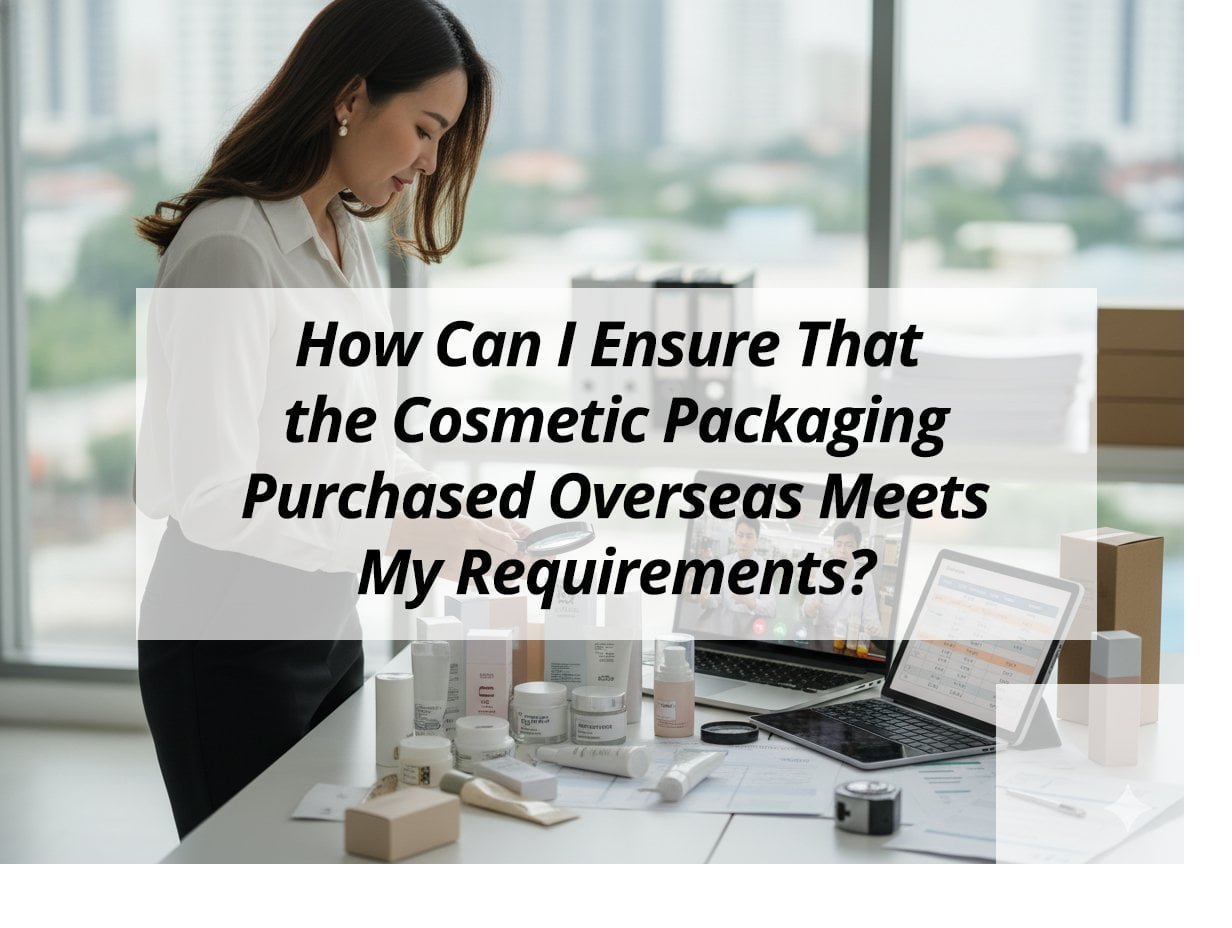
Struggling with overseas cosmetic packaging quality and compliance? You're not alone. Ensuring alignment with your brand's standards is possible with the right steps.
Ensuring overseas cosmetic packaging meets your requirements involves stringent quality checks, understanding regulations like the FDA, and clear communication with suppliers. Knowledge of international shipping and import duties is crucial to avoid unexpected hurdles and ensure seamless operations.
Navigating these challenges can secure your business success. Let’s explore the essentials.
Does FDA regulate cosmetic packaging?
Meeting standards can be daunting, but knowing regulations simplifies the process.
The FDA does not directly regulate cosmetic packaging1, but it holds the product manufacturer accountable for safety. Packaging must not contaminate cosmetics or mislead consumers. Understanding these guidelines helps ensure compliance and maintain consumer trust.
Packaging Regulations
Safety Responsibility
- Manufacturer’s Duty: Ensure no contamination or misleading claims.
- Material Safety: Packaging materials must not leach harmful chemicals.
- Consumer Protection: Ensures product safety throughout its lifespan.
Understanding these responsibilities is vital. It’s not just about the product but also about how it's presented and preserved.
Key Considerations
- Transport Safety: Packaging must withstand transportation without compromising product integrity.
- Labeling Accuracy: Must match product claims and content.
- Supplier Vetting: Choose suppliers aware of these regulations.
Complying with these guidelines preserves brand integrity and strengthens customer relationships.
Can you ship skincare internationally?
Global expansion is enticing. Knowing how you can ship skincare products internationally keeps your business competitive.
Shipping skincare internationally is feasible, but you must comply with import and export regulations and ensure proper documentation. Each country has specific rules on ingredients and labeling, which requires thorough research and planning. Proper certification helps avoid delays and legal issues.
Navigating International Shipping
Regulatory Compliance
- Documentation Essentials: Ensure all paperwork is complete and accurate.
- Ingredient Regulations: Know banned substances in destination countries.
- Labeling Requirements: Must meet local standards in target markets.
Shipping skincare involves understanding both logistics and laws. Aligning with these helps avoid costly pitfalls and ensures smooth operations.
Shipping Strategies
- Partner Selection: Choose experienced logistics partners familiar with cosmetic regulations.
- Customs Insight: Understand country-specific tariffs and duties.
- Insurance Coverage: Protects against damage or loss during transit.
These considerations help streamline international shipping, allowing you to serve a global customer base effectively.
What is the import duty on cosmetics in the US?
Understanding import duties impacts your profit margins. It's essential for proper financial planning.
The import duty on cosmetics2 in the US varies based on product classification. Most cosmetics fall under a duty rate of 0% to 6%. Knowing these rates helps in pricing products competitively while maintaining profitability. Always check the latest tariffs for accurate calculations.
The Import Duties
Duty Rates Analysis
| Product Type | Duty Rate |
|---|---|
| Skincare Products | 0% - 6% |
| Makeup Items | 2% - 4% |
| Fragrance Goods | 0% - 3% |
- Classification Matters: Accurate product classification ensures correct duty application.
- Tariff Updates: Regularly check for changes in duty rates.
Understanding import duties enables strategic pricing and financial planning. It ensures compliance with US trade policies and competitive market positioning.
What are the FDA requirements for cosmetic Labelling?
Correct cosmetic labeling is essential for compliance and consumer trust. Missteps can lead to severe repercussions.
The FDA requires cosmetic labeling to include the product name, net contents, ingredients in descending order, and manufacturer details. Labels must be clear, accurate, and not misleading. These standards protect consumers and instill confidence in a product’s authenticity and safety.
In-depth Look at Labeling Requirements
Key Labeling Components
- Product Identity: Clear and unequivocal description.
- Net Content: Exact weight or volume of the product.
- Ingredient List: Listed in weight order.
Complying with these requirements ensures your product is market-ready and legally compliant.
Best Practices
- Clarity: Use easily readable fonts and avoid technical jargon.
- Translations: Ensure labels meet language requirements of the destination market.
- Accurate Claims: Avoid unverified claims to prevent regulatory scrutiny.
Meeting FDA labeling rules enhances your brand’s credibility and protects against legal issues, ensuring your products are trusted and successful in the marketplace.
My insights: Ensuring Overseas Cosmetic Packaging Meets Your Standards
Struggling to ensure that overseas cosmetic packaging meets your needs? Learn how to navigate compliance, quality, and sustainability requirements effectively.
To ensure overseas cosmetic packaging meets your requirements, request product specs, verify compliance with safety standards, and use third-party inspections. Communicate directly with suppliers and assess their reputation carefully.
Navigating International Cosmetic Packaging Standards
1. Clarify Your Requirements:
- Internal Specifications: Define material, dimensions, closure type, and formula compatibility. Specify regulatory and branding needs, including labeling and recyclability claims.
- Regulatory Compliance: Understand market-specific rules for regions like the US, EU, and Asia, ensuring packaging meets safety, labeling, and sustainability regulations.
2. Supplier Verification and Quality Control:
| Action | Purpose | Considerations |
|---|---|---|
| Request Certifications | Verify compliance with safety and standards | ISO 9001, GMP, material safety declarations |
| Sample Testing | Confirm compatibility and stability | Perform accelerated aging and transit tests |
| Use Third-party Inspections | Ensure consistent quality and specifications | Check dimensions, printing, sealing, and labeling |
Choosing reliable suppliers with robust compliance and quality processes is crucial. Ensure proper documentation from certification to test results and conduct thorough reviews of artworks and labeling to align with market standards.
Conclusion
Ensuring overseas cosmetic packaging meets requirements involves understanding regulations, compliance, and strategic planning. This knowledge empowers your brand to thrive in global markets.