
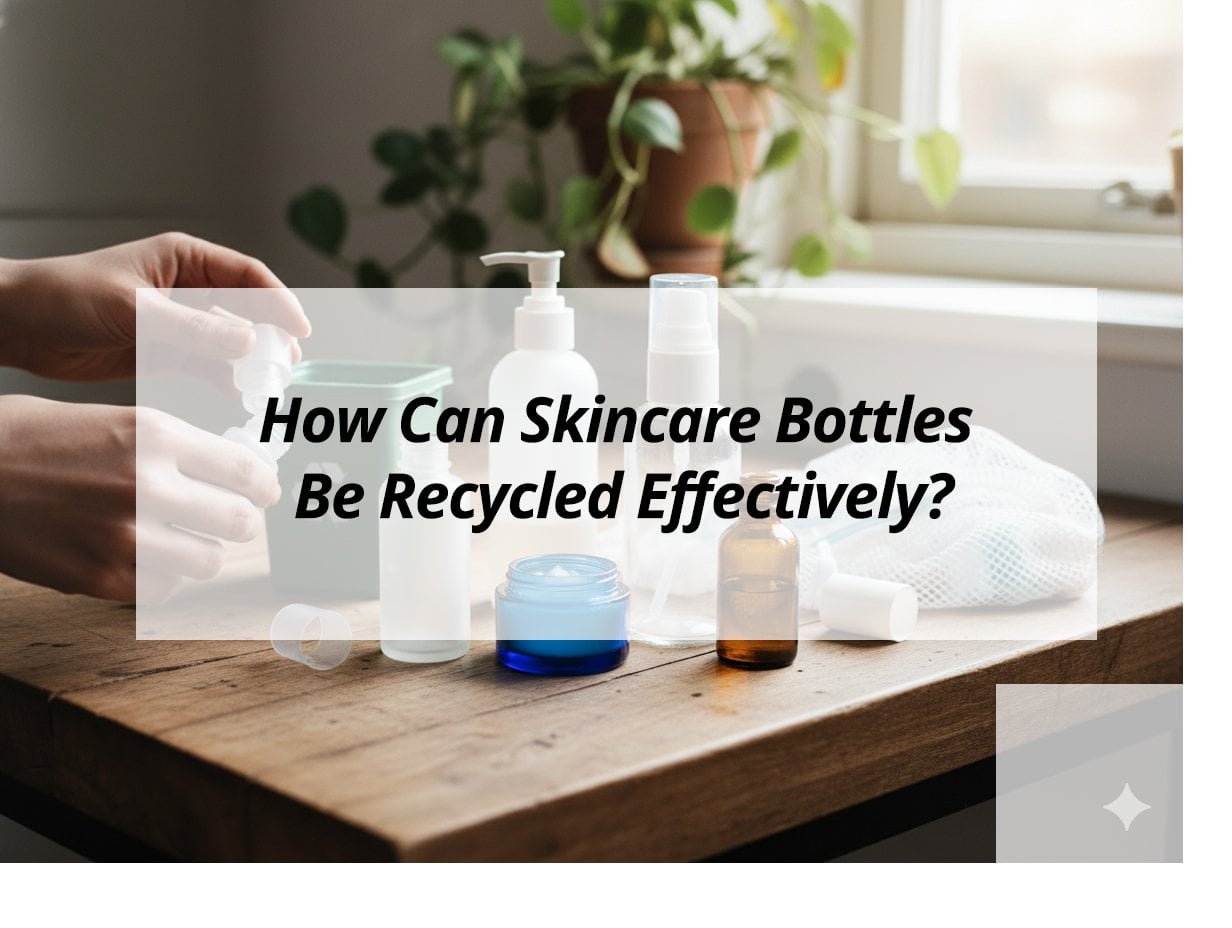
Empty skincare bottles often accumulate. Many people are unsure how to properly dispose of them. This common challenge can lead to unnecessary waste.
Most empty cosmetic containers are suitable for recycling. Proper preparation is essential for successful processing. Understanding the correct steps for sorting and cleaning can significantly improve recycling rates.
Understanding how to recycle skincare bottles is important. It helps reduce environmental impact. This guide will provide clear instructions. It will explain how to prepare and submit these items for recycling.
What Actions Should Be Taken with Old Skincare Bottles?
When a skincare product is finished, an empty bottle remains. Discarding these directly into general waste is often not the most environmentally friendly option. There are specific steps to take.
Old skincare bottles should be prepared for recycling. This involves emptying all product residue. The containers must then be thoroughly cleaned. This preparation prevents contamination at recycling facilities.
It is important to check the recycling symbol on each bottle. This symbol is usually a triangle with a number inside. This number identifies the type of plastic. For example, some lotion bottles are made from HDPE (number 2 plastic), which is widely accepted. Other bottles might be PET (number 1). Knowing the plastic type helps determine local recycling acceptance.
Many bottles have multiple components. A pump dispenser, for instance, often contains metal springs and various plastics. These parts may need to be separated from the main bottle. The bottle can then be recycled. The complex pump assembly might need to be discarded if it is not recyclable in your area. Separation improves the efficiency of the recycling process.
Why is separating components crucial for recycling?
Separating different materials within a single item aids recycling facilities. It streamlines their sorting process. This also increases the likelihood that each material will be successfully recycled. Mixed materials can cause an item to be rejected from the recycling stream.
| Component Type | Recommended Action | Reason for Action |
|---|---|---|
| Bottle Body | Empty, clean, and recycle | Typically made of a single, identifiable material |
| Pumps/Sprayers | Disassemble or discard | Often complex, mixed materials |
| Caps | Clean and recycle | Frequently made from the same material as the bottle |
| Labels | Remove if possible | Some facilities require removal to improve material purity |
Proper segregation of components ensures that more materials are diverted from landfills. It supports a more effective recycling system. This practice is a fundamental part of responsible waste management.
How Can Skincare Bottles Be Disposed Of?
After preparing skincare bottles, the next step is proper disposal. Available options vary significantly by location. Understanding local guidelines is key to successful recycling.
Skincare bottles can often be disposed of through local curbside recycling programs. These services collect recyclable materials directly from homes. It is crucial to verify which types of plastics and glass are accepted in your specific area. Some programs have limitations on certain materials or preparation requirements.
Consulting the local municipal waste management website is recommended. These sites typically list accepted materials and specific preparation instructions, such as whether caps should be left on or removed. Adhering to these guidelines ensures that empty cosmetic containers are properly processed.
If curbside recycling is not available for certain items, drop-off locations are an alternative. These sites allow residents to bring their recyclable materials. Some retail stores and beauty brands also offer specialized take-back programs for empty containers. These programs provide additional avenues for responsible disposal.
What are take-back programs for cosmetic packaging?
Many beauty brands offer take-back programs. Consumers can return their empty product containers directly to the brand. These brands then manage the recycling or upcycling of these materials. This method ensures that materials are handled according to specific brand protocols.
| Program Type | Description of Service | Advantages for Consumers |
|---|---|---|
| In-Store Drop-off | Consumers bring empty containers to designated retail locations | Convenient, sometimes offers loyalty points or discounts |
| Mail-Back Program | Consumers ship empty containers to a specified brand or partner facility | Accessible for those without local recycling options, handles specific brand materials |
| Partnership Programs | Brands collaborate with specialized recycling companies (e.g., TerraCycle) | Accepts hard-to-recycle items, broader material scope |
These programs contribute to a circular economy within the beauty industry. They provide a responsible pathway for empty cosmetic containers recycle that might otherwise be difficult to process through standard municipal systems. Utilizing these options supports both environmental goals and brand sustainability efforts.
How Many Bottles Should Be Recycled to Generate Revenue?
The motivation for recycling skincare bottles is primarily environmental. Generating significant direct revenue from recycling individual plastic or glass skincare containers is generally not feasible for consumers.
Direct financial returns from recycling single skincare bottles are typically minimal to non-existent. The market value of the raw plastic or glass from one bottle is very low. Unlike certain deposit-return schemes for beverage containers, most cosmetic packaging does not offer a cash rebate per item.
While individual bottles do not yield substantial cash, some specialized recycling programs or retail initiatives may offer incentives. These might include loyalty points, product discounts, or store credit rather than direct monetary compensation. These incentives aim to encourage participation in recycling programs.
The primary benefit of recycling is its positive environmental impact. This far outweighs any potential for direct financial gain from individual items. The focus remains on sustainability rather than profit for the consumer.
What are the main benefits of recycling skincare packaging?
The core benefits of recycling are environmental and resource-related. Recycling reduces the need for new raw materials and decreases energy consumption. It also lessens pollution and waste.
| Benefit Category | Impact of Recycling on the Environment | Explanation of the Impact |
|---|---|---|
| Resource Conservation | Reduces demand for virgin materials | Preserves natural resources like petroleum and sand |
| Energy Savings | Requires less energy than manufacturing new products | Lowers greenhouse gas emissions and energy consumption |
| Pollution Reduction | Decreases landfill waste and plastic entering oceans | Protects ecosystems, wildlife, and human health |
| Economic Support | Creates jobs within the collection, sorting, and processing sectors | Fosters a more sustainable and circular economy |
Recycling lotion bottles and other cosmetic packaging is a collective effort. It helps maintain a healthier planet for future generations. This societal and environmental value is the true return on recycling efforts.
How Can a Moisturizer Bottle Be Recycled?
Moisturizer bottles come in various materials, primarily plastic or glass. Each material requires specific preparation steps to ensure effective recycling. Understanding these differences is crucial.
Most moisturizer bottles are recyclable. The first step involves identifying the material: plastic or glass. Regardless of the material, thorough cleaning of the bottle is essential for successful recycling.
Plastic moisturizer bottles are commonly made from types 1 or 2 plastic. To recycle lotion bottles of this kind, ensure all product residue is removed. Rinse the bottle thoroughly with water. Residual product can contaminate an entire batch of recyclable materials. This can lead to rejection at the processing facility.
For glass moisturizer bottles, the process is similar. Completely empty the bottle and rinse it. Local recycling guidelines vary regarding glass caps; some programs accept them, while others do not. Always remove any plastic pumps or droppers, as these are typically made from different materials and should be handled separately.
What if the moisturizer bottle includes a pump or sprayer mechanism?
Pump and sprayer mechanisms are often complex. They combine various materials, such as different plastics and metal springs. Most standard recycling facilities are not equipped to easily separate these mixed components.
| Bottle Material | Cleaning Procedure | Action for Pump/Sprayer | Additional Recycling Notes |
|---|---|---|---|
| Plastic | Rinse thoroughly with water, allow to dry | Remove; discard if not individually recyclable | Check the plastic recycling code (1 or 2) |
| Glass | Rinse thoroughly with water, allow to dry | Remove; discard | Separate by glass color if required by local facility |
| Airless Pump | Disassemble if feasible, rinse components | Often not recyclable as a whole unit due to complex internal parts | Intended to keep product fresh, but challenging to recycle |
When faced with a pump or sprayer, the most effective approach is to separate it from the main bottle. Recycle the main bottle according to local guidelines. If the pump cannot be disassembled into its constituent recyclable materials, it should be placed in general waste. This ensures the maximum possible recovery of recyclable components from empty cosmetic containers recycle.
My Insights: How to Recycle Skincare Bottles
Confused about recycling skincare bottles effectively? Learn practical steps to ensure your beauty routine is eco-friendly and sustainable.
To recycle skincare bottles, rinse and dry them first. Remove pumps and caps, which may require special programs, and follow local recycling guidelines. Participate in take-back programs for non-recyclable components.
Mastering Skincare Bottle Recycling
Key Recycling Steps
- Identify Material:
- Glass and #1/#2 plastics are commonly accepted.
- Clean and Disassemble:
- Rinse, dry, and separate components like pumps.
Recycling Considerations
| Component | Action |
|---|---|
| Glass/Plastic Bottles | Curbside recycling if accepted |
| Pumps/Caps | Special take-back programs |
Programs and Reuse
- Take-Back Programs: Utilize retailer programs like those at Sephora and Ulta for hard-to-recycle parts.
- Reuse Ideas: Convert small bottles for travel or storage.
Following these steps helps reduce environmental impact and encourages more sustainable skincare habits.
Conclusion
Recycling skincare bottles is a simple yet impactful action. Emptying, cleaning, and sorting containers properly are key steps. These efforts collectively contribute to environmental preservation.