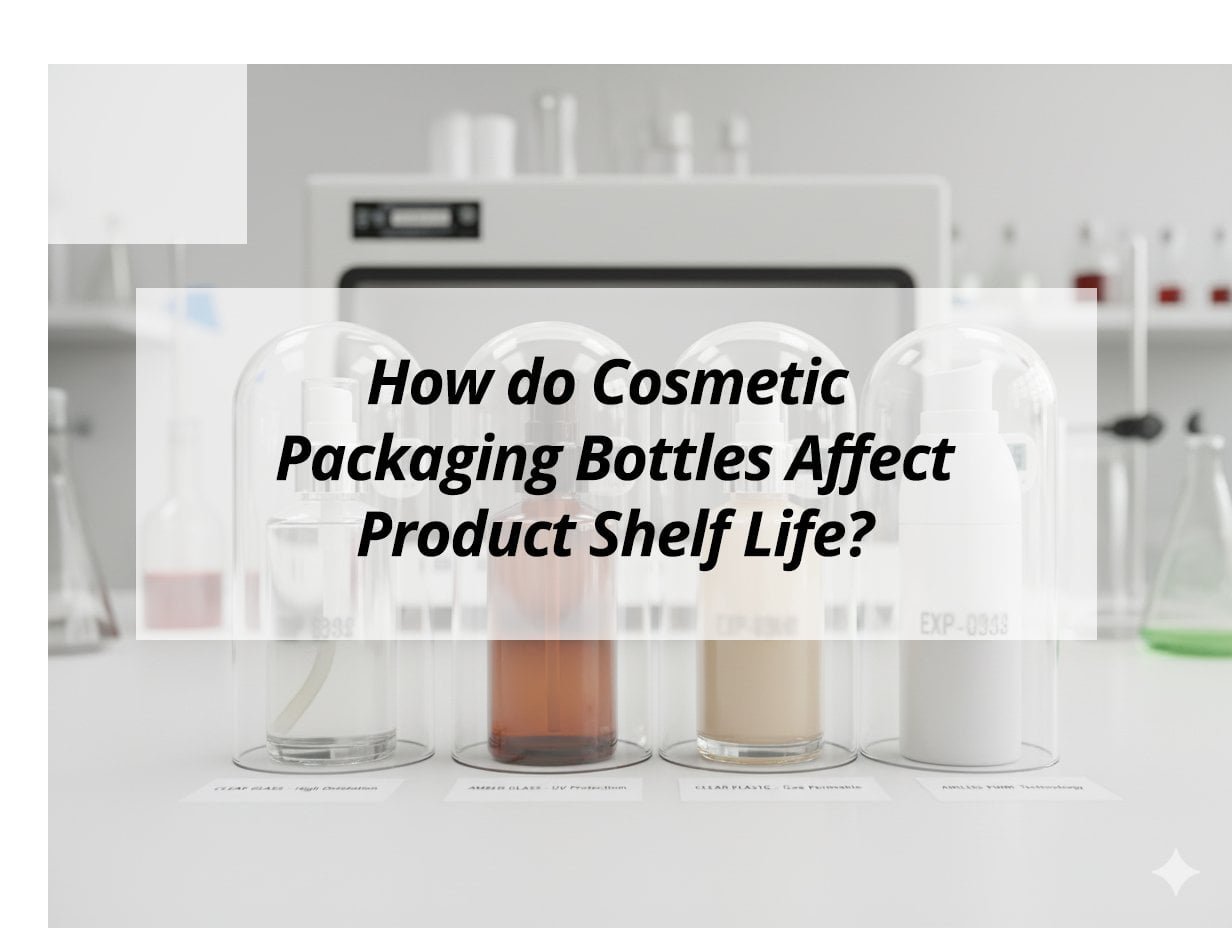
The choice of packaging can make or break cosmetic products, affecting their shelf life and brand reputation. Discover the secrets behind effective packaging strategies.
Cosmetic packaging bottles play a crucial role in determining product shelf life by protecting against environmental factors, contamination, and degradation. Proper packaging ensures freshness and prolongs usability, saving manufacturers and consumers from unnecessary waste.
Curious about how packaging impacts shelf life? Let's dive deeper into the world of cosmetic packaging bottles.
Does packaging affect shelf life?
Choosing the right packaging can significantly extend a product’s shelf life, impacting freshness and consumer satisfaction.
Packaging affects shelf life by safeguarding products from exposure to air, light, and microorganisms. High-quality materials like acrylic and glass offer robust protection, so products remain uncontaminated and effective for longer periods.
The impact of packaging on shelf life is undeniable due to its ability to block environmental threats. Let's break down how different packaging types protect cosmetic products:
Packaging Materials
- Glass Bottles: Offer excellent barrier properties, reducing air exposure.
- Plastic Containers: Lightweight but may be porous, requiring additional layers.
- Aluminum Tubes: Provide UV protection and air-tight seals.
Benefits of Effective Packaging
- Prevents Contamination: Packaging acts as a shield against external pollutants.
- Retains Moisture: Proper seals prevent dehydration and maintain product texture.
- Minimizes Chemical Breakdown: UV-protection packaging reduces chemical degradation risks.
By investing in quality packaging, manufacturers can ensure product integrity and extend shelf life, thus avoiding losses due to spoilage.
How to increase the shelf life of cosmetic products?
Curious how cosmetic brands ensure freshness over time? It's all about intelligent packaging choices.
Enhancing cosmetic products’ shelf life involves sealing them properly, choosing packaging materials1 wisely, and incorporating barriers to environmental elements. Airtight seals and UV-resistant materials significantly contribute to preserving product quality.
To maximize shelf life, brands must consider various factors in packaging choice:
Packing Techniques
- Airtight Seals: Integral to preventing oxygen ingress, critical for preserving active ingredients.
- Oxygen Absorbers: Used inside packaging to reduce oxidation.
Ingredient Compatibility
Some ingredients are more susceptible to degradation; therefore, choosing packaging that matches ingredient needs is critical for extending shelf life.
- Antioxidant-rich Formulas: Require UV-blocking packaging to keep active components effective.
- Moisture-sensitive Ingredients: Need airtight containers to prevent drying out.
Understanding these techniques helps in designing packaging that meets product needs, ultimately extending shelf life.
What factors influence the shelf life of cosmetic ingredients?
Ever wondered why some cosmetics lose their effectiveness quickly? The answer lies in understanding ingredient stability.
Shelf life is influenced by ingredient sensitivity, packaging type, and storage conditions. Without proper consideration, product efficacy deteriorates, leading to customer dissatisfaction.
Different factors impacting ingredient longevity include:
Ingredient Stability
- Reactive Ingredients: Some compounds react easily with others or degrade when exposed to light.
- Preservative Systems: Sound preservation reduces microbial growth, maintaining product stability.
Storage Conditions
- Temperature Control: Avoid excessively hot or cold environments to prevent oxidation.
- Sunlight Protection: Use opaque packaging to shield products from UV rays.
Proper storage and thoughtful packaging selection influence the shelf life and effectiveness of cosmetic ingredients.
How does packaging extend shelf life?
Seeking ways to enhance product longevity? Effective packaging can be your secret weapon.
Packaging extends shelf life by incorporating barriers that protect against air, moisture, and UV rays. This reduces degradation risks and maintains product efficacy.
Methods through which packaging enhances shelf life:
Layered Protection
- Barrier Layers: Additional layers within packaging protect against air and moisture.
- UV Filtering: Special coatings prevent harmful light exposure.
Custom Design
Customized packaging solutions tailored to specific product needs ensure longevity and maintain brand reputation.
- Sleek Designs: Attractive, functional packaging promotes usability and protection.
Understanding these methods allows brands to choose packaging that not only conserves product quality but also reflects their commitment to sustainability and excellence.
My insights: How Do Cosmetic Packaging Bottles Affect Product Shelf Life?
Is your skincare losing potency too quickly? Discover how cosmetic bottle choices can enhance product longevity and effectiveness.
Cosmetic packaging bottles significantly enhance product shelf life by protecting against air, light, and contamination. Airless pumps and UV-protected bottles minimize degradation, maintaining product integrity. Material choice and bottle design play crucial roles in preserving formulations from environmental factors.
Understanding the Impact of Bottle Design on Shelf Life
Protection Mechanisms:
-
Airless Bottles: These seal formulations away from air, reducing oxidation and helping to maintain product efficacy.
-
High-Barrier Materials: These protect contents by minimizing exposure to air and preventing microbial growth.
-
Opaque Bottles: Designed for light-sensitive ingredients, they guard against light exposure, preserving the stability of serums and essential oils.
-
UV-Protected Bottles: Provide an extra layer of defense for products with sensitive ingredients, ensuring durability and effectiveness over time.
Material Considerations:
The choice of materials impacts a bottle's effectiveness in preserving its contents:
| Bottle Type | Strengths | Limitations |
|---|---|---|
| Glass (amber/flint) | Offers UV protection and chemical stability | Heavier and more prone to breakage |
| Plastic (PET, PP) | Lightweight with good moisture barrier | Susceptible to oxygen permeation |
| Airless pumps | Minimize oxidation and ensure hygienic use | Generally more costly |
Best Practices for Packaging Design:
-
Airless Systems: Ideal for oxidation-prone formulations, preventing air exposure and preserving product integrity.
-
Secure Closures: Essential for maintaining freshness and protecting contents from environmental factors.
-
Multi-layer Materials (EVOH): Enhance barrier properties, offering robust protection against contaminants.
-
Innovative Designs with Preservatives: Extend shelf life by integrating preserving agents into packaging design.
-
Material Synergy: Choosing complementary materials not only boosts product longevity but also promotes sustainability and minimizes waste.
Understanding how cosmetic bottles impact shelf life allows consumers and brands to make informed decisions, ensuring product effectiveness and satisfaction throughout its use.
Conclusion
Effective packaging strategies can significantly enhance the shelf life of cosmetics, ensuring product integrity and customer satisfaction.
-
Exploring packaging materials can help manufacturers choose the right options for product longevity. ↩