
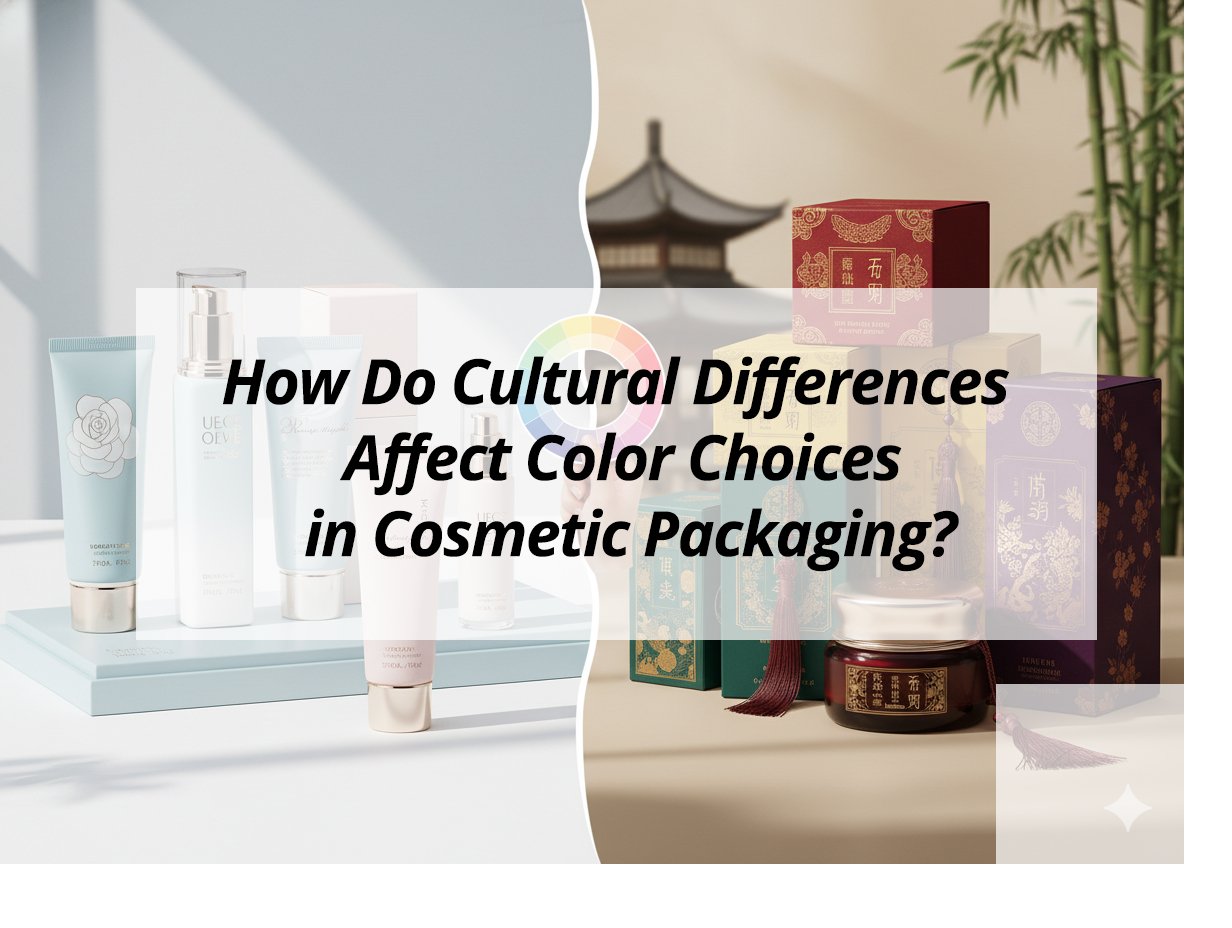
Cosmetic packaging relies heavily on visual appeal. A key part of this is color. Cultural differences greatly shape how colors are seen. This impacts how effective packaging can be.
Different cultures understand colors in diverse ways. What one culture sees as positive, another might see as negative. This directly affects how colors perform in the market. Understanding these variations helps avoid marketing errors and connects products with consumers effectively.
When developing packaging strategies, it is important to recognize this. The wrong color choice can lead to misunderstandings. It can also make a product less appealing. A careful approach ensures that packaging speaks clearly to its intended audience.
How Do Cultural Differences Affect Color Meaning?
People worldwide assign different meanings to colors. These meanings often come from long-standing traditions, beliefs, and history. This deeply influences how colors are perceived and used in design.
Color meanings are not universal. A color like red might symbolize good fortune in one place. In another, it might represent danger or anger. This makes careful color selection critical for cosmetic packaging. Misinterpreting these meanings can lead to packaging that does not resonate or even offends.
Consider the various interpretations of common colors. For example, blue often signifies trust and stability in Western cultures. However, in some Middle Eastern contexts, it can represent protection or heaven. These differences highlight the need for cultural awareness in design. Ignoring these nuances can result in ineffective or inappropriate packaging.
How Different Cultures See Colors
-
Red:
- China: Represents luck, happiness, and celebration. Frequently used for special events and festivals.
- Western Cultures (e.g., USA, Europe): Symbolizes love, passion, urgency, or excitement.
- Some African Cultures: Can denote death or mourning in specific situations.
- India: Associated with purity, fertility, and love. Often present in bridal attire.
-
White:
- Western Cultures: Signifies purity, peace, weddings, and cleanliness.
- China, Japan, India: Linked to mourning and death. A traditional color for funerals.
- Egypt: Can symbolize joy and festivity.
-
Black:
- Western Cultures: Conveys elegance, sophistication, power, and also death or mourning.
- China: Represents mystery, formality, and wealth.
- Egypt: Associated with rebirth and fertility.
-
Blue:
- Western Cultures: Suggests trust, stability, calmness, and sometimes sadness.
- Middle East: Symbolizes protection, heaven, and spirituality.
- India: Linked to the deity Krishna and strength.
-
Green:
- Western Cultures: Represents nature, growth, money, and freshness.
- Middle East: Strongly associated with Islam, paradise, and fertility. It holds significant cultural importance.
- China: Can mean new life, hope, or envy.
Color and Emotional Response
Colors evoke specific feelings. Red can create a sense of urgency or energy. Blue can bring about calm. These emotional responses are often shaped by cultural background. A bright yellow might be cheerful in Europe. However, in certain Latin American regions, yellow can be a color of mourning.
For cosmetic packaging, this emotional connection is vital. Packaging colors should aim to create positive feelings about the product. If the color generates negative associations, consumer interest may decline. Therefore, aligning color with desired emotional impact is crucial for effective product presentation.
| Color | Western Emotional Associations | Eastern Emotional Associations | Cosmetic Packaging Implication |
|---|---|---|---|
| Red | Passion, Energy, Danger | Luck, Happiness, Prosperity | Bold, Glamorous (Western); Festive, Auspicious (Eastern) |
| Blue | Calm, Trust, Sadness | Immortality, Healing | Soothing, Reliable (Western); Spiritual, Protective (Eastern) |
| Green | Nature, Growth, Envy | Harmony, New Beginnings | Natural, Organic (Western); Sacred, Prosperous (Eastern) |
| Gold | Luxury, Wealth, Success | Royalty, Sacredness | Premium, High-End (Universal, but culturally nuanced) |
| White | Purity, Cleanliness, Innocence | Mourning, Death, Purity | Clean, Simple (Western); Caution needed (Eastern) |
| Black | Elegance, Power, Mystery | Formality, Wealth | Sophisticated, Modern (Universal) |
How Might Cultural Differences Impact the Effectiveness of Color in Advertising?
Colors used in advertising capture attention and convey messages. If colors are chosen without cultural awareness, advertisements may fail to connect. This can lead to ineffective campaigns and wasted resources.
The impact of color on advertising effectiveness varies significantly across cultures. An advertisement successful in one country might not perform well in another. This is because colors carry different cultural meanings and evoke diverse responses. For example, a vibrant, playful pink might appeal to younger demographics in Western markets. However, in some more conservative cultures, such a color could be perceived as inappropriate or too provocative. Careful consideration of these cultural nuances is essential. The goal is to ensure advertisements resonate positively with the local audience.
Consider how a brand might adapt. If a campaign uses a strong red to symbolize passion in a Western context, it might need adjustment for markets where red is linked to danger or anger. Such adaptation ensures the message is received as intended. This process involves more than just language translation; it requires a deep understanding of visual communication within specific cultural frameworks.
The Power of Color in Marketing
Colors do more than enhance visual appeal. They establish brand identity and influence consumer purchasing decisions. Consumers often form emotional connections to brands based on their color schemes. If these connections are negative, it can deter purchases.
For example, a brand promoting organic skincare might use green to associate with nature and health. If this brand operates in a region where green has sacred or specific ceremonial meanings, the use of green must be handled with cultural sensitivity. This ensures consumer trust and acceptance.
Cultural Color Taboos
Certain colors can be considered taboo or highly inappropriate in specific cultures. Using these colors can cause offense or alienate consumers from a brand. Thorough research into cultural color implications is crucial before finalizing any design.
- Yellow in France: Historically associated with jealousy or betrayal. While less prominent now, it is still often avoided for luxury items.
- Green in Indonesia: In some regions, it is linked to bad luck or supernatural entities.
- Purple in Brazil: Can signify mourning. Its use for products intended for joyous occasions might be ill-received.
- White in China/Japan: This color symbolizes death and funerals. Using it for products associated with celebration or vitality could be a significant cultural misstep.
- Black in Thailand: While often indicating elegance, it can also represent bad luck or evil. Its application requires careful consideration.
These examples illustrate the wide range of cultural sensitivities. Each market has unique color codes. Adhering to these codes is vital for successful advertising and brand acceptance.
How to Use Color Effectively in Advertising
- Conduct Local Meaning Research: Always investigate the cultural meanings of colors in the target market. Avoid assumptions.
- Test Designs with Local Audiences: Present advertisement designs to local focus groups or individuals to gather feedback.
- Integrate Cultural Symbols: Combine appropriate colors with relevant local symbols to enhance the advertisement's impact and cultural relevance.
- Adapt Visuals, Not Just Language: Go beyond linguistic translation to modify visual elements, including colors, to suit cultural contexts.
| Advertising Goal | Desired Emotion | Universal Color Association (General) | Culturally Specific Example (e.g., Middle East) |
|---|---|---|---|
| Luxury/Premium | Sophistication | Gold, Black, Deep Purple | Gold, Deep Blue, Emerald Green |
| Natural/Organic | Freshness, Health | Green, Earth Tones | Light Green, Brown, Sandy Beige |
| Youthful/Playful | Energy, Fun | Bright Pink, Orange, Yellow | Bright Teal, Coral, Light Blue |
| Trust/Reliability | Security, Calm | Blue, Grey | Dark Blue, Silver, White (for purity) |
| Bold/Passionate | Excitement, Love | Red, Orange | Rich Red, Deep Burgundy, Gold |
What Are the Cultural Differences in Concepts of Beauty and Aesthetics?
Perceptions of beauty vary significantly across the globe. What is considered beautiful in one culture may differ from another. This directly influences the design of cosmetic packaging.
Concepts of beauty are culturally defined. These concepts encompass ideal skin tones, facial features, and body aesthetics. Packaging design must reflect these diverse ideals to be effective. If packaging fails to align with local beauty standards, consumers may not feel a connection to the product. For instance, in some East Asian cultures, fair skin is highly valued. Packaging for skin-brightening products in these regions often features colors like white, silver, and light blues, which suggest purity and luminosity. Conversely, in regions where a sun-kissed look is popular, packaging for bronzing products typically utilizes warm, earthy tones such as gold, brown, and orange.
These variations mean a single design approach is rarely suitable for all markets. Adjustments are often necessary to cater to specific cultural aesthetics. This includes modifying color palettes to ensure they resonate with the target audience's vision of beauty. Such adaptation helps products feel relevant and appealing to local consumers.
Diverse Beauty Standards
- Skin Tone:
- Asia: Often prefers pale, fair skin. Products frequently promote brightening or whitening effects.
- Western Countries: Preferences can vary. Tanned skin is often seen as healthy and attractive in some segments.
- Africa: Rich, dark skin tones are celebrated. Products may emphasize glowing and even skin.
- Facial Features:
- East Asia: Often favors larger eyes and smaller, more delicate noses.
- Middle East: Focuses on expressive eyes and strong, well-defined eyebrows.
- Western Cultures: Preferences can be diverse, often influenced by current trends.
These different standards indicate that a universal packaging design is unlikely to succeed everywhere. Adapting color choices to reflect these diverse beauty ideals is essential for market penetration and consumer acceptance.
How Colors Reflect Beauty Ideals
Colors used on packaging communicate a product's purpose and its target demographic. They visually align with prevailing beauty standards.
- For fair skin products: Colors such as white, silver, and light blue are commonly used. These colors suggest purity, brightness, and a delicate aesthetic.
- For tanned skin products: Gold, bronze, and various earthy tones are often employed. These hues convey warmth, radiance, and a healthy glow.
- For bold makeup products: Deep reds, blacks, and vibrant purples are frequently featured. These colors symbolize power, drama, and confidence.
Matching packaging colors to specific beauty ideals makes the product more attractive. It helps consumers feel that the product is specifically designed for their aesthetic preferences.
Packaging Aesthetics and Cultural Values
- Minimalism: Valued in some Western and East Asian cultures (e.g., Japan, Scandinavia). It communicates cleanliness, modernity, and efficiency.
- Opulence: Preferred in some Middle Eastern, Indian, and South American cultures. This style employs rich colors, intricate designs, and glossy finishes to convey luxury and status.
- Natural/Eco-friendly: Growing in popularity globally, particularly in Europe and North America. It uses earthy tones, sustainable materials, and simple designs to suggest environmental consciousness.
- Playful/Youthful: Common in South Korea and for younger consumer segments. It incorporates bright, pastel colors, whimsical illustrations, and unique shapes.
These aesthetic preferences are deeply tied to cultural values. Understanding these values helps in creating packaging that not only looks appealing but also resonates with the cultural identity of the consumer.
What Are Some Important Considerations for Color in Your Packaging Design?
Designing effective cosmetic packaging requires careful attention. Color is a primary element in this process. Multiple factors must be considered to make appropriate color choices.
Color is often the first attribute a consumer notices on a product. It establishes the initial impression and can significantly impact purchasing decisions. Therefore, designers must evaluate several aspects when selecting colors. These include the brand's core message, the intended market, and relevant cultural meanings. Additionally, how colors interact with each other on the package is crucial. Poor color choices can create confusion or diminish the perceived value of a product.
Thoughtful color selection is essential for successful packaging. For instance, a luxury skincare line targeting a mature, sophisticated audience might opt for muted, elegant colors like rose gold or deep burgundy. In contrast, using very bright, neon colors might clash with the brand's image and alienate its target demographic. The right color choice extends beyond visual appeal; it must align with the brand's identity and effectively connect with the desired consumer base.
Brand Identity and Color Consistency
A brand has a distinct personality. Colors should consistently reflect this.
- Luxury brands: Often utilize black, gold, silver, deep blues, and purples. These colors convey richness and exclusivity.
- Natural brands: Tend to use green, brown, and earthy tones. These colors suggest freshness and health.
- Youthful brands: Frequently employ bright, vibrant colors. These colors evoke fun and energy.
Maintaining color consistency across all brand elements is important. This helps in brand recognition and recall. Discrepancies, such as a blue logo on red packaging, can cause confusion. Consistency builds consumer trust and strengthens brand presence.
Target Market Analysis
Understanding the target consumer is vital for color selection.
- Age: Younger demographics often prefer bright colors. Older consumers might gravitate towards more classic or subdued palettes.
- Gender: While not absolute, certain colors are traditionally associated with masculine or feminine aesthetics.
- Geographic Location: This factor is highly influenced by cultural color interpretations. Identifying colors that elicit positive responses in specific regions is crucial.
This analysis guides the selection of colors that effectively communicate with the intended audience.
Color Psychology and Emotion
Colors inherently evoke emotional responses. This is known as color psychology.
- Blue: Associated with trust, calmness, and stability. Often suitable for skincare products.
- Red: Linked to energy, passion, and excitement. Effective for bold makeup items like lipsticks.
- Green: Represents nature, health, and freshness. Ideal for organic or natural product lines.
- Yellow: Symbolizes happiness and optimism. Can be effective for youthful or uplifting brands.
Employing colors that generate the desired emotional connection is key. Packaging should make consumers feel positive about the product.
Material and Finish
The physical characteristics of the packaging material also influence how colors are perceived.
- Matte finish: Tends to make colors appear softer and more sophisticated.
- Glossy finish: Enhances color brightness and vibrancy.
- Metallic finish: Adds a luxurious and high-end aesthetic.
The application method of color is also significant. A deep red on a glossy lipstick tube will appear different from the same shade on a matte eyeshadow case. The overall presentation of the package must be considered.
Practical Considerations for Color
- Print Quality: Ensure that the final printed colors accurately match the approved digital designs.
- Cost Implications: Be aware that certain colors or specialized finishes can increase production costs.
- Market Trends: While staying current is important, the brand's core color identity should remain consistent rather than solely chasing fleeting trends.
- Accessibility: Consider users with color vision deficiencies. Designs should be clear and understandable for all.
| Consideration | Key Questions to Ask | Impact on Packaging Design |
|---|---|---|
| Brand Identity | What is our brand's personality? What message do we want to send? | Establishes a consistent visual language, reinforces brand values. |
| Target Market | Who are our ideal customers? Where do they live? What are their preferences? | Ensures cultural relevance and emotional resonance with the audience. |
| Cultural Meanings | What do colors symbolize in our target regions? Are there any taboos? | Avoids misinterpretations or offensive designs, builds trust. |
| Color Psychology | What emotions do we want to evoke? | Influences mood, perception, and purchasing decisions. |
| Material/Finish | What kind of texture or sheen do we want? | Enhances perceived quality, affects how colors are seen. |
| Competition | What colors do our competitors use? How can we stand out? | Helps differentiate the product on the shelf. |
| Product Category | Is it skincare, makeup, haircare? What colors are typical? | Aligns with industry norms and consumer expectations. |
My Insights: How Do Cultural Differences Affect Color Choices in Cosmetic Packaging?
Struggling with choosing packaging colors for global markets? Understand how cultural nuances shape perceptions and influence buying decisions.
Cultural differences significantly impact color choices in cosmetic packaging. Bright colors are favored in Asia for vitality, while neutrals convey sophistication in Western markets. Understanding these nuances helps brands create culturally resonant packaging, enhancing global appeal and market acceptance.
The Impact of Cultural Nuances on Packaging Colors
Cultural Symbolism and Color
-
Asia: Bright colors like red and gold are symbols of prosperity and celebration. Red in China signifies luck and joy, ideal for festive products.
-
Western Markets: Neutrals and minimalistic tones, like white and black, are preferred for their association with purity and sophistication. White often represents cleanliness in North America and Europe.
Regional Trends and Preferences
-
Middle East: Gold symbolizes luxury and status, making it popular in high-end product packaging.
-
Latin America and Africa: Vibrant colors align with regional celebrations and fashion trends, enhancing consumer engagement.
Market Adaptation Strategies
Brands must adapt packaging to resonate with local aesthetics. This involves researching cultural taboos and symbolism to avoid missteps, such as using mourning colors for celebratory products.
| Region | Preferred Colors | Associations |
|---|---|---|
| North America / Europe | White, beige, black | Purity, clinical efficacy |
| China / East Asia | Red, gold | Luck, prosperity |
| Middle East | Gold | Luxury, status |
| Latin America | Strong reds, brights | Energy, festivity |
Understanding cultural preferences in color choices enables brands to create packaging that appeals to diverse markets, fostering successful international strategies.
Conclusion
Cultural differences significantly shape color perceptions. This directly impacts cosmetic packaging choices. Brands must understand these varying meanings to effectively connect with consumers globally. Ignoring cultural color nuances can lead to marketing errors.