
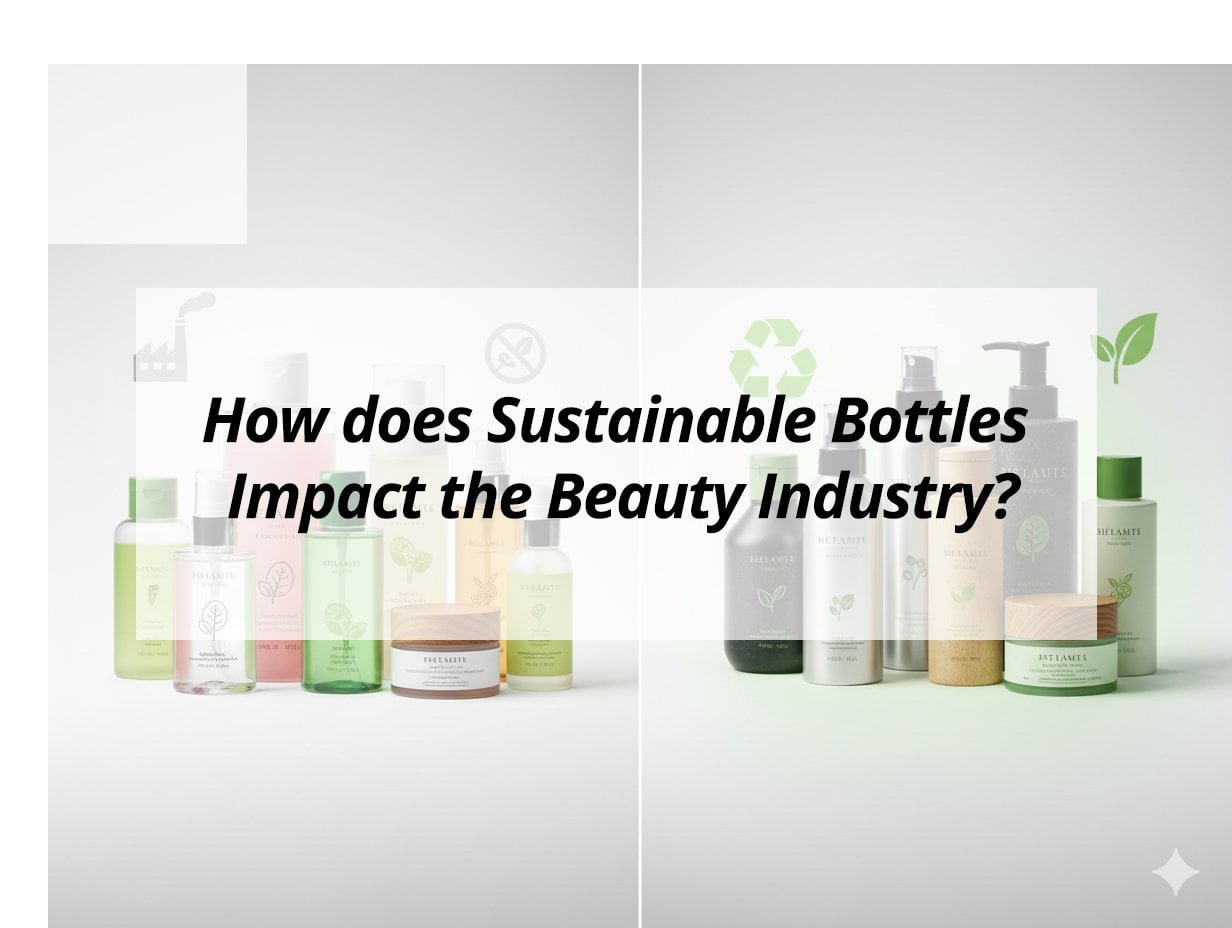
The beauty industry faces increasing pressure to adopt sustainable practices. Packaging, especially bottles, is a major focus. Understanding this impact is key.
Sustainable bottles significantly reshape the beauty industry by reducing environmental harm and boosting brand image. They cut down on waste, lower carbon footprints, and meet growing consumer demand for eco-friendly products. This shift drives innovation in materials and manufacturing. It also creates a more responsible and competitive market.
The move towards sustainable bottles is not just a trend. It is a fundamental change in how beauty products are made and sold. This change affects everything from raw material sourcing to consumer perception. It also influences long-term business strategies.
Why is sustainability important in the cosmetic industry?
The cosmetic industry is a large global market. It uses many resources and generates a lot of waste. Because of this, sustainability has become a critical concern. It affects how companies operate and how consumers choose products.
Sustainability is important in the cosmetic industry for many reasons. It addresses environmental concerns1 like waste and pollution. It also meets consumer demand for ethical products. Adopting sustainable practices can improve brand reputation. It also helps companies comply with regulations. Overall, it ensures the long-term health of both the planet and the industry.
The industry's impact is far-reaching. Therefore, focusing on sustainable practices is not just good for the environment; it is also good for business. This push for sustainability affects every part of the supply chain.
Environmental Responsibility
The cosmetic industry uses many natural ingredients. It also produces a lot of packaging waste2. Sustainability helps reduce this impact. This includes using ingredients sourced responsibly. It also means reducing water and energy use in factories. Furthermore, it involves creating packaging that can be recycled or is biodegradable. These actions help protect ecosystems and natural resources. This is important for the planet's health.
Consumer Demand and Brand Reputation
Consumers are now more aware of environmental issues. They want products that are not harmful to the planet. Many actively seek out brands that show a commitment to sustainability. Companies that adopt sustainable practices can build a stronger reputation. They can attract and retain loyal customers. This also helps differentiate them in a crowded market. Brands seen as unsustainable might lose customers.
Regulatory Compliance and Future-Proofing
Governments worldwide are introducing stricter environmental regulations. These rules often cover waste management, carbon emissions, and material sourcing. Adopting sustainable practices helps companies comply with current laws. It also prepares them for future regulations. This avoids potential fines and legal issues. It also ensures long-term business viability. Ignoring these trends can put a company at a disadvantage.
Resource Efficiency and Cost Savings
Sustainable practices often lead to greater efficiency. For example, reducing waste can lower material costs. Using less energy can decrease utility bills. Optimizing logistics can reduce transportation expenses. These efficiencies can improve a company's financial performance. Investing in sustainable processes can yield long-term savings.
Social Impact and Ethical Sourcing
Sustainability also includes social aspects. This means ensuring fair labor practices in the supply chain. It involves supporting local communities where ingredients are sourced. Ethical sourcing practices prevent exploitation. They also promote positive social impacts. This holistic approach to sustainability benefits both people and the planet.
Key Pillars of Sustainability in Cosmetics
| Pillar | Description | Industry Example |
|---|---|---|
| Eco-Friendly Packaging | Using recycled, recyclable, or refillable materials | Sustainable bottles made from PCR plastic |
| Responsible Sourcing | Ethically obtaining natural ingredients | Fair-trade shea butter from community co-ops |
| Reduced Waste | Minimizing waste throughout production and supply chain | Waterless formulations, compact product designs |
| Energy Efficiency | Lowering energy consumption in manufacturing | Solar-powered factories, energy-efficient machinery |
| Water Conservation | Reducing water usage in product creation | Dry shampoos, concentrated formulas |
These pillars guide the cosmetic industry toward a more responsible and future-focused approach.
What are the positive impacts to society of making and using plastic bottles?
Plastic bottles, despite their environmental challenges, have brought many positive impacts to society. Their widespread use in various industries, including beauty, highlights their functional benefits. Understanding these benefits provides a balanced perspective.
The making and use of plastic bottles offer significant positive impacts to society. They provide lightweight, durable, and cost-effective packaging solutions. This improves product accessibility and affordability for consumers globally. Plastic bottles also reduce transportation costs and energy. They ensure product safety and extend shelf life. This minimizes waste from spoilage.
These advantages have shaped modern consumer convenience and global commerce. The utility of plastic bottles is undeniable in many applications.
Accessibility and Affordability
Plastic is generally less expensive to produce than glass or metal. This makes products packaged in plastic bottles more affordable for consumers. Its lightweight nature also reduces transportation costs. This contributes to lower retail prices. As a result, essential goods, including some cosmetic products, become accessible to a wider population. This accessibility plays a role in public health and general convenience.
Product Safety and Durability
Plastic bottles are shatterproof. This makes them safer to handle and transport compared to glass. They reduce the risk of breakage and injury. This is important for both manufacturers and consumers. Their durability also protects products from damage during shipping and daily use. This ensures the product reaches the consumer intact.
Hygiene and Preservation
Plastic bottles provide a good barrier against external contaminants. This helps maintain product hygiene and extends shelf life. They prevent oxidation and microbial growth. This is crucial for perishable goods and sensitive cosmetic formulations. Extended shelf life reduces product spoilage. This in turn lessens waste.
Lightweight and Transport Efficiency
The light weight of plastic bottles is a major advantage for logistics. Lighter shipments require less fuel. This reduces transportation costs and carbon emissions. This efficiency allows products to be distributed more widely and affordably. It also lessens the environmental impact related to logistics. This makes the supply chain more efficient.
Versatility in Design
Plastic can be molded into a vast array of shapes, sizes, and colors. This offers immense design flexibility for brands. It allows for innovative and appealing packaging designs. These designs can enhance brand identity and consumer appeal. This versatility also allows for ergonomic designs that are easier for consumers to use.
Economic Benefits
The plastic manufacturing industry creates many jobs. This includes jobs in production, engineering, and logistics. The affordability of plastic packaging also supports businesses by reducing overheads. This contributes to economic growth and stability. Innovations in plastic, like PCR, further drive new economic opportunities.
Positive Societal Contributions of Plastic Bottles
| Benefit | Description | Impact on Society |
|---|---|---|
| Cost-Effectiveness | Lower production and transport costs | Increased affordability and accessibility of products |
| Durability | Resistant to breakage and impact | Enhanced product safety, reduced waste from damage |
| Lightweight | Reduces fuel consumption in transport | Lower carbon emissions, more efficient logistics |
| Hygiene | Protects product from contamination and spoilage | Improved public health, less product waste |
| Design Flexibility | Allows for diverse and functional packaging shapes | Enhanced brand appeal, improved user experience |
These contributions highlight the foundational role plastic bottles play in modern society.
What are the environmental impacts of the beauty industry?
The beauty industry, while offering products that enhance personal care and aesthetics, has a significant environmental footprint. From ingredient sourcing to packaging disposal, its operations touch many aspects of the natural world. Understanding these impacts is crucial for driving change.
The beauty industry's environmental impacts are extensive. They include significant waste generation, particularly from packaging. They also involve water pollution from manufacturing processes and microplastic contamination from ingredients. Furthermore, the industry contributes to deforestation through ingredient sourcing. It also has a carbon footprint from production and distribution. These impacts collectively put pressure on ecosystems and natural resources.
Addressing these challenges requires a holistic approach to sustainability across the entire value chain. The scale of the industry means its environmental impact is substantial.
Packaging Waste
Packaging is arguably the biggest environmental issue for the beauty industry. Many products come in multiple layers of packaging. This often includes non-recyclable plastics. This leads to millions of tons of waste ending up in landfills or oceans each year. Single-use plastics, especially sachets and small samples, contribute heavily to this problem. Developing sustainable bottles is a direct response to this issue.
Ingredient Sourcing and Biodiversity Loss
Many cosmetic ingredients come from natural resources. This includes plant extracts, oils, and minerals. Unsustainable sourcing practices can lead to deforestation, soil degradation, and loss of biodiversity. For example, palm oil, a common ingredient, is often linked to habitat destruction. Over-harvesting certain plants can endanger species. Ethical and sustainable sourcing is therefore a key focus for responsible brands.
Water Usage and Pollution
The manufacturing of cosmetic products requires significant amounts of water. This contributes to water scarcity in some regions. Furthermore, wastewater from factories can contain harmful chemicals. These chemicals can pollute rivers and oceans if not properly treated. Ingredients like microbeads, once common in exfoliants, also contributed to microplastic pollution in waterways. Although microbeads are mostly banned, other ingredients can still contribute to water pollution.
Carbon Footprint
The entire lifecycle of a beauty product generates greenhouse gas emissions. This includes the energy used in manufacturing, packaging production, and global transportation. Raw material extraction and waste disposal also contribute to the carbon footprint. These emissions contribute to climate change. Reducing energy consumption and optimizing logistics are important steps to mitigate this impact.
Microplastic Contamination
Beyond microbeads, many cosmetic products contain other forms of microplastics. These tiny plastic particles are found in glitter, certain emollients, and film formers. When washed down drains, they enter aquatic ecosystems. They are ingested by marine life. This can enter the human food chain. This issue highlights the need for careful ingredient selection.
Key Environmental Impacts of the Beauty Industry
| Impact | Description | Example |
|---|---|---|
| Excessive Packaging Waste | Over-packaging, non-recyclable materials | Plastic bottles, jars, and secondary packaging |
| Biodiversity Loss | Unsustainable harvesting of natural ingredients | Deforestation for palm oil, over-harvesting plants |
| Water Scarcity & Pollution | High water consumption, untreated wastewater runoff | Manufacturing processes, chemical discharge |
| Greenhouse Gas Emissions | Energy use in production, transport, disposal | Factory operations, global shipping |
| Microplastic Pollution | Tiny plastic particles in formulations | Glitter, exfoliating beads (historically) |
These impacts demand urgent attention and innovative solutions from the industry.
What is the biggest problem in the beauty industry?
Identifying a single "biggest problem" in the beauty industry is complex. The industry faces multiple intertwined challenges. However, one issue consistently emerges as a dominant concern due to its scale and widespread impact.
The biggest problem in the beauty industry is its excessive packaging waste. This issue stems from the industry's reliance on single-use plastics and multi-layered containers. This results in millions of tons of non-recyclable material entering landfills and oceans annually. This widespread waste problem dwarfs other concerns in terms of visible environmental damage and contribution to global pollution.
This problem is deeply ingrained in industry practices and consumer habits. Addressing it requires systemic change across the entire supply chain.
Scale of Packaging Waste
The sheer volume of packaging waste generated by the beauty industry is enormous. Every year, billions of units of beauty products are sold. Each product typically comes with primary packaging (the bottle or jar), secondary packaging (the box), and often tertiary packaging for shipping. A large portion of this packaging is plastic. Much of it is not easily recyclable through standard municipal systems. This creates a massive waste problem that overwhelms recycling facilities and pollutes ecosystems.
Reliance on Virgin Plastics
Many beauty brands still heavily rely on virgin plastics for their packaging. Virgin plastic is made from fossil fuels. Its production is resource-intensive and contributes significantly to greenhouse gas emissions. This reliance means that even with growing recycling efforts, the demand for new plastic continues to harm the environment. The transition to recycled materials like PCR plastic is slow in many parts of the industry.
Complex and Multi-Material Packaging
Beauty packaging often uses complex designs. These designs frequently combine different materials, such as various types of plastic, glass, metal, and pumps with mixed components. This multi-material construction makes recycling extremely difficult, if not impossible. Consumers often cannot separate these components. This means the entire unit ends up in the trash, even if some parts are theoretically recyclable.
Consumer Behavior and Lack of Awareness
While brands bear much responsibility, consumer behavior also plays a role. Many consumers do not fully understand recycling guidelines. They might not be aware of which packaging components are recyclable. This leads to incorrect disposal. This further exacerbates the waste problem. There is a need for clearer labeling and consumer education.
Economic Factors
The economics of packaging often favor cheaper, less sustainable options. Designing and manufacturing truly sustainable packaging can be more expensive upfront. This deters some brands, especially smaller ones, from making the switch. The convenience and low cost of traditional plastic packaging make it a difficult habit to break for the industry.
The Pervasive Nature of Packaging Waste
| Aspect | Challenge in Beauty Industry Packaging | Consequence |
|---|---|---|
| Material Choice | Over-reliance on virgin, non-recyclable plastics | Increased fossil fuel consumption, landfill burden |
| Design Complexity | Multi-material components (pumps, caps, jars) | Difficult or impossible for consumers to recycle |
| Volume | Billions of units sold annually, each with packaging | Massive contribution to global plastic waste crisis |
| Consumer Habits | Confusion over recycling, lack of proper disposal | Contamination of recycling streams, increased landfill |
| Economic Barriers | Higher cost of sustainable alternatives, lower profit margins | Slow adoption of eco-friendly packaging solutions |
Addressing this pervasive packaging waste problem requires a concerted effort. This includes innovative design, material science advancements, and consumer engagement.
My Insights: How Sustainable Bottles Impact the Beauty Industry
Worried about the environmental impact of beauty packaging? Discover how sustainable bottles3 are transforming the industry and enhancing brand loyalty.
Sustainable bottles reduce carbon footprint, enhance brand image, and foster customer loyalty in the beauty industry. By utilizing eco-friendly materials4 like glass and aluminum, brands meet regulatory demands and support a circular economy.
The Shift Towards Sustainability in Beauty Packaging
Environmental Benefits:
Sustainable bottles like glass and aluminum dramatically cut plastic waste, reducing ocean and landfill pollution. They drive the adoption of refillable systems, potentially eliminating thousands of tons of waste.
Economic Advantages:
Using sustainable materials reduces costs associated with virgin plastic and enhances market appeal. Brands see increased loyalty, especially among eco-conscious Gen Z consumers, and benefit from the growing refillable market.
Consumer and Brand Shifts:
Consumer demand for transparency and reduction in plastic pushes brands to innovate. Companies like Oway and Amika lead with recycled materials, while luxury brands embrace refillable options, merging prestige with sustainability.
Brands Leading in Sustainable Cosmetic Packaging Design:
| Brand | Initiative | Impact |
|---|---|---|
| Oway | 100% glass/aluminum packaging | Reduces plastic usage significantly |
| Amika | 90% post-consumer recycled plastic | Enhances brand image, lowers plastic footprint |
| Dior | Refillable glass for luxury lines | Cuts plastic usage by up to 60% |
Sustainable bottles are a vital shift in the beauty industry, fostering innovation and aligning with consumer expectations for a greener future. Brands focusing on sustainability not only help the planet but also gain competitive advantage.
Conclusion
Sustainable bottles are profoundly impacting the beauty industry. They drive environmental responsibility, meet consumer demand, and foster innovation. This shift reduces waste, lowers carbon footprints, and builds a more responsible and future-ready industry.
-
Learn about the pressing environmental issues the cosmetic industry faces and how they can be addressed. ↩
-
Discover the challenges posed by packaging waste and potential solutions for the beauty industry. ↩
-
Discover how sustainable bottles can reduce environmental impact and enhance brand loyalty among consumers. ↩
-
Explore the innovative eco-friendly materials that are transforming beauty packaging for a sustainable future. ↩