
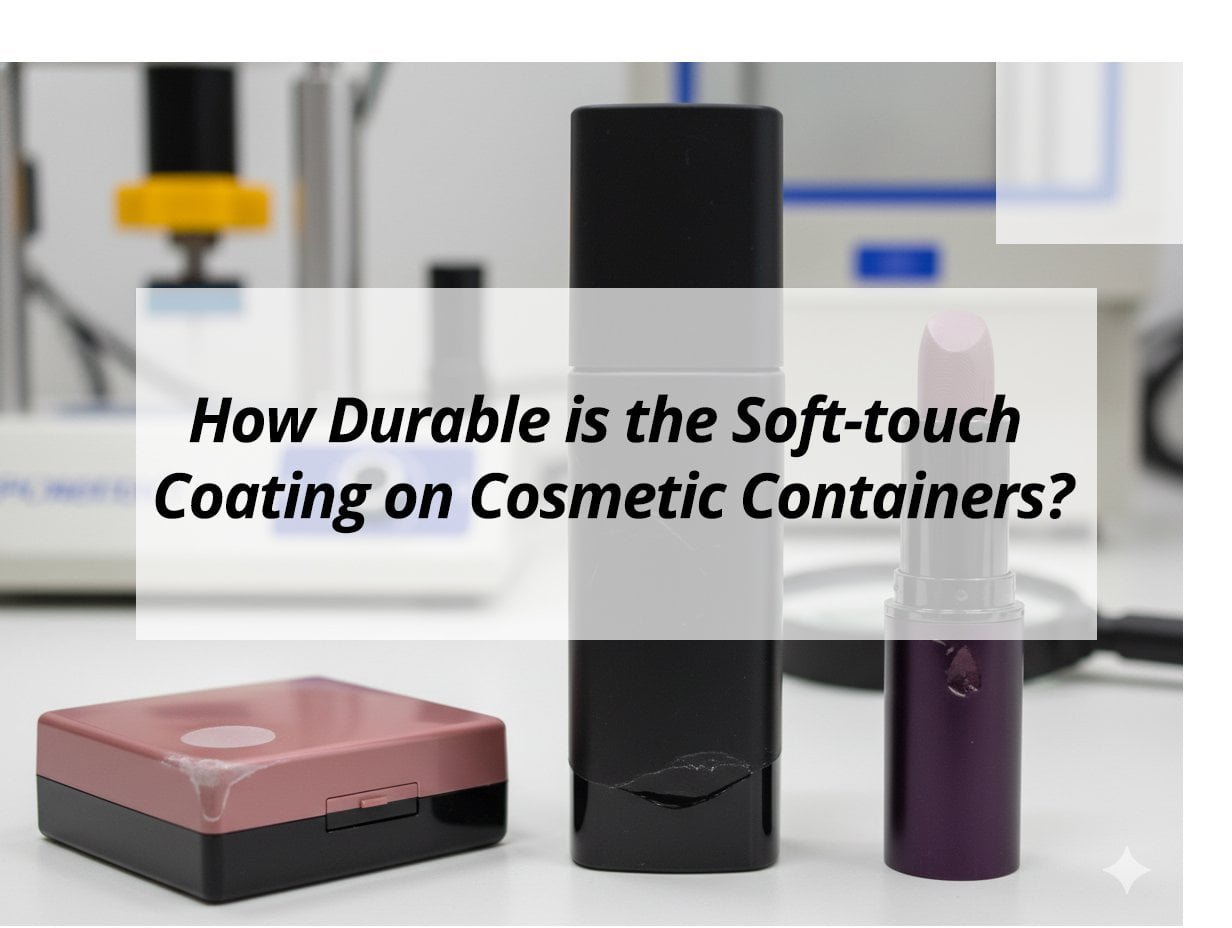
Soft-touch coatings on cosmetic containers offer a luxurious feel. But how durable are they against daily wear?
Soft-touch coatings show good durability for typical cosmetic container use. They resist minor abrasions and fingerprints effectively. The specialized material composition of these coatings helps maintain their aesthetic and tactile qualities over time. This ensures that containers keep their premium look and feel through regular interaction.
Soft-touch coatings on cosmetic containers offer a luxurious feel. But how durable are they against daily wear?
What is soft touch coating made of?
The distinctive smooth feel of some cosmetic containers comes from a soft-touch coating1. This finish enhances the product's perceived value. What are the core components that create this unique tactile experience? Understanding its makeup explains its properties.
Soft-touch coatings are primarily composed of specialized polymers2. These polymers are often polyurethane or acrylic resins. These materials provide the coating with its characteristic flexibility and texture. Formulations also include various additives. These additives improve durability, adhesion to the substrate, and the desired matte or satin appearance. The specific blend of these components varies by formulation.
The Mechanism Behind the Texture
The unique tactile quality results from the coating's microstructure. This structure creates a surface with low friction. This translates into a soft and smooth sensation upon touch. The flexible film formed by the polymers also offers some impact absorption. It provides better resistance to minor surface damage compared to uncoated plastic.
Essential Ingredients
Here are the primary components found in these coatings.
| Component | Primary Function |
|---|---|
| Polymers | Main structural element, provides flexibility |
| Solvents | Dissolves polymers, aids in smooth application |
| Additives | Enhances durability, adhesion, and surface feel |
| Pigments | Provides color and opacity when necessary |
These coatings provide more than just a pleasant feel. They add a protective layer. This is beneficial for cosmetic containers that see frequent handling. The choice of materials directly impacts the coating's performance.
What is soft touch finish?
A velvety or slightly rubbery surface on a product indicates a soft-touch finish. This finish enhances the user's interaction by providing a pleasant tactile sensation. What exactly defines a soft-touch finish? How does it differ from other common surface treatments?
A soft-touch finish is a surface treatment. It creates a tactile experience that is smooth, matte, and slightly resilient. This finish is achieved by applying a specialized coating to a substrate. The coating modifies the surface texture. It delivers a premium and comfortable grip. This finish is widely used in high-end product packaging. It improves the overall user experience.
Aesthetic and Functional Attributes
The soft-touch finish offers both visual appeal and practical benefits.
- Improved Grip: The slightly tactile texture helps prevent slippage. This makes containers easier and more secure to handle.
- Reduced Visible Fingerprints: The matte quality of the finish often conceals fingerprints more effectively than glossy surfaces. This keeps products looking cleaner.
- Enhanced Surface Durability: It can provide a protective layer. This layer helps resist minor scratches and scuffs from everyday use.
- Premium Presentation: It gives products a high-quality, sophisticated appearance. This can elevate the perceived value.
Methods of Application
Several methods exist for applying this finish during manufacturing.
- Spray Coating: This is a common method. The coating is sprayed onto the container. It then undergoes a curing process. This can be air drying, heat, or UV light.
- Dip Coating: Smaller items can be submerged into the coating solution. This ensures an even and complete layer.
- In-mold Labeling (IML): In some cases, the soft-touch effect is integrated into an IML film. This film is applied during the plastic molding process itself.
Achieving a consistent soft-touch finish requires precise application. The chosen method impacts both the finish quality and manufacturing efficiency.
What is the best coating method for manufacturing food storage containers?
When considering food storage containers, safety and longevity are crucial. Coatings must protect the contents and withstand use over time. With various options available, identifying the optimal coating method for these containers is important. This choice depends on several factors.
For food storage containers, the best coating method balances safety, durability, and cost. Common methods include powder coating, various liquid coatings (such as epoxy or ceramic), and specialized food-grade liners. The selection depends on the container material, the food type, and regulatory compliance. Food-grade certification is a critical requirement for any coating applied in this context.
Essential Considerations for Food-Grade Coatings
Food safety demands strict attention when selecting coatings. Here are vital points.
- Food Contact Safety: The coating must not transfer harmful substances to the food. It must meet stringent regulatory standards.
- Chemical Resistance: It must withstand exposure to acids, oils, and other food components. This prevents degradation and contamination.
- Temperature Tolerance: The coating needs to endure a range of temperatures. This includes freezing, refrigeration, and sometimes heating.
- Physical Durability: It must resist scratches and impacts from routine use. This helps maintain container integrity and hygiene.
Common Coating Approaches and Their Applications
Here is a look at frequently used coating methods.
| Coating Method | Key Advantages | Typical Applications |
|---|---|---|
| Powder Coating | Highly durable, environmentally friendly, no VOCs | Exterior of metal containers |
| Epoxy Coatings | Excellent chemical resistance, strong adhesion | Interior linings for metal cans and drums |
| Ceramic Coatings | High heat resistance, non-stick properties | Bakeware, specialized cooking containers |
| Polymer Liners | Flexible, effective barrier properties, food-safe | Interior of plastic containers, pouches, cartons |
The principles of durable and safe coatings are widely applicable across industries. Understanding these methods helps in selecting the most suitable solutions for specific product needs.
How to make soft touch plastic?
The appealing feel of soft-touch plastic on items like cosmetic containers is often desired. This finish suggests quality and comfort. How do manufacturers achieve this particular texture? It involves more than just the plastic material itself.
Making soft-touch plastic involves applying a specific coating to a plastic substrate. The base plastic is typically a rigid material. Examples include ABS, PP, or SAN. A soft-touch coating, usually a polyurethane-based or acrylic-based material, is then applied to the plastic surface. This application can be by spraying, dipping, or molding. The coating then cures to form the characteristic velvety or rubbery texture. This process imparts a luxurious feel while retaining the plastic's structural integrity.
The Steps of the Process
Here are the general steps involved in creating soft-touch plastic.
- Plastic Substrate Preparation: First, the plastic part is molded. It must be clean and free from contaminants like oils or dust. A primer may be used to enhance coating adhesion.
- Coating Application: The soft-touch coating is then applied. Spraying is a common technique, providing an even layer on complex shapes. Other methods include dipping or specialized printing.
- Coating Curing: After application, the coating must cure. This process involves drying and hardening. Curing can occur through air drying, thermal baking, or exposure to UV light. Curing solidifies the soft-touch properties.
Factors Influencing Quality
Several factors contribute to the final quality of the soft-touch finish.
- Coating Thickness: Proper thickness is essential for the desired tactile effect. Incorrect thickness can lead to performance issues.
- Curing Parameters: Accurate temperature and time during curing are vital for a strong, lasting finish.
- Substrate Compatibility: The coating must adhere effectively to the specific type of plastic used.
- Controlled Environment: A dust-free environment during application helps prevent surface imperfections.
These processes are key to producing packaging with a premium tactile finish. The careful execution of these steps ensures the desired aesthetic and functional qualities.
My Insights: Assessing the Durability of Soft-touch Coatings on Cosmetic Containers
Frustrated with cosmetics packaging that looks worn too quickly? Learn about the durability of soft-touch coatings and how to maintain a premium look.
Soft-touch coatings on cosmetic containers offer a premium feel but are prone to wear with frequent handling. They resist fingerprints and scratches but can fade with UV exposure and deteriorate with oils and solvents over time.
Understanding Soft-touch Coating Durability
Everyday Use vs. High-stress Conditions:
- Durability: Soft-touch coatings resist light scratches and smudges under normal conditions. However, they can wear faster in high-touch or abrasive environments.
- Material Interaction: Regular exposure to oils, alcohol, and cleaners can degrade the coating over time.
Environmental Factors:
- UV and Temperature: High UV exposure and temperatures can cause fading and softening of the coating.
- Humidity: High humidity can accelerate the wearing process of the coating.
Coating vs. Lamination:
| Aspect | Soft-touch Coating | Soft-touch Lamination |
|---|---|---|
| Application | Liquid coating on the surface | Film layer bonded with heat/pressure |
| Durability | Moderate; may scuff over time | High; better resistance to external factors |
| Use | Ideal for in-home products | Better for high-handling environments |
For brands seeking longevity and resilience in their packaging, considering soft-touch lamination over simple coatings or adding protective layers can enhance durability and maintain appearance.
Conclusion
Soft-touch coatings on cosmetic containers provide a desirable tactile experience and good durability. They are made from specialized polymers. These give a smooth, resilient finish. This finish improves both the product's look and how users interact with it.