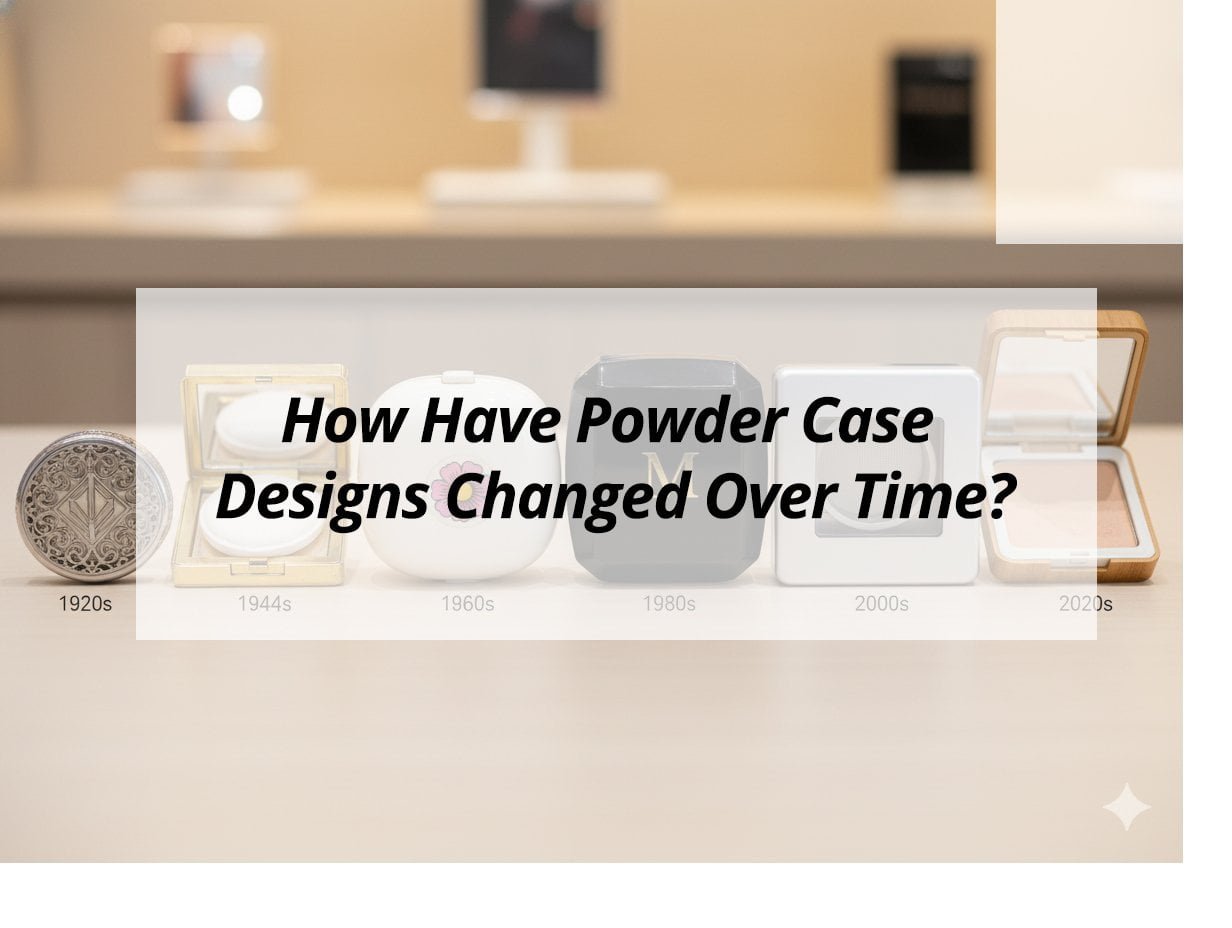
Observing powder cases across different eras reveals significant transformations. Designs have undergone extensive evolution. What primary factors have influenced these changes in the form and function of powder cases?
Powder case designs have evolved considerably due to shifts in beauty trends, advancements in materials, and changing consumer lifestyles. Historically, designs emphasized elaborate, luxurious aesthetics, reflecting a more ceremonial aspect of makeup application. Contemporary cases prioritize portability, practical functionality, and sleek, minimalist styles, accommodating on-the-go use and diverse consumer preferences.
Cosmetic packaging evolves with culture and tech. Powder cases transformed from ornate luxury to daily essentials over centuries.
What is the history of face powder?
Face powder is a common cosmetic today. Its origins, however, stretch back millennia. The history of face powder is extensive. It reflects changing beauty standards and material availability throughout human civilization.
The history of face powder begins with ancient civilizations. Egyptians used minerals like chalk and lead for skin lightening. Greeks and Romans also applied white lead and other substances. Later, rice powder gained popularity in Asian cultures. European aristocrats used powder to achieve a pale complexion. This signified wealth and social standing. Ingredients evolved over time, moving towards safer alternatives.
Ancient Origins of Face Powder
The pursuit of a lighter complexion has roots in ancient Egypt. Early powders were applied to create a smooth skin appearance.
- Egypt: Utilized substances such as cerussite (white lead) and chalk for skin lightening purposes.
- Greece & Rome: Employed white lead, flour, and bean meal to achieve a light skin tone. This look was associated with leisure and status.
In these early periods, powders were often simple. They were contained in basic vessels or fabric bags. The focus was on the powder itself, rather than elaborate packaging.
Evolution Through Historical Periods
Over time, face powder remained a fundamental beauty product. Its purpose and composition continued to transform.
| Era | Key Ingredients | Primary Purpose | Typical Packaging |
|---|---|---|---|
| 16th-18th Century | White lead, rice powder, starch | Achieving a pale complexion, status indicator | Simple boxes, sometimes decorative pots |
| Victorian Era | Zinc oxide, bismuth subnitrate, rice powder | Natural appearance (discreet use), oil control | Unmarked containers, used privately |
| Early 20th Century | Talc, cornstarch, pigments, fragrances | Color matching, makeup setting, portability | Compacts became common, more decorative |
By the early 20th century, face powder became more accessible. Its use broadened beyond the elite. This shift also influenced its packaging. The demand for portable solutions increased.
What is the history of makeup compacts?
Before the advent of compacts, carrying face powder was challenging due to its loose form. Loose powder was typically kept in simple containers. This was impractical for touch-ups away from home. How did the sophisticated makeup compact develop to address this need?
The history of makeup compacts1 dates to the early 20th century. Increased female participation in public life created a demand for portable makeup solutions. Loose powder was inconvenient for carrying. Manufacturers responded by creating solid, pressed powders housed in portable cases. These early compacts often featured metal construction and elaborate ornamentation. They typically included a mirror and a puff, enabling discreet and easy touch-ups.
The Emergence of the Compact
The early 20th century marked a significant societal change. Women's roles evolved, leading to greater personal mobility. This necessitated portable beauty products.
- Early 1900s: The introduction of pressed powder by cosmetic companies was a crucial innovation.
- Need for Portability: Women required a way to refresh their makeup discreetly. A small, self-contained case provided an ideal solution.
Design and Material Progress
Initial compacts were often luxurious items. They served as status symbols as much as cosmetic tools.
| Era | Materials and Design Characteristics | Key Features | Cultural Significance |
|---|---|---|---|
| 1920s-1930s | Art Deco styles, brass, enamel, intricate patterns | Integrated mirror, small powder puff | Fashion accessory, symbol of modernity |
| 1940s-1950s | More utilitarian designs, increased use of plastics | Streamlined forms, often designed for refills | Everyday essential, enabled mass production |
| 1960s-1970s | Brighter colors, simpler shapes, focus on utility | Larger mirrors, integrated applicators | Influenced by youth culture, diverse styles |
| Modern Era | Varied materials (metals, plastics), minimalist, sustainable | Magnetic closures, ergonomic shapes, often refillable | Personal expression, brand identity |
Compacts transitioned from exclusive luxury items to personal style and convenience products. This evolution reflects the broader changes within the beauty industry.
Do people still use compact powder?
Given the array of modern makeup products, is compact powder still relevant? With the popularity of liquid foundations and setting sprays, some question its continued use. Is it an outdated product, or does it remain a fundamental item in contemporary beauty routines?
Yes, compact powder remains widely used. It is a popular choice for its convenience and specific functional benefits. Many consumers depend on it for quick touch-ups, oil absorption, and setting liquid makeup. Its portable design, typically including a mirror and applicator, makes it highly suitable for on-the-go application. Despite the introduction of new products, compact powder continues as a staple for many consumers globally.
Enduring Popularity of Compact Powder
Compact powder offers distinct advantages. These benefits ensure its continued relevance amid new cosmetic innovations.
- Portability: Its solid form is convenient for carrying. This allows for easy makeup touch-ups.
- Oil Absorption: It helps to control excess oil. This reduces shine throughout the day.
- Makeup Setting: It sets liquid or cream foundations. This extends makeup wear and prevents smudging.
- Rapid Application: It provides fast, even coverage. This is beneficial for quick beauty routines.
Varieties of Compact Powders
Compact powders are available in different formulations. Each type serves a distinct purpose.
| Type of Compact Powder | Primary Benefit | Best Suited For |
|---|---|---|
| Pressed Powder | Moderate coverage, oil control, makeup setting | Daily use, touch-ups, normal to oily skin |
| Mineral Powder | Natural finish, gentle on skin | Sensitive skin, light coverage |
| Foundation Powder | Provides full coverage, can replace liquid | Individuals preferring powder foundations |
| Finishing Powder | Blurring imperfections, smoothing, light set | Final step for refining makeup application |
The consistent demand for compact powder cases highlights its lasting value. It remains a reliable product within the diverse beauty market.
What is a powder case?
The historical evolution of powder cases and powders has been discussed. What precisely defines a powder case in contemporary terms? What specific features differentiate a powder case from other types of cosmetic packaging?
A powder case is a compact container designed to hold and dispense pressed or loose facial powder. Its typical features include a durable outer shell, an integrated mirror, and an applicator such as a puff or brush. Powder cases are engineered for portability and convenient application. They protect the powder from damage and external contamination. This design facilitates easy makeup touch-ups throughout the day.
Essential Components of a Modern Powder Case
A powder case is a functional unit composed of specific parts.
- Outer Shell: This is the primary structure. It protects the powder content. Materials commonly include plastic, metal, or combinations thereof.
- Hinge and Closure: A robust hinge enables smooth opening and closing. The closure ensures the case remains securely shut, preventing product spills.
- Mirror: Nearly all powder cases feature a mirror integrated into the lid. This is crucial for on-the-go makeup application.
- Powder Pan/Compartment: This holds the pressed powder. For loose powder, a sifter and a dedicated compartment are usually present.
- Applicator: Most cases come equipped with a small sponge puff or a miniature brush for convenient application.
Design Features and Functional Aspects
Contemporary powder cases integrate aesthetic appeal with practical functionality.
| Feature Type | Description | User Benefit |
|---|---|---|
| Materials | ABS, SAN, PP plastics; aluminum; zinc alloy | Enhanced durability, controlled weight, aesthetic options |
| Refillability | Designed for easy replacement of powder inserts | Environmental sustainability, cost savings |
| Ergonomics | Shaped for comfortable handling and opening | Improved ease of use, enhanced user experience |
| Customization | Available with diverse finishes, colors, branding | Distinct brand identity, product differentiation |
These design and material considerations are fundamental in powder case manufacturing. The aim is to produce packaging that is both visually appealing and highly functional.
My Insights: The Evolution of Powder Case Designs
Curious about how powder case designs have evolved over the decades? Discover the fascinating transitions from vintage elegance to modern innovation.
Powder case designs have evolved from discreet metal containers to multifunctional plastic and recyclable materials. Modern cases feature sleek shapes, mirrors, applicator compartments, and customizable refills, emphasizing minimalistic elegance and environmental sustainability.
The Journey of Powder Case Designs Over Time
Historical Milestones:
-
Early 1900s: Initially, powder was hidden within accessories like hatpins. By 1908, portable cases with mirrors emerged, making cosmetics more accessible.
-
1920s-1930s: Designs became elaborate with guilloche patterns and multifunctional features. Compacts incorporated fashion elements, balancing aesthetics and utility.
-
Post-1940s: Compacts evolved with self-opening lids and novelty shapes reflecting cultural trends, while maintaining functionality for both loose and pressed powders.
Modern Innovations:
-
Material Shift: Transition from metals to lightweight plastics and recyclable options, improving portability and sustainability.
-
Design Features: Sleeker, ergonomic shapes with magnetic closures, vibrant colors, and compartments for accessories.
Comparative Overview:
| Era | Key Features |
|---|---|
| Early 1900s | Discreet designs, portable with mirrors |
| 1920s-1930s | Ornate metal cases, multifunctional designs |
| Post-1940s | Novelty shapes, durable plastics, innovation |
Today's powder cases prioritize minimalism, sustainability, and user convenience, marking a significant shift from ornate to functional elegance.
Conclusion
Powder case designs have evolved considerably. They moved from ancient formulations to modern compacts. This evolution reflects changes in beauty standards and technology. Today, powder cases remain crucial. They offer convenience, style, and effective makeup application.
-
Discover the evolution of makeup compacts and their significance in the beauty industry. ↩