
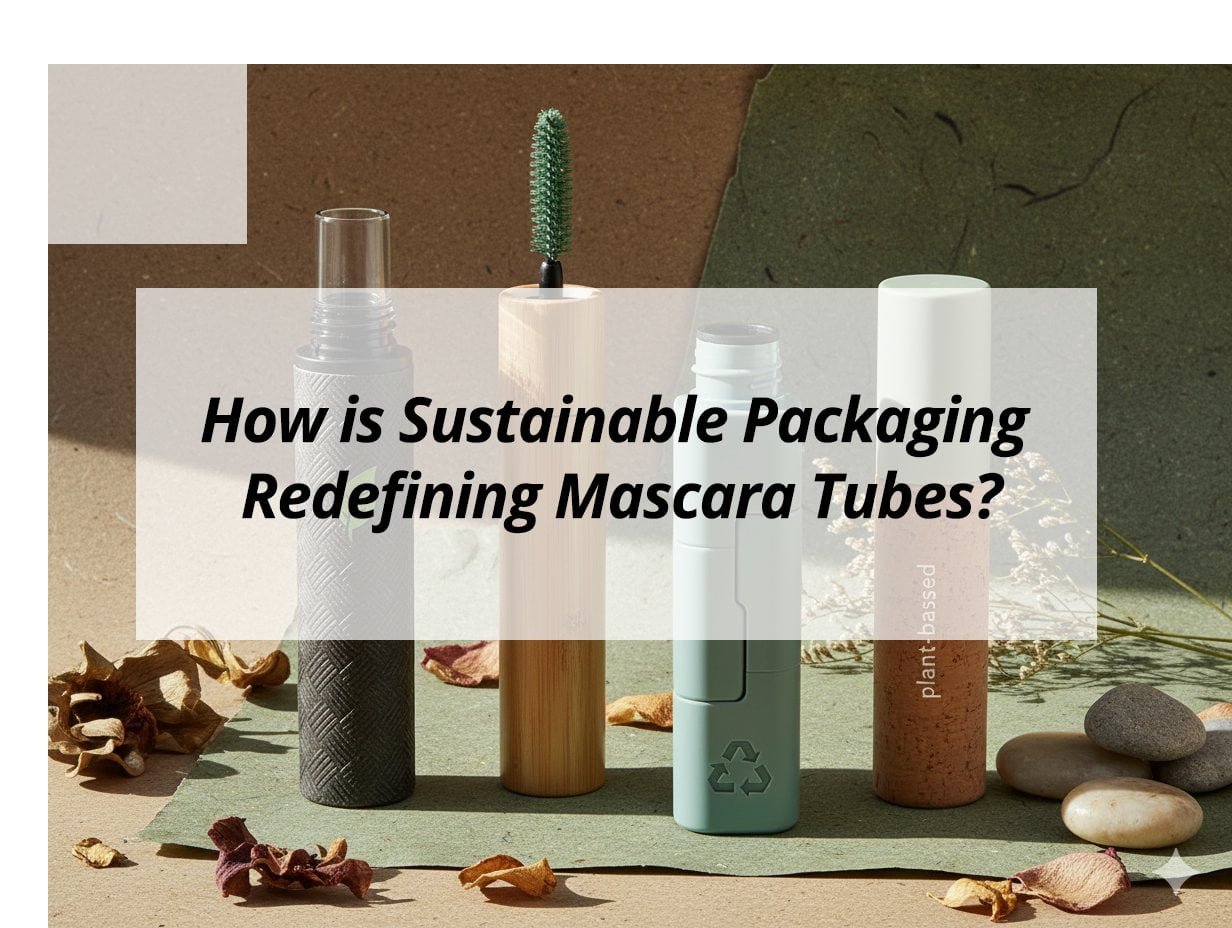
The cosmetic industry faces growing demand for eco-friendly products. This pressure drives changes in packaging. Sustainable solutions are now important for mascara tubes.
Sustainable packaging redefines mascara tubes through material innovation and design. It uses recycled content, bio-based options, and refillable systems. These changes reduce waste, lower environmental impact, and align with consumer values. This shift makes mascara tubes more sustainable and appealing in the market.
The move toward sustainability is a major trend in packaging. Brands must adapt to these changes. This helps to meet new market demands and reduces environmental impact.
What Are the Sustainable Packaging Solutions for Cosmetics?
Cosmetic companies are seeking ways to make their packaging more environmentally friendly. What are the main options available?
Sustainable packaging solutions for cosmetics involve several key approaches. These include using materials like post-consumer recycled (PCR) plastics, glass, and aluminum. They also focus on designs that allow for reusability, refilling, or simpler recycling. Such methods reduce resource use, minimize waste, and lower the carbon footprint of products.
Choosing the right material is a critical decision. It affects both the product's market appeal and its environmental performance. Brands must weigh these factors carefully to select the best sustainable option.
Types of Sustainable Materials
Several materials are now central to sustainable cosmetic packaging. Each offers distinct advantages.
- PCR (Post-Consumer Recycled) Plastic: This plastic comes from already used products. Its use lowers the need for new plastic. It also helps manage plastic waste.
- Bio-based Plastics: These plastics are made from renewable biomass sources. Examples include plant sugars or starches. They offer an alternative to fossil-based plastics.
- Glass: Glass is widely recyclable. It can be reprocessed many times without losing quality. It provides a premium look and feel.
- Aluminum: Aluminum is also highly recyclable. It is lightweight and provides good product protection.
- Bamboo: Bamboo is a fast-growing, renewable resource. It offers a natural aesthetic for packaging components.
Sustainable Design Approaches
Material selection is only one part of the solution. Design plays an equally important role in sustainability.
| Strategy | Description | Benefits |
|---|---|---|
| Refillable Systems | A primary container is kept. Only product refills are bought. | Reduces material consumption and long-term waste. |
| Mono-material Design | Packaging uses only one type of material. | Simplifies sorting and increases recycling rates. |
| Lightweighting | Packaging is designed to be as light as possible. | Lowers shipping emissions and material use. |
| Concentrated Formulations | Products that require less water. This reduces package size. | Smaller packaging, less material, reduced transport impact. |
These design principles guide the development of packaging that supports a circular economy. They focus on minimizing environmental harm throughout the product lifecycle.
Are Mascara Tubes Recyclable?
The recyclability of mascara tubes is a common question. The answer can be complex due to several factors.
Mascara tubes can be recyclable, depending on their material composition and local waste management facilities. Tubes made from a single type of plastic, glass, or aluminum are generally easier to recycle. However, challenges like mixed materials, small component sizes, and residual product often hinder effective recycling.
Understanding the specific characteristics of mascara tube recycling is important. It allows for more informed design and consumer practices.
Obstacles to Mascara Tube Recycling
Despite advances in recycling, mascara tubes present particular difficulties.
- Small Dimensions: Many recycling systems are not designed for very small items. Mascara tubes often pass through sorting machinery.
- Multi-material Construction: A typical mascara tube includes a tube, a wand, and a cap. These are often made from different plastics or other materials. Separating these for recycling is hard.
- Product Contamination: Mascara residue inside the tube and on the wand can contaminate recycling streams. This makes materials unusable.
- Brush Materials: Mascara wands may contain various plastic types or nylon bristles. These are not always compatible with general plastic recycling.
Improving Recyclability
Design choices and consumer actions can improve the recyclability of mascara tubes.
- Single-Material Design: Creating tubes and wands from the same type of plastic greatly improves recyclability.
- Clear Labeling: Providing clear instructions on material type and recycling steps helps consumers.
- Consumer Preparation: Encouraging consumers to clean tubes and separate components before disposal aids recycling efforts.
- Take-Back Programs: Brands can offer programs to collect empty tubes. This ensures proper handling and recycling.
These steps help to overcome common recycling barriers. They move the industry closer to a more circular approach for mascara packaging.
How Can We Redesign Packaging to Be More Sustainable?
Redesigning packaging for sustainability involves more than just material swaps. It requires a thoughtful approach to every design element.
Redesigning packaging for sustainability means focusing on minimizing material usage, selecting environmentally friendly materials, and enabling reuse or effective recyclability. This holistic approach considers the entire lifecycle of the package. It aims to reduce ecological impact and meet the evolving demands for greener products.
Effective redesign balances product protection, user experience, and environmental responsibility. It seeks to innovate without compromising functionality.
Core Principles for Sustainable Design
Key principles guide the creation of more sustainable packaging.
- Reduce: Minimize the overall amount of material used. This includes lightweighting and eliminating unnecessary components.
- Reuse: Design packaging for multiple uses. Refillable and returnable systems are prime examples of this principle.
- Recycle: Ensure packaging can be easily processed in existing recycling streams. This often involves mono-material construction.
- Renew: Prioritize materials from renewable resources. Bio-based plastics and sustainably sourced paper are examples.
- Rethink: Challenge conventional packaging forms. Explore entirely new solutions that inherently reduce environmental burden.
Sustainable Design Strategies for Mascara Tubes
Specific design choices can significantly enhance the sustainability of mascara tubes.
| Design Element | Sustainable Approach | Environmental Impact |
|---|---|---|
| Tube Body | Utilize PCR plastic, bio-based plastic, or glass. | Lowers demand for virgin resources, enhances recyclability. |
| Wand/Brush | Design from mono-material plastic or natural fibers. | Simplifies sorting, reduces mixed material waste. |
| Cap | Use the same material as the tube, or a highly recyclable single material. | Improves material compatibility, boosts recycling rates. |
| Decoration | Apply minimalist printing, water-based inks, or labels. | Reduces chemical use, makes components easier to recycle. |
These strategies emphasize thoughtful material selection and simplified construction. They aim to create mascara tubes that are both functional and environmentally responsible.
What Are the Latest Developments in Sustainable Packaging Solutions?
The field of sustainable packaging is dynamic, with continuous innovation in materials and technologies. What are the most recent advancements?
Recent developments in sustainable packaging solutions include advanced bio-materials, novel refill and reuse models, and intelligent packaging features. There is also a growing focus on utilizing ocean-bound plastics and compostable alternatives. These innovations aim to further reduce environmental footprints and support a circular economy.
Staying informed about these advancements helps in developing leading-edge packaging solutions. This allows brands to offer more effective and environmentally sound products.
Emerging Materials and Technologies
New materials and technological approaches are constantly being explored.
- Ocean-Bound Plastic: This is plastic collected from coastal areas before it can enter the ocean. Its use gives waste a new purpose.
- Compostable Materials: These materials are designed to break down into natural components. They can return to the earth, typically in industrial composting facilities.
- Mycelium-Based Packaging: This packaging is grown from fungi. It is fully biodegradable and offers a lightweight, protective alternative to traditional materials.
- Paper-Based Solutions: Innovations include bottles made primarily from paper, often with a thin liner. This significantly reduces plastic content.
Evolving Refill and Reuse Systems
Refill and reuse models are becoming more sophisticated and accessible.
- Automated Refill Kiosks: In-store stations allow consumers to refill their own containers. This makes the process convenient and reduces packaging waste.
- Subscription Refill Services: Companies offer direct-to-consumer refill delivery. This ensures a steady supply of product and less packaging.
- Modular Packaging Designs: Products are designed with interchangeable or easily replaced components. This extends the lifespan of primary packaging.
Smart Packaging Innovations
Technology also plays a role in enhancing packaging sustainability.
| Technology | Contribution to Sustainability | Practical Application |
|---|---|---|
| QR Codes/NFC Tags | Provide consumers with information on recycling, refill options, and product sourcing. | Scanning a mascara tube for material breakdown. |
| Blockchain for Traceability | Ensures transparency in the supply chain. Verifies sustainable material origins. | Tracking recycled content from source to product. |
| AI in Design Optimization | Uses artificial intelligence to create more efficient and lighter packaging designs. | Reducing the plastic content of a cap. |
These innovations demonstrate a commitment to pushing the boundaries of sustainable packaging. They offer new ways to address environmental concerns.
My Insights: How is Sustainable Packaging Redefining Mascara Tubes?
Is your mascara packaging contributing to waste? Explore how sustainable redesigns are transforming mascara tubes into eco-friendly solutions.
Sustainable packaging is reshaping mascara tubes by reducing plastic waste through refillable designs, biodegradable materials, and recycled plastics. These innovations emphasize minimalist and eco-friendly components, addressing environmental impact and aligning with consumer demands for sustainability.
Innovations in Sustainable Mascara Packaging
Challenges with Traditional Packaging
- Recycling Difficulty: Conventional mascara tubes are made of mixed materials, hindering recycling.
- Environmental Impact: Millions end up in landfills, an issue addressed by sustainable innovations.
| Feature | Benefit | Example |
|---|---|---|
| Biodegradable Materials | Reduces environmental impact | Bamboo packaging |
| Refillable Designs | Decreases plastic waste | Aluminum tubes with refillable cartridges |
| Recycled Plastics | Promotes recyclability | PCR plastic tubes |
Sustainable Transformations in Design
- Mono-material and Recycled Content: Using single plastic families or PCR plastics for easier recycling.
- Refillable Systems: Extended lifespan of mascara tubes, reducing the need for full replacements.
Regulatory pressures and consumer demand are driving mascara packaging to integrate circularity principles, focusing on reuse, recyclability, and reduced material use, ultimately redefining sustainability in cosmetics.
Conclusion
Sustainable packaging is crucial for mascara tubes. It involves using advanced materials and smart designs. This shift helps reduce waste and supports environmental goals.