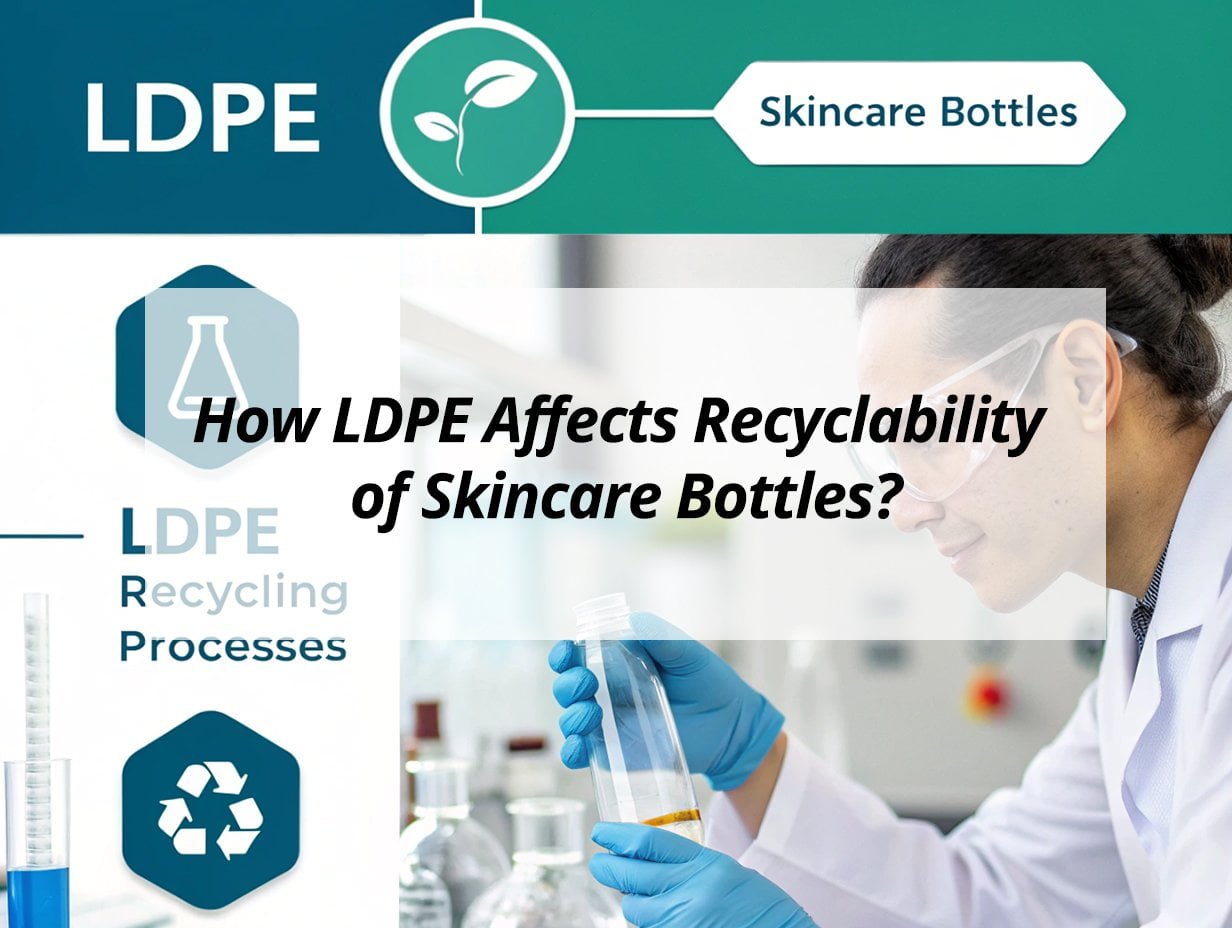
In skincare, LDPE offers flexibility and durability, but its recyclability challenges demand careful understanding and strategic management.
LDPE is recyclable but often excluded from standard programs due to its properties. Specialized facilities and processes are required to manage these challenges effectively, making it crucial for the skincare industry to invest in and develop infrastructure that accommodates LDPE recycling for improved sustainability and environmental responsibility.
A comprehensive exploration of these factors helps in making informed, sustainable packaging decisions.
What are the Disadvantages of LDPE?
Examining the limitations of LDPE is critical in understanding its role within packaging. Despite its widespread use and benefits, LDPE presents specific challenges that must be navigated.
LDPE's flexibility and usage versatility come at the cost of significant recycling difficulties1, largely due to its specialized processing needs and limited acceptance in traditional recycling streams.
Structural and Processing Challenges
- Flexible Nature: The very flexibility that makes LDPE appealing also complicates recycling. Its pliable features cause issues in sorting and processing, often leading to contamination.
- Limited Infrastructure: Most recycling facilities are not equipped to handle LDPE, focusing efforts on more commonly recycled materials like PET and HDPE.
Environmental and Economic Concerns
Environmental Impacts
Although LDPE can be recycled, inadequacies in the recycling process often result in increased environmental burden2, with large amounts going to landfills.
Economic Implications
The cost of establishing specialized recycling facilities for LDPE is significant, posing economic challenges3 for municipalities and businesses alike.
Key Insights
- Recycling Limitations: Overcoming the structural challenges of LDPE recycling requires substantial investment in technology and infrastructure.
- Cross-Contamination Risks: Proper sorting is imperative to prevent contamination, which can degrade recycling quality.
Addressing these challenges is crucial to enhancing the recyclability of LDPE.
Why is LDPE Not Recyclable?
Understanding the recyclability of LDPE involves examining both practical and logistical barriers that inhibit its processing.
Despite being theoretically recyclable, LDPE's recycling is hindered by its physical attributes and the current state of recycling technology, making it less feasible on a large scale.
Logistical Barriers and Facility Requirements
- Specialized Processing Facilities: Many recycling plants lack the machinery necessary for efficiently processing LDPE, contributing to its exclusion from standard programs.
- Sorting Complexity: LDPE’s flexibility necessitates specialized sorting technology that is not widely available, leading to problematic recycling outcomes.
Consumer Awareness and Labeling Issues
- Misleading Labels: Inconsistent labeling practices lead to consumer confusion, resulting in improper disposal and reduced recycling efficacy.
- Educational Deficit: There is a lack of widespread consumer education4 on the specific recycling needs of LDPE, exacerbating collection and processing challenges.
Strategies for Improvement
- Investment in Technology: Developing advanced sorting and processing facilities can significantly enhance LDPE's recyclability.
- Consumer Education Campaigns: Informing consumers about proper disposal methods and the importance of recycling LDPE can drive change.
These approaches can work synergistically to improve the recycling rates and processes for LDPE.
Why is LDPE Used for Bottles?
Despite its recycling challenges, LDPE remains a preferred choice for many manufacturers due to its favorable characteristics.
LDPE’s inherent flexibility, durability, and safety make it an ideal choice for skincare packaging, providing a balance between usability and functionality.
Advantages in Functionality and Design
- User-Friendly Design: LDPE’s squeezability offers consumers convenience and ease of use, enhancing the overall product experience.
- Versatile Compatibility: The material is chemically inert, making it suitable for a wide range of skincare formulations without risking product integrity.
Economic and Operational Benefits
Cost-Efficiency
The affordability and availability of LDPE make it an attractive choice for manufacturers looking to balance cost with quality.
Advantages Overview
| Attribute | Benefit |
|---|---|
| Flexibility | Enhances user interaction and accessibility |
| Chemical Compatibility | Ensures product safety and longevity |
| Cost Effectiveness | Provides a budget-friendly packaging solution |
These benefits underline why LDPE continues to be favored in packaging decisions.
Are LDPE Bottles Safe to Use?
Ensuring the safety of packaging materials is essential for consumer trust and brand reliability.
LDPE is recognized for its safety in cosmetic applications, offering chemical stability and significant protection against external factors.
Emphasis on Chemical Stability and Safety Standards
- Product Integrity Assurance: LDPE’s inert nature prevents harmful interactions with skincare formulations, maintaining product safety.
- Regulation Compliance: The material complies with international safety standards5, ensuring its reliability and trustworthiness.
Building Consumer Trust Through Consistent Quality
- Established Trust: Consistent safety performance fosters consumer confidence in LDPE-packaged products.
- Quality Assurance Programs: Regular compliance with safety regulations and standards ensures ongoing material reliability.
Safety Insights
- Chemical Stability: Preserves the quality and safety of the product.
- Regulatory Adherence: Meets global safety standards, establishing its credibility.
- Trust and Consistency: Reinforced by continuous adherence to quality standards.
The safety features of LDPE make it a widely accepted material for skincare product packaging.
My Insights: Understanding LDPE Recycling in Cosmetic Packaging
Struggling with the complexities of LDPE recycling? You’re not alone.
LDPE, used in squeezable bottles, is recyclable but faces challenges. While it can reduce energy consumption, its recyclability is limited compared to HDPE and PET, largely due to contamination and infrastructure gaps.
Unpacking LDPE Recycling Complexities
LDPE’s flexibility makes it ideal for skincare bottles, but recycling challenges persist. Here's a deeper breakdown:
Key Factors Affecting LDPE Recycling
-
Recyclability Challenges
- LDPE's softer texture reduces acceptance in municipal programs.
- Downcycled into lower-demand products like trash bags.
-
Contamination Issues
- Residues complicate recycling processes.
- Proper cleaning and sorting are crucial.
-
Infrastructure and Innovations
- Limited facilities recycle LDPE compared to PET or HDPE.
- Emerging technologies are improving recyclability.
| Feature | LDPE | HDPE/PET |
|---|---|---|
| Acceptance | Less accepted in municipal recycling | Widely accepted |
| Common Products | Trash bags, paneling | Bottles, containers |
| Recycling Needs | Requires thorough sorting and cleaning | More robust infrastructure available |
By addressing contamination and infrastructure, LDPE's recyclability could improve, aligning with global recycling initiatives.
Conclusion
Navigating the balance between the advantages of LDPE and its recycling challenges is essential for fostering sustainable practices in the skincare industry. Through a deeper understanding of LDPE's properties and adopting improved recycling strategies, more eco-conscious decisions can be achieved in material selection.
-
Understanding the recycling difficulties of LDPE can help identify solutions and improve recycling rates. ↩
-
Learning about the environmental burden of LDPE can motivate better recycling practices and policies. ↩
-
Understanding the economic challenges can drive discussions on funding and support for recycling initiatives. ↩
-
Understanding the role of consumer education can enhance recycling rates and proper disposal methods. ↩
-
Exploring safety standards can enhance consumer trust and ensure compliance in packaging materials. ↩