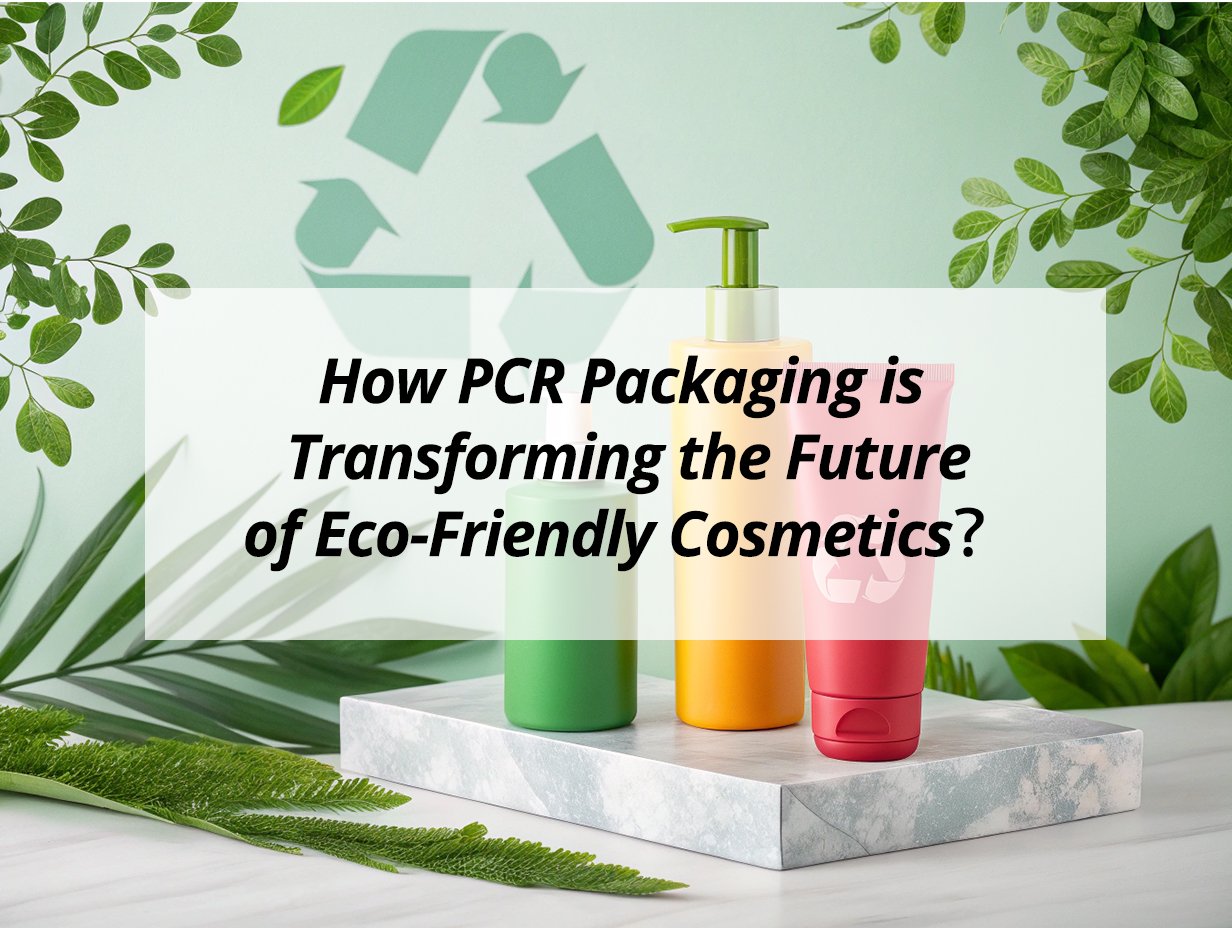
Plastic pollution is a growing concern worldwide. Consumers demand sustainable solutions from the beauty industry to protect the planet.
PCR packaging is eco-friendly as it utilizes recycled materials, reducing waste and conserving resources. This approach supports sustainability by minimizing environmental impact and promoting global recycling efforts, making it a vital choice for the future of eco-friendly cosmetics.
Creating eco-friendly cosmetics signifies a commitment to sustainability, attracting conscious consumers and setting a brand apart in the competitive market.
Is PCR eco-friendly?
Consumers are increasingly aware of environmental issues, prompting a demand for sustainable beauty products1. How eco-friendly is PCR packaging2?
PCR packaging supports sustainability by reducing reliance on virgin materials and lowering carbon emissions. It utilizes recycled plastics, which help decrease waste and promote a circular economy. By choosing PCR, companies actively contribute to environmental conservation efforts.
Understanding the impact of PCR packaging helps brands align with consumer values and meet environmental expectations.
Sustainability through Recycling
PCR packaging uses recycled plastic materials from waste goods like bottles and containers. This approach supports sustainability by reducing the need for new plastic production, minimizing energy consumption, and encouraging recycling efforts.
Benefits of PCR Packaging
- Resource Conservation: Less reliance on new materials.
- Waste Reduction: Decreases volume of plastic waste.
| Benefit | Description |
|---|---|
| Resource Conservation | Minimizes use of new materials, saving energy. |
| Waste Reduction | Reuses waste, lessening environmental impact. |
- Economic Motivation: Supports demand for recycled materials, boosting market for recyclables.
By adopting PCR materials, brands play an essential part in transforming waste management practices and ensuring sustainable production.
What are the benefits of PCR packaging?
Brands are searching for ways to appeal to eco-conscious consumers through sustainable packaging. What benefits does PCR packaging offer?
PCR packaging delivers numerous advantages, including reduced environmental impact by utilizing recycled materials, enhancing brand image, and lowering production costs. This packaging option aligns with sustainability goals and appeals to environmentally aware consumers.
Exploring the benefits of PCR packaging can optimize a brand's strategy and foster a positive consumer connection.
Multifaceted Advantages
The advantages of using PCR packaging are profound and multifaceted. It impacts both environmental and business goals.
Key Advantages
- Environmental Impact: Reduced pollution and conservation of resources.
- Cost Efficiency: Lower production costs through recycled materials.
| Advantage | Impact |
|---|---|
| Environmental Impact | Supports global conservation efforts. |
| Cost Efficiency | Offers cost-saving benefits in production. |
- Brand Appeal: Positive consumer perception enhances brand loyalty.
PCR packaging not only reduces carbon footprint but also provides economic incentives for brands. Implementing such practices demonstrates corporate responsibility.
How does eco-friendly packaging help the environment?
Environmental concerns are pushing brands towards sustainable solutions. How does eco-friendly packaging3 contribute to this effort?
Eco-friendly packaging aids the environment by minimizing waste, conserving natural resources, and reducing pollution. By opting for sustainable options, brands encourage recycling and promote a greener future, positively influencing consumer behavior.
Understanding these positive impacts helps brands make informed decisions and build a purposeful eco-strategy.
Environmental Impact
Eco-friendly packaging, such as PCR, plays a crucial role in tackling environmental challenges. By prioritizing sustainability, brands can actively contribute to global conservation.
Environmental Benefits
- Waste Reduction: Decreases landfill use and pollution.
- Resource Preservation: Utilizes fewer raw materials.
| Environmental Benefit | Description |
|---|---|
| Waste Reduction | Limits landfill dependency, supporting clean habitats. |
| Resource Preservation | Conserves natural resources, promoting sustainability. |
- Pollution Mitigation: Reduces toxins released during production.
Packaging decisions significantly impact environmental health. Eco-friendly choices reinforce the brand's commitment to sustainability while benefiting the planet.
What is PCR in cosmetics?
Consumers expect greener practices in beauty products. What role does PCR play in cosmetics?
PCR in cosmetics refers to the use of recycled materials in packaging, advancing sustainability within the industry. This approach reduces environmental impact, lowering waste and promoting resource efficiency in beauty products.
Recognizing the use of PCR materials helps brands align with consumer demand, focusing on responsible manufacturing practices.
Integration in Beauty Industry
Incorporating PCR materials into cosmetics reflects a proactive approach to sustainability. Here's how this transformation occurs:
Implementation of PCR in Cosmetics
- Material Transformation: Recycled plastics replace virgin materials.
- Design Flexibility: Adaptable for various packaging designs.
| Aspect | Impact |
|---|---|
| Material Transformation | Utilizes existing materials, reducing waste. |
| Design Flexibility | Supports creative and sustainable designs. |
- Market Alignment: Meets consumer expectations for green products.
PCR advancements are pivotal in reshaping cosmetics, driving both competitive advantage and ecological responsibility.
My insights: PCR Packaging is Transforming the Future of Eco-Friendly Cosmetics
Revolutionize your beauty routine with eco-friendly PCR packaging, a game-changer in sustainable cosmetics that champions a greener planet without compromising quality or appeal.
PCR packaging reshapes eco-friendly cosmetics by reducing reliance on virgin materials, supporting circular economies, and attracting eco-conscious consumers. It enhances sustainability credentials, promoting a greener, more responsible beauty industry.
The Impact of PCR Packaging
Environmental Benefits
- Resource Reduction: Decreases the need for virgin plastics, lowering environmental impact.
- Circular Economy: Encourages recycling initiatives, keeping materials in use longer.
Consumer and Brand Appeal
| Aspect | Impact |
|---|---|
| Eco-Conscious Appeal | Attracts consumers interested in sustainable practices. |
| Brand Differentiation | Positions companies as environmentally responsible leaders. |
Technological and Market Advances
- Innovations: Advances in recycling improve PCR quality and durability, making it a viable option for premium brands.
- Cost-Effectiveness: As technology progresses, PCR packaging becomes more economically feasible.
Industry and Regulatory Influence
The shift to PCR is driven by consumer demand for sustainable options, regulatory requirements, and the strategic industry aim to reduce carbon footprints. Leading brands adopting PCR reinforce their commitment to sustainability, enhancing consumer trust and loyalty.
PCR packaging is pivotal for eco-friendly cosmetics, offering a sustainable solution that benefits the environment, appeals to consumers, and positions brands as leaders in sustainability.
Conclusion
PCR packaging transforms cosmetics with sustainability, aligning with consumer values and reducing environmental impact. Adopting PCR signals a shift toward responsible beauty industry practices.
-
Learn about the growing trend of sustainable beauty products and their impact on the environment and consumer choices. ↩
-
Explore how PCR packaging reduces waste and promotes a circular economy, making it a vital choice for eco-conscious brands. ↩
-
Explore the advantages of eco-friendly packaging and its positive impact on both the environment and business success. ↩