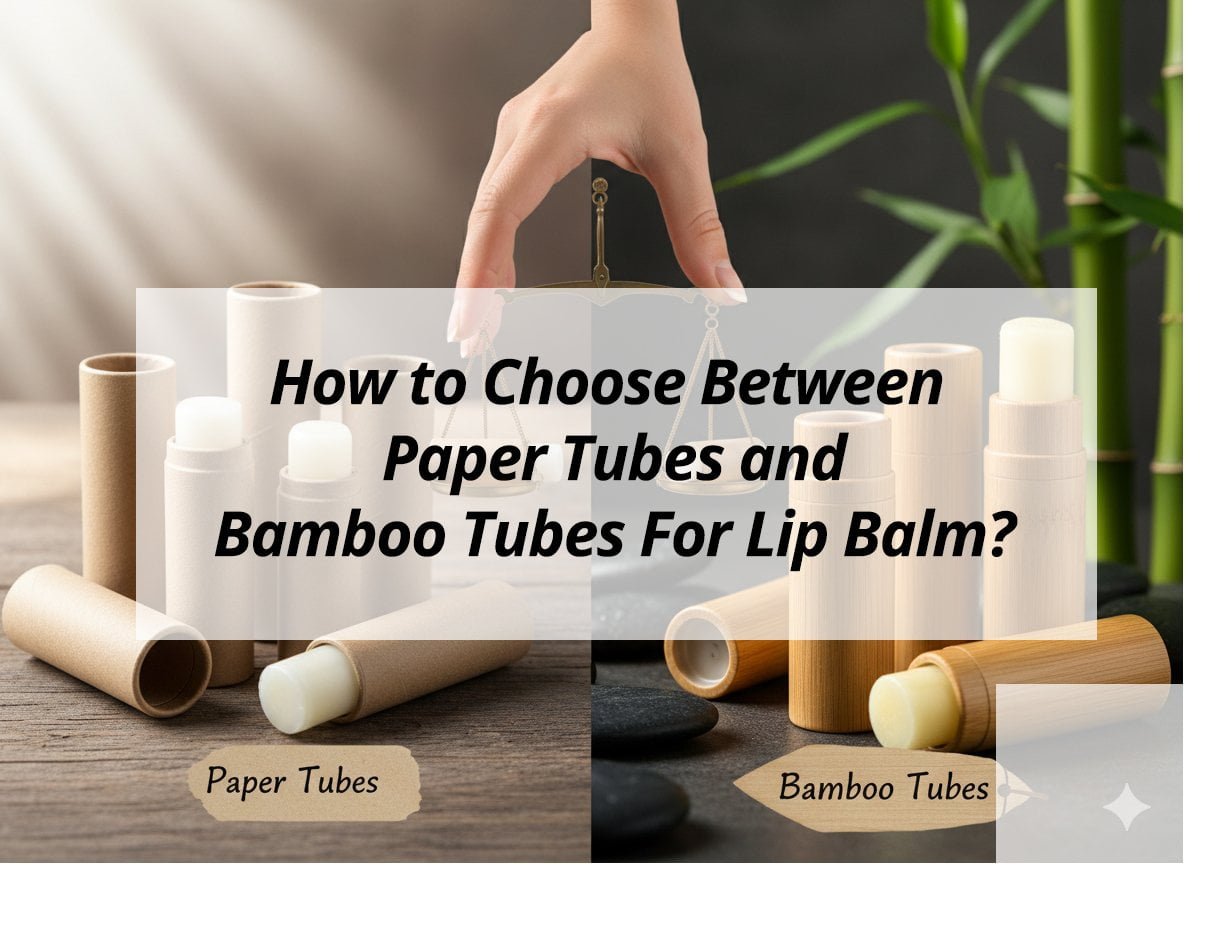
Are you confused about selecting the right packaging for your lip balm? Do you want to make an eco-friendly choice but are unsure which option is best? Selecting suitable packaging is crucial for any product and the environment.
Choosing between paper tubes and bamboo tubes for lip balm packaging involves considering several factors. Each material offers unique benefits and drawbacks in terms of sustainability, cost, and user experience. This guide will help one understand the differences to make an informed decision for a brand.
Let us explore the world of sustainable lip balm packaging. This will help make a choice that aligns with brand values and customer expectations.
Which type of lip balm is best?
Are you looking for the best lip balm type for a brand? Do you want to offer a product that stands out in the market? Choosing the right lip balm type can significantly impact customer satisfaction and sales.
The "best" type of lip balm depends on the target audience and product goals. Different formulations cater to various needs, such as intense hydration, sun protection, or a subtle tint. Understanding customer needs will guide one to the ideal lip balm.
Considering different types of lip balm helps one understand the varied needs of consumers. It is important to look at what each type offers. This helps in making a product that meets specific demands.
What are the main types of lip balm?
Many types of lip balm are available. Each one serves a different purpose. Knowing these types helps one choose wisely.
- Moisturizing Lip Balms: These are for daily use. They contain ingredients like shea butter and cocoa butter. These ingredients help to keep lips soft.
- Healing Lip Balms: These are for chapped or damaged lips. They often contain ingredients like petrolatum or lanolin. These help to repair the skin barrier.
- SPF Lip Balms: These protect lips from sun damage. They are good for outdoor activities. They contain zinc oxide or titanium dioxide.
- Tinted Lip Balms: These add a hint of color. They are popular for those who want a natural look. They combine moisture with color.
- Medicated Lip Balms: These treat specific conditions. They might contain camphor or menthol. These help with cold sores or extreme dryness.
How do ingredients affect performance?
The ingredients in lip balm are very important. They decide how well the product works. Good ingredients mean a better product.
| Ingredient Type | Common Examples | Benefits |
|---|---|---|
| Emollients | Shea Butter, Jojoba Oil | Smooth and soften lips |
| Humectants | Hyaluronic Acid, Glycerin | Attract and hold moisture |
| Occlusives | Beeswax, Lanolin | Form a barrier to prevent moisture loss |
| Protectants | Zinc Oxide, SPF | Shield lips from sun and environmental damage |
| Actives | Salicylic Acid, Camphor | Treat specific lip concerns like cold sores |
Choosing the best lip balm means matching its features to customer needs. Think about their lifestyle and common lip problems. This will lead to the right choice.
What are the benefits of using paper tubes?
Are you thinking about eco-friendly packaging? Do you want to reduce plastic waste for lip balm? Paper tubes offer a great solution for sustainable packaging choices.
Paper tubes are a popular choice for brands aiming for sustainability. They are biodegradable and recyclable, which helps lower the environmental footprint. Beyond eco-friendliness, they also offer a unique aesthetic appeal and can enhance brand image.
Many companies are looking for ways to be more sustainable. Paper tubes present a clear advantage here. They help meet the growing demand for greener products. This also shows a commitment to protecting the environment.
Why are paper tubes good for the environment?
Paper tubes are much better for the earth than plastic. They help reduce pollution and waste. This is important for many businesses and customers.
- Biodegradable: Paper breaks down naturally. This means it will not stay in landfills for hundreds of years.
- Recyclable: Most paper tubes can go into recycling bins. This saves resources and energy.
- Renewable Resource: Paper comes from trees. Trees can be replanted. This makes paper a sustainable material.
- Lower Carbon Footprint: Making paper often uses less energy than making plastic. This helps reduce greenhouse gas emissions.
What are the other advantages of paper tubes?
Beyond being green, paper tubes have other benefits. These can help a brand stand out. They can also improve the customer experience.
- Brand Image: Using paper tubes shows a brand cares about the environment. This can attract eco-conscious customers.
- Customization: Paper tubes are easy to print on. One can have unique designs and logos. This makes a product look special.
- Lightweight: Paper tubes are light. This can lower shipping costs. It also makes them easy for customers to carry.
- Unique Feel: They offer a different tactile experience. This can make a product feel more natural or premium.
- Consumer Preference: Many consumers prefer sustainable packaging. This can lead to higher sales and brand loyalty.
Paper tubes are a smart choice for lip balm. They help the planet and can boost a brand. They offer a good balance of function and sustainability.
What is the difference between paper core and paper tube?
Are you confused about paper core versus paper tube? Do you think they are the same thing? Knowing the difference is important for packaging decisions.
While "paper core" and "paper tube" sound similar, they serve different purposes. A paper core is typically an inner support or structural element. A paper tube is often a finished outer packaging solution. This distinction affects how they are used and their final appearance.
It is common for clients to ask about this difference. They want to ensure they are ordering the correct item. Understanding these terms clearly helps in selecting the right material for a specific product.
What is a paper core?
A paper core is a strong, rigid cylinder. It is usually inside other products. Its main job is to provide support.
- Purpose: Paper cores are often used as spools. They hold things like paper towels, toilet paper, or fabric. They keep these materials rolled up tightly.
- Structure: They are very dense and stiff. This makes them strong enough to handle tension.
- Visibility: One usually does not see the paper core. It is covered by the product it holds.
- Examples: Think of the cardboard roll inside a roll of aluminum foil. That is a paper core.
What is a paper tube?
A paper tube is more of a finished item. It is often used for direct packaging. It can be seen by the customer.
- Purpose: Paper tubes serve as outer packaging. They hold products like cosmetics, posters, or tea. They protect the product inside.
- Structure: They can be made with different wall thicknesses. Some are thin and flexible. Others are thick and rigid.
- Visibility: Paper tubes are designed to be seen. They often have branding and designs printed on them.
- Examples: A lip balm tube made from paper is a good example. It is the final package.
Understanding these differences helps in choosing the right material. For cosmetic packaging, like lip balm, a paper tube is almost always needed. This is the part customers see and interact with.
How to pick a good lip balm?
Are customers looking for the perfect lip balm? Do you want to offer a product that truly satisfies their needs? Choosing a good lip balm is key to customer loyalty.
Picking a good lip balm involves looking at ingredients, benefits, and how it feels. A good lip balm should hydrate, protect, and soothe the lips without feeling sticky or heavy. It should also match the user's specific concerns, like dryness or sun exposure.
When selecting a lip balm, it is important to consider the end-user's expectations for quality and effectiveness. Customers often prioritize products that deliver on their promises. This means the lip balm should provide clear benefits and a pleasant experience.
What ingredients should one look for?
The ingredients are the most important part of any lip balm. They decide how well it works. Look for natural and effective ingredients.
- Natural Oils: Oils like jojoba, almond, or coconut oil are great. They provide deep moisture.
- Butters: Shea butter and cocoa butter are very nourishing. They help to heal chapped lips.
- Waxes: Beeswax or carnauba wax create a protective barrier. They keep moisture in.
- Vitamins: Vitamin E is an antioxidant. It can help protect lips from damage.
- SPF: For daytime use, SPF is crucial. It protects lips from harmful UV rays.
| Ingredient Category | What It Does | Good Examples |
|---|---|---|
| Moisturizers | Hydrate and soften lips | Jojoba oil, Coconut oil |
| Protectants | Form a barrier against elements | Beeswax, Carnauba wax |
| Soothers | Calm irritated or chapped lips | Aloe vera, Chamomile |
| Antioxidants | Protect from environmental damage | Vitamin E, Green tea extract |
| Sunscreens | Shield from UV radiation | Zinc Oxide, Titanium Dioxide |
What features make a lip balm stand out?
Beyond ingredients, certain features make a lip balm better. These are what customers notice and appreciate.
- Texture: A good lip balm should feel smooth. It should not be sticky or greasy. It should glide on easily.
- Scent/Flavor: Subtle, pleasant scents or flavors are often preferred. Overpowering ones can be off-putting.
- Long-lasting: Customers want a lip balm that stays on. They do not want to reapply it constantly.
- Packaging: Easy-to-use and attractive packaging adds value. Eco-friendly options, like paper tubes, are a plus.
- Hypoallergenic: For sensitive users, a lip balm with fewer irritants is better.
- No Harmful Chemicals: Avoid ingredients like parabens, phthalates, or artificial colors. Customers want clean products.
Choosing a good lip balm means combining effective ingredients with a pleasant user experience. This leads to happy customers and repeat sales.
My Insights: How to Choose Between Paper Tubes and Bamboo Tubes for Lip Balm?
Deciding between paper and bamboo tubes for lip balm? Let’s explore their benefits and drawbacks to find the perfect fit for your brand.
Choose paper tubes for cost-effectiveness, easy transport, and greater customization. Opt for bamboo tubes if durability, premium aesthetics, and moisture resistance are priorities. Both materials offer eco-friendly benefits, but your choice will depend on brand goals, target audience, and product characteristics.
Comparing Paper and Bamboo Tubes for Lip Balm Packaging
Material Considerations
- Sustainability: Paper tubes are typically recyclable or compostable, while bamboo offers a renewable, premium feel but may involve hidden plastics.
- Durability: Bamboo is more moisture-resistant and sturdy, whereas paper can dent but is lightweight and easy to customize.
Practical Factors
- Cost and Production: Paper is generally cheaper and suited for small brands. Bamboo exudes luxury but might require longer production times.
- Customer Experience: Paper appeals with a strong eco-message; bamboo offers a distinctive tactile experience.
| Factor | Paper Tubes | Bamboo Tubes |
|---|---|---|
| Sustainability | Highly recyclable/compostable | Renewable, hidden plastics |
| Durability | Lightweight, can dent | Sturdy, moisture-resistant |
| Cost | Lower cost | Higher cost, luxurious feel |
Brand Alignment and Usage
Evaluate your target market and product use. Paper suits eco-friendly and budget-conscious brands, while bamboo aligns with premium offerings. Consider your balm’s texture, price point, and distribution channels to make an informed choice.
Conclusion
Choosing between paper and bamboo tubes depends on specific needs. Both offer eco-friendly benefits. Paper tubes are recyclable and customizable. This makes them a strong choice for sustainable lip balm packaging.