
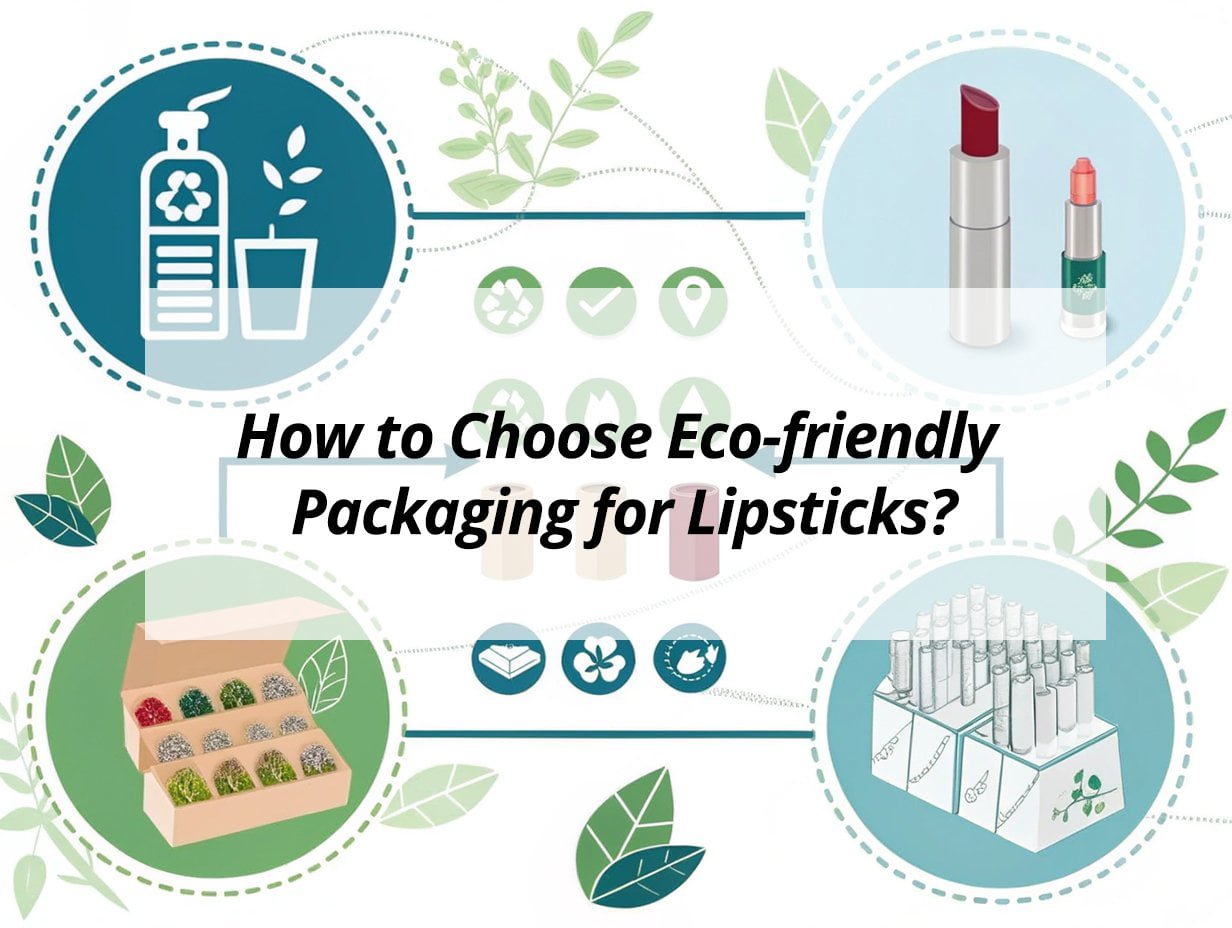
In today's competitive beauty market, sustainability and creativity are key. Selecting the right eco-friendly packaging can elevate your brand's reputation.
Leading eco-friendly cosmetic packaging manufacturers provide innovative solutions that marry sustainability with style. By selecting their products, brands can significantly reduce waste while aligning with consumer expectations for environmental responsibility, ultimately enhancing brand reputation and fostering customer loyalty through shared values.
Selecting eco-friendly packaging is not just about being trendy; it's about understanding the deeper impact on the environment and brand image.
What is the best eco-friendly packaging for cosmetics?
The cosmetics industry is shifting towards sustainability, prioritizing eco-friendly packaging1 that truly benefits the environment.
The best eco-friendly packaging for cosmetics includes recycled materials2, bioplastics, and refillable solutions3. These options reduce waste and enhance brand sustainability credentials.
To dive deeper, consider the properties and benefits of common materials:
Exploring Materials
Recycled materials, like recycled PET, offer durability and a reduced environmental footprint. Glass provides aesthetic appeal and is endlessly recyclable. Bioplastics, derived from renewable sources, present a biodegradable alternative to conventional plastics, although they can be more costly.
| Material | Environmental Impact | Aesthetic Quality | Cost |
|---|---|---|---|
| Recycled PET | Low | Moderate | Moderate |
| Glass | Low | High | High |
| Bioplastics | Moderate | Moderate | High |
Selecting the right materials aligns with eco-friendly principles, enhancing your brand’s image and appeal while appealing to conscious consumers.
What is the most environmentally friendly packaging?
With growing interest in sustainability, understanding environmentally friendly packaging is crucial for brands.
Environmentally friendly cosmetic packaging prioritizes renewable materials and recyclability, integrating with circular economy models. Recycled packaging effectively minimizes landfill waste.
Transitioning to eco-conscious packaging involves strategic production processes and supplier practices.
Key Considerations for Eco-friendly Packaging
- Energy Efficiency: Collaborate with suppliers using renewable energy sources.
- Carbon Footprint: Choose companies actively reducing emissions.
- Waste Management: Focus on designs that minimize environmental impact from production to disposal.
| Criteria | Description |
|---|---|
| Energy Source | Uses sustainable, renewable energy |
| Emissions | Maintains a low carbon footprint |
| Waste Management | Designed for minimal environmental impact |
Adopting these practices offers a holistic approach to sustainability, strengthening brand trust and aligning with eco-value commitments.
How to know if packaging is eco-friendly?
Ensuring packaging is genuinely sustainable requires thorough evaluation from design to disposal.
Packaging is eco-friendly when it uses renewable resources, carries credible certifications, and minimizes environmental footprint. Eco-friendly manufacturers focus on biotechnology to reduce waste.
Certifications, transparency, and lifecycle assessments4 are key for verification.
Evaluating Eco-friendly Packaging
Analyze these factors to make informed decisions:
- Material Composition: Utilize renewable and sustainable materials.
- Certifications: Seek trustworthy labels like FSC for validation.
- Lifecycle Analysis: Evaluate the complete impact from creation to disposal.
| Aspect | Key Factors |
|---|---|
| Material | Sources sustainable raw materials |
| Certification | Verified by established environmental organizations |
| Lifecycle | Comprehensive assessment from creation to disposal |
Evaluating these ensures your packaging aligns with eco-conscious values and enhances brand authenticity.
What are the alternatives to plastic packaging for cosmetics?
Though traditional plastics dominate cosmetics packaging, alternatives are emerging that offer sustainability and aesthetic appeal.
Alternatives to plastic packaging for cosmetics include bamboo packaging5, glass, and recycled materials. These options minimize reliance on conventional plastics while offering sustainability advantages.
Understanding the benefits of these materials aids brands in making eco-friendly choices.
Exploring Alternatives
- Bamboo Packaging: Rapid renewability and strength make it ideal for plastic-free cosmetic packaging.
- Glass: Premium feel and infinite recyclability enhance luxury product appeal.
- Recycled Materials: Embrace a circular economy by reducing waste and conserving resources.
| Alternative | Benefits | Considerations |
|---|---|---|
| Bamboo | Rapid renewal, strong material | May be more costly |
| Glass | Premium appeal, endlessly recyclable | Fragility and higher shipping costs |
| Recycled | Reduces waste, promotes circular economy | Variation in quality |
Choosing these materials reduces environmental impact while resonating with eco-conscious consumers.
My Insights: Sustainable Lipstick Packaging for a Greener Brand
Is your lipstick packaging harming the planet? Transition to sustainable options that enhance both your brand and the environment.
Selecting eco-friendly lipstick packaging involves opting for biodegradable materials, recyclable options, and refillable systems while aligning with your sustainability goals and consumer appeal.
To make informed packaging decisions, consider the following:
Material Choices
- Biodegradable Options: Minimize impact but verify composting infrastructure.
- Recyclable or Recycled: Ensure clear labeling and recycling stream availability.
- Refillable Systems: Align with circular economy models, requiring consumer participation.
| Material Type | Pros | Cons | Best For |
|---|---|---|---|
| Bamboo | Renewable, premium feel | Heavier, potential supply issues | Luxury, eco-forward brands |
| Recycled Plastics | Reduces virgin plastic demand | Relies on recycling streams | Conventional shapes with eco-appeal |
| Aluminum | Highly recyclable, premium durability | Higher cost, heavier | Refillable, premium brands |
Align material choices with your brand values and sustainability goals by partnering with certified suppliers to ensure compliance and consumer trust.
Conclusion
Sustainable packaging choices shape brand values and customer perceptions. Make informed decisions to align with environmental goals and develop lasting connections with conscious consumers.
-
Explore this link to understand the various types of eco-friendly packaging and their benefits for the cosmetics industry. ↩
-
Learn how recycled materials can reduce waste and enhance sustainability in cosmetics packaging. ↩
-
Find out how refillable solutions can minimize waste and promote sustainability in the cosmetics industry. ↩
-
Learn how lifecycle assessments help evaluate the environmental impact of packaging from creation to disposal. ↩
-
Discover why bamboo packaging is a sustainable and attractive alternative to traditional plastics. ↩