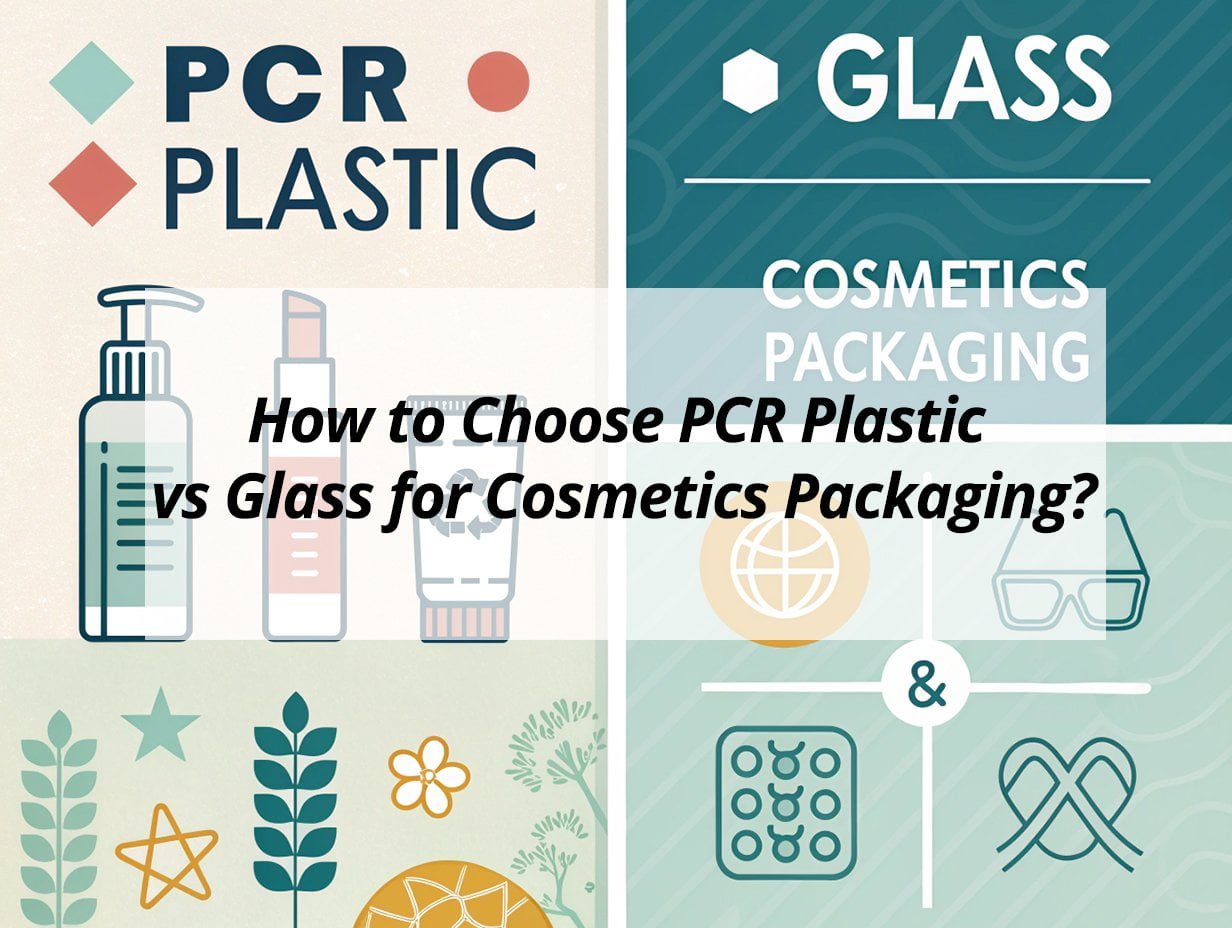
Struggling to find the perfect packaging? Discover how PCR plastic and glass can align with sustainability, cost, and compatibility goals to enhance your brand image.
Evaluate sustainability, costs, and product preservation when choosing between PCR plastic and glass. This assessment helps ensure your packaging meets both functional and aesthetic needs, aligning with your brand’s values. By making informed choices, you can enhance product integrity and appeal while supporting environmental responsibility.
Understanding the impact on product preservation and shipping is crucial. Explore the benefits and limitations of each to ensure your choice aligns with your brand's strategy and appeals to consumers.
Glass vs. Plastic for Skincare Packaging
Choosing between glass and plastic for skincare products can be challenging. Here's what you should consider.
Glass is often favored for its inert qualities, providing superior protection for sensitive skincare formulations, while plastic offers a lightweight and economical alternative.
Glass vs Plastic for Skincare
Product Compatibility1 and Preservation
Understanding how materials interact with product ingredients is crucial.
-
Glass: Known for its chemical inertness, glass maintains product integrity over time, making it ideal for products like serums and essential oils. Its non-reactive surface ensures that active ingredients remain stable and effective.
-
Plastic: Particularly modern PCR plastics, which are lightweight and adaptable, are suitable for everyday items such as creams and lotions. However, without proper coatings, plastics might interact with certain actives, affecting product quality.
Ensuring compatibility enhances product longevity and performance, directly affecting customer satisfaction and the brand's reputation.
Why should you use glass instead of plastic containers?
Considering premium product lines? Discover why glass might be your best choice.
Glass is often chosen for luxury products due to its elegant aesthetics, inert properties, and recyclability, enhancing both brand value and consumer appeal.
The Advantages of Glass
Luxury Perception2 and Environmental Impact
The choice to use glass transcends mere aesthetics; it involves branding and environmental considerations.
-
Luxury Perception2: Glass embodies a high-end aesthetic, often linked to superior quality and purity. This perception boosts the product's value, making it a popular choice for high-end lines.
-
Environmental Considerations3: Glass is highly recyclable, aligning with eco-conscious values. However, its weight can increase transportation emissions—opting for lighter glass variants could alleviate some environmental impacts.
Balancing luxury with sustainability enhances brand positioning, appealing to eco-minded consumers and elevating market presence.
Why is glass preferred over plastic?
Is durability your priority? Here's why glass may be the better option.
Glass offers outstanding barrier properties and chemical inertness, ensuring long-lasting protection for sensitive cosmetic formulations while supporting sustainable practices.
Glass Preference
Barrier Properties4 and Brand Strategy
Exploring the preference for glass uncovers strategic insights.
-
Barrier Properties: Glass provides excellent protection against air and moisture, preserving product quality over time. Its innate resistance to contamination is crucial for products with reactive or delicate ingredients.
-
Strategic Fit: Choosing glass aligns a brand with a commitment to safety, quality, and sustainability. Its inert nature appeals to customers seeking reliable and effective cosmetics.
Recognizing these attributes supports informed decision-making, aligning packaging strategies with brand values and consumer expectations.
What is the disadvantage of glass packaging?
Worried about the drawbacks of glass? Here's what you need to know.
While offering exceptional qualities, glass is fragile and heavier, leading to increased costs and risk of breakage during transport.
Glass Packaging Disadvantages
Cost Implications5 and Practical Challenges
Understanding the disadvantages of glass fosters a well-rounded perspective.
-
Breakability and Cost: Glass is susceptible to breakage, particularly during transportation, necessitating additional protective packaging and impacting overall costs. Its heavier weight further escalates shipping expenses and environmental impact.
-
Regulatory and Industry Considerations: Compliance with industry standards requires additional certifications for glass packaging, potentially affecting timelines and budgets.
Balancing these disadvantages against the benefits is vital for a comprehensive packaging strategy.
My insights: Finding the Balance in Packaging Choices
Packaging decisions can be overwhelming with sustainability, cost, and brand image in play. Choosing the best path is crucial for success.
PCR plastic and glass both offer advantages. PCR plastic is lightweight, cost-efficient, and eco-friendly, fitting for everyday products. Glass, conveying luxury, offers superior protection for sensitive formulations but is heavier and more fragile. A hybrid approach often balances performance and sustainability.
PCR Plastic vs. Glass
Sustainability and Branding
Balancing materials involves addressing key factors:
-
Sustainability: PCR plastic supports eco-friendly goals by reducing virgin material use and fostering circular economies. Even though glass is recyclable, its weight might counteract environmental benefits due to transportation emissions.
-
Product Compatibility: Glass is perfect for sensitive ingredients due to its inertness, while PCR plastic suits mass-market items, allowing for cost efficiency and design flexibility.
-
Cost and Logistics: The expense of glass impacts shipping and breakage costs. PCR plastic's lighter weight facilitates reduced logistics expenses, aligning with cost-effective strategies.
Decision-Making Framework
| Key Considerations | PCR Plastic | Glass |
|---|---|---|
| Sustainability | Eco-friendly with strong recycling | Recyclable but heavier |
| Brand Perception | Modern, sustainable image | Luxury, high-end image |
| Cost Efficiency | Lower material and shipping costs | Higher costs due to weight and fragility |
| Barrier Properties | Good with coatings | Superior, providing airtight sealing |
Evaluating these dimensions helps brands align their packaging choices with values, aspirations, and market demands.
Conclusion
Choosing between PCR plastic and glass requires evaluating product needs, costs, and brand strategy to align with sustainability and quality goals.
-
Understanding product compatibility is key to ensuring the effectiveness and longevity of skincare formulations. ↩
-
Explore how packaging choices can enhance the perceived value of luxury skincare products. ↩ ↩
-
Learn about the sustainability aspects of glass and plastic packaging in the skincare industry. ↩
-
Understand how barrier properties of glass protect sensitive formulations from contamination. ↩
-
Evaluate the financial aspects of glass packaging, including shipping and breakage costs. ↩