
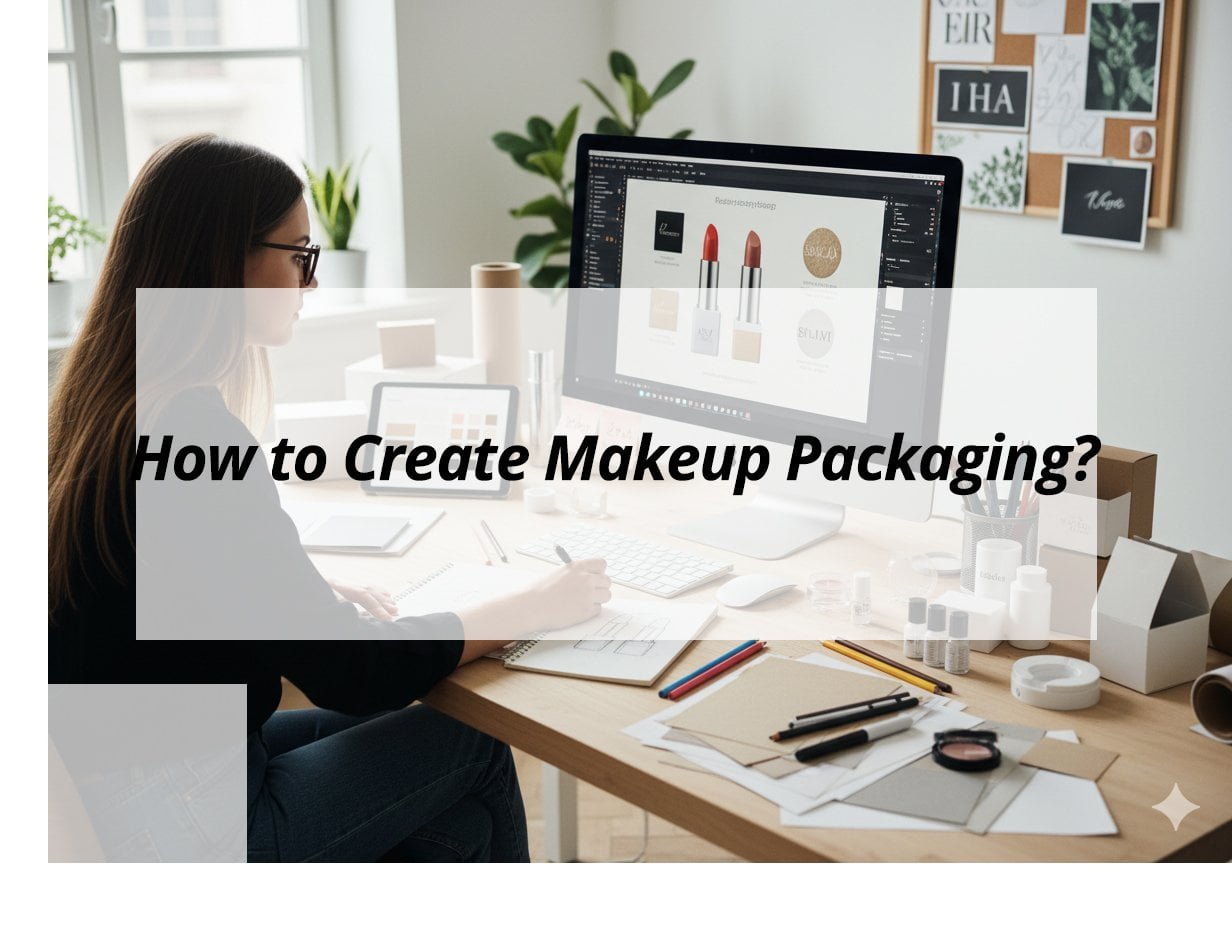
Creating makeup packaging is a detailed process. It requires careful planning. Many elements must be considered. This guide explains key steps.
Creating makeup packaging involves critical stages, from initial design concepts to material selection and regulatory compliance. It demands consideration of brand identity, consumer appeal, and sustainability. Understanding these components ensures the packaging effectively protects the product and attracts target consumers.
Effective packaging draws consumer attention. It also safeguards the product's integrity. It conveys brand values. Let us explore the process of developing impactful makeup packaging.
Do I need FDA approval to sell cosmetics?
Regulations are a primary concern for new products. Selling cosmetics involves adherence to specific guidelines. The FDA provides these regulatory frameworks.
Cosmetic products generally do not require FDA approval before they are sold. However, all ingredients used in cosmetics must be safe for their intended use. Product labeling must also comply with FDA regulations. This includes accurate ingredient lists and proper product information. Packaging must also protect product integrity.
The regulatory landscape for cosmetics can appear complex. Distinguishing between requirements for cosmetics versus pharmaceuticals is important. Understanding FDA expectations clarifies the necessary steps for compliance. Let us examine the FDA's specific requirements.
Understanding FDA Regulations for Cosmetics
The FDA regulates cosmetics differently from drugs. Their focus centers on product safety and accurate labeling.
- No Pre-Market Approval Requirement: The FDA does not mandate pre-market approval for cosmetic products. Manufacturers are solely responsible for ensuring product safety. This places a direct obligation on companies for thorough product testing.
- Ingredient Safety Assurance: All ingredients utilized in cosmetic formulations must be proven safe for their intended application. Manufacturers bear the responsibility for this assurance. This constitutes a fundamental aspect of product development.
- Labeling Compliance: Cosmetic labels must adhere to strict FDA guidelines. They must clearly list all ingredients. They must also indicate the net quantity of contents. Additionally, any necessary warning statements must be included. This ensures consumers receive comprehensive product information.
- Voluntary Facility Registration: While not a mandatory requirement for cosmetic facilities, voluntary registration with the FDA is a recommended practice. It can assist the FDA in addressing potential issues or outbreaks more efficiently.
Key Aspects for Packaging Compliance
Packaging plays a vital role in meeting FDA compliance standards. It must both safeguard the product and inform the consumer.
- Material Compatibility: Packaging materials must not interact negatively with the cosmetic product. They should not leach substances into the product or alter its composition. This is essential for maintaining product stability and safety.
- Tamper-Evident Features: For certain cosmetic products, packaging may need features that indicate if the product has been opened or altered. This provides an important layer of consumer protection and brand security.
- Truthful Claims: All claims made on the packaging must be substantiated and truthful. Misleading statements or exaggerated promises are prohibited. This builds consumer trust and avoids regulatory penalties.
- Ingredient Disclosure: The ingredient list on the packaging must be presented clearly and accurately. It should be easily legible and comply with standardized nomenclature. This is a critical component of consumer transparency.
| Requirement | Purpose | Packaging Implication |
|---|---|---|
| Ingredient Listing | Informs consumer about product composition | Requires clear, accessible space on package |
| Net Quantity | Specifies the exact amount of product | Visible display of weight or volume measurement |
| Warning Statements | Alerts users to potential risks or precautions | Demands prominent and legible placement of safety warnings |
| Manufacturer Info | Identifies the party responsible for the product | Inclusion of company name and business address |
Adhering to these regulations is crucial. It minimizes legal risks. It also demonstrates a commitment to consumer well-being.
What are the 5 P's of packaging?
The 5 P's of packaging provide a comprehensive framework for design. They address all critical aspects. Considering these elements leads to more effective packaging solutions.
The 5 P's of packaging encompass Product, Protection, Presentation, Price, and Promotion. These five elements are fundamental for developing successful cosmetic packaging. They ensure the packaging fulfills its functional requirements. They also make it visually appealing and economically viable. These principles guide decisions from material selection to market strategy.
A structured approach to packaging design often benefits from utilizing these P's. It helps ensure no essential component is overlooked. This leads to more robust packaging solutions. Let us examine each of these principles in detail.
Exploring the 5 P's of Packaging Design
Each "P" represents a distinct and vital aspect of the packaging process. They function synergistically to achieve overall success.
- Product: The packaging must be intrinsically suited to the product it contains. Factors include the product's physical form (liquid, solid, powder), its size, and its sensitivity to external factors. For instance, a fragile serum may necessitate a vacuum bottle.
- Protection: Packaging's primary role is to shield the product from damage. This includes safeguarding against light, air, moisture, and physical impact. Effective protection ensures product freshness and safety. An air cushion case, for example, protects delicate foundation formulations.
- Presentation: This refers to the aesthetic appeal of the package. It must attract the target consumer. The design should align with the brand's image and values. Attractive presentation helps a product differentiate itself on the shelf. This is where eco friendly cosmetic packaging can also convey a strong brand message.
- Price: The manufacturing cost of the packaging is a significant factor. It must be consistent with the product's intended price point. Overly expensive packaging for a budget-friendly item is generally unsuitable. A balance between quality and cost is essential.
- Promotion: Packaging serves as a powerful promotional tool. It can highlight product benefits. It also uses logos, colors, and branding elements to reinforce brand identity. This actively contributes to product marketing and sales.
Applying the 5 P's to Cosmetic Packaging
These principles are highly pertinent to the cosmetic industry. They directly influence consumer purchasing decisions.
- Product Fit: The design of a lipstick tube is specifically engineered to hold and dispense lipstick. A cream jar is optimized for creams. The packaging must precisely serve its product's functional requirements.
- Protection Needs: Many cosmetic formulations are sensitive to environmental factors. They may require protection from UV radiation or atmospheric oxygen to maintain efficacy and shelf life. Biodegradable cosmetic containers must also offer robust protective qualities.
- Aesthetic Appeal: Cosmetics are inherently linked to beauty. Consequently, packaging aesthetics are paramount. Colors, textures, finishes, and shapes all contribute to attracting the target demographic.
- Cost Management: Packaging can represent a substantial portion of production costs. Balancing the use of high-quality materials with budgetary constraints is key. For wholesale operations, cost efficiency in packaging is particularly critical.
- Brand Messaging: Packaging communicates the brand's ethos. Whether a brand aims for luxury or natural appeal, the design instantaneously conveys this message to the consumer.
These 5 P's provide a comprehensive framework. They ensure packaging fulfills its multifaceted roles effectively.
What are the 4 C's of packaging?
The 4 C's offer an alternative perspective on packaging design. They emphasize the consumer's interaction and experience. This approach fosters packaging that is user-centric and highly appealing.
The 4 C's of packaging are Convenience, Cost, Communication, and Consumer Choice. These factors are vital for developing packaging that optimally serves the end-user. They ensure the packaging is easy to use, economically sensible, informative, and desirable. This framework prioritizes the consumer experience throughout the design process.
Adopting the 4 C's encourages a user-focused design philosophy. It prompts designers to consider specific consumer needs and preferences. This leads to more intuitive and well-received packaging. Let us explore each of these C's.
Understanding the 4 C's for Consumer-Centric Design
These C's are centered on the consumer. They contribute to creating practical and attractive packaging solutions.
- Convenience: This assesses the ease with which a package can be opened, used, and stored. For instance, a pump bottle offers convenience for dispensing lotion. Travel-sized packaging provides convenience for portability. Biodegradable cosmetic containers should also prioritize user convenience.
- Cost: This refers to the overall economic value for the consumer. It encompasses the product's price and its perceived value, which packaging heavily influences. Packaging design can impact how much consumers are willing to pay. Eco friendly cosmetic packaging may offer a higher perceived value, justifying a particular price point.
- Communication: This involves how effectively the package conveys information to the consumer. Does it clearly list ingredients? Does it provide usage instructions? Transparent communication is crucial for building trust and avoiding confusion.
- Consumer Choice: Packaging significantly impacts purchasing decisions. Does it visually stand out? Does it resonate with the consumer's desires and preferences? Effective packaging motivates consumers to select a particular product over competitors.
Applying the 4 C's to Makeup Packaging
The 4 C's are highly relevant in the cosmetic market. They directly influence sales and brand perception.
- Ease of Use: An effective lip gloss tube requires a functional applicator. An eyeshadow compact should open smoothly. These aspects enhance the overall user experience.
- Perceived Value: High-quality or innovative packaging can elevate a product's perceived value. This directly affects consumer willingness to pay. Superior quality packaging with custom logos can enhance this perception.
- Brand Storytelling: Packaging effectively communicates a brand's core values. The use of eco friendly cosmetic packaging, for example, conveys a commitment to sustainability. This resonates strongly with environmentally conscious consumers.
- Differentiation: In a competitive market, packaging is a key differentiator. Unique shapes, tactile textures, or distinctive color schemes attract attention. This helps consumers distinguish and choose products.
| Element | Impact on Consumer Experience | Example for Cosmetic Packaging |
|---|---|---|
| Convenience | Minimizes user effort, enhances practicality | Pump dispenser for lotion, compact with mirror |
| Cost | Shapes perceived worth, affects market positioning | Premium materials for high-end products |
| Communication | Delivers essential product details and benefits | Clear ingredient list, explicit usage guide |
| Choice | Distinguishes product, encourages purchase | Innovative design, strong visual branding |
Implementing the 4 C's leads to packaging that is highly valued by consumers.
What are the 7 basic steps to packaging design?
The process of designing packaging follows a structured progression. Adhering to defined steps ensures an organized approach. This ultimately leads to a successful packaging outcome.
The 7 basic steps to packaging design encompass product understanding, market research, concept development, material selection, structural design, graphic design, and prototyping. Each stage sequentially builds upon the preceding one. This structured methodology ensures the final packaging is functional, aesthetically pleasing, and prepared for market launch. It forms the foundation for creating effective cosmetic packaging.
A methodical approach to design is crucial. It helps prevent errors. It also ensures all critical details are addressed. Let us outline these essential steps.
The Design Process for Effective Packaging
Each step in this process is integral. Omitting any stage can introduce complications later in development.
- 1. Understand the Product: Analyze the cosmetic's physical properties. Is it a liquid, powder, or solid? What are its dimensions and sensitivities? This foundational understanding dictates the basic packaging requirements. For example, a lipstick requires a specific type of tube.
- 2. Market Research: Identify the target demographic. Analyze competitor packaging strategies. Investigate current market trends, such as the demand for eco friendly cosmetic packaging. This research informs crucial design decisions.
- 3. Concept Development: Generate initial design ideas. Create sketches, digital renderings, and mock-ups. Consider various shapes, color palettes, and functional mechanisms. This phase transforms abstract ideas into tangible concepts.
- 4. Material Selection: Choose appropriate packaging materials based on product protection needs, budgetary constraints, and sustainability objectives. Options include glass, various plastics, and paper. Consideration of biodegradable cosmetic containers is increasingly important.
- 5. Structural Design: This involves engineering the physical form and internal architecture of the package. It ensures optimal product protection and user accessibility. This stage defines how the product is contained and dispensed.
- 6. Graphic Design: This step encompasses the visual elements applied to the package. It includes logos, brand colors, typography, and imagery. Graphic design communicates the brand's story and enhances visual appeal, forming the product's visual identity.
- 7. Prototyping and Testing: Produce physical samples of the packaging. Conduct rigorous testing for functionality, durability, and aesthetic appeal. Gather feedback from potential users. This iterative process refines the design before large-scale production.
Key Considerations at Each Stage
Every stage of the design process has specific points requiring attention. These considerations ensure the creation of a high-quality final product.
- Product Analysis: For makeup, specific application methods are crucial. An eyeliner tube necessitates a precise applicator design.
- Market Trends: Current consumer preferences lean towards sustainable options. The adoption of eco friendly cosmetic packaging is a significant trend.
- Creative Concepts: Explore innovative features, such as unique opening mechanisms or refillable components. Novelty can significantly impact market reception.
- Material Choice: For environmental responsibility, prioritize materials with recycled content or opt for biodegradable cosmetic containers. This appeals to environmentally conscious buyers.
- Structural Integrity: Ensure the package can withstand the rigors of shipping and handling. This is particularly vital for wholesale and international distribution.
- Visual Impact: Select colors and fonts that resonate with the target audience. The brand logo must be prominently displayed and legible.
- Testing: Conduct drop tests, usability tests, and stability tests. These evaluations help identify and rectify potential design flaws early in the development cycle.
| Step | Focus Area | Output |
|---|---|---|
| 1. Product Understanding | Product attributes, sensitivities | Detailed design brief |
| 2. Market Research | Consumer insights, competitive landscape | Trend analysis, inspiration boards |
| 3. Concept Development | Ideation, preliminary visual forms | Sketches, digital renderings |
| 4. Material Selection | Sustainability, protective qualities, cost | Material specifications |
| 5. Structural Design | Ergonomics, physical durability | Technical drawings, 3D models |
| 6. Graphic Design | Brand identity, informational hierarchy | Label artwork, visual assets |
| 7. Prototyping & Testing | Functional validation, user feedback | Physical samples, performance reports |
Following these systematic steps provides a clear roadmap. It facilitates the creation of effective and appealing makeup packaging.
My Insights: How to Create Makeup Packaging?
Struggling to develop standout makeup packaging? Uncover how to blend creativity and practicality in makeup packaging design.
Creating makeup packaging involves selecting sustainable materials, designing with functionality and aesthetics, using CAD for precision, considering branding, and ensuring compliance with regulations. Prototype designs, test performance, and collaborate with manufacturers for efficient production. Integrate features like refillability for added value.
Key Steps in Makeup Packaging Design
Defining Product and Brand
Start by clarifying product type, brand position, target customer, and distribution channel. This influences materials and design aesthetics.
Selecting Structure and Materials
Choose suitable packaging types: compacts, tubes, or bottles. Consider material sustainability and formula sensitivity. Common materials include PP, PE, aluminum, and paperboard.
| Component | Material Options | Considerations |
|---|---|---|
| Primary Packaging | PP, PE, Aluminum, PET | Recyclability, barrier properties |
| Outer Packaging | Paperboard, Cardboard | Eco-friendliness, brand perception |
Design and Compliance
Develop visual identity with color, typography, and graphics. Ensure labeling meets regulatory standards. Use dielines for precise production files. Prototype and test for durability, adjust designs, and confirm logistics with suppliers. For startups, focus on stock components and simple materials to gauge market response before custom investments.
Conclusion
Creating makeup packaging requires a systematic approach. It involves understanding FDA regulations. Applying frameworks like the 5 P's and 4 C's is also crucial. Finally, a 7-step design process guides development. This ensures functional and appealing packaging for any cosmetic product.