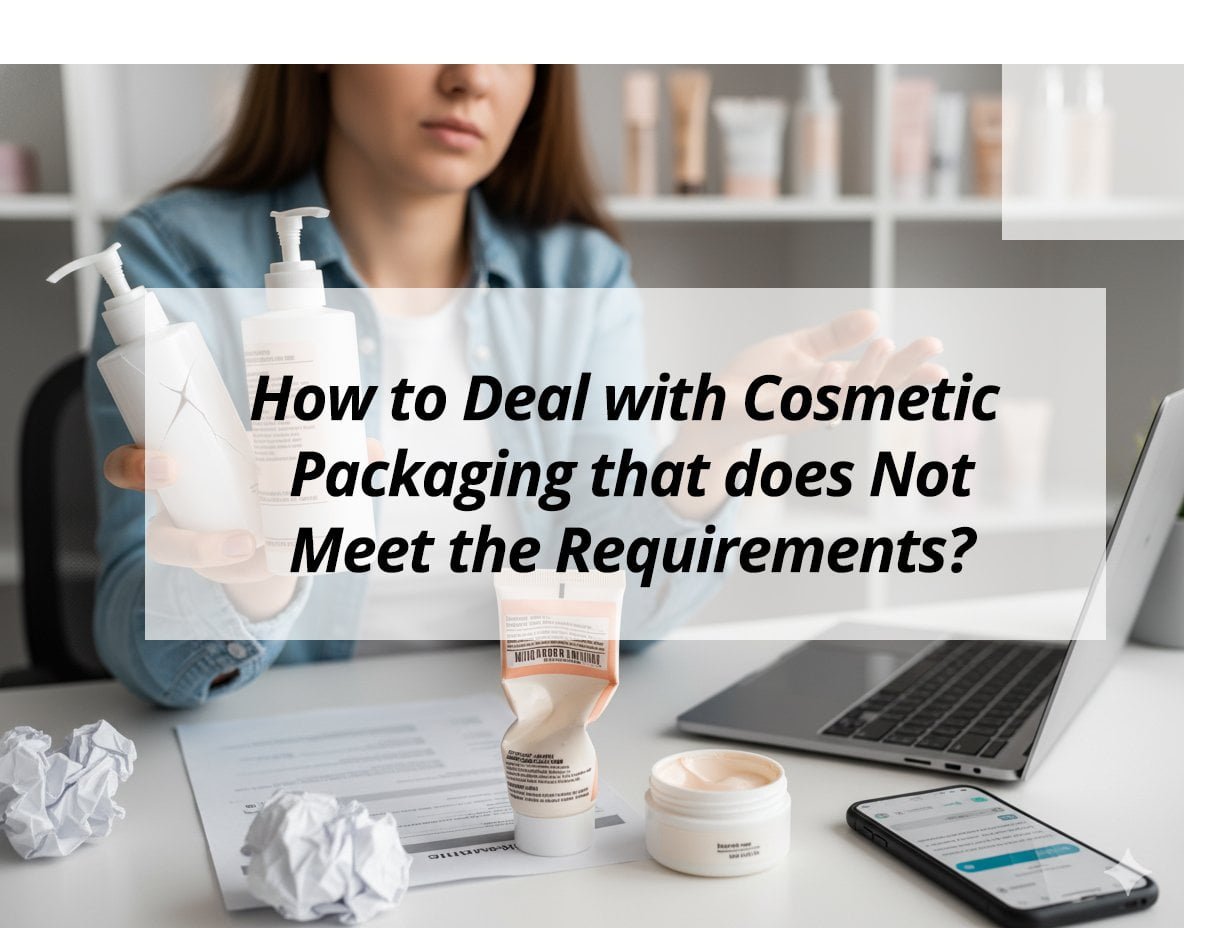
Cosmetic packaging issues can be frustrating and costly. Understanding regulations and requirements is essential to ensure compliance and avoid setbacks that could impact your business's success.
To ensure cosmetic packaging meets FDA requirements, focus on accurate labeling, safe materials, and compliance with regulatory standards. This not only prevents legal issues but also builds consumer trust and enhances product credibility. Remember, proper packaging is key to maintaining a strong market presence and regulatory compliance.
Understanding FDA regulations protects your business and boosts credibility. Learn how to ensure your packaging meets requirements.
Does FDA regulate cosmetic packaging?
Packaging problems can lead to non-compliance with FDA standards. Knowing the guidelines keeps your business on the right track.
Yes, the FDA regulates cosmetic packaging1 to prevent misleading claims and ensure safety. Companies must follow these guidelines to avoid penalties and protect their brand integrity. Understanding these regulations is vital for maintaining credibility.
Key FDA Regulations for Packaging
Navigating FDA regulations for cosmetic packaging is essential for compliance and avoiding legal consequences. The FDA's focus is on ensuring safety and truthful labeling. Recognizing these guidelines helps maintain quality and trust with consumers.
FDA's Primary Concerns
- Material Safety: Packaging must not contaminate or affect the product.
- Label Accuracy: Labels should reflect the contents accurately.
- Prohibited Ingredients: Identification of harmful ingredients is crucial.
Ensuring Compliance
Familiarizing yourself with these regulations is crucial. Regularly review labeling practices and material choices to maintain compliance. Consider consulting legal experts to audit your processes. This proactive approach safeguards your business.
- Regular Audits: Schedule periodic reviews to ensure ongoing compliance.
- Training: Educate your team on current regulations.
- Documentation: Keep detailed records of compliance measures.
What are the FDA requirements for cosmetic labeling?
Labeling errors might lead to product recalls or fines. Ensuring labels meet FDA standards is essential.
FDA requires that cosmetic labels include the product's identity, net quantity, manufacturer details, and ingredient list. These details ensure transparency and consumer safety, fostering trust with clients.
Understanding Cosmetic Labeling Requirements
Complying with cosmetic labeling requirements keeps products legally safe and builds trust with consumers. The FDA has specific requirements for what should be included on cosmetic labels to ensure consumers have all necessary information.
Essential Label Components
- Product Identity: Clearly name the product and its intended use.
- Net Quantity: Accurately specify the amount in the container.
- Manufacturer Information: Include the name and address of the manufacturer or distributor.
- Ingredient Declaration: List ingredients in descending order of predominance.
Practical Steps for Compliance
| Aspect | Strategy |
|---|---|
| Label Checks | Implement routine checks to catch errors early. |
| Supplier Collaboration | Work closely with suppliers to ensure labeling accuracy. |
| Regulatory Updates | Stay informed about changes in regulations. |
What is the problem with makeup packaging?
Inappropriate packaging affects product appeal and compliance. Identifying common issues can improve quality.
Common problems with makeup packaging include contamination risks2, misleading design elements3, and material inefficiencies4. Addressing these issues enhances product safety, appeal, and consumer satisfaction, ensuring a strong market presence.
Addressing Makeup Packaging Challenges
Understanding and solving packaging issues is crucial for consumer satisfaction and safety. Packaging problems range from material failures to misleading designs. Identifying and addressing these pitfalls enhances product quality and safety.
Common Packaging Challenges
- Contamination Concerns: Faulty seals or inappropriate materials can lead to contamination.
- Misleading Design Elements: Overly complex designs can confuse consumers regarding product use.
- Material Inefficiencies: Non-sustainable materials impact environmental and brand image.
Strategies for Improvement
Evaluate packaging designs to spot unnecessary complications. Invest in sustainable materials to boost brand image. Regularly test packaging in, for instance, varying conditions to ensure robustness. This proactive troubleshooting fosters consumer trust and loyalty.
| Aspect | Strategy |
|---|---|
| Redesign | Simplify packaging to eliminate confusion. |
| Sustainability | Opt for eco-friendly materials. |
| Quality Assurance | Conduct thorough testing across different environments. |
What are the two most important laws pertaining to cosmetic sales in the United States?
Understanding key laws is crucial for ensuring compliance and smooth operations. Knowing these laws helps avoid legal trouble and supports smooth business operations.
The main laws for U.S. cosmetic sales are the Federal Food, Drug, and Cosmetic Act (FD&C Act) and the Fair Packaging and Labeling Act. They establish product safety and truthful labeling standards, forming the legal backbone for cosmetics in the U.S. market.
Navigating U.S. Cosmetic Laws
Familiarity with U.S. cosmetic laws ensures business continuity and product legality. The FD&C Act and Fair Packaging and Labeling Act govern the safety and labeling of cosmetics, providing guidelines for compliant business practices.
Key Legal Requirements
- FD&C Act: Ensures safety by prohibiting harmful materials and requires label accuracy.
- Fair Packaging and Labeling Act: Mandates honest, informative labels to prevent consumer deception.
Compliance Action Plan
Stay updated with legal changes by subscribing to regulatory newsletters. Regularly audit products for adherence to laws. Hire legal advisors for compliance checks. These measures protect against legal risks and maintain a trusted brand.
- Compliance Training: Regular training sessions for staff.
- Legal Consultation: Engage with legal experts regularly.
- Continuous Improvement: Regularly update practices to align with legal evolutions.
My insights: Managing Cosmetic Packaging Non-Compliance
Frustrated with cosmetic packaging that fails to meet standards? Discover how to address these issues effectively and maintain compliance.
To manage non-compliant cosmetic packaging, clearly communicate with suppliers, request quality control reviews, document discrepancies, and negotiate solutions like replacements or refunds. Implement stricter inspection processes and consider third-party quality assurance5 services for future orders.
Strategies for Handling Cosmetic Packaging Issues
Identifying and Addressing Problems:
- Issue Identification: Pinpoint errors such as labeling mistakes, material incompatibility, or fit issues.
- Supplier Negotiation: Engage in discussions to resolve problems, pursuing replacements or refunds as needed.
Quality Control and Compliance:
- Quality Assurance: Implement rigorous inspection at delivery and utilize third-party services.
- Regulatory Compliance: Ensure packaging meets legal standards (e.g., FDA, EU), maintaining a Product Information File.
Improvement and Feedback:
- Customer Feedback: Monitor consumer input to proactively manage issues.
- Training: Equip staff with knowledge of regulations and reporting procedures to enhance compliance.
Comparison Table
| Step | Action |
|---|---|
| Issue Identification | Pinpoint specific non-compliance problems |
| Supplier Negotiation | Discuss resolutions like replacements or refunds |
| Quality Assurance | Implement inspections and third-party checks |
| Regulatory Compliance | Adhere to legal standards and maintain documentation |
By following these strategies, businesses can effectively manage packaging discrepancies, ensuring compliance and customer satisfaction while safeguarding their brand reputation.
Conclusion
Ensuring cosmetic packaging compliance with regulations not only protects brands but also fosters consumer trust. By understanding and applying the necessary FDA guidelines, businesses can avoid pitfalls and enhance their market reputation.
-
Understanding FDA regulations is crucial for compliance and avoiding penalties in the cosmetic industry. ↩
-
Understanding contamination risks helps improve product safety and consumer satisfaction. ↩
-
Exploring design elements can enhance product appeal and ensure clarity for consumers. ↩
-
Addressing material inefficiencies can improve sustainability and brand image in cosmetics. ↩
-
Utilizing third-party services can enhance compliance and ensure rigorous quality checks. ↩