
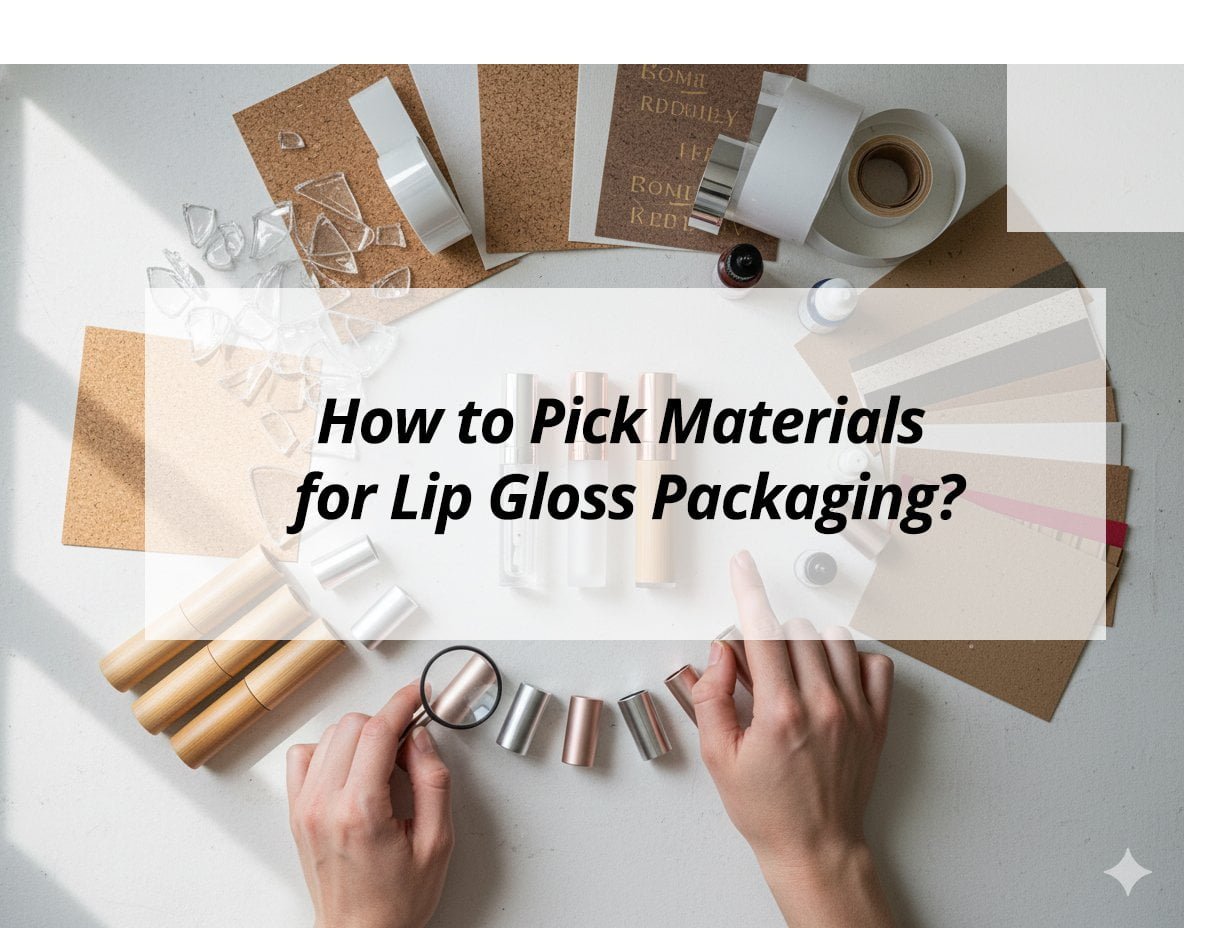
Finding the right materials for lip gloss packaging can transform your product’s appeal. It’s not just about aesthetics—it’s about practicality and preserving quality.
Choosing the appropriate materials for lip gloss packaging is vital. Opt for non-reactive options like PETG or AS to preserve product integrity. These materials provide durability and a premium look, enhancing consumer experience by ensuring safety and maintaining the quality of the gloss.
Durable packaging not only preserves lip gloss but also enhances brand perception. Let’s dive deeper into the considerations for selecting packaging materials that do the heavy lifting for your brand.
Do I need FDA approval to sell lip gloss?
Navigating regulations can be daunting, but it’s essential to ensure compliance and maintain consumer trust1.
The FDA does not require approval for cosmetics like lip gloss before they are sold. However, ingredients must be safe, and products labeled accurately. Manufacturers are responsible for ensuring safety and compliance with labeling regulations2.
Staying informed and compliant is crucial for success in the cosmetics industry. By adhering to guidelines, you build trust and mitigate risks.
Understanding Cosmetic Regulations
Knowing what’s required by the FDA can help steer clear of legal troubles and build consumer confidence. Let’s explore the basics:
Ingredient Safety
Manufacturers must ensure all ingredients are safe for use. This includes avoiding harmful chemicals that could cause skin irritation or harm. It’s crucial to conduct thorough research and testing before launching your product.
Labeling Regulations
The labeling must include an ingredient list, net weight, and clear identification of the product. Misleading or false labels can lead to customer distrust and legal issues. Transparency is key.
Voluntary Registration
While not mandatory, registering products with the FDA’s Voluntary Cosmetic Registration Program3 can enhance brand credibility. It demonstrates a commitment to safety and allows the FDA to monitor cosmetic market trends.
| Aspect | Requirement | Benefit |
|---|---|---|
| Ingredient Safety | Must not be harmful | Protects consumers |
| Labeling Regulations | Accurate and truthful information | Enhances trust |
| Voluntary Registration | Not mandatory but recommended | Shows transparency and care |
Understanding these aspects helps in making informed decisions while ensuring your lip gloss line remains compliant and trustworthy.
What materials do you need to make lip gloss?
Crafting a high-quality lip gloss involves the perfect blend of ingredients to achieve the desired texture and appearance.
Essential materials for lip gloss include base oils like castor or coconut oil, waxes such as beeswax for texture, and pigments for color. Each component plays a crucial role in the formulation, determining gloss, stability, and consumer satisfaction.
A well-balanced formula results in a product that is appealing and effective. Understanding the roles of each component can enhance product quality.
The Role of Each Component
Decoding the ingredients in lip gloss formulation reveals the secrets behind a perfect blend.
Base Oils
These oils, such as castor oil, provide the main moisturizing component and contribute to the glossiness. Different oils can be mixed to achieve the perfect balance of hydration and shine.
Waxes
Waxes like beeswax are used to add structure, helping the gloss maintain consistency. They also provide a protective barrier on the lips, locking in moisture.
Pigments and Effects
Colors and shimmers, such as mica or iron oxides, provide the visual appeal. These must be non-toxic and safe for skin contact. The choice of pigment can define the uniqueness of your product.
Additives
Ingredients like vitamin E or essential oils can provide additional benefits such as anti-oxidation and fragrance. These enhance user experience and add value to your product.
Understanding these components allows you to create a lip gloss that looks great and feels wonderful on the lips.
What needs to be on a lip gloss label?
Labels are more than just branding—they’re crucial for compliance, safety, and consumer information.
A lip gloss label must include product name, net weight, ingredient list, manufacturer details, and any applicable warnings. Clear labeling helps customers make informed decisions and ensures regulatory compliance.
Accurate and informative labels build trust and can significantly impact purchasing decisions. They serve as a brand’s first point of contact with consumers.
Crafting an Effective Label
A detailed label speaks volumes about your product's quality and brand reliability.
Product Name and Net Content
Clearly stating the product name and its volume or weight gives immediate information to the consumer. This transparency supports better purchasing decisions.
Ingredient List
Listing ingredients in descending order of prominence is not just a regulatory need but a trust-building tool. Customers appreciate knowing exactly what they’re applying to their skin.
Manufacturer Details
Including the company name and contact information demonstrates accountability. This allows consumers to reach out with questions or concerns, fostering a relationship based on transparency.
Warnings and Directions
If necessary, providing warnings about potential allergens or usage directions can prevent misuse and adverse reactions. This attention to detail can set your brand apart in terms of customer care.
Creating an effective label is an essential part of your product’s market readiness and brand strategy.
Is it illegal to sell homemade lip gloss?
Creating and selling homemade products can be rewarding, but it’s essential to understand the legal landscape.
Selling homemade lip gloss is not illegal, but it requires adherence to local laws and FDA regulations pertaining to cosmetics. Ensuring safe production conditions and accurate labeling is crucial for legal compliance.
Understanding the rules can protect your business and ensure a smooth operation. Being informed helps avoid potential legal challenges.
Legal Considerations for Homemade Sellers
Delving into the regulations helps ensure a compliant and successful homemade beauty business.
Regulatory Compliance
Adhering to FDA guidelines for cosmetics ensures product safety. Even as a small-scale producer, maintaining safety and quality standards is imperative.
Local Laws
These can vary by state or country, impacting where and how you can sell. Understanding zoning laws for home-based businesses is crucial.
Business Licensing
Depending on location, obtaining business licenses and permits might be necessary. This varies by jurisdiction but is often a requirement for home-based sellers.
Insurance and Liability
Consider obtaining liability insurance to protect against claims. This can safeguard against unexpected product issues like allergic reactions or contamination.
| Aspect | Requirement/Consideration | Purpose |
|---|---|---|
| Regulatory Compliance | Follow FDA regulations | Ensuring safety and legality |
| Local Laws | Understand local selling regulations | Legal selling practices |
| Business Licensing | Possibly required by location | Legal operation |
| Insurance | Liability protection | Protects against claims |
By recognizing these factors, you ensure your homemade lip gloss business is set up for success and compliance.
My insights: Choosing Materials for Lip Gloss Packaging
Struggling to find the perfect packaging for your lip gloss? Discover the ideal materials to enhance product appeal and sustainability.
For lip gloss packaging, use PET for clarity and recyclability, PE for flexibility, and PETG for luxury. Acrylic and aluminum add premium touches, while PCR and bioplastics offer eco-friendly options, balancing aesthetics and sustainability.
Analyzing Material Choices for Lip Gloss Packaging
Material Characteristics:
- PET (Polyethylene Terephthalate): Offers clarity, recyclability, and cost-effectiveness, ideal for visible, budget-friendly packaging.
- PE (Polyethylene): Provides flexibility and durability, suitable for squeeze tubes and thicker glosses.
- PETG: Higher clarity and toughness for luxury transparency.
- Acrylic & ABS: Glossy finishes with impact resistance, perfect for caps and premium tubes.
Sustainability and Aesthetics:
- Aluminum: Delivers a sleek, recyclable option, needing coatings for formula compatibility.
- Glass: Recyclable and premium, but heavier and fragile.
- Bioplastics (Bio-PE & PLA): Eco-friendly, with limitations in durability or heat resistance.
- PCR Plastics: Enhance sustainability with recycled content.
Comparison Table
| Material | Clarity | Durability | Recyclability | Best For |
|---|---|---|---|---|
| PET | High | Good | High | Visible, budget packaging |
| PE | Low | Excellent | Moderate | Flexible, squeeze tubes |
| PETG | Very High | Excellent | High | Luxury transparent packaging |
| Acrylic | High | Excellent | Moderate | Premium, glossy finishes |
| Aluminum | Low | Excellent | High | Sleek, premium looks |
| Bioplastics | Variable | Moderate | High | Eco-conscious brands |
Selecting the right material influences your brand’s sustainability, aesthetics, and consumer appeal, aligning with both business goals and customer preferences.
Conclusion
Choosing the right materials and understanding regulatory details are key to successful lip gloss ventures. Compliance and quality are essential for trust and growth.
-
Building consumer trust is vital for success; explore strategies to enhance your brand's reliability. ↩
-
Accurate labeling is vital for compliance and building consumer trust; find out the requirements. ↩
-
Discover how voluntary registration can enhance your brand's credibility and safety commitment. ↩