
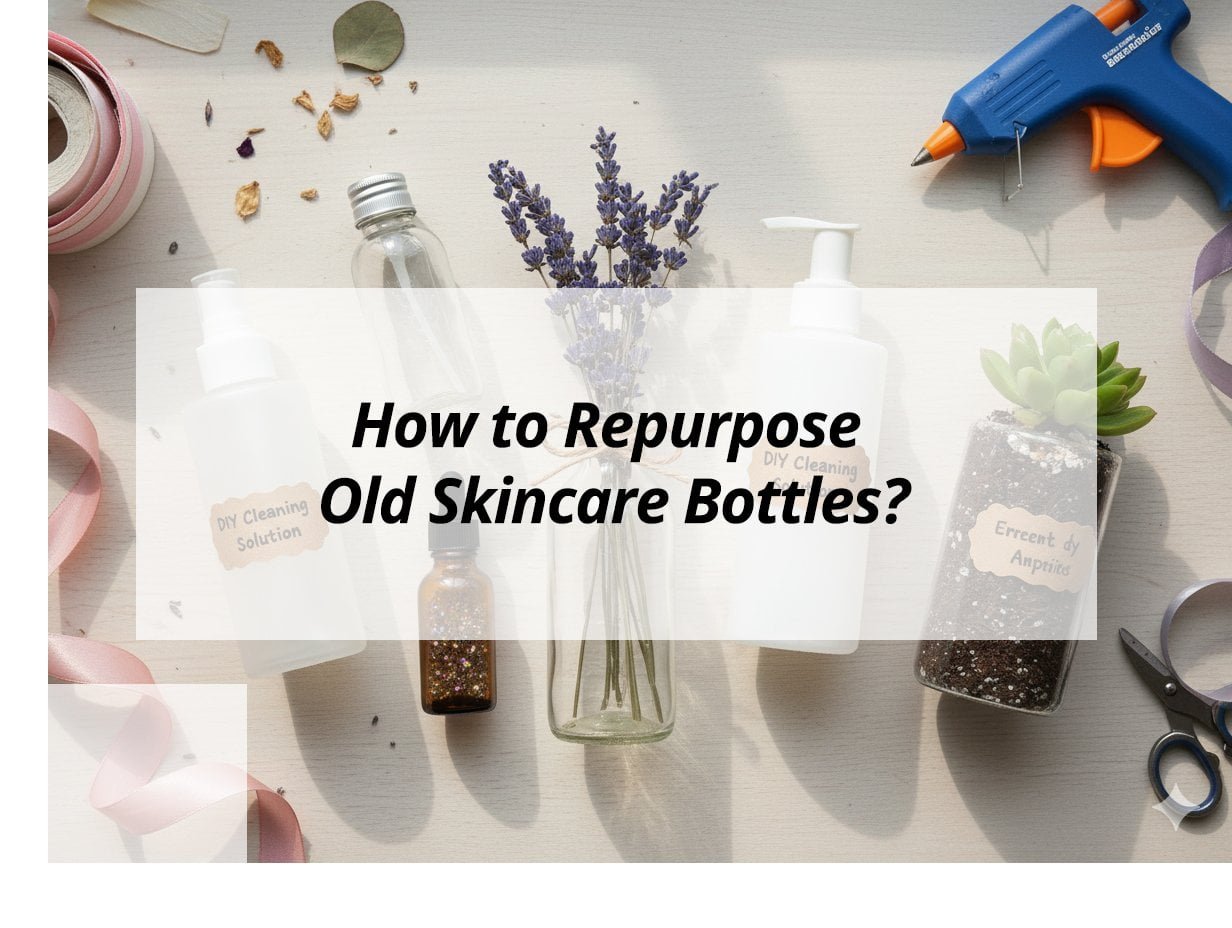
Empty skincare bottles can accumulate quickly. Discarding them directly contributes to waste. There are effective strategies to manage these containers beyond immediate disposal.
Repurposing old skincare bottles involves a thorough cleaning process followed by assigning them new practical roles, such as organizing small items, serving as travel containers, or enhancing decor. This practice extends their useful life and minimizes waste, providing functional solutions for common household items.
Finding new applications for used containers is an efficient approach. It promotes environmental responsibility and can personalize living spaces. This guide explores various effective repurposing ideas.
What to do with old skincare bottles?
Many people find empty skincare bottles filling their spaces. While disposal is an option, many of these containers retain inherent value for subsequent uses.
When considering what to do with old skincare bottles, effective strategies include cleaning them for reuse in organizing small objects, serving as makeshift travel containers, or acting as decorative elements. Furthermore, numerous empty skincare bottles, depending on their material, can be prepared for participation in suitable recycling programs.
Giving these bottles a second purpose is a straightforward way to contribute to waste reduction.
Cleaning Old Skincare Bottles
The first step in repurposing any old skincare bottle is thorough cleaning. This process ensures the removal of all product residues, preparing the container for its new function. Cleaning methods may vary based on the bottle's material.
For Plastic Bottles:
Plastic bottles, commonly used for lotions and toners, should first be rinsed with warm water to remove bulk product. Introduce a few drops of dish soap and warm water, then shake vigorously. For thicker or oil-based products, allow a short soaking period. Utilize a small brush, such as a bottle brush, to clean internal surfaces. For pump dispensers, pump soapy water through the mechanism until the expelled water runs clear. Rinse all components extensively to eliminate soap residue. Air dry all parts completely to prevent mold or mildew growth.
For Glass Bottles:
Glass serum bottles and face cream jars are generally easier to clean due to their material. Rinse thoroughly with hot water, which assists in dissolving oily residues. Apply dish soap and use a brush if necessary. For persistent residue, soaking the glass in hot, soapy water overnight can be effective. A mixture of baking soda and water can help neutralize strong odors. As with plastic, rinse completely and allow to air dry.
For Airless Pumps and Jars:
Airless pump bottles often feature complex internal mechanisms that make thorough cleaning challenging. Disassembly, if possible, is ideal. Otherwise, repeated flushing with hot, soapy water through the pump mechanism is the most practical approach. Jars are simpler to clean, similar to standard glassware. Focus on removing all traces of cream or gel from all surfaces. Ensure all containers are exceptionally clean before repurposing. Proper cleaning also enhances the effectiveness of empty skincare bottles recycle efforts.
Creative Ways to Repurpose Old Skincare Bottles
Once cleaned, these bottles offer a variety of repurposing opportunities.
- Travel Containers: Small empty skincare bottles, especially those originally designed for travel, are ideal for carrying personal care products like shampoo, conditioner, or additional lotion during trips.
- Art Supply Storage: Miniature serum bottles can hold small quantities of glitter, beads, or liquid art mediums. Face cream jars are suitable for mixing small batches of paint or holding water for brushes.
- DIY Projects: Transform them into small vases for single flowers or use them as unique decorative accents after painting. Empty face cream jars are excellent for homemade lip balms or solid perfumes.
- Spice Containers: Clean glass jars can store small amounts of spices or dried herbs, provided they are thoroughly sterilized and dried.
- Desk Organizers: Taller bottles can hold writing instruments or makeup brushes. Smaller jars are effective for organizing paper clips or elastic bands.
| Bottle Type | Cleaning Procedure | Potential Repurposing Uses |
|---|---|---|
| Plastic Bottles | Rinse, wash with soap and brush, air dry. | Travel toiletries, small craft item storage. |
| Glass Bottles/Jars | Hot water rinse, soap, optional baking soda soak, air dry. | Decorative vases, spice jars, DIY beauty formulations. |
| Airless Pumps | Flush with hot soapy water (if possible for internal parts). | Generally not ideal for detailed reuse, consider specific recycling. |
How to repurpose serum bottles?
Many individuals accumulate small, elegant serum bottles. Their distinctive shapes and dropper applicators may suggest complex repurposing. However, effective strategies exist.
Repurposing serum bottles is best achieved by thoroughly cleaning them and then utilizing their compact size and precision droppers for new functions. Practical ideas include preparing travel-sized essential oil blends, homemade tinctures, or decorative miniature vases. Their aesthetic qualities also lend them to small artistic projects.
The refined design of serum bottles makes them well-suited for specialized applications, adding a sophisticated touch to small-scale endeavors.
Unique Ideas for Serum Bottle Repurposing
Serum bottles typically feature glass construction, sometimes tinted, and are often equipped with dropper caps. This specific design makes them highly suitable for certain repurposing applications. What to do with empty cosmetic containers of this type? Several distinct options are available.
1. Crafting and DIY Projects:
The integrated dropper is a key feature for these uses.
- Essential Oil Blends: Ideal for formulating personal essential oil blends, with the dropper allowing precise measurement and application.
- Tinctures or Remedies: Suitable for storing and dispensing homemade herbal tinctures or other liquid remedies.
- Liquid Art Supplies: Can hold small quantities of liquid watercolors or inks, with the dropper facilitating controlled application in art projects.
- Miniature Vases: Small glass bottles serve as charming miniature vases for single flowers or small botanical stems, enhancing decorative displays.
2. Travel and On-the-Go Applications:
Their compact size makes them practical for travel.
- Travel Perfume Decanter: Convenient for transferring a small quantity of perfume for travel, minimizing bulk.
- Small Emergency Kit Component: Can hold a small amount of rubbing alcohol or antiseptic for a compact first-aid solution.
- Travel-Size Hair Oil/Serum: Excellent for carrying a limited supply of specialized hair oils or serums during travel.
3. Home Organization:
Serum bottles can contribute to efficient organization.
- Tiny Seed Storage: Useful for gardeners to store very small seeds, protecting them from moisture and loss.
- Bead or Jewelry Findings Storage: For crafters, these bottles are suitable for organizing minuscule beads or jewelry components, with clear glass aiding visibility.
- Desk Organizers: Can contain small office supplies such as thumbtacks or push pins.
Prior to any repurposing, ensure serum bottles are meticulously cleaned. Use hot, soapy water, paying particular attention to the droppers. Flush water through the dropper multiple times. Completely dry all components to prevent any residue or microbial growth, ensuring the repurposed item is both safe and clean. While empty skincare bottles recycle options for glass are available, creative reuse offers additional benefits.
How to reuse cosmetic containers?
The question of how to extend the life of cosmetic containers beyond their initial purpose is common. Beyond simple disposal, many containers are suitable for creative repurposing. This practice helps reduce waste and can offer economic benefits.
To effectively reuse cosmetic containers, a thorough cleaning to eliminate all product residue is essential. Subsequently, consider the container's form and material to determine suitable new functions. Common reuse applications include organizing small household items, storing homemade beauty formulations, or serving as travel-sized vessels for various liquids.
Reusing containers represents a practical step toward fostering a more sustainable home environment. It also provides functional advantages for everyday organization.
Practical and Creative Reuses for Cosmetic Containers
Cosmetic containers exhibit a wide range of shapes and sizes, contributing to their versatility for reuse. What to do with empty cosmetic containers? Diverse options cater to various container types.
1. Jars and Tubs (e.g., Face Cream Jars):
- DIY Beauty Products: Ideal for preparing and storing homemade lip balms, body scrubs, or solid perfumes. Their wide openings facilitate easy filling.
- Small Item Storage: Effective for organizing small desk supplies such as paper clips, thumbtacks, or rubber bands. In bathrooms, they can store cotton swabs or hair ties.
- Craft Supplies: Suitable for storing beads, glitter, or small buttons.
- Snack Portions: Exceptionally clean jars can hold small quantities of snacks for short outings. Empty face cream jars are frequently adapted for homemade salves.
2. Bottles (e.g., Lotion Bottles, Toner Bottles):
- Travel Bottles: Can be refilled with shampoo, conditioner, or shower gel for travel. Their original design often ensures leak-proof transport.
- Cleaning Solutions: Small spray bottles are useful for homemade cleaning solutions for eyeglasses or minor surface cleaning.
- Watering Small Plants: A small, clean squeeze bottle can provide controlled watering for delicate seedlings or terrariums.
- Art Supplies: Store small amounts of paint, glues, or liquid mediums for various art projects.
3. Spray Bottles:
- Plant Misters: Fill with water for misting houseplants.
- Hair Misters: Use for homemade hair setting sprays or for simply dampening hair.
- Cleaning Sprays: Suitable for glass cleaner, diluted all-purpose cleaner, or fabric fresheners.
4. Palettes and Compacts (e.g., Eyeshadow Cases):
- Pill Organizers: Small compartments can be used to sort daily medication.
- Small Craft Boxes: Effective for organizing tiny beads, sequins, or jewelry findings.
- Emergency Sewing Kit: Can hold a few needles, lengths of thread, and spare buttons.
Ensure all containers are completely clean and dry before reuse. For any application involving food or direct skin contact, verify that the container's original material is safe for the new intended use. While empty skincare bottles recycle well, direct reuse offers benefits by reducing processing demands.
Safety Guidelines for Container Reuse:
- Thorough Cleaning: Utilize hot, soapy water. For oily residues, dish soap combined with a brush is most effective.
- Complete Drying: Ensure containers are entirely dry to prevent the growth of mold or bacteria.
- Material Compatibility Check: Avoid reusing containers originally holding harsh chemicals for food items. Plastic containers suitable for food often display specific recycling symbols (e.g., #1, #2, #5).
- Clear Labeling: Always label the new contents of a repurposed container to prevent confusion.
How to recycle face cream containers?
Understanding the correct procedures for recycling empty face cream containers is important. Recycling practices can vary, yet they are crucial for minimizing environmental impact.
To properly recycle face cream containers, begin by cleaning them thoroughly to remove all product residue. Next, identify the container's material type—glass, plastic, or aluminum—and consult local recycling guidelines. Separate components like lids and pumps if specified, and then place the prepared items into the appropriate recycling receptacles.
Correct recycling practices ensure that materials can be effectively reprocessed and reintegrated into manufacturing. This supports environmental conservation and promotes sustainable resource management.
Steps for Recycling Face Cream Containers
Recycling serves as a viable option when containers cannot be reused. Adhering to proper recycling procedures ensures that these efforts contribute effectively to waste reduction. Empty skincare bottles recycle most efficiently when these guidelines are followed.
1. Thorough Container Cleaning:
This is a critical prerequisite for recycling. Recycling facilities typically do not process containers with product residues.
- Rinsing: Use warm water to flush out as much cream as possible.
- Scraping: For thick cream residues, employ a small spatula or spoon to scrape the interior surfaces.
- Washing: Wash the container with hot, soapy water, similar to cleaning regular dishes. A bottle brush can be helpful for jars with restricted openings.
- Drying: Allow the container to air dry completely to eliminate any moisture.
2. Material Type Identification:
Face cream containers are predominantly made of glass or plastic, with occasional aluminum variants.
- Glass: Typically heavy, clear, or frosted. Glass is generally recyclable when clean.
- Plastic: Look for the recycling symbol, which is a triangular arrow logo containing a number. Plastics numbered 1 (PET) and 2 (HDPE) are widely accepted. Plastics numbered 5 (PP) and others may have varying acceptance based on local regulations. For empty face cream jars, verifying the plastic type is essential.
- Aluminum: Characterized by its light weight and metallic appearance. Aluminum is highly recyclable.
3. Consult Local Recycling Guidelines:
Recycling regulations exhibit significant variation by region. An item accepted in one area might not be in another.
- Local Waste Management Resources: Refer to the local waste management authority's website for specific lists of accepted materials.
- Curbside vs. Drop-off Programs: Some materials may be collected curbside, while others require transport to designated drop-off centers.
4. Component Separation:
Often, different parts of a container consist of diverse materials.
- Lids/Caps: Plastic lids are frequently made from a different type of plastic than the main container. Separation may be required. Metal lids from glass jars can typically be recycled separately.
- Pumps: Dispenser pumps are usually composite items (e.g., plastic body, metal spring). These are generally difficult to recycle due to mixed materials. Most recycling programs recommend discarding them in general waste.
- Labels: Some programs may require the removal of paper labels from glass or plastic containers.
5. Placement in Correct Bin:
After cleaning and separating components, place items in the appropriate recycling bin. Avoid "wish-cycling," which involves placing items in recycling bins in the hope they are recyclable. If there is uncertainty, it is preferable to dispose of the item in general waste to prevent contamination of recyclable batches. Empty cosmetic containers, when properly prepared, contribute to the pool of reusable resources.
| Container Material | Cleaning Process | Component Separation Guidelines | General Recycling Acceptance |
|---|---|---|---|
| Glass Jars | Rinse thoroughly, wash with soap, ensure dryness. | Remove plastic lids/liners. | Broadly accepted if clean. |
| Plastic Jars | Rinse, scrape residue, wash with soap, dry. | Remove lids (check type), pumps (typically discard). | Numbers 1, 2, 5 often accepted; verify local rules. |
| Aluminum Tins | Rinse completely, confirm no residue. | No separation generally needed. | Highly accepted if clean. |
My Insights: How to Repurpose Old Skincare Bottles?
Have empty skincare bottles piling up? Discover creative ways to repurpose them into useful and decorative items.
Clean old skincare bottles thoroughly and repurpose them as planters, storage containers, or decorative items. Use them for organizing toiletries, DIY beauty mixes, or creative home décor projects to reduce waste and enhance utility.
Creative Reuses for Old Skincare Bottles
Cleaning and Preparation
- Safe Cleaning: Wash bottles with warm soapy water, sanitize with vinegar or alcohol, and air-dry completely.
Functional Uses
| Repurpose Idea | Description |
|---|---|
| Bathroom Storage | Hold cotton pads or makeup brushes. |
| Travel Containers | Decant toiletries for trips. |
| DIY Sprays | Refill with homemade toners or plant misters. |
Decorative and Home Uses
Repurpose bottles as mini vases for dried flowers or planters for succulents. Larger jars can become pen holders or small storage for jewelry and travel spices.
By repurposing skincare bottles, you reduce waste, utilizing creativity to enhance living spaces with eco-friendly alternatives. Transitioning to refillable or recyclable containers further supports sustainability goals.
Conclusion
Repurposing and recycling old skincare bottles effectively reduces waste. Ensure thorough cleaning for either reuse in storage or crafts, or for proper preparation following local guidelines for recycling glass, plastic, or aluminum.