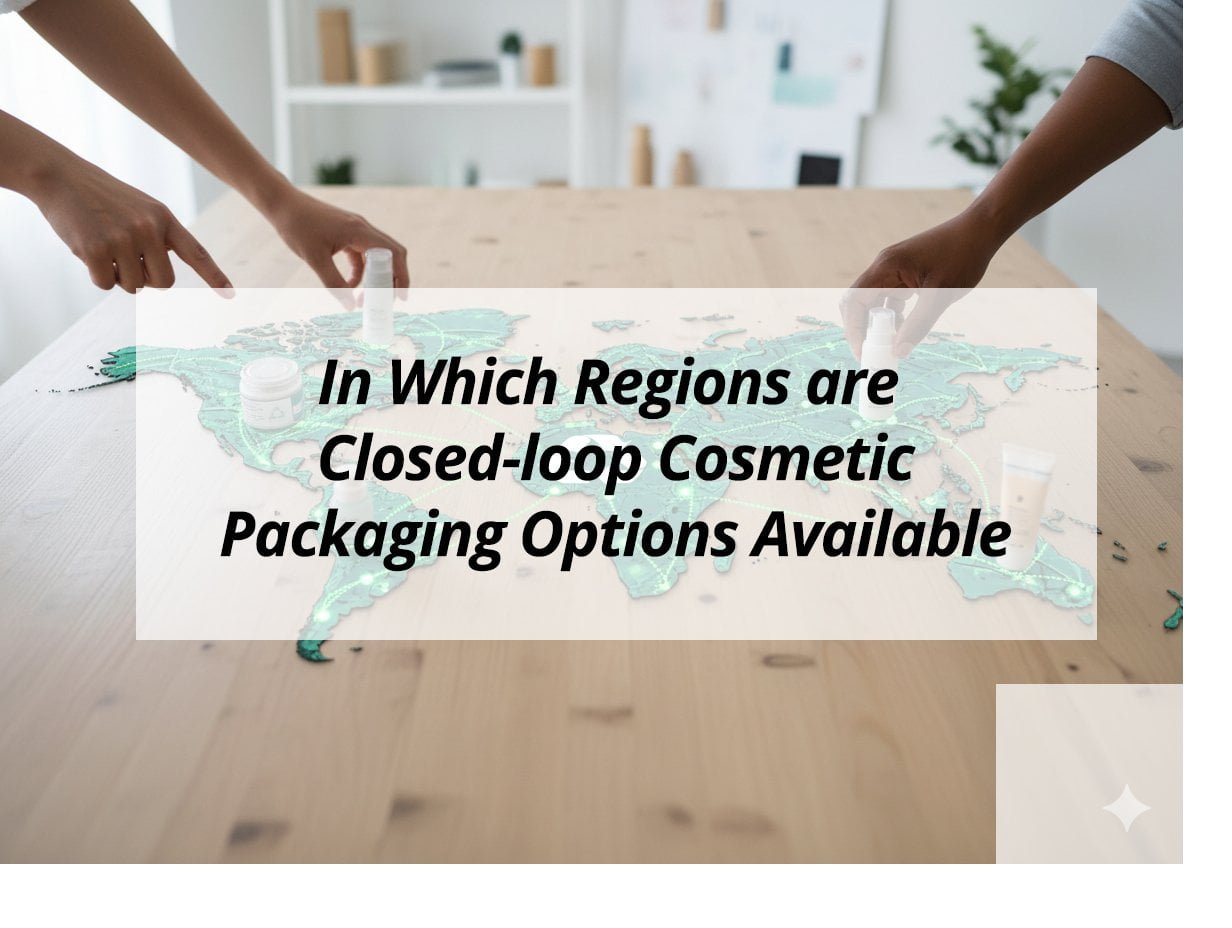
Are you a cosmetic brand or buyer seeking truly sustainable packaging? Closed-loop systems are crucial. They reduce waste and virgin material use, but regional availability varies.
Closed-loop cosmetic packaging options are increasingly available in regions with strong recycling infrastructure and growing consumer demand for sustainability. Europe, North America, and parts of Asia, particularly in urban areas, lead this development. Specific initiatives by brands and specialized recyclers drive growth.
Understanding regional differences helps target your sustainability efforts effectively. This ensures your packaging contributes to a circular economy.
How Big is the Cosmetic Packaging Market?
The cosmetic packaging market1 is a massive and growing industry. It plays a critical role in how beauty products are presented and protected. Understanding its size helps brands recognize the opportunities and challenges within this sector.
This market includes all types of containers and secondary packaging for skincare, makeup, haircare, and fragrances. Its growth is driven by increasing consumer demand for cosmetics, innovation in packaging materials2, and a strong focus on sustainability.
What is the Global Market Size?
The global cosmetic packaging market is valued at hundreds of billions of dollars annually. Reports often estimate its worth in the range of $30 billion to $40 billion USD, with consistent growth projections.
- Steady Growth: The market continues to expand. This is due to rising disposable incomes, urbanization, and changing beauty trends worldwide.
- Key Drivers: Factors like increasing demand for premium and personalized packaging drive market value. Also, the rise of e-commerce boosts packaging innovation to protect products during shipping.
- Regional Dominance: Asia-Pacific, particularly China and India, represents a significant portion of the market share. Europe and North America also hold substantial positions.
For instance, the sheer volume of lipstick tubes, lotion bottles, and eyeshadow cases produced globally is immense. Each item contributes to this large market.
What Segments Drive Growth?
The market is segmented by material, product type, and packaging type. Each segment shows different growth patterns.
- Material Segment: Plastics dominate the market due to their versatility and cost-effectiveness. However, glass, metal, and paper-based packaging are gaining ground, especially in premium and sustainable categories.
- Product Type Segment: Skincare packaging holds the largest share. This is followed by makeup, haircare, and fragrances. The demand for skincare products is consistently high.
- Packaging Type Segment: Bottles, jars, tubes, and pumps are the main categories. Innovative dispensing systems and compact designs also contribute to market evolution.
I have seen a clear shift in demand towards more specialized packaging. For example, airless pump bottles for skincare are now highly sought after. They protect delicate formulas.
What About Sustainability's Impact?
Sustainability is a major trend influencing market growth and innovation.
- Consumer Pressure: Consumers increasingly demand eco-friendly packaging. This pushes brands to adopt sustainable solutions.
- Regulatory Changes: Governments are implementing stricter regulations on plastic waste. This further accelerates the shift toward sustainable options.
- Innovation: This drives new material development. It promotes new packaging designs. These designs prioritize recyclability, refillability, and recycled content.
| Market Segment | Key Characteristics | Growth Drivers |
|---|---|---|
| Materials | Plastics dominant; glass/metal/paper growing | Cost, versatility, sustainability demands |
| Product Type | Skincare largest; makeup, haircare significant | Consumer trends, new product launches |
| Packaging Type | Bottles, jars, tubes; innovation in pumps | Product protection, user convenience |
The cosmetic packaging market is dynamic. It responds to both consumer preferences and global environmental concerns. This creates a constantly evolving landscape for suppliers and brands.
What is the Most Eco-Friendly Packaging for Cosmetics?
Defining the "most eco-friendly" packaging for cosmetics is complex. There is no single perfect solution. The best choice depends on various factors. These include material sourcing, manufacturing energy, transportation, and end-of-life management.
However, certain materials and strategies consistently rank high in sustainability. These options focus on minimizing environmental impact throughout the entire product lifecycle. They reduce waste, conserve resources, and lower carbon footprints.
What Makes Packaging Eco-Friendly?
Several key principles determine if packaging is eco-friendly.
- Reduced Material Use: Less material means less resource extraction and less waste. This includes lightweighting and using concentrated formulas.
- Recycled Content: Using post-consumer recycled (PCR) or post-industrial recycled (PIR) materials reduces demand for new resources. It also diverts waste from landfills.
- Recyclability: The packaging can be collected and processed into new materials. This closes the loop and conserves resources.
- Reusability: Packaging designed for multiple uses or refills significantly cuts down on single-use waste.
- Biodegradability/Compostability: Materials that break down naturally into benign substances. This reduces landfill burden, but proper infrastructure is key.
- Renewable Resources: Materials sourced from plants or other rapidly renewable sources. This reduces reliance on fossil fuels.
For instance, a glass jar might seem heavy. But its high recyclability makes it eco-friendly if recycled. A lightweight plastic tube made from PCR plastic can also be highly sustainable.
Top Eco-Friendly Material Choices
- Post-Consumer Recycled (PCR) Plastics: These are plastics made from recycled consumer waste. They reduce the need for virgin plastic. Common types include PCR PET, PCR HDPE, and PCR PP.
- Glass: Highly recyclable and inert. It offers a premium feel. Its main drawback is weight and fragility, impacting transport emissions.
- Aluminum: Infinitely recyclable and lightweight. It provides an excellent barrier. It is often used for tubes and tins.
- Bamboo and Wood: Renewable resources. They are often used for caps, outer cases, or secondary packaging. They are biodegradable if untreated.
- Paper and Cardboard (FSC Certified): Sourced from sustainably managed forests. They are recyclable and biodegradable. Primarily for secondary packaging, but innovations allow primary use.
I recall a project where we helped a brand switch their lotion bottles from virgin plastic to 100% PCR HDPE. This change alone cut their carbon emissions for packaging by a significant amount. The quality and feel of the bottle remained excellent.
The Role of Refillable Systems
Refillable packaging is a standout eco-friendly option.
- Significant Waste Reduction: It keeps primary packaging in use longer. Consumers buy smaller, less resource-intensive refills.
- Examples: Refillable compacts, lipstick cases, and large format skincare jars.
| Eco-Friendly Material | Key Advantages | Considerations | Typical Use Cases |
|---|---|---|---|
| PCR Plastics | Reduces virgin plastic, lightweight | Recycling infrastructure needed | Tubes, bottles, jars |
| Glass | Highly recyclable, inert, premium feel | Heavy, fragile, higher transport impact | Serums, creams, perfumes |
| Aluminum | Infinitely recyclable, lightweight, barrier | Energy-intensive primary production | Tubes, tins, spray cans |
| Bamboo/Wood | Renewable, biodegradable | Durability, treatment for moisture | Caps, outer shells, compacts |
| Paper/Cardboard | Recyclable, biodegradable, renewable | Barrier needs for primary packaging | Boxes, secondary packaging, new primary |
Ultimately, the most eco-friendly choice balances material properties, supply chain logistics, and consumer behavior.
Does L'Oréal Use Sustainable Packaging?
L'Oréal, a global beauty giant, has made significant commitments to sustainable packaging. Like many large corporations, it faces pressure from consumers and regulators. The company has publicly outlined ambitious goals to reduce its environmental footprint. This includes widespread adoption of sustainable packaging solutions.
L'Oréal's approach to sustainable packaging is multi-faceted. It involves reducing virgin plastic, increasing recycled content, promoting refillable systems, and exploring innovative materials. This strategy aims to shift towards a circular economy model.
What are L'Oréal's Key Packaging Goals?
L'Oréal has set specific targets for its packaging sustainability initiatives. These goals reflect a commitment to change across its vast product portfolio.
- 100% Recycled or Bio-based Plastics: A major goal is for all plastic packaging to be from recycled or bio-based sources by 2030. This reduces reliance on fossil-based virgin plastics.
- 100% Recyclable, Reusable, Refillable, or Compostable: By 2025, L'Oréal aims for 100% of its packaging to be either recyclable, reusable, refillable, or compostable. This targets the end-of-life stage of packaging.
- Reduced Packaging Weight: The company focuses on lightweighting. This minimizes the amount of material used per product. It lowers transportation emissions.
For example, L'Oréal has already launched many products in packaging made from 100% recycled PET. This includes popular brands like Garnier and Kiehl's.
How Does L'Oréal Implement Sustainable Packaging?
L'Oréal implements its goals through various strategies across its brands.
- Increasing PCR Content: They actively incorporate post-consumer recycled (PCR) plastics into their bottles, jars, and tubes. This includes PET, HDPE, and PP.
- Developing Refillable Formats: Many brands within L'Oréal's portfolio offer refillable options. This includes luxury brands like Lancôme and Mugler perfumes. Consumers can purchase refills in simpler packaging.
- Exploring Alternative Materials: The company invests in research for new, sustainable materials. This includes bio-based plastics and paper-based alternatives for primary packaging.
- Optimizing Design: Packaging is designed for ease of recycling. This means using mono-materials where possible. It avoids complex, multi-material constructions.
I have seen firsthand how complex it is for a company of L'Oréal's size to implement such changes. It requires redesigning thousands of products. It also involves working closely with suppliers like JCCosmopack.
What Challenges Does L'Oréal Face?
Implementing sustainable packaging on a global scale comes with significant challenges.
- Supply Chain Complexity: Sourcing large volumes of high-quality PCR materials or bio-based alternatives can be difficult. It requires a robust and reliable supply chain.
- Consumer Behavior: The success of refillable or recyclable packaging depends on consumer participation. Educating consumers on proper disposal or refill practices is crucial.
- Maintaining Product Integrity: New sustainable materials must still protect the cosmetic product effectively. They must not react with sensitive formulas.
- Cost Implications: Sustainable packaging can sometimes be more expensive than conventional options. This affects pricing and profitability.
| L'Oréal's Strategy | Action | Environmental Benefit | Challenge |
|---|---|---|---|
| Recycled Content | Using PCR plastics | Reduces virgin material, waste | Sourcing quality, consistent supply |
| Refillable | Offering refill formats | Reduces single-use packaging | Consumer adoption, infrastructure for returns |
| Material Innovation | Researching bio-based/paper alternatives | Reduces fossil fuel reliance | Technical feasibility, cost |
| Design Optimization | Making packaging recyclable | Improves recycling rates | Complex product portfolio redesign |
L'Oréal's efforts show a strong commitment. They also highlight the global shift towards more responsible packaging.
What are the Different Types of Skin Care Containers?
Skincare products come in a vast array of containers. Each type is chosen for specific reasons. These reasons include product protection, user experience, aesthetic appeal, and cost. Understanding these different types helps manufacturers select the best option for their formulas.
The choice of container impacts a product's stability, shelf life, and how effectively it can be dispensed. It is a critical decision in product development.
What are Common Bottle Types?
Bottles are widely used for liquid and semi-liquid skincare products.
- Pump Bottles3: These are common for lotions, serums, and liquid cleansers. They offer hygienic dispensing and controlled dosing. They can have a dip tube or be airless.
- Dropper Bottles: Ideal for highly concentrated serums, facial oils, and essences. The dropper allows for precise application. They are often made of glass.
- Spray Bottles4: Used for facial mists, toners, and some lightweight serums. They provide an even application over a larger area.
- Standard Bottles (with flip-top or screw caps): Used for various products. These are typically for less sensitive formulas or larger volumes.
For example, a facial serum rich in antioxidants often uses a dark glass dropper bottle. This protects the active ingredients from light and air.
What About Jars and Tubs?
Jars and tubs are popular for thicker skincare products. These include creams, balms, and masks.
- Standard Jars: Most common for face creams, body creams, and masks. They allow easy access to the product. They are often made from glass or plastic (PP, acrylic).
- Airless Jars5: A newer innovation. They combine the open access of a jar with the air protection of an airless pump. The product is dispensed upwards, preventing air exposure.
I have noticed many luxury cream brands opt for heavy glass jars. This conveys a sense of quality and indulgence. However, for products sensitive to air, an airless jar is a better choice.
What Role Do Tubes Play?
Tubes are highly versatile containers. They are used for a wide range of skincare products.
- Squeeze Tubes: Common for cleansers, masks, lotions, and sunscreens. They are convenient, hygienic, and allow for controlled dispensing. They are usually made from PE or laminate materials.
- Metal Tubes: Often used for more concentrated or sensitive formulas like eye creams or specific ointments. They offer an excellent barrier against light and air.
| Container Type | Ideal for Viscosity | Protection Level (Air/Light) | User Experience |
|---|---|---|---|
| Airless Pump Bottles | Low to medium | High | Hygienic, precise, full evacuation |
| Dropper Bottles | Very low | Moderate (if dark glass) | Precise, good for small amounts |
| Standard Jars | High | Low | Easy access, but potential for contamination |
| Squeeze Tubes | Medium to high | Moderate | Convenient, hygienic, controlled squeeze |
| Spray Bottles | Very low | Low | Even application, quick coverage |
Choosing the right container type is crucial. It supports product efficacy, safety, and consumer satisfaction.
My insights: Global Availability of Closed-Loop Cosmetic Packaging
Curious about eco-friendly cosmetic packaging options? Discover where closed-loop systems are innovating sustainability.
Closed-loop cosmetic packaging is widely available in Europe, North America, and parts of Asia-Pacific, with emerging presence in Latin America and the Middle East. These regions lead in sustainable packaging through recycling, refill programs, and regulations supporting circular economies.
Regional Leaders in Closed-Loop Cosmetic Packaging6
Strong Availability:
- Europe: The EU spearheads initiatives with strict recyclability laws, leading countries like Germany and France to adopt extensive refill and return systems.
- North America: U.S. state mandates and Canadian circular economy policies promote reusable and recyclable packaging in the beauty industry.
Asia-Pacific:
- Key Markets: South Korea's robust recycling regulations and Japan's pilot refill systems drive closed-loop innovation, although cultural preferences can limit adoption.
Emerging Regions:
- Latin America: As consumer awareness grows, brands are introducing recyclable concepts, despite limited infrastructure.
- Middle East & Africa: Interest in sustainable packaging is rising, particularly in the UAE and South Africa, with developments focused in urban areas and premium markets.
| Region | Characteristics |
|---|---|
| Europe | Leading with strict regulations and extensive programs. |
| North America | Enhanced by mandates promoting recyclability and reusability. |
| Asia-Pacific | Innovative yet culturally nuanced adoption. |
| Emerging Regions | Developing awareness and infrastructure for sustainability. |
These regions illustrate varied approaches to closed-loop cosmetics, reflecting cultural, regulatory, and economic factors influencing adoption.
Conclusion
Closed-loop cosmetic packaging is growing, especially in Europe, North America, and parts of Asia. L'Oréal actively uses sustainable packaging, focusing on PCR plastics and refillables. Skincare containers vary, chosen for protection, user experience, and aesthetic appeal.
-
Explore insights into the size and growth of the cosmetic packaging market, a key player in the beauty industry. ↩
-
Get insights into the various materials used in cosmetic packaging and their market dominance. ↩
-
Explore how Pump Bottles enhance hygiene and dosing control for skincare products. ↩
-
Discover how Spray Bottles provide even application and convenience for facial products. ↩
-
Understand the innovative design of Airless Jars that prevents air exposure. ↩
-
Discover the sustainability benefits of Closed-Loop Cosmetic Packaging in the beauty industry. ↩