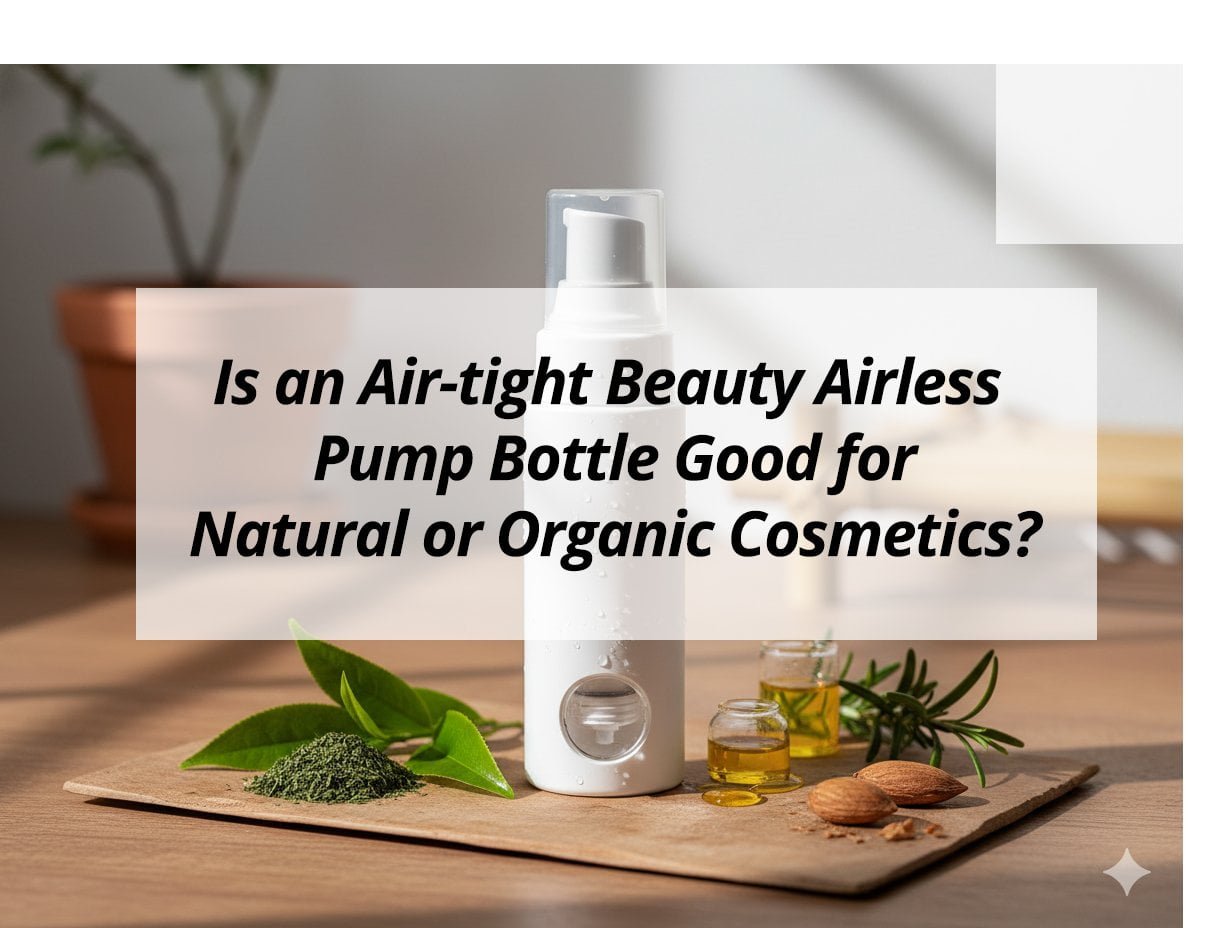
Are you a brand owner or buyer of natural and organic cosmetics? Protecting your delicate formulations is a big concern. Exposure to air can quickly degrade these products.
Airless pump bottles are excellent for natural and organic cosmetics. They protect sensitive ingredients from air, light, and contaminants. This extends shelf life and maintains product efficacy. These bottles ensure consistent dispensing while preventing product waste, which is vital for high-value formulas.
Understanding how airless technology works helps preserve your valuable products. This keeps them fresh and effective for consumers.
What are the Benefits of Airless Pump Bottles?
Airless pump bottles1 offer significant benefits for cosmetic packaging2. These advantages are especially crucial for sensitive and high-value formulations, such as natural or organic products. They protect the product and enhance the user experience.
The core benefit of airless technology is its ability to prevent air exposure. This design uses a vacuum system instead of a dip tube. It keeps the product isolated from external elements. This means better preservation and more efficient dispensing.
Why is Air Protection Important?
Many cosmetic ingredients, especially in natural and organic formulas, degrade when exposed to air.
- Prevents Oxidation: Air contains oxygen. Oxygen can cause sensitive ingredients like vitamins, antioxidants, and essential oils to oxidize. Oxidation leads to loss of potency, changes in color, and unpleasant odors. Airless pumps keep oxygen out.
- Extends Shelf Life: By reducing oxidation and microbial contamination, airless bottles can significantly extend the shelf life of products. This is particularly important for formulations with fewer synthetic preservatives.
- Maintains Efficacy: Active ingredients remain potent for longer. This ensures the product delivers its intended benefits throughout its use.
- Protects from Contaminants: The sealed system prevents bacteria, dust, and other external contaminants from entering the bottle. This maintains product hygiene.
For example, a vitamin C serum is highly susceptible to oxidation. Exposure to air can turn it brown and make it ineffective. An airless pump bottle protects it, keeping the serum potent until the last drop.
How Does Efficient Dispensing Help?
Airless pump bottles are designed for complete product evacuation. This means less waste for expensive formulations.
- Full Product Evacuation: A piston at the bottom of the bottle pushes the product upwards. This ensures nearly 100% of the product is dispensed. There is no residue left behind.
- Consistent Dosing: Each pump delivers a consistent amount of product. This allows for precise application and controlled usage.
- No Product Degradation: Unlike dip tube systems, the product never comes into contact with external air inside the bottle. This ensures every dose is as fresh as the first.
I have had many clients tell me how much they appreciate the full evacuation. Especially for expensive, concentrated serums, maximizing every drop is very important for customer satisfaction.
What are the Hygienic Advantages?
The sealed nature of airless packaging offers superior hygiene.
- No Finger Contamination: Consumers do not need to dip their fingers into the product. This prevents the introduction of bacteria.
- Reduced Preservative Needs: Because contamination risk is low, some formulations can use fewer or milder preservatives. This is a big plus for natural and organic brands.
- Longer Product Freshness: The product stays fresh and pure throughout its entire use cycle.
| Airless Pump Benefit | Impact on Natural/Organic Cosmetics | Result for Consumers |
|---|---|---|
| Air Protection | Prevents oxidation of sensitive ingredients | Longer shelf life, maintained efficacy |
| Contaminant Barrier | Protects from bacteria and dust | Enhanced hygiene, reduced spoilage |
| Full Evacuation | Minimizes product waste for high-value formulas | Cost-effective, maximizes product usage |
| Consistent Dosing | Precise application, controlled usage | Better results, avoids overuse |
These benefits collectively make airless pump bottles an excellent choice. They are especially good for preserving the delicate nature of natural and organic skincare.
What is the Most Eco-Friendly Packaging for Cosmetics?
The concept of "most eco-friendly" packaging for cosmetics is complex. There is no single perfect solution. The best choice depends on various factors. These include material sourcing, manufacturing energy, transportation, and end-of-life management.
However, certain materials and strategies consistently rank high in sustainability. These options focus on minimizing environmental impact throughout the entire product lifecycle. They reduce waste, conserve resources, and lower carbon footprints.
What Makes Packaging Eco-Friendly?
Several key principles determine if packaging is eco-friendly.
- Reduced Material Use: Less material means less resource extraction and less waste. This includes lightweighting and using concentrated formulas.
- Recycled Content: Using post-consumer recycled (PCR) or post-industrial recycled (PIR) materials reduces demand for new resources. It also diverts waste from landfills.
- Recyclability: The packaging can be collected and processed into new materials. This closes the loop and conserves resources.
- Reusability: Packaging designed for multiple uses or refills significantly cuts down on single-use waste.
- Biodegradability/Compostability: Materials that break down naturally into benign substances. This reduces landfill burden, but proper infrastructure is key.
- Renewable Resources: Materials sourced from plants or other rapidly renewable sources. This reduces reliance on fossil fuels.
For instance, a glass jar might seem heavy. But its high recyclability makes it eco-friendly if recycled. A lightweight plastic tube made from PCR plastic can also be highly sustainable.
Top Eco-Friendly Material Choices
- Post-Consumer Recycled (PCR) Plastics: These are plastics made from recycled consumer waste. They reduce the need for virgin plastic. Common types include PCR PET, PCR HDPE, and PCR PP.
- Glass: Highly recyclable and inert. It offers a premium feel. Its main drawback is weight and fragility, impacting transport emissions.
- Aluminum: Infinitely recyclable and lightweight. It provides an excellent barrier. It is often used for tubes and tins.
- Bamboo and Wood: Renewable resources. They are often used for caps, outer cases, or secondary packaging. They are biodegradable if untreated.
- Paper and Cardboard (FSC Certified): Sourced from sustainably managed forests. They are recyclable and biodegradable. Primarily for secondary packaging, but innovations allow primary use.
I recall a project where we helped a brand switch their lotion bottles from virgin plastic to 100% PCR HDPE. This change alone cut their carbon emissions for packaging by a significant amount. The quality and feel of the bottle remained excellent.
The Role of Refillable Systems
Refillable packaging is a standout eco-friendly option.
- Significant Waste Reduction: It keeps primary packaging in use longer. Consumers buy smaller, less resource-intensive refills.
- Examples: Refillable compacts, lipstick cases, and large format skincare jars.
| Eco-Friendly Material | Key Advantages | Considerations | Typical Use Cases |
|---|---|---|---|
| PCR Plastics | Reduces virgin plastic, lightweight | Recycling infrastructure needed | Tubes, bottles, jars |
| Glass | Highly recyclable, inert, premium feel | Heavy, fragile, higher transport impact | Serums, creams, perfumes |
| Aluminum | Infinitely recyclable, lightweight, barrier | Energy-intensive primary production | Tubes, tins, spray cans |
| Bamboo/Wood | Renewable, biodegradable | Durability, treatment for moisture | Caps, outer shells, compacts |
| Paper/Cardboard | Recyclable, biodegradable, renewable | Barrier needs for primary packaging | Boxes, secondary packaging, new primary |
Ultimately, the most eco-friendly choice balances material properties, supply chain logistics, and consumer behavior.
Are Airless Pump Bottles Good?
Yes, airless pump bottles are generally considered very good for a wide range of cosmetic products. Their design offers superior protection and efficiency compared to traditional pump bottles or jars. This makes them a preferred choice for many high-quality formulations.
The benefits of airless technology address common problems in cosmetic packaging. These include product degradation, contamination, and waste. Their effectiveness in preserving product integrity makes them a valuable investment.
Why are Airless Pumps Preferred for Product Integrity?
- Oxygen Barrier: The primary advantage is protecting the product from atmospheric oxygen. This prevents oxidation of active ingredients. This maintains product stability and effectiveness.
- UV Light Protection: Many airless bottles are opaque. This protects light-sensitive ingredients from UV degradation. This is crucial for ingredients like Vitamin C and retinol.
- Sterile Environment: The sealed system reduces the risk of microbial contamination. This can allow for formulations with fewer harsh preservatives.
- Prevents Evaporation: The tight seal also prevents water or volatile ingredients from evaporating. This keeps the product's consistency and potency intact.
I once dealt with a customer whose facial oil was turning rancid too quickly. We switched them to an opaque airless bottle. The problem was solved, and their product's shelf life significantly improved.
How Do They Enhance User Experience?
Airless pumps do not just protect the product. They also improve the consumer's experience.
- Smooth Dispensing: The vacuum action provides a smooth and consistent flow of product with each pump.
- No Clogging: There is no dip tube to clog. This ensures reliable dispensing even with thicker formulas.
- Complete Usage: The piston mechanism pushes up all the product. This means consumers get to use every last bit of their purchase. This reduces waste and increases value perception.
- Hygienic Application: Consumers dispense product without direct hand contact. This reduces the risk of contaminating the remaining product.
Are There Any Limitations?
While airless pumps are excellent, they have a few considerations.
- Cost: Airless bottles are generally more expensive to produce than standard pump bottles or jars. This can impact overall product cost.
- Filling Process: They require specialized filling equipment. This ensures the vacuum seal is created correctly.
- Not for All Viscosities: While good for many, very thin liquids or extremely thick pastes might need specific airless designs.
| Airless Pump Advantage | Traditional Packaging Disadvantage | Benefit for Skincare Brands |
|---|---|---|
| Protects Actives | Air exposure degrades ingredients | Maintains efficacy, fewer returns |
| Reduces Contamination | Finger dipping, external microbes | Higher hygiene, potentially fewer preservatives |
| Minimizes Waste | Product left at bottom, hard to reach | Cost-effective for consumers, brand loyalty |
| Consistent Dispensing | Inconsistent pumps, clogging | Reliable product delivery |
Overall, the benefits of airless pump bottles strongly outweigh their limitations for most cosmetic products, especially those with delicate or high-value ingredients.
What is the Difference Between Organic and Natural Cosmetics?
The terms "organic" and "natural" are often used in cosmetic marketing. However, they have distinct meanings and different regulatory standards. Understanding these differences is important for both brands and consumers. It helps make informed choices about product claims and ingredients.
"Organic" typically refers to ingredients grown and processed according to specific agricultural standards. These standards often require certification. "Natural" is a broader term. It refers to ingredients derived from nature, but without strict certification requirements.
What Defines Organic Cosmetics?
Organic cosmetics contain ingredients that have been grown and processed without synthetic pesticides, herbicides, or GMOs (Genetically Modified Organisms).
- Certification: Organic claims usually require certification from recognized bodies (e.g., USDA Organic in the U.S., Ecocert in Europe). These certifications have strict rules for ingredient sourcing, processing, and the percentage of organic content.
- Ingredient Purity: Organic ingredients must meet specific standards of purity and ecological sourcing.
- Formulation Standards: A product labeled "organic" often must contain a minimum percentage of organic ingredients. The remaining ingredients must also meet specific criteria.
- Transparency: Organic certification provides a high level of transparency and assurance to consumers.
For example, a "USDA Organic" face cream must have at least 95% organic ingredients. The remaining 5% must be on an approved list and not synthetic. This is a very clear standard.
What Defines Natural Cosmetics?
"Natural" is a less regulated term than "organic." It generally refers to ingredients that come from natural sources. These sources include plants, minerals, or animals.
- Broad Definition: There is no single legal definition for "natural" in cosmetics in many regions. This means brands can interpret the term broadly.
- Ingredient Source: Natural ingredients are typically unprocessed or minimally processed. They are derived directly from nature.
- Lack of Certification: Unlike organic, "natural" claims usually do not require third-party certification. This can lead to variability in product quality and ingredient purity.
- "Nature-Identical" Ingredients: Some "natural" products may also contain nature-identical ingredients. These are synthetic but chemically identical to substances found in nature.
I have seen products marketed as "natural" that contain a mix of plant extracts and some synthetic preservatives. While the extracts are natural, the overall product might not be what a consumer expects from a "natural" label.
Key Differences and Consumer Implications
| Feature | Organic Cosmetics | Natural Cosmetics |
|---|---|---|
| Regulation | Strictly regulated, often certified | Loosely regulated, self-defined by brands |
| Ingredient Sourcing | Grown without synthetic pesticides/GMOs | Derived from nature (plants, minerals, animals) |
| Purity Standards | High, certified ecological practices | Varies, no strict certification |
| Transparency | High, verifiable through certification | Varies, depends on brand's honesty |
| Cost | Often higher due to strict farming/processing | Can vary widely |
Consumers seeking truly pure products should look for organic certifications. "Natural" labels require closer examination of the ingredient list. The term "natural" lacks the rigorous oversight that "organic" provides.
My insights: Benefits of Air-tight Airless Pump Bottles for Natural and Organic Cosmetics
Worried about preserving your natural or organic cosmetics3? Discover why air-tight airless pump bottles4 are the ideal solution.
Air-tight airless pump bottles protect sensitive natural and organic cosmetics by reducing oxidation and microbial contamination. This extends shelf life, minimizes the need for preservatives, and ensures precise, hygienic dosing.
Advantages of Airless Pump Bottles for Organic Products
Protection and Preservation:
- Oxidation Prevention: Airless systems reduce exposure to air, protecting delicate ingredients like antioxidants and vitamins.
- Preservative Reduction: Fewer preservatives are needed, as the packaging minimizes microbial contamination.
- Extended Shelf Life: Airtight pumps keep products effective from first to last use.
Hygiene and User Experience:
- Contamination Minimized: No dipping fingers into products, reducing bacteria risk in water-based skincare.
- Consistent Dosing: Precise pumps prevent overuse, maintaining freshness.
- Complete Usage: Internal mechanisms allow nearly all product to be dispensed without contamination.
| Benefits | Details |
|---|---|
| Ideal for Naturals | Supports low-preservative creams and serums. |
| Clean Beauty | Aligns with purity claims by ensuring uncontaminated use. |
| Fragrance & Color | Maintains natural scents and colors by reducing oxidation. |
Air-tight airless pump bottles are especially suitable for vitamin-rich serums, preservative-minimal creams, and organic foundations needing hygiene and stability. While they require careful formula compatibility testing, their benefits for sensitive formulations make them a top choice in natural cosmetics.
Conclusion
Air-tight airless pump bottles are ideal for natural and organic cosmetics. They protect delicate ingredients from air and contamination, extending shelf life. The "most eco-friendly" packaging often uses PCR materials or refillable systems. Organic cosmetics are certified by strict standards, while "natural" is a broader, less regulated term.
-
Explore how airless pump bottles enhance product preservation and user experience. ↩
-
Learn about the unique benefits of airless technology in cosmetic packaging. ↩
-
Explore the advantages of organic cosmetics, including their health benefits and environmental impact. ↩
-
Explore how air-tight airless pump bottles enhance the shelf life and effectiveness of cosmetics. ↩