
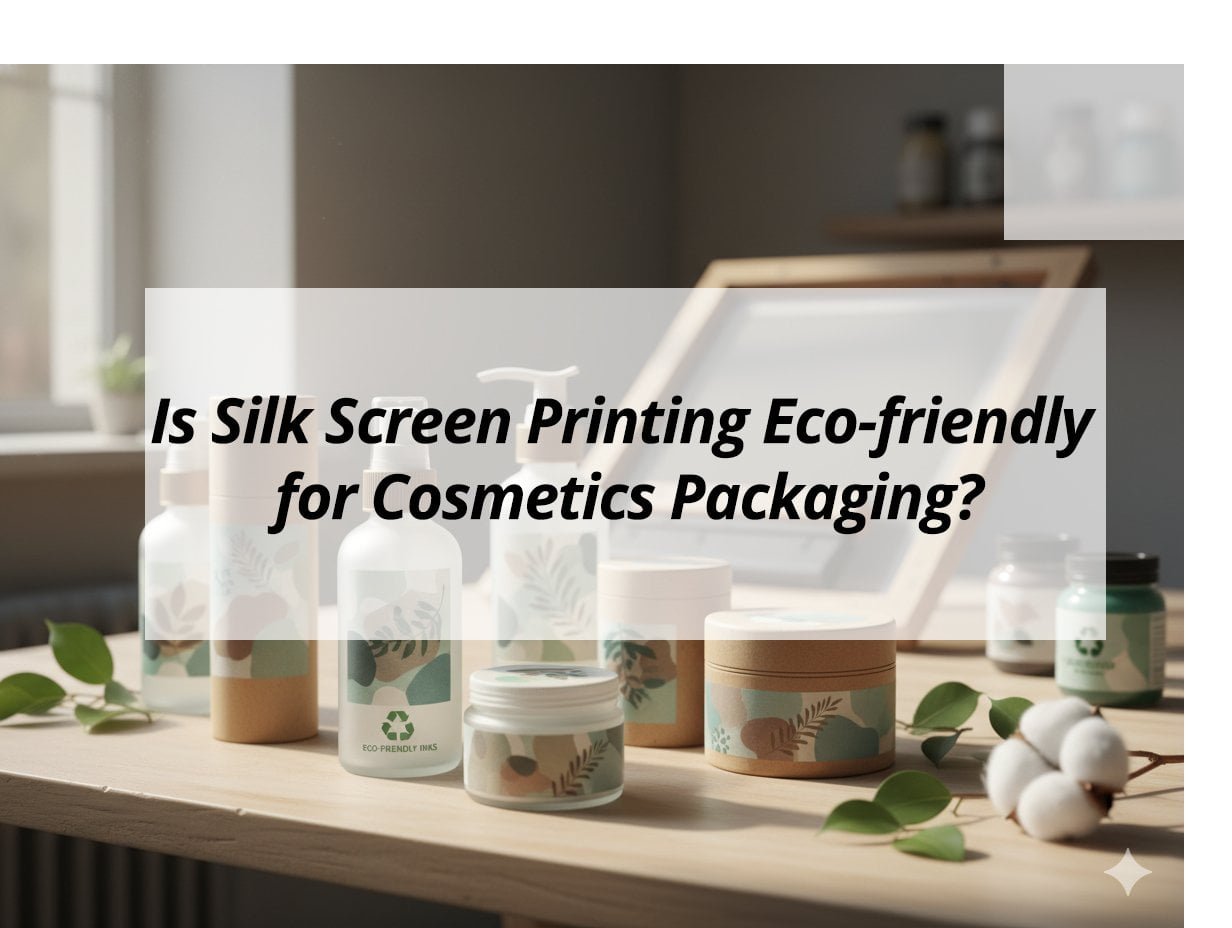
Choosing the right packaging for cosmetics impacts both the brand and the environment.
Silk screen printing offers visually striking designs for cosmetics, but its environmental impact depends on the materials and methods used. Switching to eco-friendly inks like water-based options and implementing efficient production processes can significantly reduce its footprint, thus aligning with consumers' increasing demand for sustainability in product packaging.
The intersection of sustainability and practicality often presents challenges and opportunities for businesses. By exploring eco-friendly printing methods, brands can align with consumer values and enhance their market position.
What is eco-friendly packaging for cosmetics?
In cosmetics, eco-friendly packaging is crucial. What defines sustainability in this context?
Eco-friendly cosmetics packaging1 uses recyclable, biodegradable, and sustainable materials2. Opting for minimalistic designs and reducing plastic usage are key components. These strategies not only lower environmental impact but also enhance brand reputation in an eco-conscious market.
Eco-friendly packaging in cosmetics focuses on materials and design. Options include recycled paper and bio-plastics, which reduce reliance on new resources. Minimalist designs mean using fewer materials, leading to more efficient production and less waste. Aligning with sustainability not only supports environmental goals but also provides a competitive edge.
Key Elements of Eco-friendly Packaging
- Recycled Materials: Use of post-consumer waste to cut down landfill use.
- Biodegradable Options: Materials that decompose naturally, benefiting ecosystems.
- Innovative Designs: Efficient design reduces material use and waste.
The growing trend towards sustainability influences consumer choices, making eco-friendly packaging a smart business decision. Sustainable packaging allows brands to align their values with those of their customers, fostering loyalty and gaining market advantage.
Is screen printing environmentally friendly?
Screen printing is common but is it sustainable? Examining its environmental footprint is essential.
Screen printing offers quality and flexibility but its sustainability depends on using eco-friendly inks and efficient processes3. Adopting these practices reduces resource use and waste production, making it a more environmentally friendly choice.
The environmental impact of screen printing largely depends on the materials and methods employed. Traditional inks can contain harmful chemicals, but using alternatives like water-based and soy-based inks significantly reduces these risks. Efficient equipment and waste management further help in decreasing the ecological footprint.
Sustainable Practices in Screen Printing
| Practice | Description |
|---|---|
| Eco-friendly Inks | Water-based inks reduce harmful emissions. |
| Efficient Equipment | Using equipment that consumes less energy helps the environment. |
| Responsible Waste Management | Systems for recycling and safe disposal are crucial. |
These adaptations allow brands to maintain the aesthetic advantages of screen printing while enhancing environmental responsibility. Aligning with sustainable practices4 attracts eco-conscious consumers who value these efforts.
What is the disadvantage of silk screen printing?
Every method has drawbacks. What are the limitations of silk screen printing in sustainability?
Silk screen printing can generate waste and use harmful chemicals. Resource-intensive processes add to its environmental challenges. By being aware and making informed choices, brands can mitigate these disadvantages.
The main disadvantages of silk screen printing arise from its traditional methods. Many inks contain volatile organic compounds (VOCs), which are harmful to health and the environment. Also, designs often require multiple layers, increasing resource use. Managing waste effectively is critical to reducing its impact.
Challenges of Silk Screen Printing
| Challenge | Description |
|---|---|
| Resource Intensity | Multiple materials and layers are needed. |
| Chemical Use | VOCs in conventional inks pose risks. |
| Waste Generation | Proper disposal and recycling are needed. |
Addressing these issues requires a committed approach to sustainable practices. By opting for eco-friendly inks and adopting efficient equipment, brands can reduce environmental harm and maintain the visual quality of their packaging.
How does silk screen printing affect the environment?
Understanding the environmental impact of silk screen printing is vital. What are its ecological effects?
Silk screen printing affects the environment through emissions, resource use, and waste. Harmful VOCs from inks contribute to pollution, but eco-friendly practices can mitigate these effects, supporting a greener approach.
Assessing silk screen printing's environmental implications highlights the need for sustainable measures. Traditional processes emit VOCs, impacting air and water quality. Using renewable materials and efficient waste management greatly reduces these effects.
Environmental Impact Considerations
- Emissions: VOCs contribute to pollution in air and water.
- Resource Depletion: High demand for materials can harm natural resources.
- Waste Concerns: Poor disposal practices negatively affect ecosystems.
Switching to eco-friendly materials and improving waste processes can help companies minimize these impacts. This supports not only sustainability goals but also aligns with growing consumer demands for eco-responsible brands.
My insights: Silk Screen Printing Eco-friendly for Cosmetics Packaging
Concerned about the environmental impact of your packaging? Discover how silk screen printing can be a sustainable choice for cosmetics.
Silk screen printing can be eco-friendly for cosmetics packaging by using water-based or natural inks and sustainable materials. This method ensures durable and long-lasting prints, reducing waste and supporting low-VOC initiatives.
Exploring Eco-friendly Silk Screen Printing
Eco-Friendly Advantages:
- Ink Choices: Water-based and natural inks, such as soy or citrus-based, reduce harmful chemical use. These inks avoid toxic substances like PVC and phthalates, supporting environmental health.
- Reduced Waste: The process allows for the reclamation and reuse of unused inks, minimizing waste.
Material Compatibility:
- Sustainable Substrates: Silk screen printing supports materials like recycled PET (rPET), glass, and biodegradable plastics, ensuring compatibility with eco-conscious packaging.
- Versatility: This method works on various surfaces and shapes, offering flexibility without compromising recyclability.
Challenges and Mitigation:
- Chemical Management: The environmental impact depends on ink formulations and cleaning agents. Opting for biodegradable cleaners and responsible waste handling mitigates negative effects.
- Durability: Long-lasting prints reduce the need for replacements, extending the packaging's life cycle.
Comparison Table
| Aspect | Eco-friendly Features |
|---|---|
| Ink | Water-based, natural, avoids toxic substances |
| Material Compatibility | Works with rPET, glass, biodegradable plastics |
| Waste Reduction | Ink reclamation, durable prints |
| Chemical Management | Biodegradable cleaners, non-toxic practices |
Silk screen printing, when implemented with care, offers an eco-friendly option for cosmetics packaging, aligning aesthetics with sustainability goals.
Conclusion
Silk screen printing in cosmetics remains challenging but can be made sustainable. Prioritizing eco-friendly materials and methods aligns with both environmental goals and consumer expectations.
-
Explore how eco-friendly packaging can enhance brand reputation and attract eco-conscious consumers. ↩
-
Learn about innovative sustainable materials that can reduce environmental impact in packaging. ↩
-
Learn how optimizing processes can minimize resource use and waste in production. ↩
-
Explore various sustainable practices that can enhance the environmental responsibility of printing. ↩