
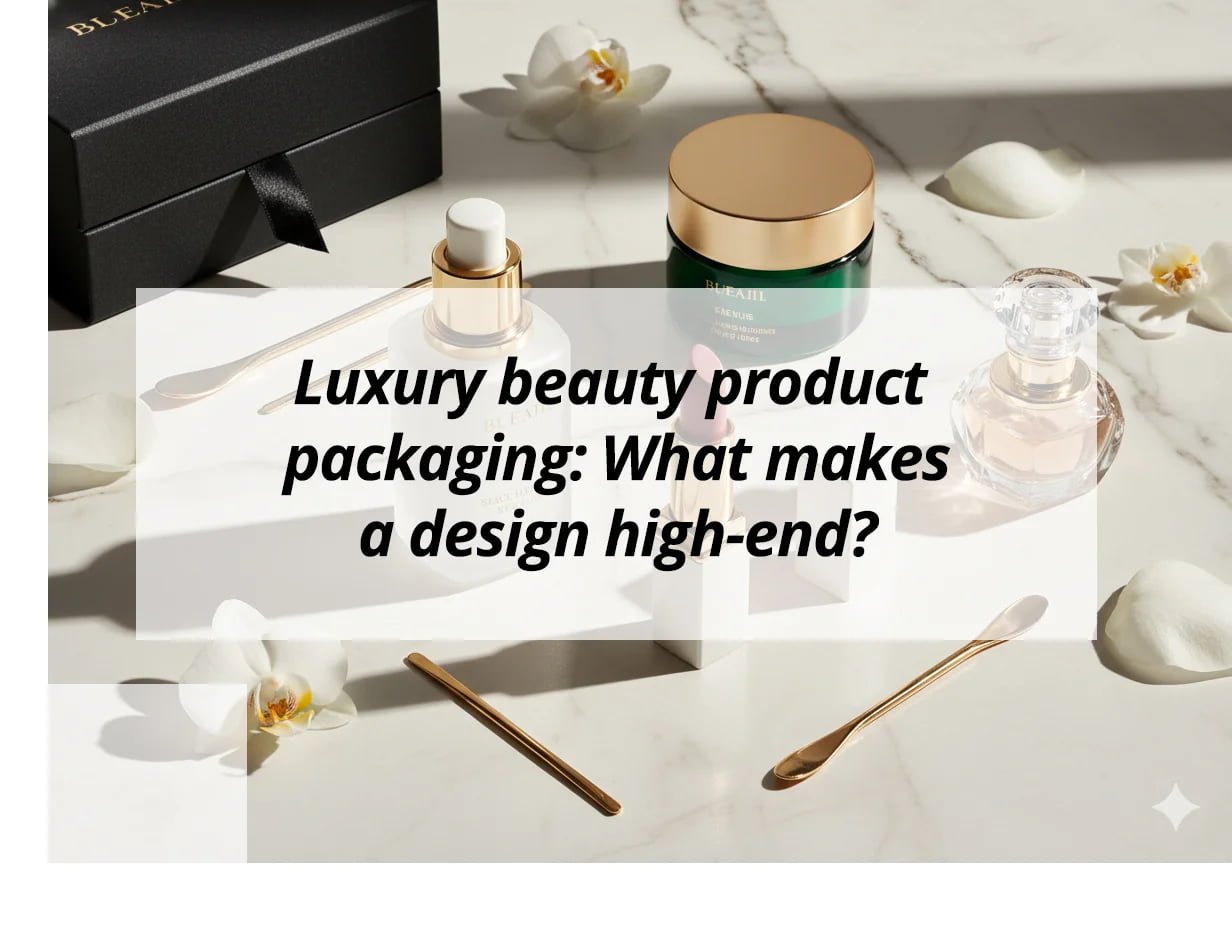
Designing packaging for luxury beauty products is a specialized challenge. Substandard design can undermine a premium product's perceived value, failing to attract the target sophisticated consumer base. Understanding the core principles of high-end design is fundamental for market penetration and success.
High-end luxury beauty product packaging is characterized by the strategic integration of exquisite materials, refined aesthetics, meticulous craftsmanship, and distinctive tactile qualities, all conveying exclusivity and superior quality. Key elements include minimalist design, sophisticated color palettes, custom finishes, and robust construction, which collectively elevate the product's perceived value.
This guide comprehensively explores the essential components that define luxury packaging. It aims to inform brands on creating designs that resonate effectively within the high-end market segment.
What is the most important factor to consider when designing a package for a luxury product?
The design of packaging for luxury products requires paramount consideration. Overlooking critical factors can result in a disparity between the product's intrinsic value and its external presentation. This can lead to consumer confusion and diminished desirability.
The most crucial factor in designing packaging for a luxury product is the consistent and compelling communication of exclusivity and inherent superior quality across all design facets. This necessitates that material choices, finishing techniques, visual aesthetics, and tactile sensations harmoniously convey a premium brand narrative, thereby justifying an elevated price point.
This section elaborates on this pivotal factor and its overarching influence on subsidiary design decisions.
Coherent Communication of Exclusivity and Quality
Luxury packaging serves as a primary narrative for the product, articulating its high value and distinctiveness. Each design element must contribute seamlessly to this narrative; any inconsistency can dilute the perception of luxury.
| Design Element | Contribution to Luxury Communication | Impact on Consumer Perception |
|---|---|---|
| Material Substance | The use of heavy-gauge glass, premium metals, high-density plastics, or specialized papers. | Conveys durability, substantiality, and intrinsic value. |
| Precision Craftsmanship | Flawless finishes, precise lines, perfect symmetry, and custom-engineered components. | Indicates meticulous attention to detail and superior manufacturing expertise. |
| Refined Visuals | Minimalist layouts, elegant typography, rich and curated color palettes, and unique structural forms. | Implies sophistication, discerning taste, and exclusivity. |
| Tactile Engagement | Smooth or textured surfaces, appropriate weight, soft-touch coatings, and satisfying closure mechanisms. | Stimulates sensory engagement, creates a memorable unboxing experience, and reinforces perceived quality. |
| Brand Narrative Integration | Subtle incorporation of brand heritage, unique origin stories, or innovative value propositions. | Fosters emotional connection and imbues the product with depth and authenticity. |
For instance, a glass bottle with a substantial weight inherently conveys higher quality than a lightweight plastic alternative. A precisely machined cap, devoid of visible seams, exemplifies superior craftsmanship. An understated label featuring custom-embossed details suggests refined elegance. These elements integrate to construct a cohesive and compelling luxury message.
Influence on Design Decision-Making
This fundamental principle critically informs numerous subsequent design choices, guiding the selection of materials, colors, and textures.
- Material Selection: Materials are chosen not merely for functional properties but for their capacity to exude richness, permanence, and sophisticated sensory appeal, such as frosted glass or polished metallic accents.
- Color Palette: Luxury brands typically employ a restrained and sophisticated color scheme. This often includes deep tones, neutrals, metallic hues, and jewel shades, avoiding vibrant or overly saturated colors.
- Typography: Elegant, often bespoke or classic serif typefaces are preferred for their timeless appeal and readability, steering clear of common or informal fonts.
- Embellishments: Strategic and subtle application of embossing, debossing, foil stamping, and specialized coatings adds visual and tactile depth without appearing ostentatious.
- User Interaction Design: The entire interaction sequence, from opening to dispensing, is designed as an experience. This includes mechanisms like satisfying magnetic closures or smoothly operating pumps.
Ultimately, every component of the packaging must contribute to a unified impression of luxury, thereby establishing a strong and justified premium position in the market.
What makes a good packaging design?
Effective packaging design encompasses a multitude of attributes beyond mere visual appeal. A design that is aesthetically pleasing but functionally deficient fails to meet comprehensive criteria for excellence, potentially leading to consumer frustration and product underperformance.
A good packaging design skillfully integrates aesthetics, functionality, and brand messaging. It provides robust product protection, ensures ease of use for consumers, clearly communicates brand identity and vital product information, and often incorporates sustainable practices. The design cultivates a positive user experience from initial purchase to ultimate disposal.
This section systematically examines the key constituents that define a truly effective and successful packaging design.
Core Elements of Effective Packaging Design
Effective packaging design necessitates a holistic consideration of various integrated aspects to ensure product success and consumer satisfaction.
| Element | Description | Impact on Consumer Experience and Product Performance |
|---|---|---|
| Product Protection | Safeguards the product from physical damage, environmental contamination, or spoilage. | Guarantees product integrity upon receipt, builds consumer trust. |
| Functional Usability | Facilitates ease of opening, dispensing, storage, and re-sealing. Minimizes spills or product waste. | Enhances convenience, reduces frustration, encourages repeated product use. |
| Aesthetic Appeal | Creates visual attraction, aligns with target market preferences, and reflects brand personality. | Captures attention, communicates brand values, suggests product quality. |
| Informational Clarity | Clearly displays essential product details: name, ingredients, usage instructions, and benefits. | Informs purchasing decisions, ensures safe and correct application, complies with regulatory requirements. |
| Brand Representation | Accurately conveys the brand's unique identity, values, and market positioning. | Establishes brand recognition, differentiates from competitors, fosters consumer loyalty. |
| Environmental Sustainability | Incorporates eco-friendly materials or design principles (e.g., reusability, recyclability, biodegradability). | Appeals to environmentally conscious consumers, reduces ecological footprint. |
Product protection is foundational; the package must reliably preserve its contents. Functional usability ensures a seamless and satisfying consumer interaction. Aesthetic appeal is crucial for initial market engagement and brand differentiation. Informational clarity empowers consumers and adheres to legal standards. Strong brand representation builds recognition and fosters loyalty. Lastly, sustainability addresses contemporary environmental concerns, enhancing brand reputation.
The Integrated Approach to Design
Achieving superior packaging design requires an integrated perspective where all constituent elements operate in synergy.
- Consumer Focus: Design processes must prioritize the end-user's interaction with the package. This involves considerations of intuitiveness, ease, and overall satisfaction.
- Material Engineering: Material selection must fulfill both protective and aesthetic requirements, ensuring chemical compatibility with the product.
- Structural Innovation: The physical form of the package should be robust, practical, and, where appropriate, uniquely distinctive.
- Graphic Cohesion: Labels, logos, and textual elements must be clear, legible, and visually engaging, reinforcing the overarching brand message.
- Problem-Solving Creativity: Effective design often incorporates innovative solutions to common challenges, such as novel dispensing mechanisms or enhanced material durability.
When these integrated aspects are meticulously considered, packaging design transcends mere containment to become a powerful tool for product enhancement and consumer engagement.
What makes a brand look expensive?
Brands actively seek an "expensive" appearance to cultivate a perception of premium value among consumers. A brand that projects an inexpensive image can undermine consumer confidence in its quality, potentially impacting sales and market positioning.
A brand cultivates an expensive appearance through a consistent and deliberate projection of superior quality, exclusivity, and refined sophistication across all consumer touchpoints. This encompasses elegant packaging, minimalist design, high-grade materials, precise craftsmanship, sophisticated branding, and strategic marketing emphasizing aspiration and perceived rarity.
This section analyzes the key drivers that contribute to the perception of an expensive brand image and how these elements are strategically deployed.
Key Drivers of Perceived Expensiveness
A combination of factors collectively contributes to a brand's expensive aesthetic. These elements are interwoven to create a holistic impression of luxury.
| Driver | Contribution to Elevated Perceived Value | Direct Impact on Brand Perception |
|---|---|---|
| Packaging Materiality | Substantial weight, luxurious textures, custom finishes, and unique structural forms. | Suggests intrinsic product value and justifies premium pricing. |
| Minimalist Design Language | Clean lines, uncluttered layouts, strategic use of negative space, and understated elegance. | Conveys sophistication, timelessness, and a focus on core value. |
| Material Quality Assurance | Utilization of authentic glass, fine metals, high-density polymers, and tactile finishes. | Implies durability, authenticity, and inherent worth. |
| Flawless Craftsmanship | Impeccable finishes, precise assembly, and bespoke component manufacturing. | Communicates meticulous production standards and attention to detail. |
| Brand Narrative & Authenticity | Rich heritage, compelling origin stories, or demonstrably innovative value propositions. | Builds an emotional connection and imbues the brand with depth and credibility. |
| Strategic Marketing Communication | High-quality visual assets, aspirational messaging, and controlled distribution or limited availability. | Generates desire and reinforces perceived rarity and exclusivity. |
| Pricing as a Signal | A consciously premium price point, which inherently communicates exclusivity and perceived value. | Establishes market positioning and influences consumer expectations. |
For example, a solid, heavy glass bottle adorned with a subtly embossed logo projects an image of greater value than a brightly colored, lightweight plastic container with extensive text. The combination of weight and clean design communicates sophistication, while the absence of clutter implies confidence in the product's intrinsic quality.
The Imperative of Brand Consistency
Consistency is a fundamental pillar in establishing and maintaining an expensive brand image. Every consumer interaction with the brand must reinforce this perception seamlessly.
- Unified Visual Identity: The brand's logo, color palette, and typography must be uniformly applied across all communication channels, including packaging, digital platforms, and promotional materials.
- Product Quality Alignment: The product itself must consistently meet or exceed the quality promised by its packaging. A discrepancy can severely damage brand credibility.
- Exceptional Customer Experience: High-end brands typically provide superior customer service, often characterized by personalized and attentive interactions.
- Refined Retail Environment: Both physical and digital retail spaces should reflect the brand's luxury image through sophisticated layouts, curated displays, and premium presentation.
An expensive brand aesthetic is not solely a function of high expenditure, but rather the result of strategic investment and unwavering execution across all brand touchpoints, fostering a perception of enduring quality and exclusivity.
How to make a product look luxury?
Transforming a product's appearance to convey luxury involves a deliberate and strategic application of design principles. The objective is to cultivate an immediate perception of high value and superior quality. An ordinary aesthetic will fail to capture the discerning luxury market, necessitating meticulous attention to detail.
To imbue a product with a luxurious appearance, focus on refined aesthetics, utilize premium-grade materials, and ensure exceptional craftsmanship. This includes adopting minimalist design philosophies, employing sophisticated color palettes, integrating custom finishing techniques such as embossing or foil stamping, and ensuring a substantial tactile experience through appropriate weight and texture. Each detail contributes to an elevated product perception.
This section elaborates on the practical strategies for achieving a luxury aesthetic, encompassing both visual and sensory design elements.
Visual Components of Luxury
Visual presentation is the initial point of engagement for a luxury product. The immediate visual impression is critical in setting the tone for its perceived value.
| Visual Element | Contribution to a Luxury Aesthetic | Effect on Product Perception |
|---|---|---|
| Minimalist Design Principles | Clean lines, simple geometric forms, reduced clutter, and ample negative space. | Conveys sophistication, elegance, and a focus on essential quality. |
| Curated Color Palette | Muted tones, deep jewel colors, classic metallics (gold, silver, rose gold), and monochromatic schemes (black, white). | Evokes richness, exclusivity, and timeless appeal. |
| Refined Typography | Elegant, often classic serif, or custom-designed fonts. Emphasizes clarity and legibility. | Adds an element of classicism, intellectualism, and refinement. |
| Premium Finishes | Matte, glossy, soft-touch coatings, metallic accents, embossing, debossing, and spot UV. | Adds visual depth, textural interest, and a high-quality tactile feel. |
| Unique Structural Forms | Custom-designed bottles or containers that deviate from generic shapes. | Establishes distinctiveness and creates memorable visual identity. |
| Discreet Branding | Understated logos and subtle brand placement. | Implies confidence in inherent quality, avoids overt commercialism. |
| Artistic Imagery | High-resolution, thoughtfully composed product photography and visual assets. | Elevates desirability and reinforces premium status through visual storytelling. |
For example, a skincare product housed in frosted glass, featuring a robust, polished metallic pump, and a label with subtle debossed typography, projects an undeniable luxury aesthetic. The frosted finish conveys softness, the metallic element suggests richness, and the debossed detail signifies understated elegance. These elements synergistically create a sophisticated visual experience.
Tactile and Sensory Components of Luxury
Luxury perception extends beyond mere visual cues to encompass tactile and other sensory experiences. How a product feels upon interaction significantly contributes to its overall luxurious impression.
- Substantial Weight: Packaging with a noticeable heft often conveys durability and intrinsic value, suggesting a quality product within.
- Sensory Texture: Smooth, soft-touch, or finely textured surfaces engage the sense of touch. They create a premium, gratifying experience upon handling.
- Aural Feedback: The satisfying "click" of a precisely engineered magnetic closure or the smooth, silent operation of a pump can subtly enhance the perception of luxury.
- Enriched Unboxing Experience: The entire ritual of opening the package should feel special. This includes elements like custom inserts, delicate tissue paper, or elegant ribbons.
A truly luxurious product engages multiple senses, creating a memorable and desirable interaction. The combined sensory cues from weight, texture, sound, and the unboxing ritual collectively reinforce the product's premium standing.
My Insights: Elements of High-End Beauty Product Packaging
Looking to elevate your beauty brand’s image? Discover what truly makes luxury packaging stand out and captivate consumers.
Luxury beauty packaging blends premium materials, minimalist design, and a rich sensory experience. High-end elements include glass and metal, unique shapes, textured finishes, and subtle accents, creating an exclusive and sophisticated appeal.
Crafting High-End Design
Core Luxury Cues:
- Materials and Textures: Use heavy glass, metal accents, and textured finishes like embossing or matte coatings for a tactile appeal.
- Design Elements: Minimalist graphics, clean typography, and controlled color palettes enhance sophistication.
Creating Multi-Sensory Experiences:
| Aspect | Description |
|---|---|
| Weight | Heavier bottles and substantial caps feel valuable. |
| Texture | Soft-touch coatings and textured surfaces invite touch. |
| Sound | Precise closures and clicks convey quality. |
Emotional Connection and Sustainability:
Packaging should evoke emotions through storytelling, turning unboxing into a memorable experience. Modern luxury also means incorporating sustainable materials and refillable systems without compromising on indulgence. These elements help luxury beauty products stand out as both exclusive and environmentally conscious.
Conclusion
Achieving luxury beauty product packaging demands a focus on exclusivity and superior quality. Effective design integrates aesthetics, functionality, and brand narrative. An expensive appearance arises from sophisticated packaging, premium materials, meticulous craftsmanship, and consistent branding, where every detail elevates the product's luxurious appeal.