
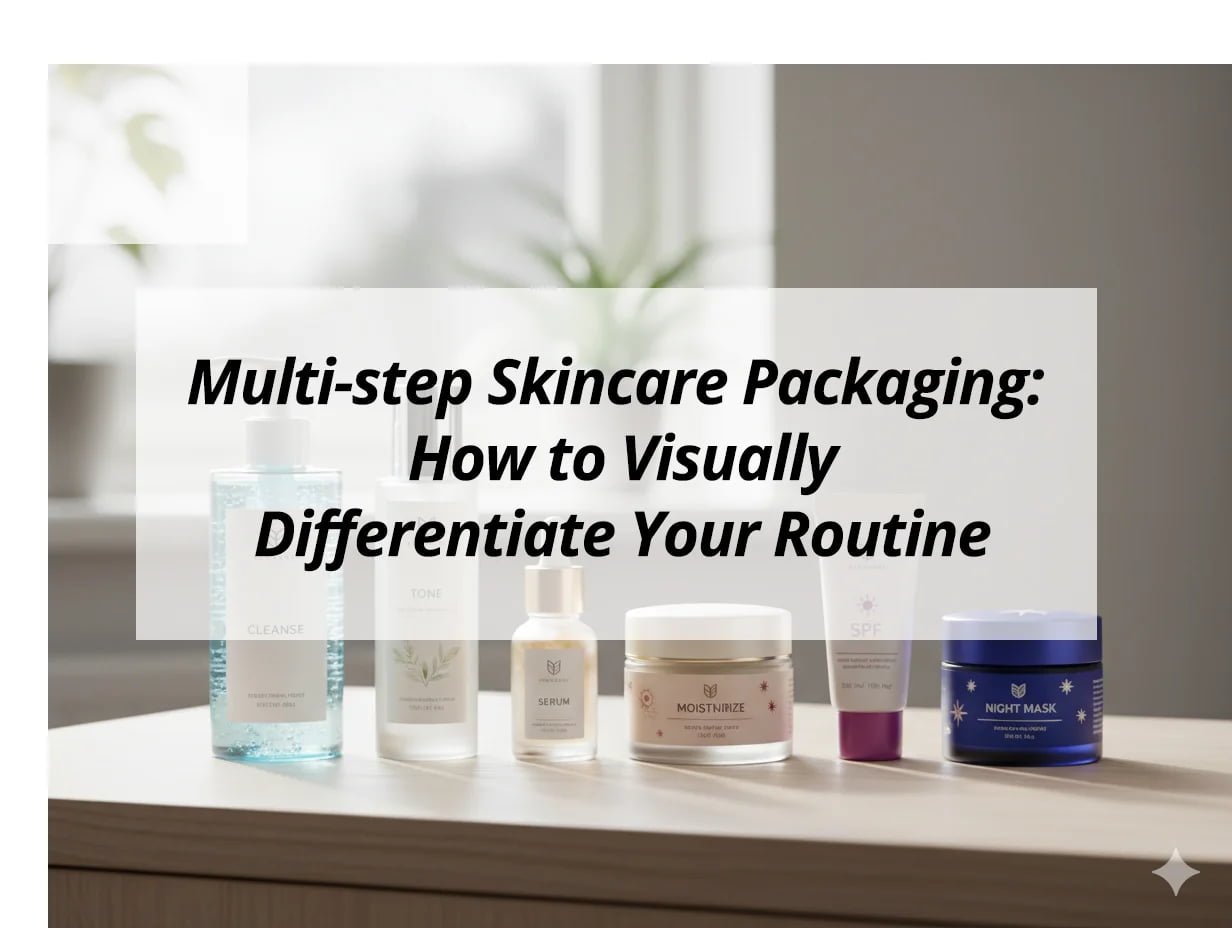
This article talks about how to make multi-step skincare routines stand out. It focuses on using effective packaging to show each product's role. This helps consumers understand their routine easily.
Making skincare products visually distinct is important. Well-designed packaging helps consumers know which product to use next. This makes their skincare routine simple to follow. Specialized packaging can make any brand look unique.
This discussion explores methods to differentiate multi-step skincare packaging. The goal is to help consumers better understand their routines. This also helps brands stand out in the market.
What is the 4-2-4 rule in skincare?
Many people ask about the 4-2-4 rule in skincare. It is a well-known method for facial cleansing. This rule provides a detailed approach to cleaning the skin.
The 4-2-4 rule is a specific cleansing technique. It involves massaging the face with cleansing oil for 4 minutes. Next, a cream cleanser is applied and massaged for 2 minutes. Finally, the face is rinsed with water for 4 minutes. This method ensures thorough skin cleansing.
This rule is a popular beauty practice. It aims to remove all traces of makeup and impurities. It leaves the skin feeling clean and soft.
Why does the 4-2-4 rule matter for skin health?
The 4-2-4 rule is effective for deep cleansing. It ensures that no dirt remains on the face. This can help prevent breakouts and promote brighter skin.
Breakdown of the 4-2-4 Method
| Step | Time (Minutes) | Product Used | Benefit |
|---|---|---|---|
| Oil Massage | 4 | Cleansing Oil | Dissolves makeup and oil-based impurities effectively. |
| Cream Massage | 2 | Cream Cleanser | Removes water-based impurities and provides skin nourishment. |
| Water Rinse | 4 | Water (Lukewarm then Cold) | Ensures complete rinsing and helps in pore refinement. |
This method requires more time than a standard wash. However, it offers significant benefits for the skin. It prepares the skin to absorb other skincare products more effectively.
How can packaging support the 4-2-4 rule?
Packaging can make the 4-2-4 rule easier to follow. Different bottles can be used for each step. This helps consumers select the correct product at each stage.
Visual Cues for the 4-2-4 Rule
- Cleansing Oil Bottle: Design it to be clear and sleek. A pump dispenser can ensure easy product delivery.
- Cream Cleanser Jar: Use a jar with a wide opening. This design makes it easy to access the cream cleanser.
- Overall Design: Maintain consistent colors or shapes. This signals that the products belong to a cohesive routine.
Packaging suppliers can help design these containers. They ensure that the aesthetics are pleasing. They also ensure the functionality supports product use. Effective design helps consumers understand the product's role. It encourages product purchase and use.
What is the rule of 7 skincare?
The "rule of 7" in skincare is a concept many people explore. It refers to a guideline for the number of steps in a skincare routine1. This rule helps structure a comprehensive skincare regimen2.
The rule of 7 in skincare is not a strict requirement. It is a recommendation. It suggests that an effective skincare routine may involve around 7 distinct steps. These steps typically cover cleansing, treating, and protecting the skin. This approach helps maintain healthy and radiant skin.
This guideline assists individuals in building a complete skincare routine. It ensures that all essential aspects of skin care are addressed. From thorough cleansing to moisturizing, each step is crucial.
Why is a multi-step routine beneficial for skin?
A multi-step routine ensures the skin receives comprehensive care. Each step serves a different function. All steps work together to enhance skin appearance and health.
Key Steps in a Comprehensive Routine
- Cleansing: Removes surface impurities.
- Toning: Balances skin's pH levels.
- Treating: Addresses specific skin concerns with active ingredients.
- Moisturizing: Provides essential hydration.
- Protecting: Shields skin from environmental damage.
A comprehensive routine can offer optimal quality and results. A 7-step routine provides a structured approach to skin health.
How can packaging highlight a 7-step routine?
Packaging can clearly indicate the different steps. Numbers can be printed on the containers. Alternatively, distinct colors can be used for each step.
Packaging Ideas for a 7-Step Routine
| Step Number | Product Type | Recommended Packaging |
|---|---|---|
| 1 | Cleanser | Tube or Pump Bottle |
| 2 | Toner | Spray or Flip-top Bottle |
| 3 | Serum 1 | Dropper Bottle |
| 4 | Serum 2 | Dropper Bottle |
| 5 | Eye Cream | Small Jar or Tube |
| 6 | Moisturizer | Jar or Pump Bottle |
| 7 | SPF | Tube or Pump Bottle |
Packaging providers assist brands in creating packaging for such routines. They ensure each product's packaging aligns with its step. This helps consumers navigate the routine easily. Custom branding on packaging can enhance brand recognition.
What are the 7 steps of a skincare routine?
Understanding the 7 steps of a skincare routine is a common inquiry. Many seek clarity on the correct sequence. Knowing the steps helps achieve optimal skin results.
The 7 steps of a skincare routine typically include cleansing, toning, treating, and moisturizing. It begins with purifying the face. Then, the skin is prepared for subsequent products. Next, specialized serums address specific concerns. Finally, the skin is hydrated and protected.
These steps ensure the skin receives complete care. Each step builds upon the previous one. This holistic approach supports skin health and appearance.
What is the purpose of each of the 7 steps?
Each step in the routine serves a critical purpose. Omitting a step can reduce the overall effectiveness of the routine. Every step offers a distinct benefit.
The Purpose of Each Skincare Step
- Cleanser: Removes makeup, dirt, and excess oil. This is the foundational step for clean skin.
- Toner: Balances the skin's pH and removes any residual impurities.
- Essence/Serum: Delivers potent ingredients to target specific skin issues.
- Eye Cream: Addresses the delicate skin around the eyes, reducing dark circles and fine lines.
- Spot Treatment: Targets individual blemishes or breakouts, applied only where needed.
- Moisturizer: Hydrates the skin and seals in moisture, promoting softness and smoothness.
- Sunscreen: Protects the skin from harmful UV radiation, crucial for preventing sun damage.
Clear communication of these steps is key. When consumers understand the purpose, they use products correctly.
How can packaging guide users through the 7 steps?
Packaging can effectively guide users through the 7 steps. Clear labels or numerical indicators on each product help. This ensures consumers know the correct sequence of application.
Packaging Design for Step-by-Step Guidance
- Numbered Bottles: Print "Step 1," "Step 2," etc., directly on the packaging.
- Color Coding: Assign a unique color to each step or product category.
- Shape Variation: Utilize different packaging shapes for distinct product types. For example, a tall bottle for toner and a compact jar for eye cream.
Packaging manufacturers offer a wide range of product containers. These include lotion bottles, cream jars, and serum bottles. They can be designed to appear distinct. This makes a 7-step skincare routine easy for consumers to follow.
What should a proper skincare routine look like?
The ideal structure of a proper skincare routine is a common question. Many find themselves unsure of the best approach. A proper routine should be simple to follow and cater to individual skin needs.
A proper skincare routine begins with cleansing the face. It then proceeds with targeted treatments for specific skin concerns. Finally, it involves moisturizing and protecting the skin. Consistency is important, along with using compatible products.
This routine emphasizes using the correct products in the right order. This approach yields the best results for healthy skin. It is more about effective application than the sheer number of products.
What are the main components of a proper routine?
A proper routine includes fundamental components essential for daily skin health. These elements form the base of effective skincare. They contribute to maintaining skin vitality.
Essential Components of a Daily Skincare Routine
- Morning Routine:
- Cleanse: A gentle facial wash is suitable.
- Treat: An antioxidant serum, such as Vitamin C, is beneficial.
- Moisturize: A hydrating cream is essential.
- Protect: Sunscreen with an SPF of 30 or higher is crucial.
- Evening Routine:
- Double Cleanse: Start with an oil cleanser, followed by a water-based cleanser.
- Treat: A targeted serum, such as retinol, can be applied.
- Moisturize: A rich night cream provides hydration.
Quality is a significant factor in skincare. A proper routine with high-quality products makes a noticeable difference. Superior quality cosmetic packaging complements these products.
How does packaging reflect a proper routine?
Packaging reflects a proper routine by creating an organized appearance. Using easy-to-handle packaging simplifies the routine. This makes the process feel streamlined rather than complex.
Packaging Strategies for an Organized Routine
| Routine Segment | Product Type | Packaging Suggestion | Visual Element |
|---|---|---|---|
| Morning | Cleanser | Pump bottle | Bright, energizing color palette |
| Serum | Dropper bottle | Clear glass, minimalist design | |
| Moisturizer | Airless pump bottle | Matte finish, smooth tactile feel | |
| Sunscreen | Tube with flip-top | Prominent SPF number, protective aesthetic | |
| Evening | Double Cleanser | Oil: pump bottle; Cream: tube | Darker tones, calming visual appeal |
| Treatment Serum | Dropper bottle | Amber glass for light-sensitive ingredients | |
| Night Cream | Jar or airless pump | Luxurious feel, deep color schemes |
Packaging providers can supply a variety of containers. These include lipstick tubes, lip gloss tubes, and air cushion cases. Ensuring visual consistency across all packaging is important. This helps brands present a cohesive skincare routine effectively.
My Insights: Crafting Distinct Multi-Step Skincare Packaging
Confused by skincare routines with multiple steps? Discover how to visually differentiate each product for an intuitive and cohesive user experience.
Multi-step skincare packaging can be visually differentiated through color-coding, unique shapes, and numbered labels. Use textures and consistent branding to create a cohesive yet distinct lineup, enabling easy identification and enhancing user experience.
Effective Strategies for Skincare Routine Differentiation
Structure and Shape:
-
Container Shapes: Use distinct shapes for different functions, like slender bottles for toners and wider jars for creams.
-
Size Variations: Reserve smaller vials for special-use products, maintaining a cohesive look with varying heights.
Color and Graphics:
-
Color Systems: Assign distinct colors to each step (e.g., blue for cleanser) and use progressive hues for day/night variations.
-
Graphic Cues: Numbering and symbols (like a sun for day products) reinforce order and function.
Texture and Brand Unity:
-
Tactile Differentiation: Use different finishes like matte or gloss to distinguish products while maintaining core materials.
-
Consistent Branding: Keep typography and logo placement uniform, using color and iconography for differentiation.
Design Consistency:
- Ensure a scalable visual system that accommodates new products without disrupting the lineup. Maintain a unified silhouette and repeating graphic elements to signal products' complementary use in the routine.
Craft a visually engaging skincare routine by implementing these strategies to enhance user clarity and brand coherence.
Conclusion
Differentiating multi-step skincare packaging visually is critical. It helps consumers navigate their routines with ease. High-quality and customizable packaging solutions are available for brands.