
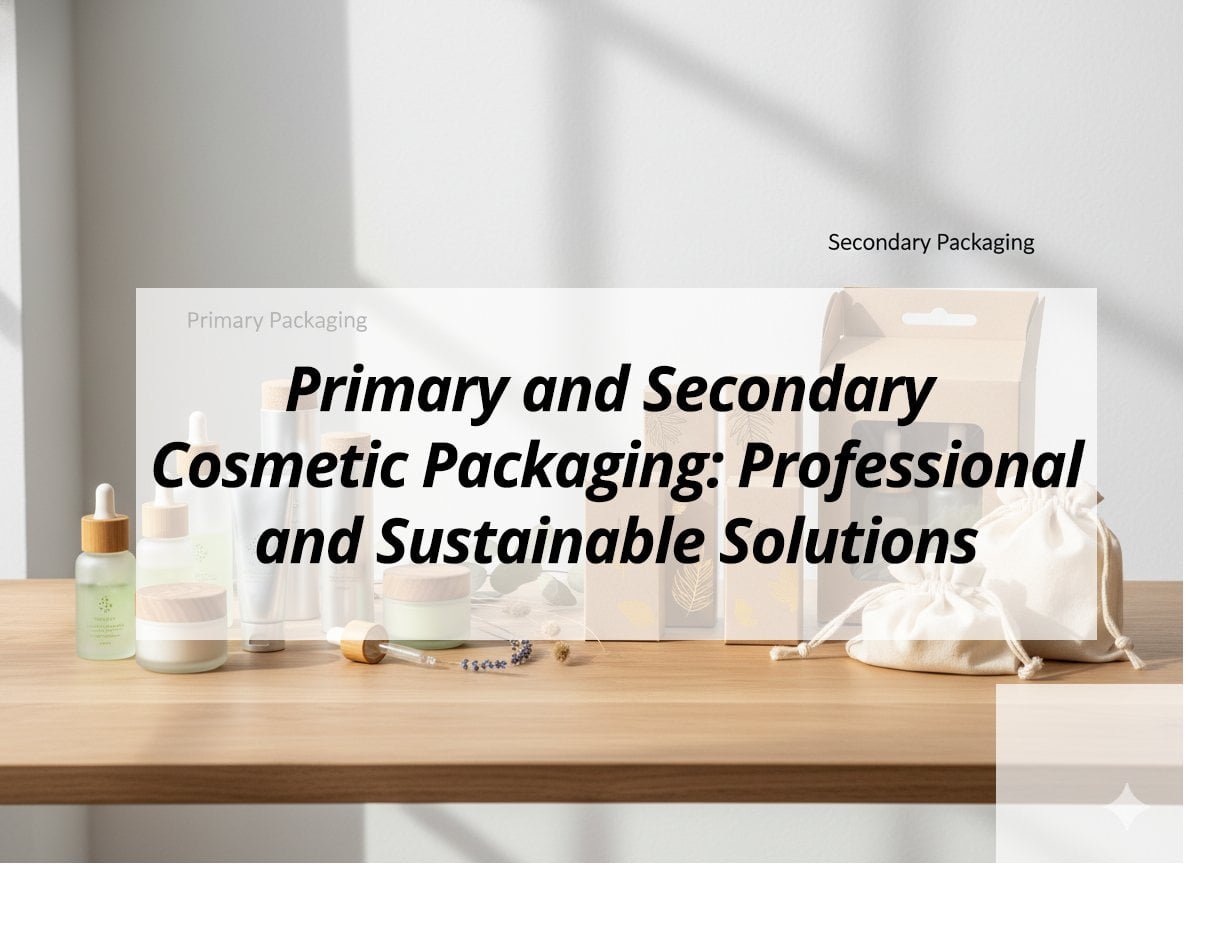
The cosmetic industry increasingly focuses on sustainability. Many businesses seek packaging that is both professional and environmentally responsible. This balance is crucial for brand image and market appeal today.
The optimal professional and sustainable cosmetic packaging combines functional design with environmentally sound materials and manufacturing processes. It prioritizes recyclable, reusable, or recycled content, minimizes production waste, and ensures compliance with industry standards for product integrity and consumer safety.
Understanding the available options is essential for making informed decisions. This involves evaluating material properties, manufacturing impacts, and end-of-life considerations to align packaging choices with sustainability objectives.
What is the most sustainable cosmetic packaging?
A common question in the packaging sector concerns the most sustainable options available. Businesses continually seek solutions that meet environmental goals without compromising quality or performance.
The most sustainable cosmetic packaging frequently utilizes materials such as post-consumer recycled (PCR) plastics, glass, aluminum, or innovative bio-based alternatives. These choices reduce the reliance on virgin resources and help mitigate environmental footprints. Sustainable practices also include lightweight designs, refillable systems, and packaging designed for straightforward recycling.
True sustainability extends beyond material selection. It encompasses the entire lifecycle of the packaging, from raw material sourcing and manufacturing efficiency to consumer disposal and potential recycling or reuse pathways.
Understanding Different Sustainable Materials
Various material options exist, each presenting distinct advantages and disadvantages. Evaluating these helps in selecting the most appropriate solution.
- Post-Consumer Recycled (PCR) Plastics: These plastics are derived from recycled consumer waste.
- Benefits: Reduces landfill waste, decreases demand for new plastic production, conserves energy.
- Challenges: Can present variations in aesthetic consistency, may limit color ranges for certain applications.
- Glass: A traditional packaging material known for its premium feel and high recyclability.
- Benefits: High rate of recyclability, conveys a high-quality perception, offers good barrier protection.
- Challenges: Heavier weight, susceptibility to breakage, can incur higher transportation costs.
- Aluminum: A lightweight and highly recyclable metal. It offers strong protective qualities.
- Benefits: Low weight, excellent barrier properties, extensively recyclable.
- Challenges: Can be prone to denting, potential for reactivity with specific product formulations.
- Bio-based Materials: These materials originate from renewable biomass sources, such as plants.
- Benefits: Sourced from renewable resources, some varieties are compostable under specific industrial conditions.
- Challenges: Supply availability, requirements for specialized composting infrastructure, often higher cost.
When considering sustainable skincare packaging1, these material characteristics are thoroughly assessed to match product requirements with environmental objectives.
Key Factors for Sustainable Choices
Several factors guide the selection of sustainable packaging. These ensure comprehensive environmental responsibility.
| Factor | Description | Importance for Sustainability |
|---|---|---|
| Material Origin | The source of raw materials, whether renewable or finite. | Reduces depletion of natural resources. |
| Manufacturing Process | Energy and water consumption, as well as waste generation during production. | Lowers carbon emissions and overall environmental impact. |
| Product Protection | The packaging's ability to safeguard product integrity and shelf-life. | Minimizes product spoilage, which is itself an environmental concern. |
| End-of-Life Options | Ease of recycling, reuse, or composting for the consumer. | Prevents packaging from ending up in landfills, promotes circularity. |
| Transportation Impact | Packaging weight and volume, affecting fuel consumption during shipping. | Lighter and more compact designs reduce greenhouse gas emissions from logistics. |
For effective eco friendly containers for cosmetics2, it is critical to evaluate these elements holistically, ensuring practical and impactful sustainable solutions.
What are the latest innovations in sustainable packaging for cosmetics and how do they address environmental concerns?
The packaging sector is continuously evolving, with new developments in sustainability emerging regularly. Many businesses track these innovations to maintain competitive and environmentally conscious practices.
Recent innovations in sustainable cosmetic packaging encompass advancements in PCR technologies, the widespread adoption of refillable and reusable models, the development of water-soluble or compostable materials, and a shift towards minimalist designs. These innovations collectively aim to decrease plastic waste, reduce carbon footprints, and offer consumers more responsible disposal options, thereby directly addressing pressing environmental concerns.
These trends highlight a strong industry commitment to reducing environmental impact through continuous improvement and new material science.
Emerging Materials and Technologies
New materials and improved technologies are continually being introduced. These advancements often overcome previous limitations.
- Advanced PCR Solutions: Modern processes yield PCR plastics with enhanced aesthetic and functional properties, often comparable to virgin materials.
- Impact: Overcomes previous visual and tactile limitations associated with recycled content.
- Environmental Benefit: Facilitates broader integration of recycled materials in high-end cosmetic packaging.
- Biodegradable/Compostable Polymers: These materials are designed to break down under specific environmental conditions.
- Impact: Offers alternatives to conventional plastics, potentially reducing long-term waste accumulation.
- Environmental Benefit: Can decompose and reintegrate into natural cycles (where appropriate infrastructure exists).
- Mushroom-based Packaging: Packaging cultivated from mycelium, the root structure of mushrooms.
- Impact: Provides a rapidly renewable and often home-compostable packaging alternative.
- Environmental Benefit: Utilizes agricultural byproducts and offers a fully biodegradable solution.
The evolution of materials for sustainable skincare packaging demonstrates a clear trajectory towards lower environmental impact and higher performance.
Refill and Reuse Models
Refillable and reusable packaging systems represent a significant shift in consumer product delivery. They offer a tangible pathway to waste reduction.
- Operational Mechanism: Consumers purchase a durable primary container and then replenish it with product from lighter, often less resource-intensive refill pouches or inserts.
- Examples: Refillable compacts, lipstick casings, and lotion dispensers.
- Benefits:
- Waste Reduction: Substantially decreases the volume of single-use packaging sent to landfill.
- Consumer Engagement: Fosters loyalty and encourages sustainable consumer behavior.
- Resource Efficiency: Typically leads to lower material consumption over the product's lifespan.
The increasing prevalence of refill systems underscores a growing demand for eco friendly containers for cosmetics that support a circular economy.
Minimalist Design and Lightweighting
Design principles that emphasize simplicity and efficiency contribute significantly to sustainability. Reducing material use is a core objective.
- Minimalist Design: Focuses on using fewer components and simpler structural forms.
- Impact: Reduces overall material consumption and simplifies manufacturing processes.
- Lightweighting: Involves reducing the mass of packaging components through thinner walls or alternative materials.
- Impact: Decreases raw material demand and lowers greenhouse gas emissions associated with transportation.
Implementing these design strategies can lead to substantial reductions in environmental footprint, from production through logistics.
How can we make packaging more sustainable?
The challenge of enhancing packaging sustainability requires a systematic approach. Businesses consistently seek practical strategies to implement greener practices throughout their operations.
Packaging can be made more sustainable by prioritizing the integration of recycled and renewable materials, developing refillable and reusable designs, optimizing packaging for reduced weight and volume, and providing clear recycling guidance to consumers. These combined strategies, applied across the entire packaging lifecycle from conceptualization to disposal, are key to minimizing environmental impact and meeting market demands for sustainable products.
A comprehensive strategy that addresses multiple points in the packaging value chain yields the most effective results.
Key Strategies for Sustainable Packaging
Implementing sustainable packaging involves a series of deliberate actions. These actions target various aspects of packaging design and use.
| Strategy | Description | Direct Impact on Sustainability |
|---|---|---|
| Source Recycled Content | Utilize materials like PCR plastics or recycled glass and aluminum. | Reduces reliance on new raw materials and often lowers energy consumption during production. |
| Design for Recyclability | Create packaging with single-material components, avoiding material mixes, and ensure clear labeling. | Facilitates efficient sorting and reprocessing by recycling facilities and consumers. |
| Implement Refill Systems | Develop durable primary packaging designed to accommodate replaceable product inserts. | Dramatically decreases the quantity of packaging waste generated over time. |
| Reduce Material Usage | Employ lightweight designs, thin-walled constructions, or smaller component sizes. | Lessens raw material extraction and associated manufacturing and transport emissions. |
| Choose Renewable Materials | Select materials such as bamboo, certified paper, or appropriate bio-plastics. | Decreases dependence on fossil-based resources and supports a more circular economy. |
| Simplify Graphics | Apply minimal inks and labels, opting for eco-friendly printing methods. | Reduces chemical usage and simplifies the recycling process for the base material. |
These strategies are fundamental for developing sustainable skincare packaging solutions that are both effective and environmentally responsible.
Educating the Consumer
The success of sustainable packaging initiatives often relies on informed consumer behavior. Clear communication is vital.
- Clear Labeling: Provide explicit instructions on how to recycle, reuse, or dispose of the packaging.
- Example: "Please recycle this bottle," "Refill and reuse me."
- Online Information: Offer detailed guidelines and resources on corporate websites.
- Example: A dedicated section explaining the proper disposal of specific packaging types.
- Community Engagement: Support and promote local recycling programs and infrastructure.
Ensuring consumers understand how to manage packaging after use is crucial. It completes the sustainability loop for eco friendly containers for cosmetics.
Who is the global leader in sustainable packaging?
Identifying a single global leader in sustainable packaging3 is complex, as many entities contribute significantly to the field. This question often reflects a desire to understand industry benchmarks and leading practices.
While no exclusive title exists, global leaders in sustainable packaging are typically characterized by substantial investments in research and development for eco-friendly materials, the implementation of comprehensive closed-loop recycling systems, and active promotion of circular economy principles. These entities often establish benchmarks that influence broader industry standards for reducing environmental impact across supply chains.
These leading organizations drive innovation and set examples for sustainable practices across the globe.
Companies Driving Innovation
Numerous companies are making substantial contributions to sustainable packaging, pushing the boundaries of what is achievable.
- Unilever: Recognised for ambitious goals in plastic reduction and extensive deployment of refill systems.
- Example: Their introduction of multiple product lines with refillable options.
- Impact: Influences a vast global consumer base and supply chain.
- L'Oréal: Heavily invests in bio-based materials research and designs packaging for enhanced recyclability.
- Example: Their strategic use of sugarcane-derived plastics in various product lines.
- Impact: Sets influential trends within the beauty and personal care industry.
- Procter & Gamble: Focuses on integrating PCR content and advancing consumer education on effective recycling practices.
- Example: Their efforts to redesign packaging for common household products to improve recyclability.
- Impact: Drives significant change across diverse consumer goods categories.
These companies demonstrate leadership through their scale of action and commitment to sustainable innovation, which benefits the entire sector, including sustainable skincare packaging.
The Role of Smaller Innovators
Beyond large corporations, smaller companies and specialized innovators play a vital role in advancing sustainable packaging solutions.
- Specialized Material Companies: Firms dedicated to developing novel compostable, soluble, or otherwise environmentally benign packaging materials.
- Example: Developers of packaging derived from seaweed or agricultural waste.
- Impact: Introduces truly innovative, low-impact material options to the market.
- Design Agencies Focused on Circularity: Consultancies that assist brands in redesigning packaging to align with circular economy principles.
- Example: Agencies specializing in optimizing packaging for end-of-life recovery and reuse.
- Impact: Facilitates the practical implementation of sustainable design strategies for brands of all sizes.
These entities foster crucial advancements, offering tailored solutions for eco friendly containers for cosmetics.
Why Leadership Matters
Industry leaders serve as catalysts for change. Their actions have broad implications for the adoption of sustainable practices.
- Inspire Adoption: Their successes motivate other businesses to pursue and integrate sustainable strategies.
- Advance Research: Their investments stimulate further research and development in sustainable materials and technologies.
- Influence Policy: They often collaborate with regulatory bodies to shape policies that support environmental objectives and recycling infrastructure.
Every entity, regardless of size, contributes to the collective effort by embracing sustainable practices. This collective action is essential for driving industry-wide change.
My Insights: Effective and Sustainable Cosmetic Packaging Solutions
Are you striving for eco-friendly cosmetic packaging? Learn how primary and secondary solutions can safeguard products while enhancing sustainability and branding.
Primary packaging directly holds cosmetics, ensuring product safety and integrity, while secondary packaging offers added protection and branding opportunities. Sustainable materials like glass and recycled paper are essential for reducing environmental impact, supporting refillable solutions and minimalist designs.
Exploring Sustainable Cosmetic Packaging
Primary Packaging:
- Protection and Compliance: Primary packaging, like bottles and jars, shields products from environmental elements and must display essential safety information.
- Sustainable Materials: Options include glass and high-recycled-content plastics (e.g., PCR) that support eco-friendly practices.
Secondary Packaging:
- Branding and Protection: Secondary packaging, such as cartons and boxes, enhances shelf presence and protects during transport, offering space for branding.
- Eco-Friendly Design: Using recycled paperboard and eliminating mixed materials aids recyclability and sustainability.
| Packaging Type | Features | Sustainability Strategies |
|---|---|---|
| Primary | Direct contact with product | Glass, PCR plastics, refillable systems |
| Secondary | Branding and protection | Recycled paperboard, minimalist design |
By integrating these strategies, cosmetic brands can create sustainable packaging that aligns with environmental goals and enhances brand perception.
Conclusion
Achieving professional and sustainable cosmetic packaging involves strategic material selection, embracing new innovations, and understanding the full lifecycle of a product. Prioritizing responsible sourcing and thoughtful design helps meet both market demands and environmental goals.
-
Find out the key characteristics that make skincare packaging environmentally responsible. ↩
-
Explore innovative packaging solutions that prioritize sustainability in the cosmetics industry. ↩
-
Explore this link to discover innovative practices that can help your brand reduce its environmental footprint. ↩